Starch Technique: Building One-Pot Pasta Dinners
The starch technique is a game-changer for creating seamless, one-pot pasta dinners. This method harnesses the power of pasta starch to thicken sauces right in the pot, eliminating the need for additional pots and pans. It's perfect for busy home cooks who crave convenience without sacrificing flavor. By understanding how pasta starch behaves, you can craft creamy, restaurant-quality dishes with minimal effort. This technique works particularly well with pasta shapes that hold sauce well, like penne or rigatoni. As the pasta cooks, it releases starch into the cooking water, creating a natural thickening agent. When vegetables, proteins, and sauces are added at the right time, they meld together beautifully, resulting in a cohesive meal bursting with flavor. Timing is crucial; adding ingredients too early or too late can disrupt the balance. This method is versatile and can be adapted to countless recipes, from classic carbonara to innovative veggie-packed creations. Embrace this technique to elevate your home cooking and impress your family and friends with minimal cleanup.
Notes
The science behind this technique lies in the starch molecules released by pasta during cooking. These molecules absorb water and swell, creating a natural thickener for your sauce. To troubleshoot, ensure you're using enough pasta water to achieve the desired sauce consistency—it's better to add more than too little. Be cautious not to overcook vegetables or proteins, as they continue to cook in the residual heat. For make-ahead meals, cook the pasta slightly under al dente, as it will continue to cook when reheated. Store leftovers in an airtight container in the fridge for up to 3 days, reheating with a splash of pasta water to restore creaminess.
Steps
- 1 Bring a large pot of well-salted water to a rolling boil.
- 2 Add the pasta to the boiling water and cook according to package instructions.
- 3 Reserve 1 cup of pasta cooking water before draining.
- 4 While the pasta cooks, prepare your sauce ingredients and vegetables.
- 5 Once the pasta is al dente, reserve a small amount of drained pasta in the pot.
- 6 Add your vegetables to the pasta pot and cook until softened.
- 7 Incorporate your protein (cooked meat, seafood, or legumes) into the pot.
- 8 Pour in your sauce base, stirring well to combine with pasta starch.
- 9 Gradually add reserved pasta water, stirring constantly, until sauce thickens.
- 10 Adjust seasoning with salt and pepper to taste.
- 11 Finish with fresh herbs, grated cheese, or a drizzle of olive oil if desired.
- 12 Remove from heat and let sit for 1-2 minutes before serving.
- 13 Toss well before plating to ensure even distribution of sauce.
Ingredients to explore
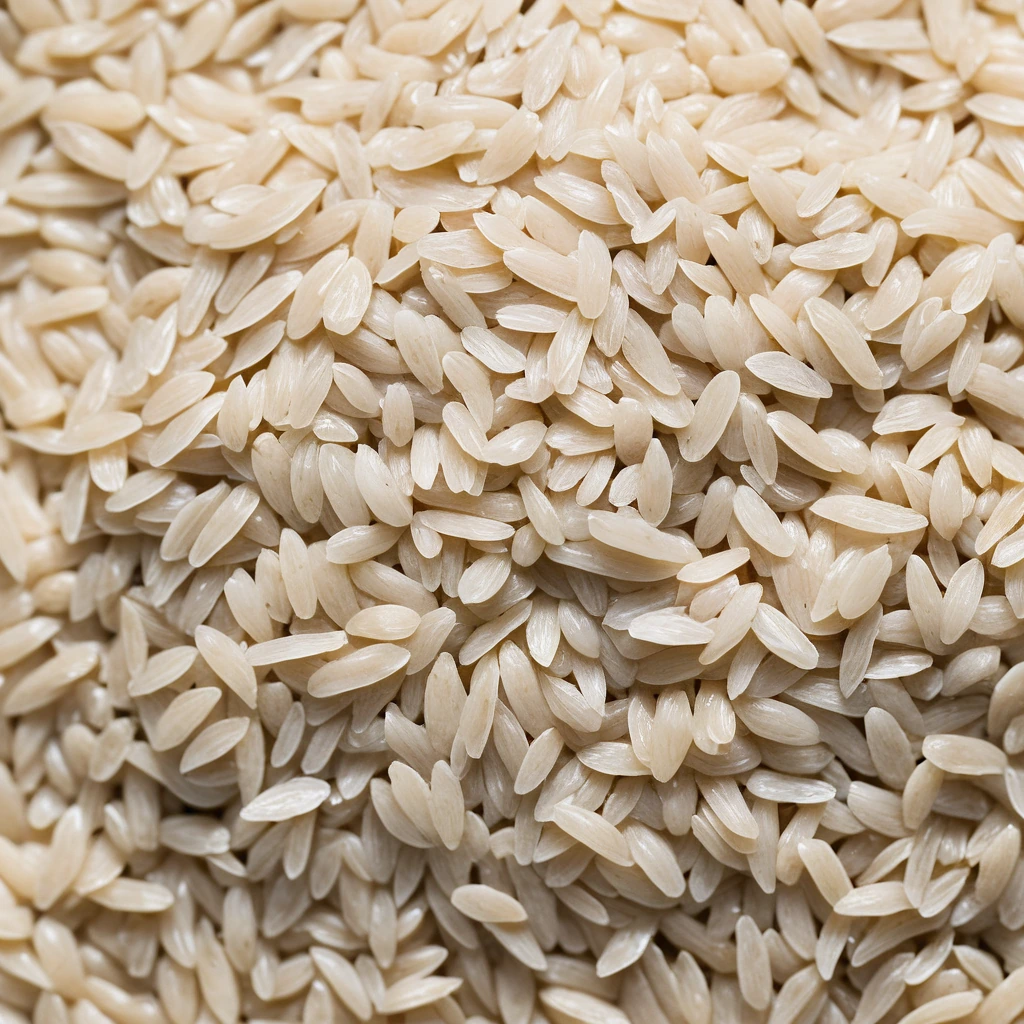
Arborio Rice
Arborio rice is a short-grain Italian rice variety renowned for its use in risotto. Originating from the Po Valley in Northern Italy, it is a staple in Italian cuisine. Its flavor is mild and nutty, with a pleasant creamy texture when cooked due to its high amylopectin content, which releases starch and creates a velvety consistency. The grains remain plump and firm to the bite, offering a satisfying chewiness. In cooking, Arborio rice excels at absorbing flavors from broths and seasonings while maintaining its shape, making it ideal for dishes that require both creaminess and structure.

Agave Nectar
A golden, velvety sweetener derived from the agave plant, offering a subtly sweet flavor with a smooth, syrup-like texture.
Recipes to try

Sweet Potato and Kale Skillet with Feta
Golden roasted sweet potatoes and tender kale come together in a skillet, kissed by tangy feta and a whisper of garlic.
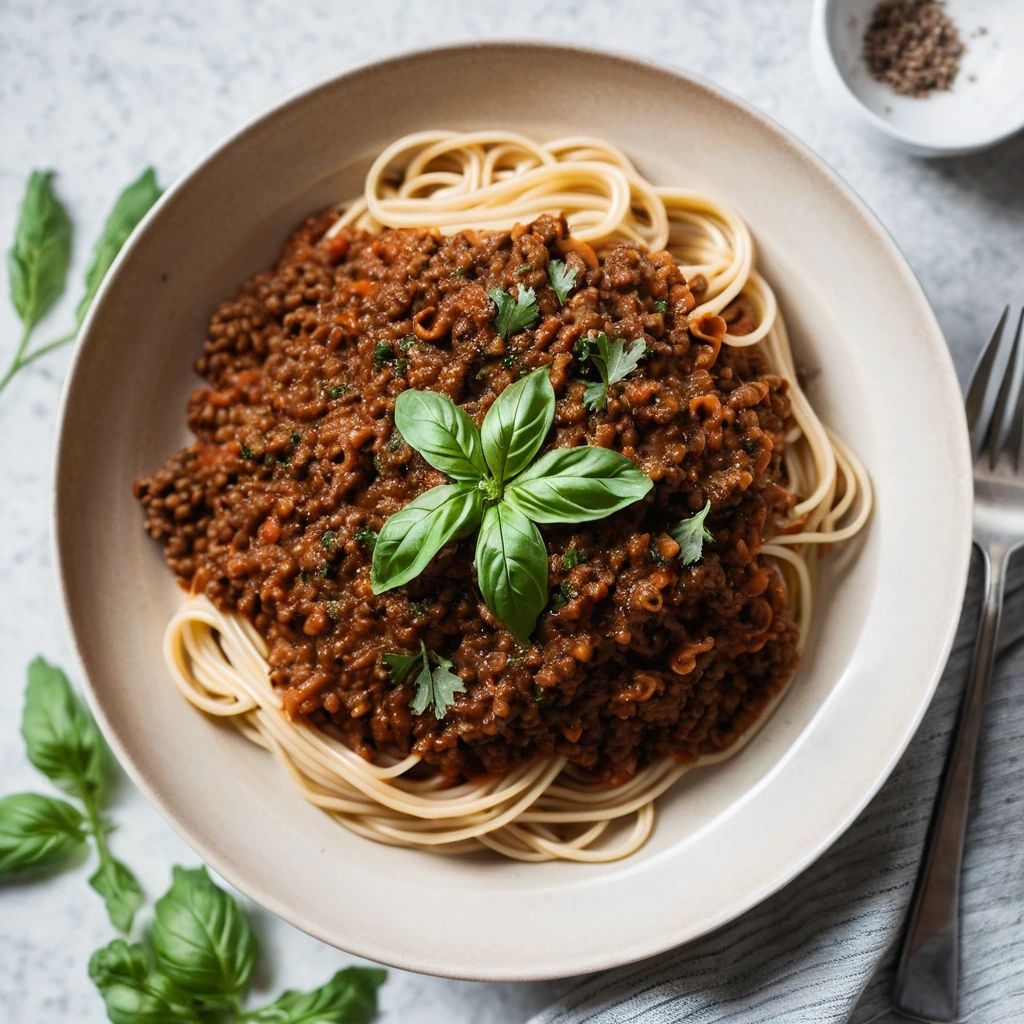
Mushroom and Lentil Bolognese over Spaghetti
A hearty, savory Bolognese packed with earthy mushrooms and protein-rich lentils, served over perfectly al dente spaghetti.