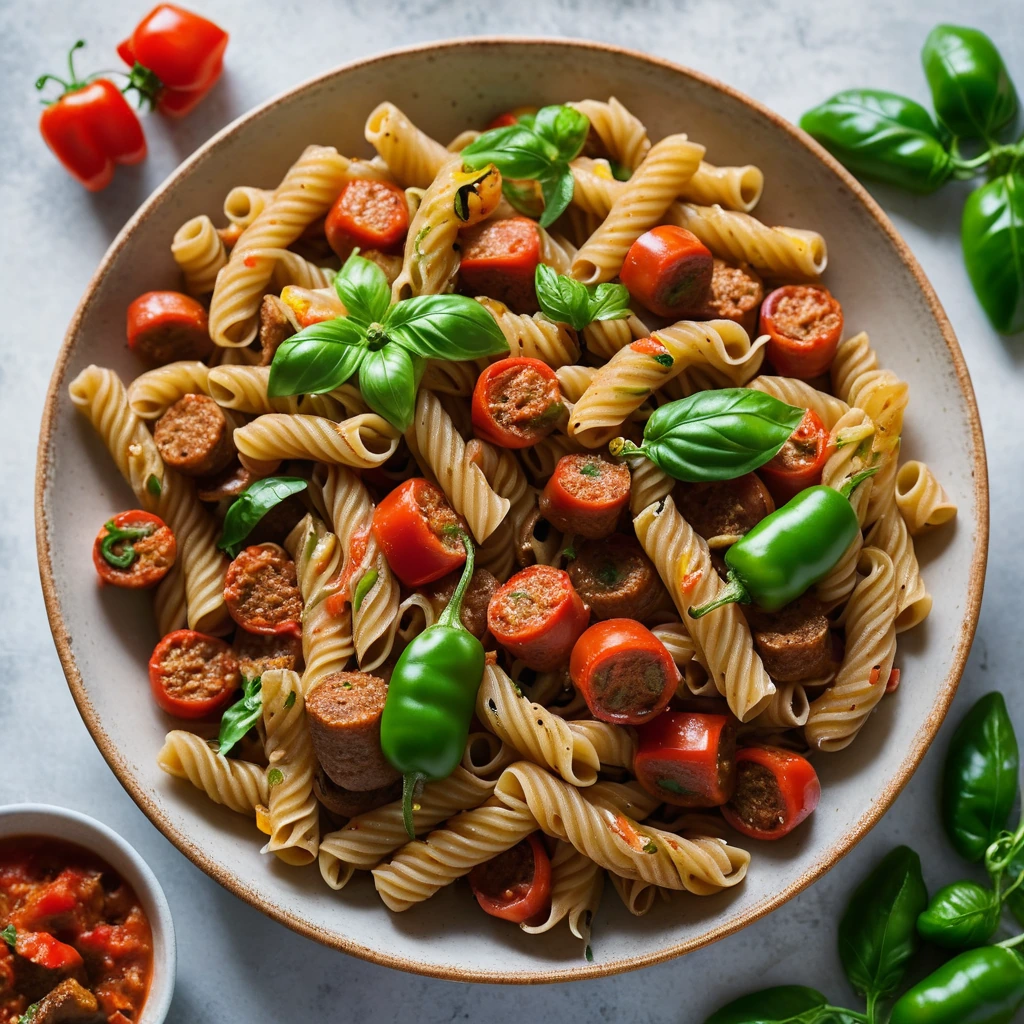
Soups: Adding Pasta or Rice Without Overcooking
Adding pasta or rice to soup can be a tricky balancing act. You want perfectly al dente pasta or tender rice without turning them into a mushy mess. The key lies in timing and understanding how each ingredient interacts with the liquid and heat. This technique will guide you through the process of integrating pasta or rice into your soup, ensuring they cook just right. First, consider the type of pasta or rice you’re using—shapes and varieties have different cooking times. Generally, small pasta shapes cook faster than large ones, and Arborio rice will behave differently than long-grain varieties. Second, assess the soup's current state: is it still simmering vigorously, or has it been reduced to a gentle bubble? Third, factor in residual cooking time—ingredients continue to cook even after they’re removed from direct heat. By mastering these variables, you’ll be able to add pasta or rice to your soup confidently, achieving the perfect texture every time. Remember, you can always adjust the seasoning at the end, as the pasta or rice will absorb some of the soup's flavors. Lastly, if you’re making a large batch, consider cooking a portion of the pasta separately to ensure it retains its ideal texture. This technique empowers you to create hearty, satisfying soups with perfectly cooked pasta or rice that will leave your diners impressed and wanting more.
Notes
This technique works because it accounts for the residual heat in the soup and the pasta or rice's continued cooking off the stove. Troubleshooting common mistakes includes avoiding the temptation to add pasta or rice too early, which can lead to overcooking and a loss of texture. Additionally, ensure your soup has enough liquid to accommodate the pasta or rice without drying out. If you're unsure, you can always cook them separately and add them at the end. From a safety standpoint, ensure your soup reaches a safe temperature before serving. For make-ahead meals, cook the pasta or rice al dente and add them just before reheating to preserve their texture. Store leftovers promptly in the refrigerator for up to 3 days.
Steps
- 1 Bring your soup to a gentle simmer before adding pasta or rice.
- 2 Measure out the desired amount of dry pasta or rice.
- 3 If using pasta, add it directly to the soup when there are 8-10 minutes left for cooking.
- 4 For rice, add it earlier, typically 20-25 minutes before you plan to serve, depending on the variety.
- 5 Stir gently to separate the pasta or rice and prevent sticking.
- 6 Maintain a gentle simmer; avoid boiling vigorously to prevent breaking the pasta.
- 7 Taste a piece of pasta or grain near the end of the estimated cooking time to check for doneness.
- 8 If the pasta or rice is done but the soup needs more time, remove them, keep them warm, and stir them back in just before serving.
- 9 Adjust the seasoning with salt and pepper after the pasta or rice is cooked to taste.
- 10 Serve immediately to enjoy the ideal texture.
Ingredients to explore
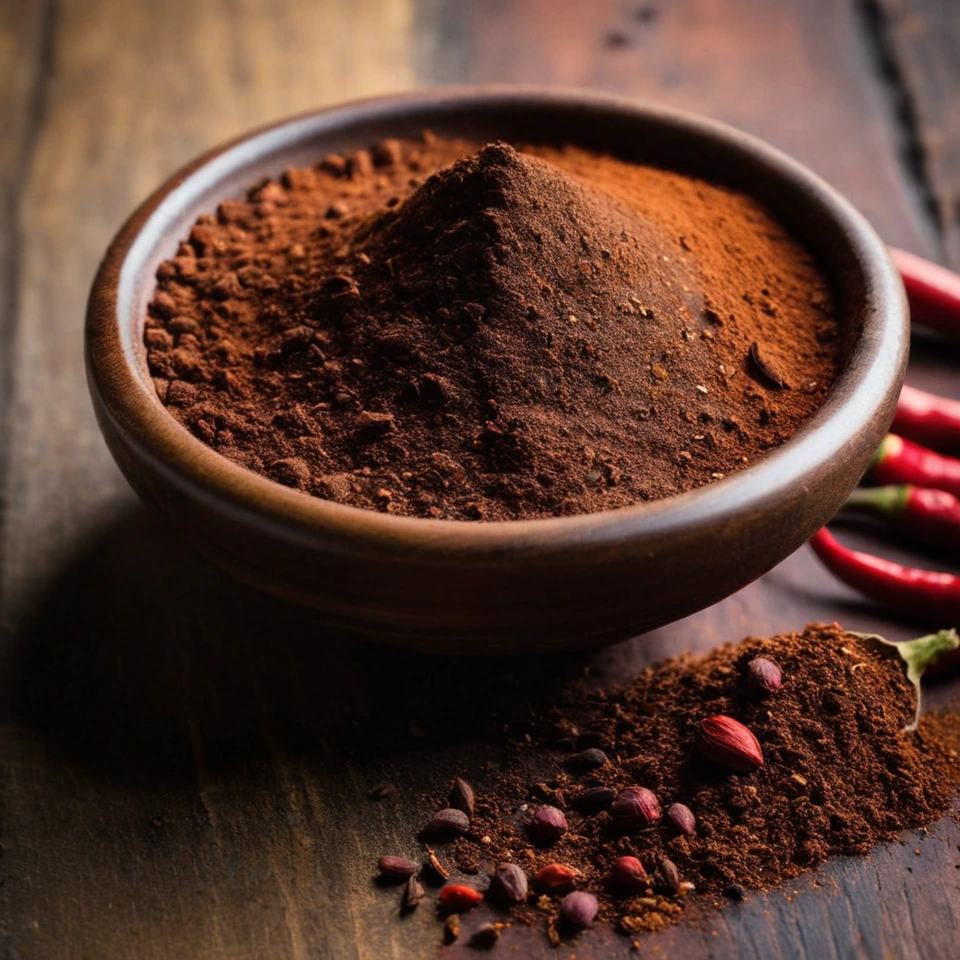
Ancho Chili Powder
Ancho chili powder offers a deep, smoky sweetness with hints of dried fruit and cocoa, reminiscent of its origin as dried poblano peppers from Mexico. Its aroma is warm and inviting, with a mild heat that lingers gently. The texture is fine and velvety, making it easy to incorporate into a variety of dishes. This powder is prized for its ability to add complexity without overwhelming spice, ideal for enriching both traditional Mexican moles and contemporary global cuisines.
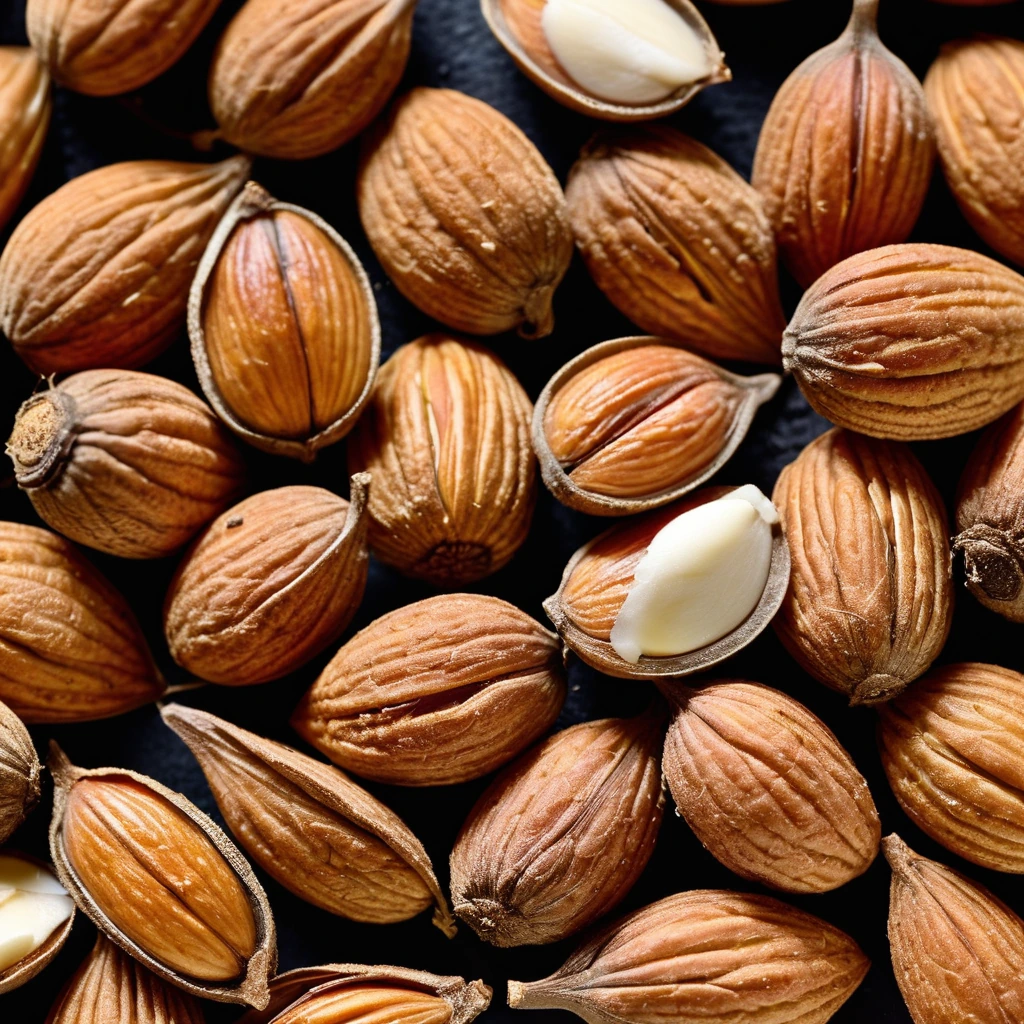
Almond Extract
A fragrant, golden elixir that captures the essence of freshly ground almonds, almond extract is a pantry staple that brings a rich, nutty aroma to your culinary creations.