Small Appliances: Using a Food Processor Safely
A food processor is an indispensable tool in any home cook's arsenal, capable of slicing, dicing, shredding, and pureeing with ease. However, with its sharp blades and powerful motor, safety is paramount. This technique dives deep into the fundamentals of operating a food processor safely, ensuring that you get the most out of your appliance without compromising your well-being. First, we’ll cover the basic anatomy of a food processor, from understanding the various blades and discs to recognizing the safety features designed to protect you. Next, we’ll explore essential safety practices, such as securely fastening the work bowl, correctly assembling blades, and always using the feed tube pusher to avoid direct hand contact with the blades. Additionally, we'll discuss how to properly maintain your food processor, including cleaning and storage tips to prolong its lifespan. By mastering these safety protocols, you can confidently tackle any recipe that calls for a food processor, from making smooth hummus to perfectly shredded cheese.
Notes
Using a food processor safely is all about respecting its power and potential hazards. The sharp blades can cause serious injury if mishandled, which is why using the feed tube pusher is crucial—it keeps your hands safely away from the blade. A common mistake is overloading the processor, which can lead to uneven processing or even damage to the machine. To avoid this, work in batches and don’t exceed the recommended capacity. Safety features like locking mechanisms are there for a reason—ensure they are engaged before operating. Regular maintenance, like sharpening blades or replacing worn parts, ensures your processor functions optimally. Finally, storing your processor properly not only keeps it in good condition but also prevents accidents. If you plan to store it for an extended period, consider applying a light coat of oil to metal parts to prevent rust.
Steps
- 1 Read the manufacturer's instruction manual thoroughly before use.
- 2 Ensure all parts are clean and dry before assembling the processor.
- 3 Attach the work bowl securely to the base before adding any ingredients.
- 4 Insert the correct blade or disc for your task and lock it into place.
- 5 Always use the feed tube pusher when adding ingredients to the processor.
- 6 Keep fingers away from the feed tube while the machine is running.
- 7 Process ingredients in small batches if necessary to avoid overloading.
- 8 Turn off the processor and unplug it before removing the lid or checking the contents.
- 9 Wait for the blades to stop completely before disassembling any parts.
- 10 Clean the processor immediately after use to prevent food from hardening.
- 11 Dry all parts thoroughly before storing to prevent rust or damage.
- 12 Store blades and discs in a safe place away from children's reach.
- 13 Regularly inspect blades and parts for signs of wear or damage.
- 14 Always unplug the processor when not in use or during cleaning.
Ingredients to explore
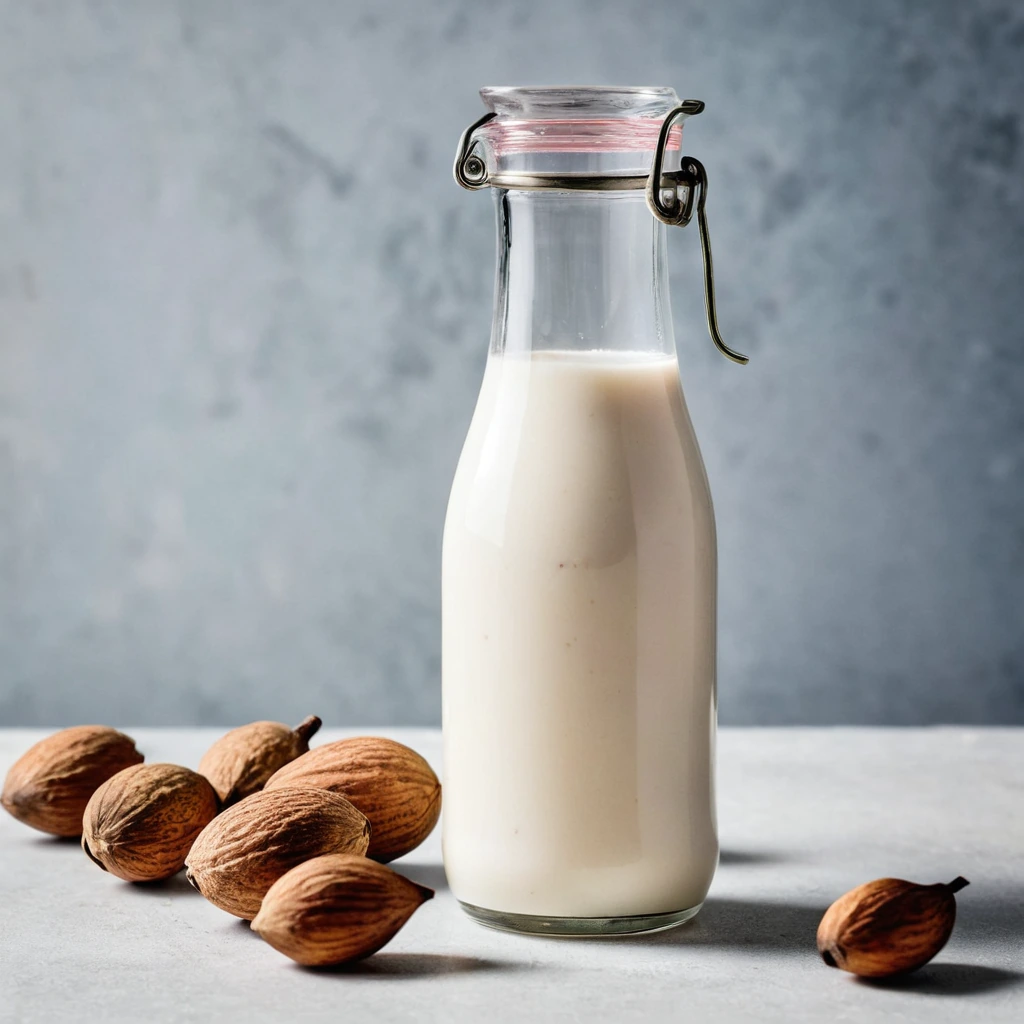
Almond Milk
Almond milk is a plant-based milk alternative made from ground almonds and water. Originating from traditional recipes in medieval Europe and the Middle East, it has gained widespread popularity in modern times as a dairy-free option. Almond milk has a subtly nutty flavor with a mild sweetness, and its aroma is reminiscent of fresh almonds. Its texture is smooth and creamy, though typically lighter than dairy milk. In cooking, almond milk behaves well in both savory and sweet applications, though it does not brown or caramelize like dairy milk. It is often used in cereals, smoothies, and baking, where its delicate flavor complements rather than overpowers other ingredients.
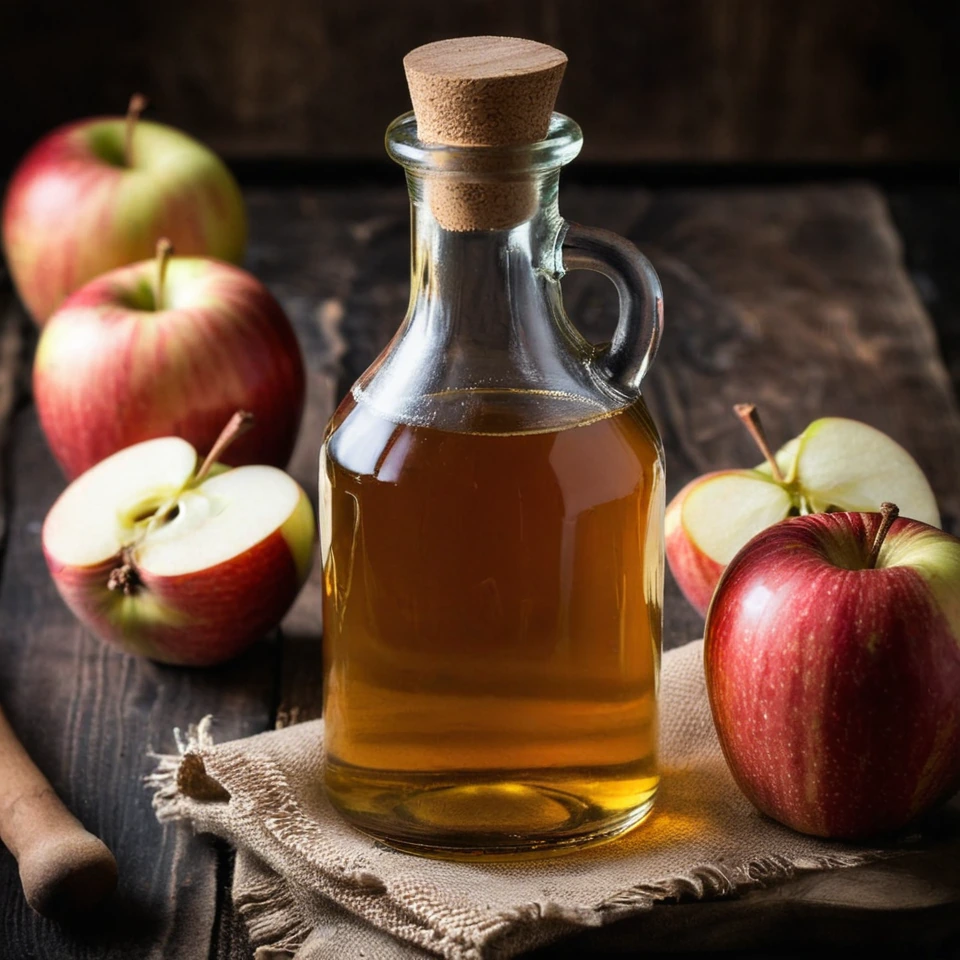
Apple Cider Vinegar
Apple cider vinegar is a type of vinegar made through the fermentation of apple cider, resulting in a tangy, slightly sweet liquid with a pale to medium amber color.
Recipes to try

Lemon Garlic Butter Scallops over Rice
Tender scallops kissed with lemon and garlicky butter, served over fluffy white rice for a luxurious yet simple dinner.
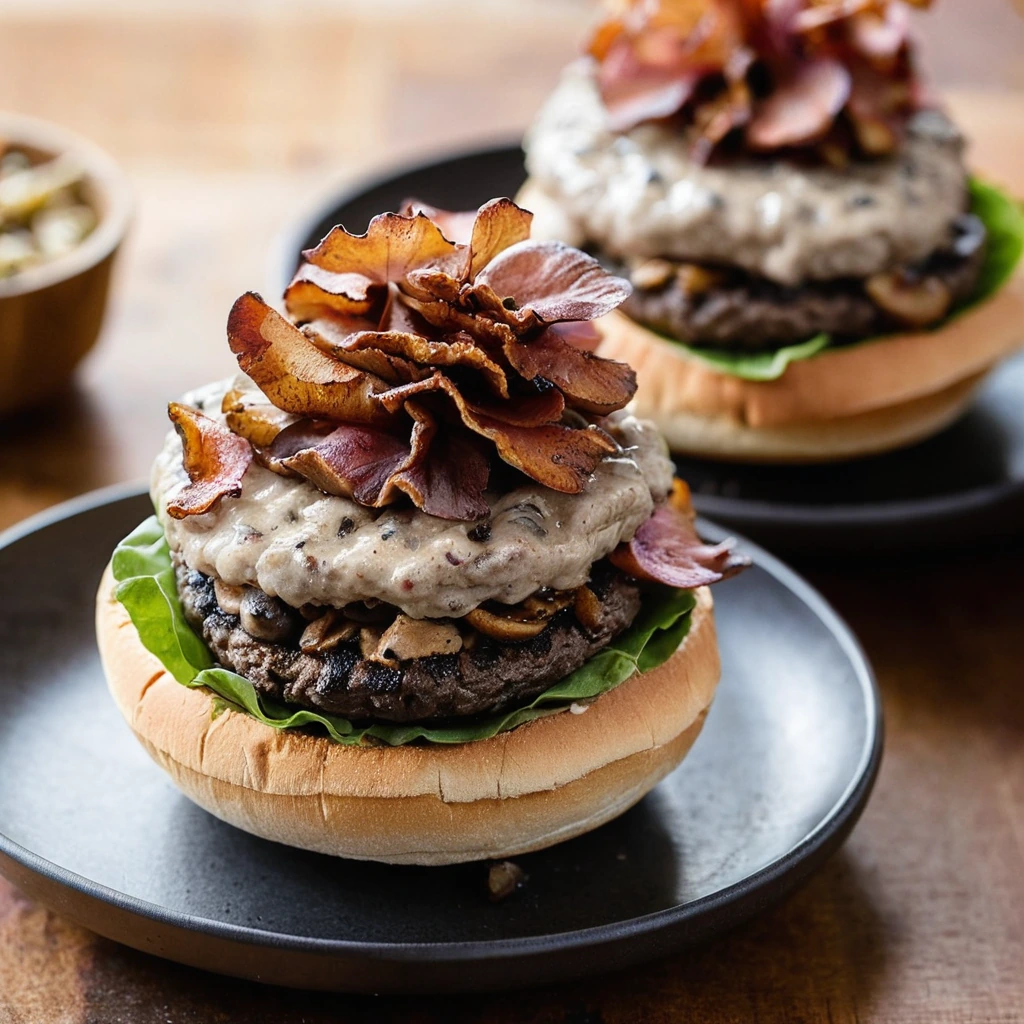
Maple Bacon Mushroom Burger Bowls
Sweet, smoky, and savory come together in these hearty bowls, where juicy burger patties meet crispy bacon and earthy mushrooms.