Slow Cooker: Using a Liner vs No Liner
The age-old debate in slow cooking circles: to liner or not to liner? This technique dives into the nuances of both methods, exploring how each impacts your cooking experience. Using a liner in your slow cooker can simplify clean-up, making it a go-to for busy home cooks. However, some argue that liners can affect cooking times and the flavor of your dish. This guide will walk you through the pros and cons of each method, helping you decide which approach suits your culinary needs best. We'll delve into the science behind how liners interact with heat and moisture, and share tips to ensure your meals turn out perfectly whether you choose convenience or tradition. Whether you're a slow cooker veteran or a curious novice, understanding these differences can elevate your cooking game.
Notes
Using a liner can simplify cleanup, but it may slightly extend cooking times due to its insulating properties. To counteract this, consider increasing your cooking time by about 15-30 minutes. Liners can also affect texture and flavor, as they might absorb some of the cooking liquids and aromas. For optimal results, ensure your liner fits snugly without gaps. Avoid using metal utensils with liners to prevent puncturing. As for safety, always handle hot liners with care, using oven mitts to protect your hands. Liners can be made ahead and stored in the refrigerator for up to 24 hours before cooking. After use, dispose of the liner properly or follow washing instructions if reusable.
Steps
- 1 Select a slow cooker that fits your meal size.
- 2 If using a liner, choose one designed for your slow cooker model.
- 3 Place the liner inside the slow cooker insert, smoothing out any wrinkles.
- 4 Add ingredients directly into the liner or bare insert, depending on your choice.
- 5 Set your slow cooker to the desired temperature and time.
- 6 Allow the slow cooker to cook undisturbed for the recommended time.
- 7 When using a liner, carefully lift it out using the handles to avoid spills.
- 8 Serve the meal directly from the liner or transfer to a serving dish.
- 9 If not using a liner, let the insert cool before cleaning.
Ingredients to explore
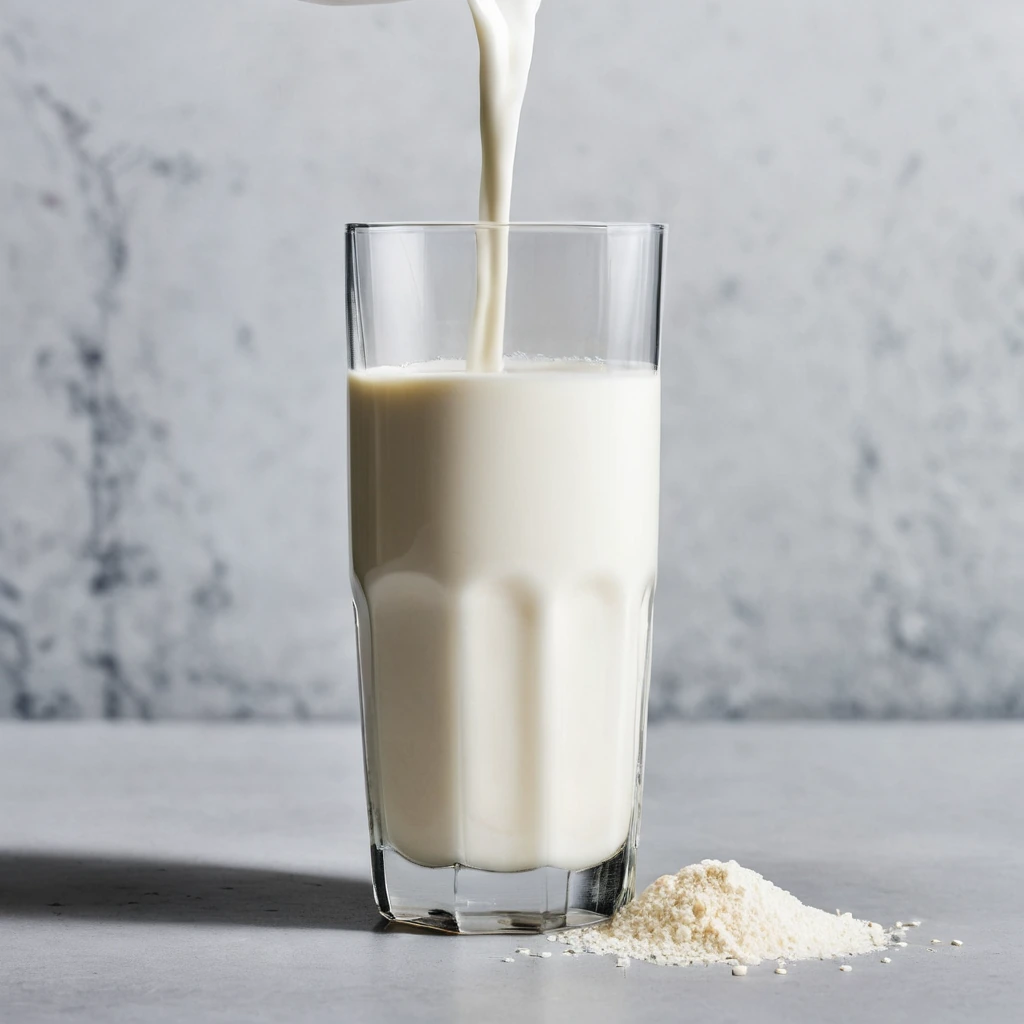
2% Milk
Creamy and just a touch lighter than whole milk, 2% milk offers a perfect balance of richness and reduced fat. Its smooth texture and subtle sweetness make it a delightful choice for sipping or cooking.
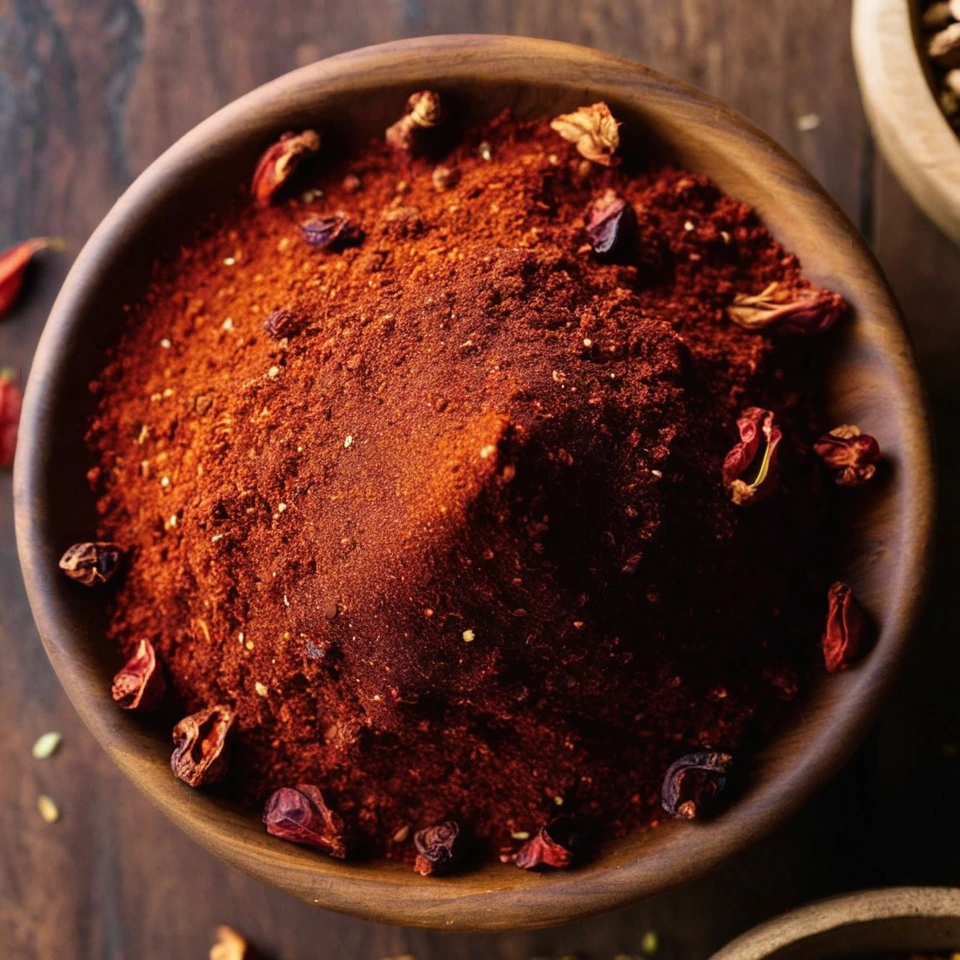
Aleppo Pepper
Aleppo pepper offers a harmonious balance of heat and sweetness, with a subtle fruity aroma reminiscent of sun-dried tomatoes and currants. Originating from the region around Aleppo, Syria, it has a fine, slightly coarse texture that shatters easily between fingers. Its mild yet complex flavor profile makes it a prized seasoning for enhancing dishes without overwhelming them. Valued for its versatility, it bridges the gap between spice and seasoning, bringing a touch of warmth and depth to a variety of cuisines.
Recipes to try
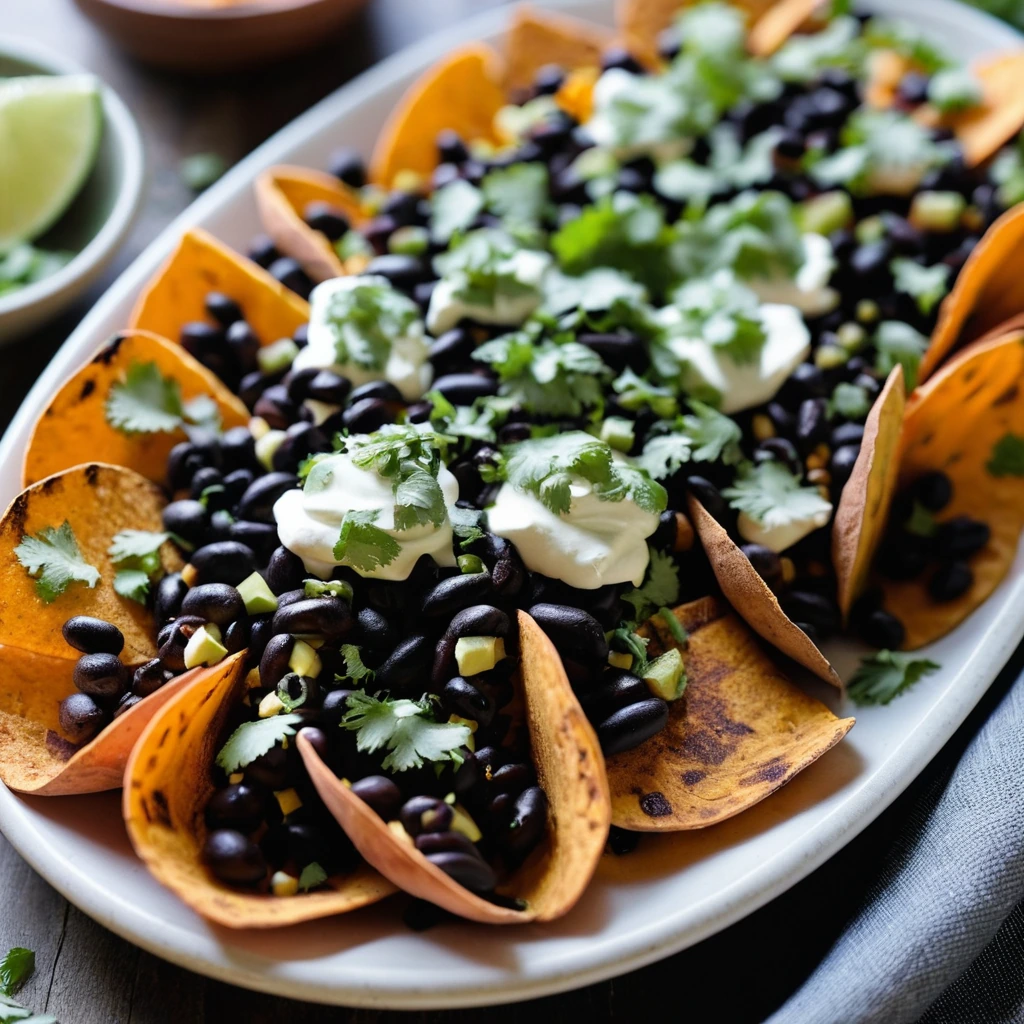
Sweet Potato and Black Bean Loaded Nachos
Crispy tortilla chips piled high with roasted sweet potatoes, black beans, and melty cheese, all topped with fresh cilantro and a zesty lime kick.
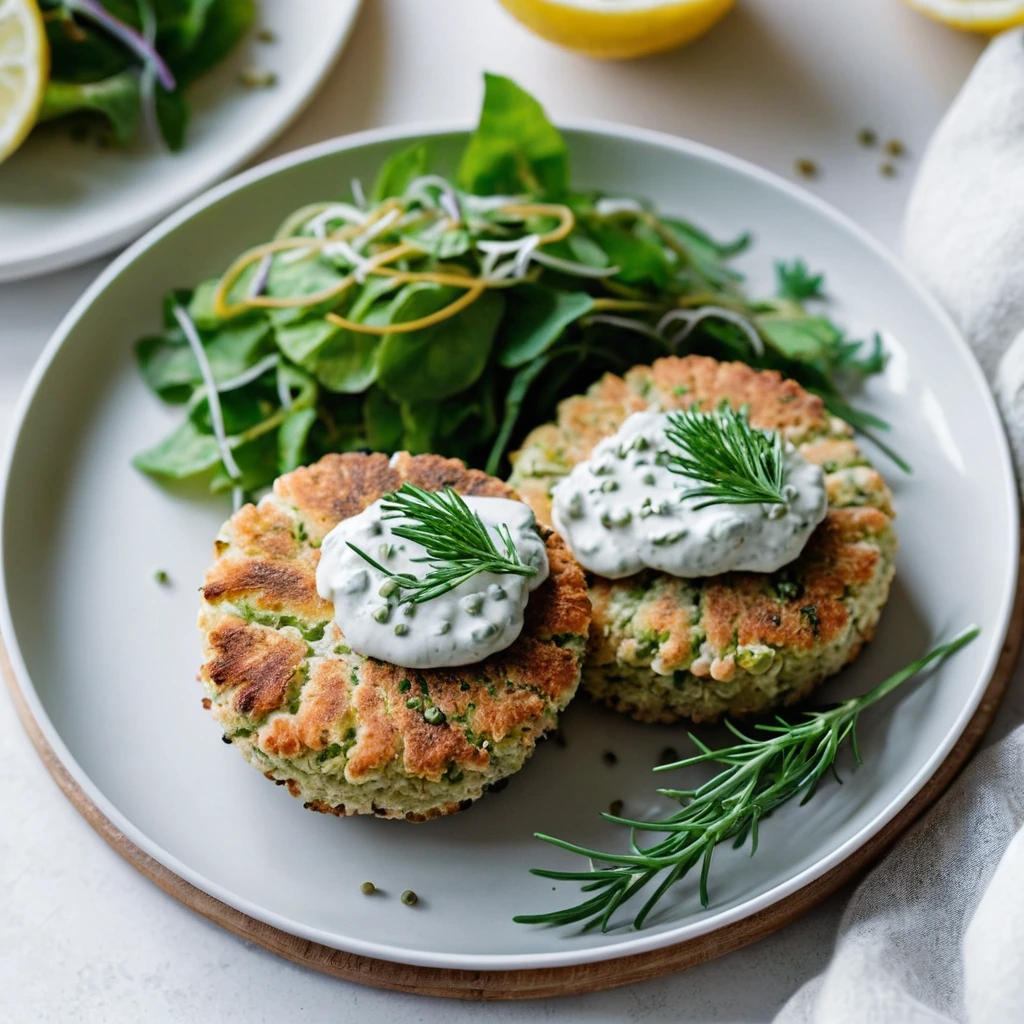
Lemon Dill Salmon Cakes with Caper Mayo
Golden, crispy salmon cakes bursting with fresh dill and zesty lemon, served with a tangy caper mayo that'll have you hooked.