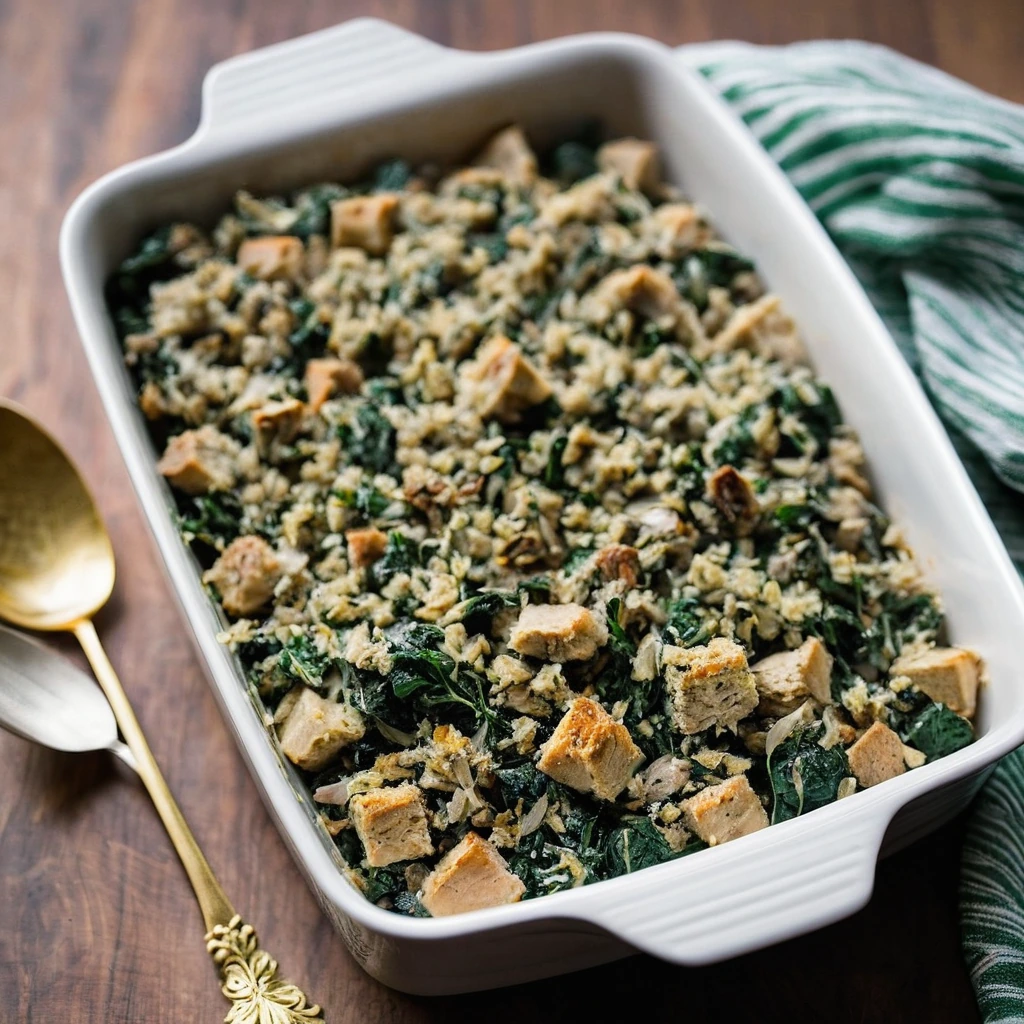
Slow Cooker: Finishing with Fresh Herbs and Acid
Unlocking the final flourish in your slow cooker dishes is all about timing and technique. Adding fresh herbs and a splash of acid at just the right moment can transform a hearty stew or braise into a culinary masterpiece. This technique harnesses the vibrant flavors of fresh herbs and the brightening power of acids like lemon juice or vinegar to elevate your slow cooker creations. Fresh herbs bring a burst of aromatic freshness that dried herbs simply can't match, while acids cut through richness and enhance overall flavor. Understanding when and how to incorporate these elements ensures your dishes are not only delicious but also beautifully balanced. We'll dive into why this method works, how to choose the right herbs and acids, and the precise moment to introduce them to your dish. Whether you're simmering a beef bourguignon or a comforting vegetable stew, mastering this technique will give you chef-level control over your slow cooker meals.
Notes
The science behind finishing with fresh herbs and acid is rooted in preserving the volatile oils in herbs that evaporate when exposed to prolonged heat. Adding them at the end ensures these delicate compounds remain intact, delivering a potent aroma and flavor. Acids, meanwhile, awaken the palate and balance richness. A common mistake is adding fresh herbs too early, which can result in a loss of flavor and color. Avoid this by waiting until the cooking is complete. For storage, incorporate the herbs and acid just before serving, as their vibrant qualities diminish quickly. Keep your dish refrigerated for up to 3 days before finalizing with these fresh components.
Steps
- 1 Select fresh herbs that complement your dish, such as parsley, cilantro, or dill.
- 2 Choose an acid like lemon juice, lime juice, or red wine vinegar based on flavor profiles.
- 3 Prepare your slow cooker dish according to your recipe until it's almost ready.
- 4 Turn off the slow cooker and let it sit for 5 minutes to stabilize the temperature.
- 5 Remove the lid and allow steam to dissipate for 2 minutes to prevent herbs from wilting.
- 6 Gently stir in the chopped fresh herbs, ensuring even distribution.
- 7 Add the acid of your choice, starting with 1 tablespoon and adjust to taste.
- 8 Taste and adjust seasoning with salt and pepper if necessary.
- 9 Cover and let the dish rest for 5 minutes to allow flavors to meld without cooking the herbs.
Ingredients to explore
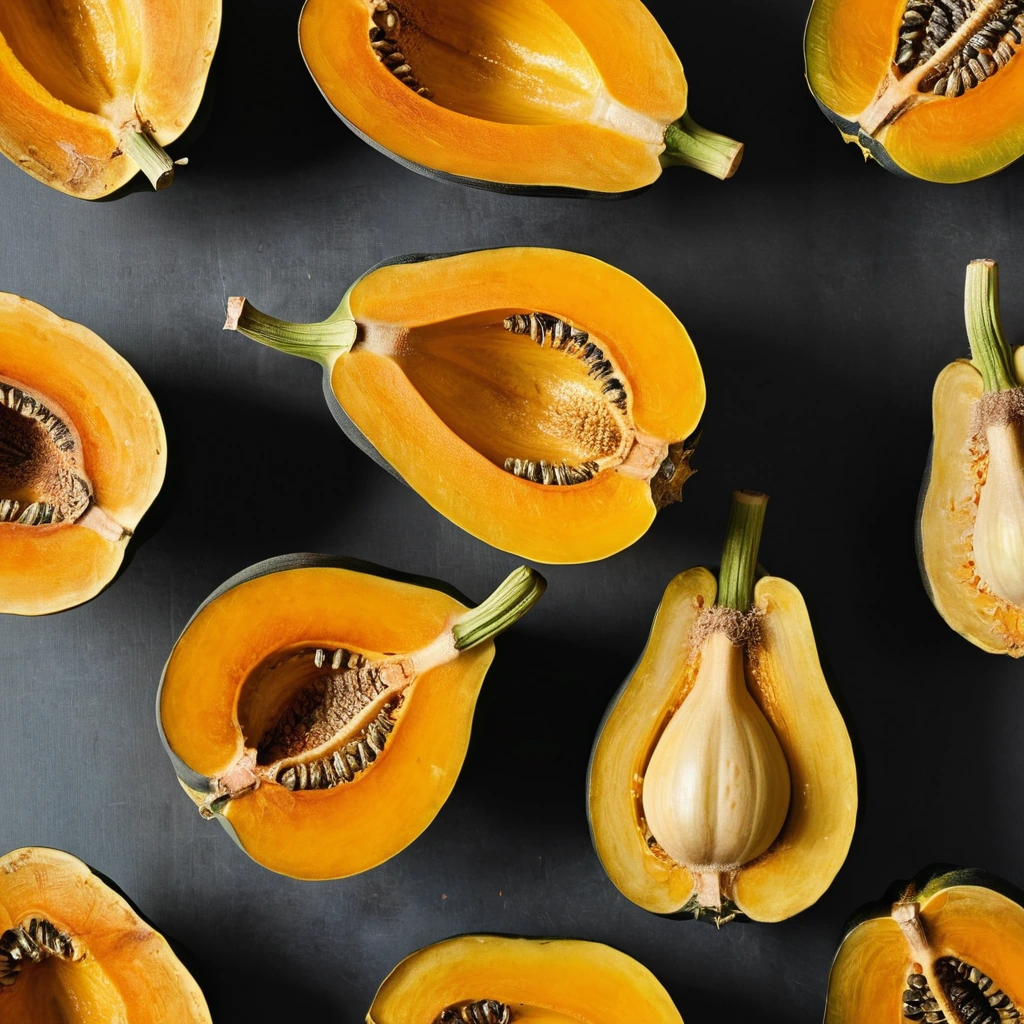
Acorn Squash
Acorn squash is a winter squash variety known for its distinctive teardrop shape and deep ridges resembling the texture of an acorn shell. Originating in the Americas, it has been cultivated for centuries and is a staple in autumn cuisine. The flesh is sweet and nutty with a hint of earthiness, offering a delightful contrast to savory dishes. Its texture is dense yet tender when cooked, making it ideal for roasting or pureeing. In cooking, acorn squash holds its shape well and absorbs flavors from herbs and spices, enhancing both its taste and versatility in recipes.
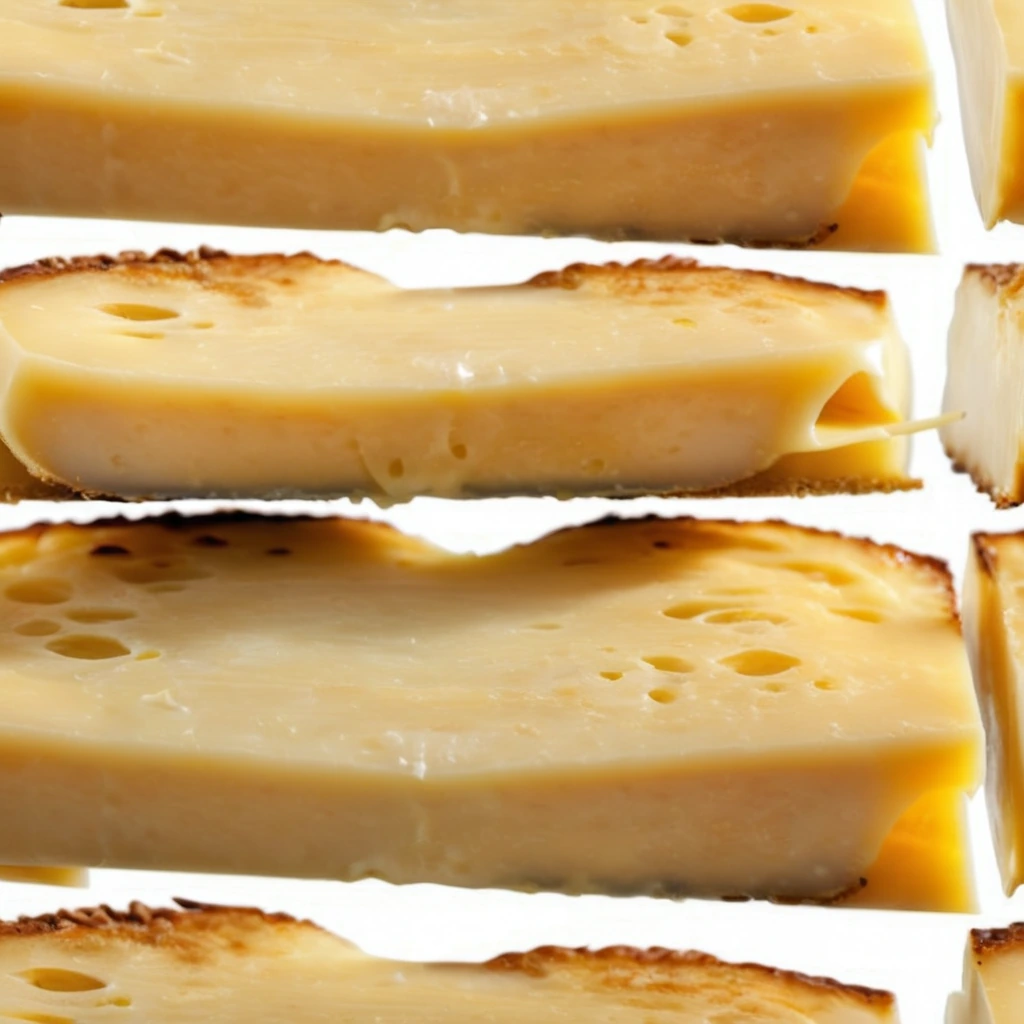
American Cheese Slices
Those iconic, perfectly pliable slices of creamy, mild American cheese. Each slice boasts a smooth, melt-in-your-mouth texture that brings comfort to any dish.