Seasoning: Degreasing and Defatting Sauces
Degreasing and defatting sauces is a crucial technique for achieving the perfect balance of flavor and texture in your dishes. When making sauces, especially those based on meat or poultry stocks, excess fat can rise to the surface and spoil the taste and mouthfeel. This technique involves carefully removing that fat without sacrificing the essence of the sauce. Understanding how to degrease and defat your sauces not only refines the final product but also contributes to healthier cooking. This guide will walk you through the science behind why fat separates, the best methods to remove it efficiently, and how to avoid common pitfalls. By mastering this technique, you'll elevate your culinary creations with professional finesse. First, we'll explore the science of fat separation, which is based on fat's lower density compared to water. As the sauce cools, fat solidifies and becomes easier to remove. Next, we'll delve into practical steps, ensuring clarity and precision in execution. Finally, we'll cover troubleshooting tips, including how to prevent emulsification that can complicate fat removal, and safe storage practices to maintain sauce quality.
Notes
The process of degreasing works because fat molecules are less dense than water, causing them to rise to the surface as the sauce cools. Solidification of fat at lower temperatures makes it easier to remove manually. Be cautious not to disturb the fat layer too much during removal to avoid re-emulsifying it into the sauce. A common mistake is attempting to defat a sauce while it's still hot; patience is key. To prevent emulsification, avoid whisking or stirring vigorously after the sauce has begun to cool. Store defatted sauces in airtight containers in the refrigerator for up to a week, or freeze for longer storage. Reheat gently to preserve texture and flavor.
Steps
- 1 Allow the sauce to cool slightly after cooking to stabilize its components.
- 2 Transfer the sauce to a fat separator or a wide, shallow container to encourage fat separation.
- 3 Let the sauce rest in the refrigerator for at least 1 hour to solidify the fat.
- 4 Observe the surface for the solidified fat layer, which should be distinct from the liquid.
- 5 Carefully skim off the solidified fat with a spoon or ladle.
- 6 Alternatively, use a fat separator to pour off the liquid while leaving the fat behind.
- 7 For a more thorough defatting, strain the sauce through a fine-mesh sieve lined with cheesecloth.
- 8 Reheat the sauce gently to restore its intended consistency and temperature.
- 9 Taste and adjust seasoning if necessary after defatting, as fat can carry flavor.
Ingredients to explore
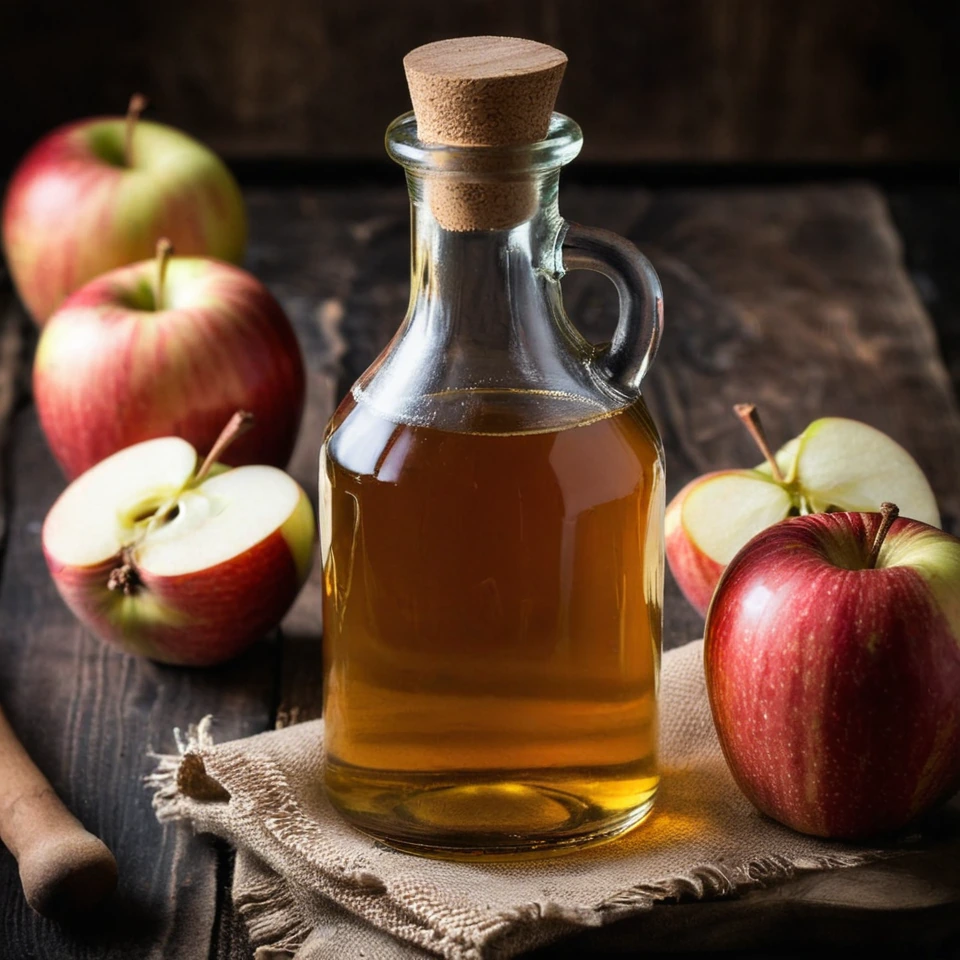
Apple Cider Vinegar
Apple cider vinegar is a type of vinegar made through the fermentation of apple cider, resulting in a tangy, slightly sweet liquid with a pale to medium amber color.
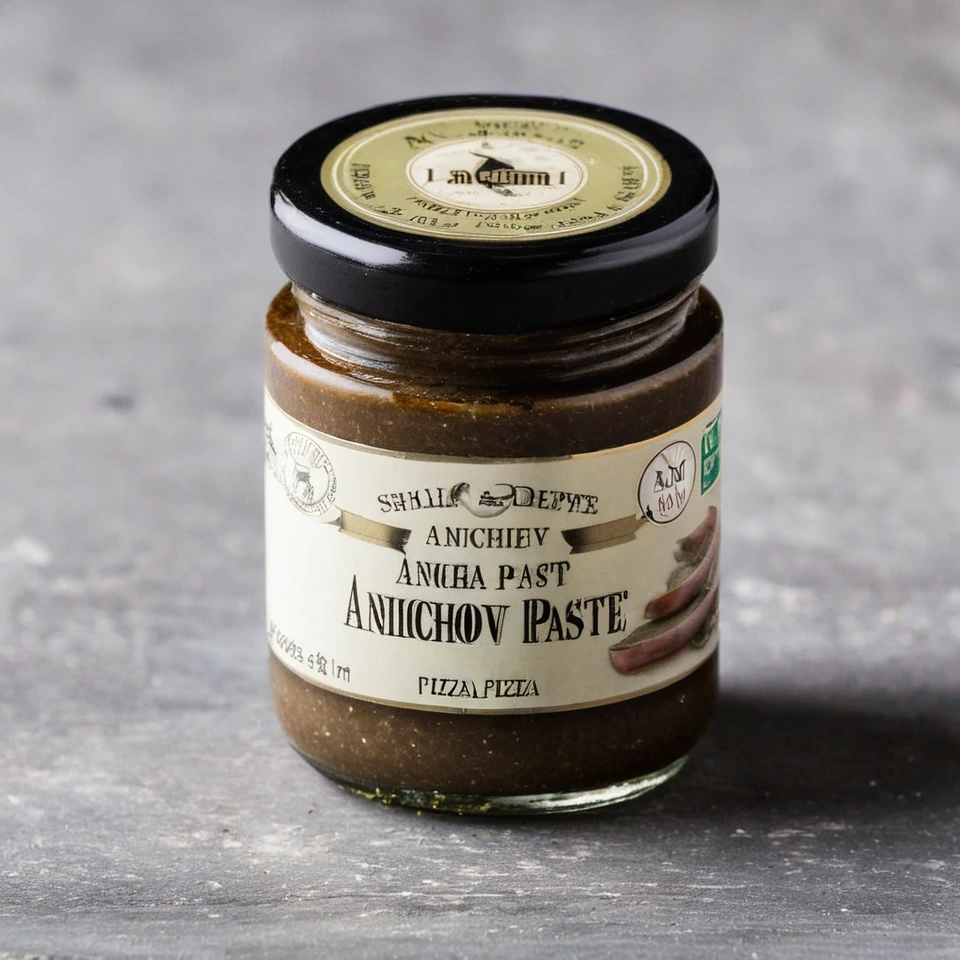
Anchovy Paste
Anchovy paste is a rich, salty spread made from finely ground anchovies, salt, and sometimes olive oil. It offers a deep umami flavor that enhances a variety of dishes.
Recipes to try
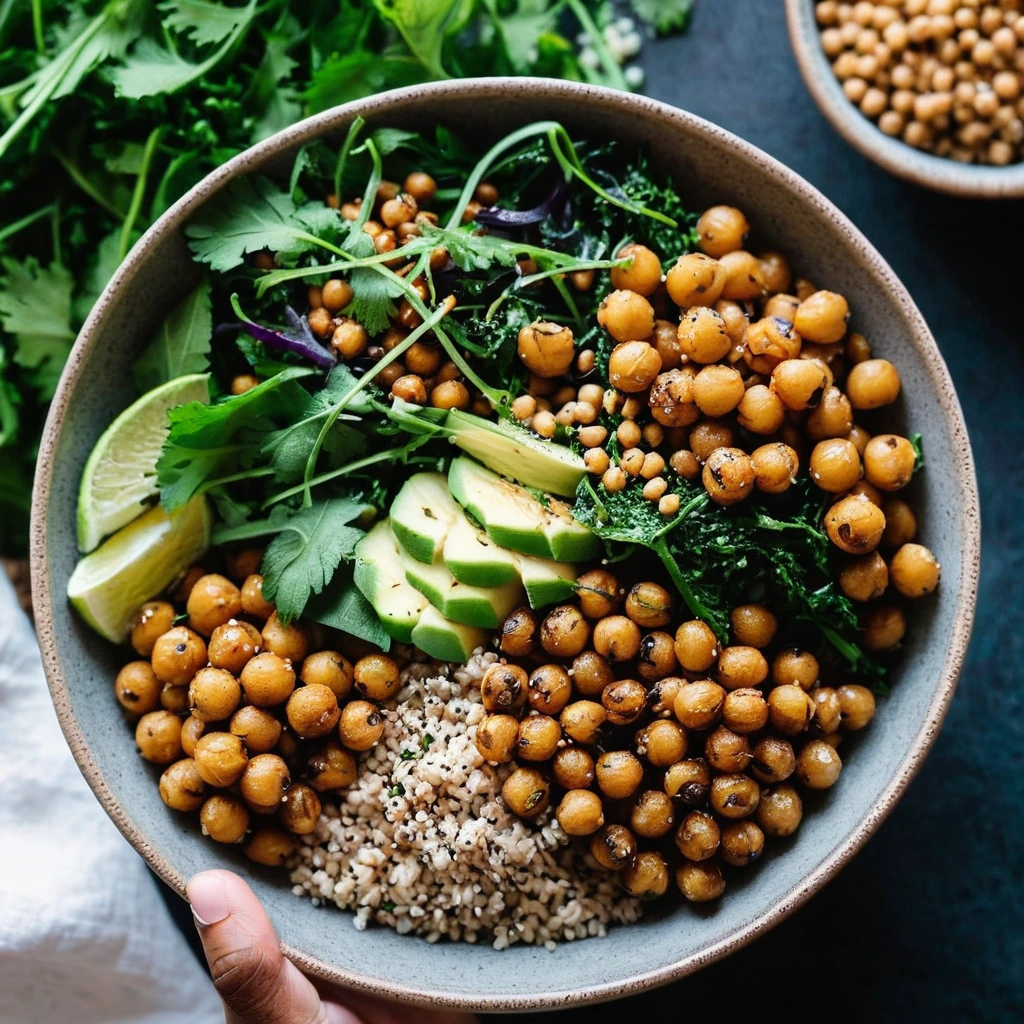
Spicy Sesame Roasted Chickpea Grain Bowls
Crispy, spicy chickpeas meet fluffy grains in a vibrant bowl that'll have your taste buds cheering for more.
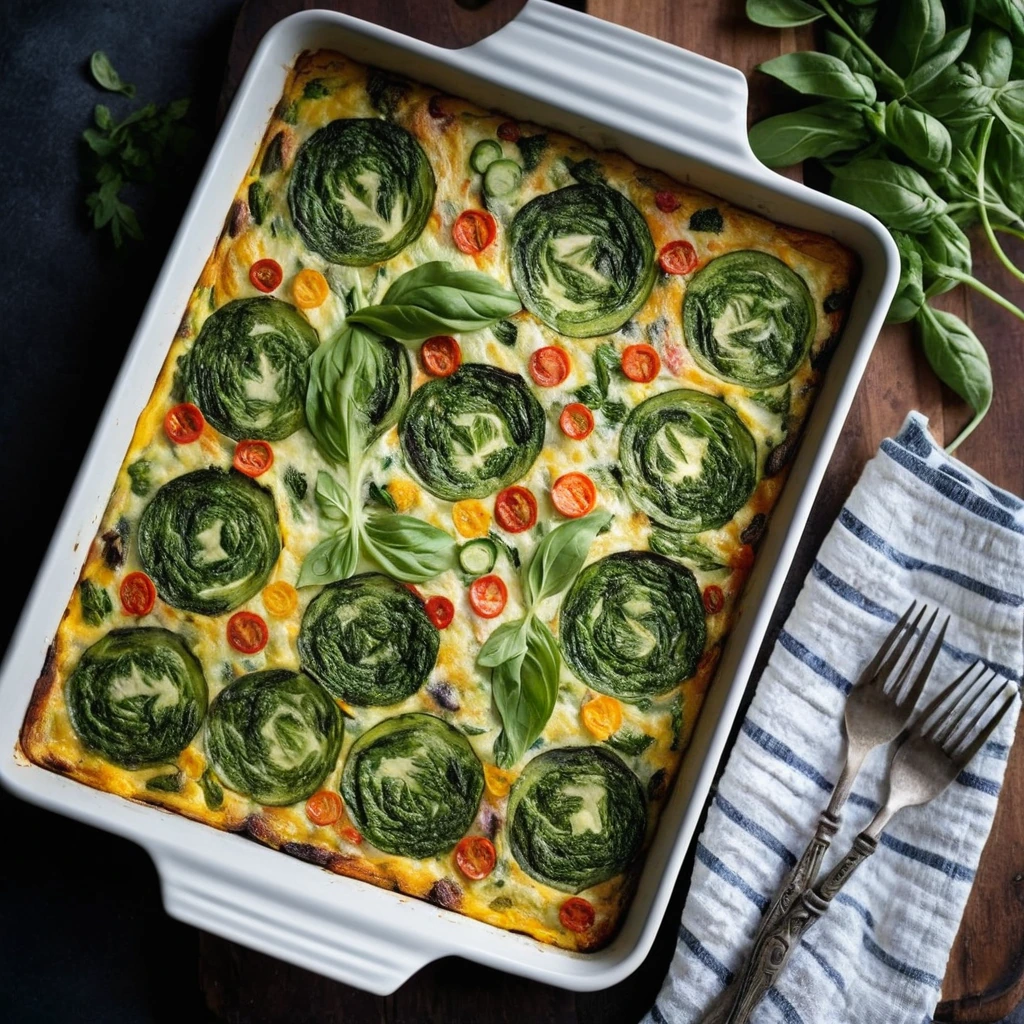
Veggie and Cheese Sheet Pan Frittata
Imagine a golden, bubbly frittata loaded with colorful veggies and melty cheese, all baked to perfection on a single sheet pan.