Seafood Technique: Seasoning and Flour-Dusting Fillets for Pan-Fry
Seasoning and flour-dusting fillets is a fundamental seafood technique that ensures a flavorful, golden-brown crust when pan-frying. This method not only enhances the taste but also creates a delightful texture contrast between the crispy exterior and tender interior. The key to success lies in proper seasoning and the right touch of flour to form a protective layer that seals in moisture. Understanding how to season and dust fillets correctly can elevate your home-cooked seafood dishes to restaurant quality. Begin by selecting fresh, high-quality fillets, ideally no more than an inch thick for even cooking. Pat them dry with paper towels to remove excess moisture, which can interfere with browning. Season generously with salt and pepper, or your preferred spice blend, to enhance the natural flavors. The flour acts as a vehicle for seasonings and helps to create a barrier that promotes even browning and prevents sticking. This technique works well with delicate fish like cod, halibut, or sea bass, as well as firmer options like salmon or tuna. Achieving the perfect crust requires medium-high heat and a watchful eye to avoid burning. Mastering this technique will transform your seafood cooking, making it a go-to method for a quick yet impressive meal.
Notes
The science behind this technique lies in the Maillard reaction, where amino acids and sugars in the food react with heat to create complex flavors and browning. Ensuring the fillets are dry is crucial for this reaction to occur efficiently. A common mistake is overcrowding the pan, which lowers the temperature and results in steaming rather than frying. Always cook fillets in batches if necessary. Safety is key when handling hot skillets, so use oven mitts and be cautious of splattering oil. For make-ahead preparation, season and flour the fillets just before cooking. Store cooked fillets in an airtight container in the fridge for up to 2 days.
Steps
- 1 Select fresh fillets, no more than 1 inch thick.
- 2 Pat fillets dry with paper towels.
- 3 Season fillets generously with salt and pepper or desired spice blend.
- 4 Place flour in a shallow dish.
- 5 Lightly dust each fillet with flour, ensuring even coverage.
- 6 Gently shake off excess flour.
- 7 Heat a skillet over medium-high heat.
- 8 Add enough oil to coat the bottom of the skillet.
- 9 Once oil is shimmering, carefully place fillets in the skillet.
- 10 Cook for 3-4 minutes per side, or until golden brown.
- 11 Check for doneness by ensuring the flesh is opaque and flakes easily.
- 12 Remove fillets with a spatula and place on a paper towel-lined plate.
- 13 Let rest for 2 minutes before serving.
Ingredients to explore
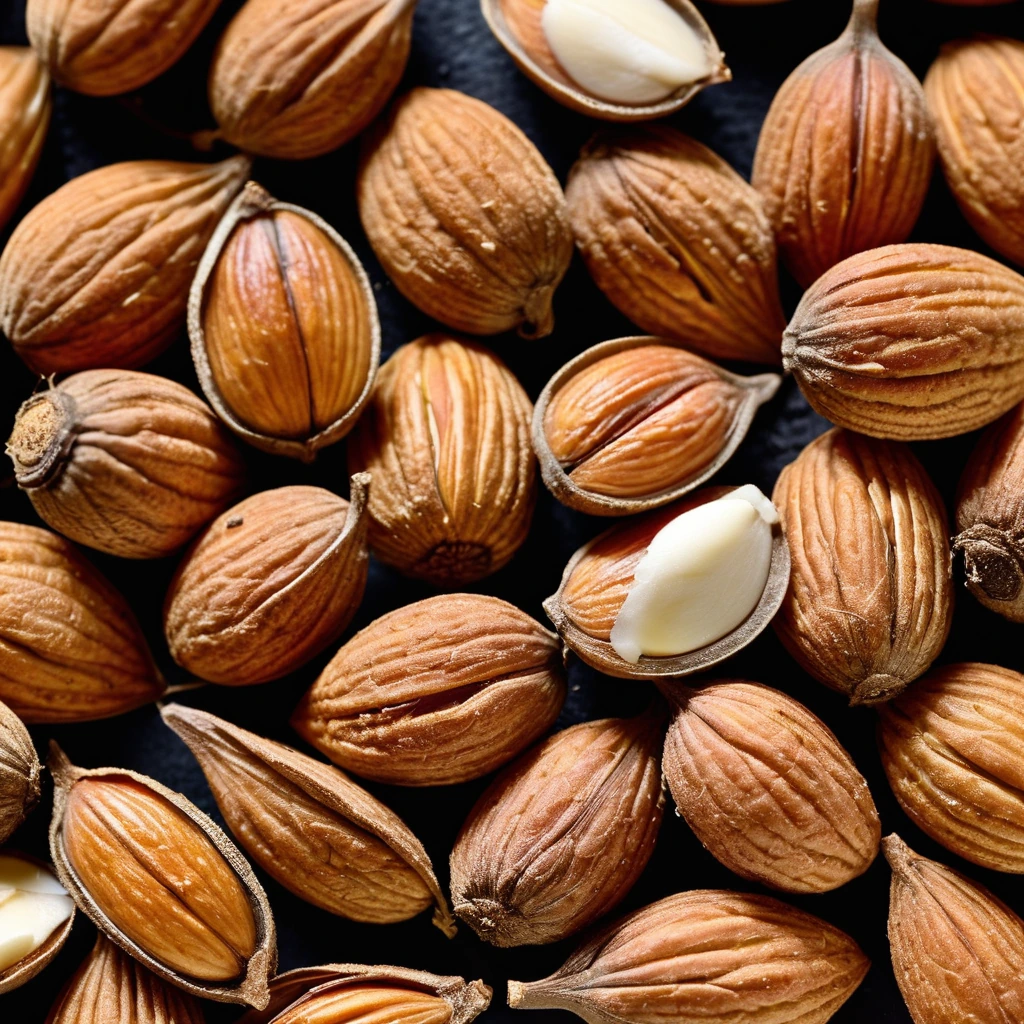
Almond Extract
A fragrant, golden elixir that captures the essence of freshly ground almonds, almond extract is a pantry staple that brings a rich, nutty aroma to your culinary creations.
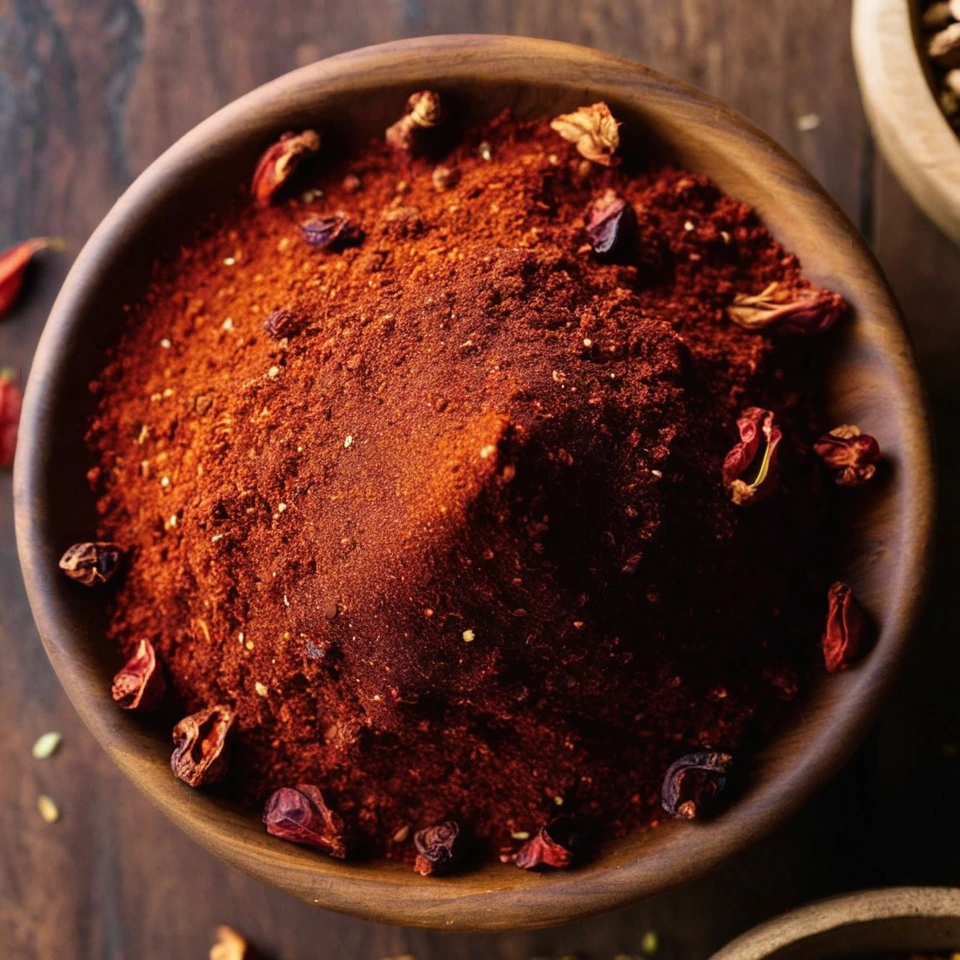
Aleppo Pepper
Aleppo pepper offers a harmonious balance of heat and sweetness, with a subtle fruity aroma reminiscent of sun-dried tomatoes and currants. Originating from the region around Aleppo, Syria, it has a fine, slightly coarse texture that shatters easily between fingers. Its mild yet complex flavor profile makes it a prized seasoning for enhancing dishes without overwhelming them. Valued for its versatility, it bridges the gap between spice and seasoning, bringing a touch of warmth and depth to a variety of cuisines.
Recipes to try
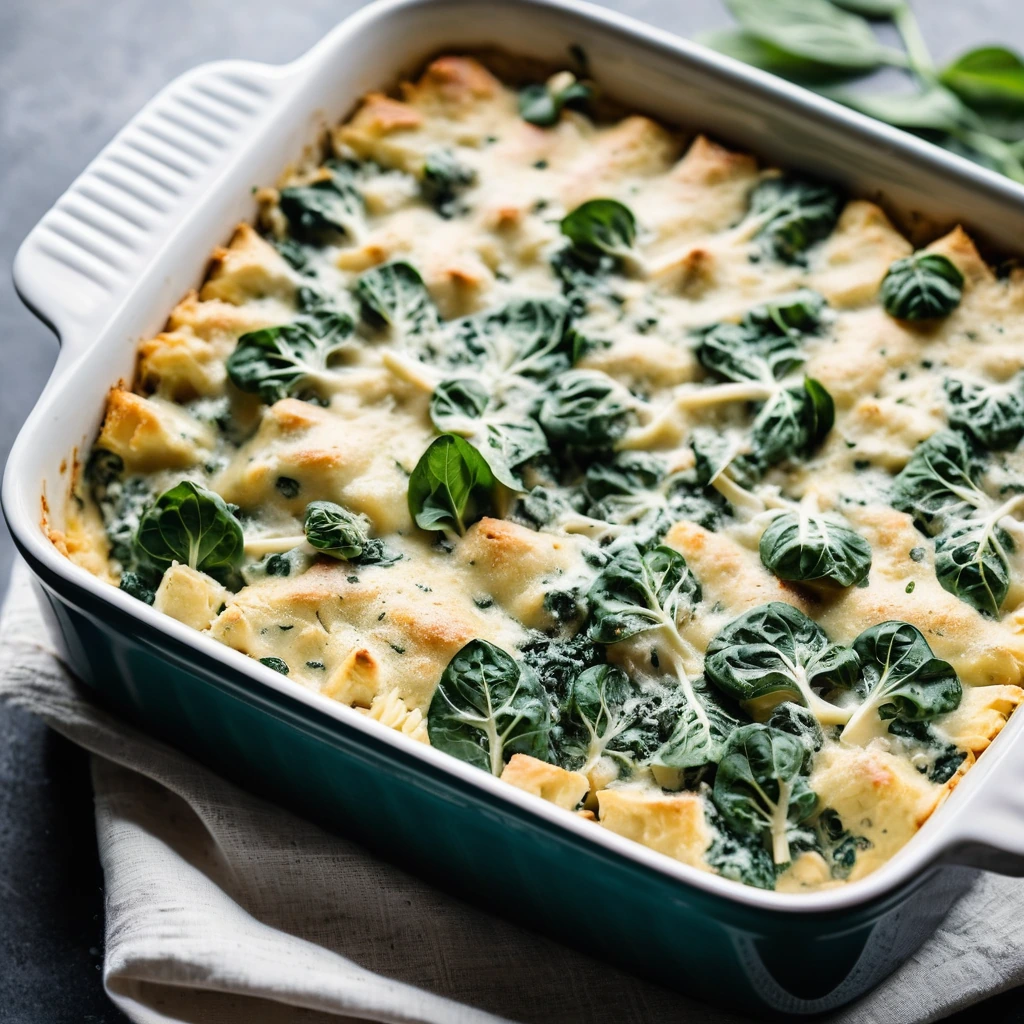
Spinach and Artichoke Chicken Casserole
Creamy, cheesy, and packed with tender chicken, this casserole is a cozy hug in a baking dish.
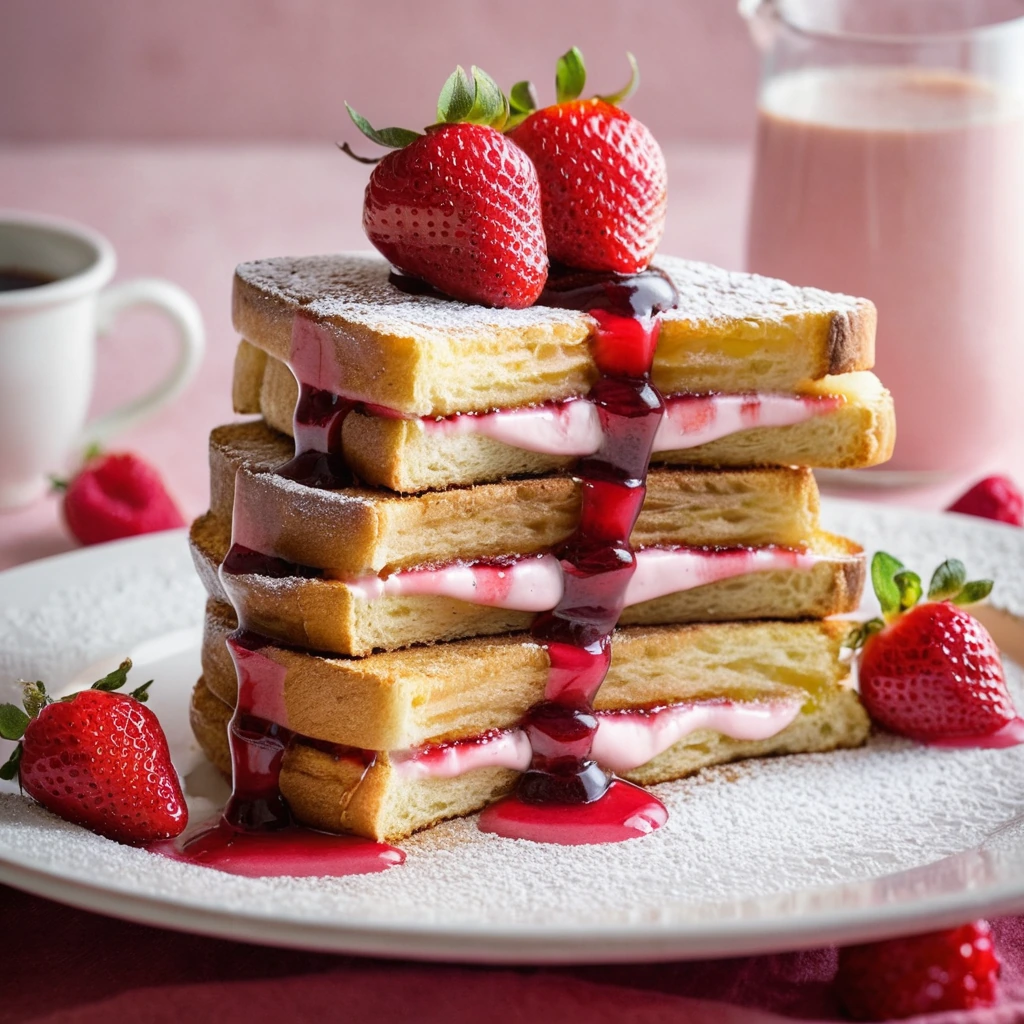
Strawberry Cream Cheese Stuffed French Toast
Imagine warm, golden French toast stuffed with a tangy cream cheese and sweet strawberry surprise – breakfast just got a gourmet upgrade.