Seafood Technique: Marinating Fish with Acid Without Over-Curing
Marinating fish with acid can elevate its flavor and texture, but it requires a delicate touch to avoid over-curing, which can result in a tough, unappealing dish. This technique is all about harnessing the power of acids like lemon juice or vinegar to tenderize and infuse the fish with bright, zesty flavors without compromising its delicate structure. The key is understanding how acids interact with proteins and managing the marination time to perfection. We'll explore the science behind this process, the ideal acids to use, and how to balance flavors to create a harmonious marinade. Whether you're preparing ceviche, a citrus-marinated salmon, or a tangy fish dish, mastering this technique will give you the confidence to experiment with bold, refreshing flavors while preserving the integrity of your fish.
Notes
The science behind marinating fish with acid lies in the denaturation of proteins, which causes them to unwind and create a firmer texture. However, too much time in an acidic environment can lead to over-denaturation, resulting in a mushy or overly firm texture. To troubleshoot, always start with a shorter marination time and adjust based on the type and thickness of the fish. For safety, always marinate fish in the refrigerator to prevent bacterial growth. When storing marinated fish for later use, keep it in an airtight container in the fridge for up to 24 hours, though it's best consumed fresh.
Steps
- 1 Select a fresh, high-quality fish fillet suitable for marinating.
- 2 Cut the fish into even pieces to ensure uniform marination.
- 3 Prepare your marinade with a balance of acid (like lime or lemon juice), oil, and aromatics.
- 4 Use a 1:1 ratio of acid to oil to prevent overpowering the fish.
- 5 Add minced garlic, chopped cilantro, diced onions, or other desired seasonings.
- 6 Place the fish in a non-reactive bowl or zip-top bag.
- 7 Pour the marinade over the fish, ensuring all pieces are well-coated.
- 8 Marinate in the refrigerator for no longer than 30 minutes to avoid over-curing.
- 9 Gently toss the fish halfway through marination for even flavor distribution.
- 10 Remove the fish from the marinade and discard any remaining marinade.
- 11 Pat the fish dry with paper towels before cooking or serving.
- 12 Season with salt and pepper just before serving or cooking.
- 13 Serve immediately to enjoy the best texture and flavor.
Ingredients to explore
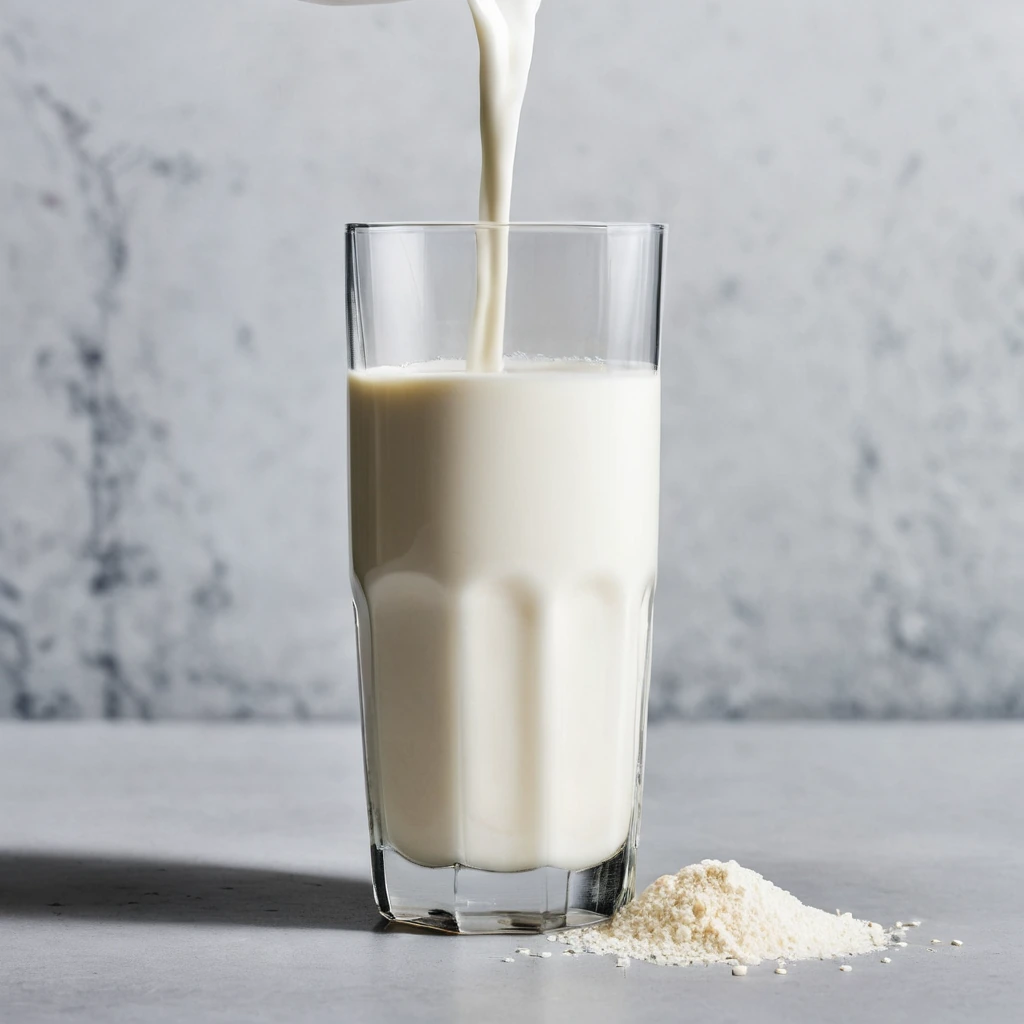
2% Milk
Creamy and just a touch lighter than whole milk, 2% milk offers a perfect balance of richness and reduced fat. Its smooth texture and subtle sweetness make it a delightful choice for sipping or cooking.
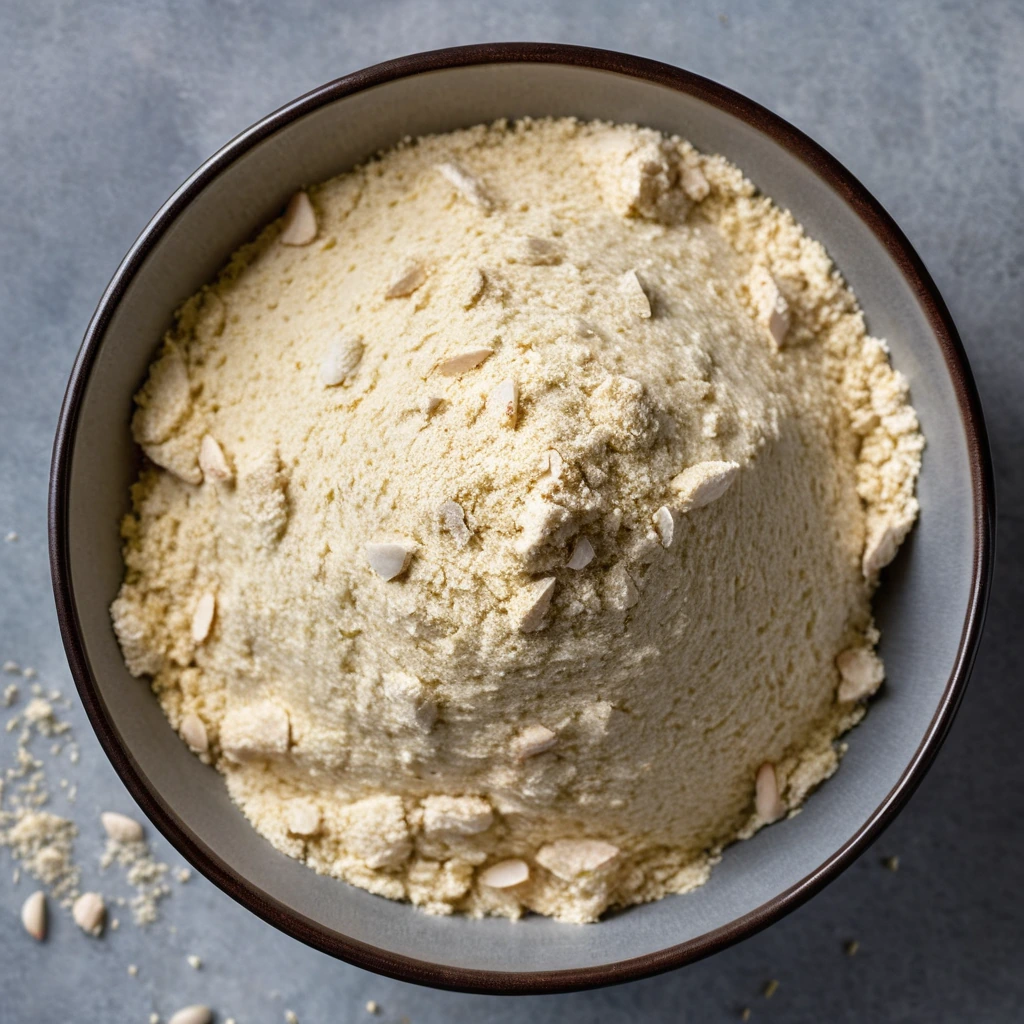
Almond Flour
A finely ground flour made from blanched almonds, offering a delicate nutty aroma and a tender crumb to your baked goods.
Recipes to try
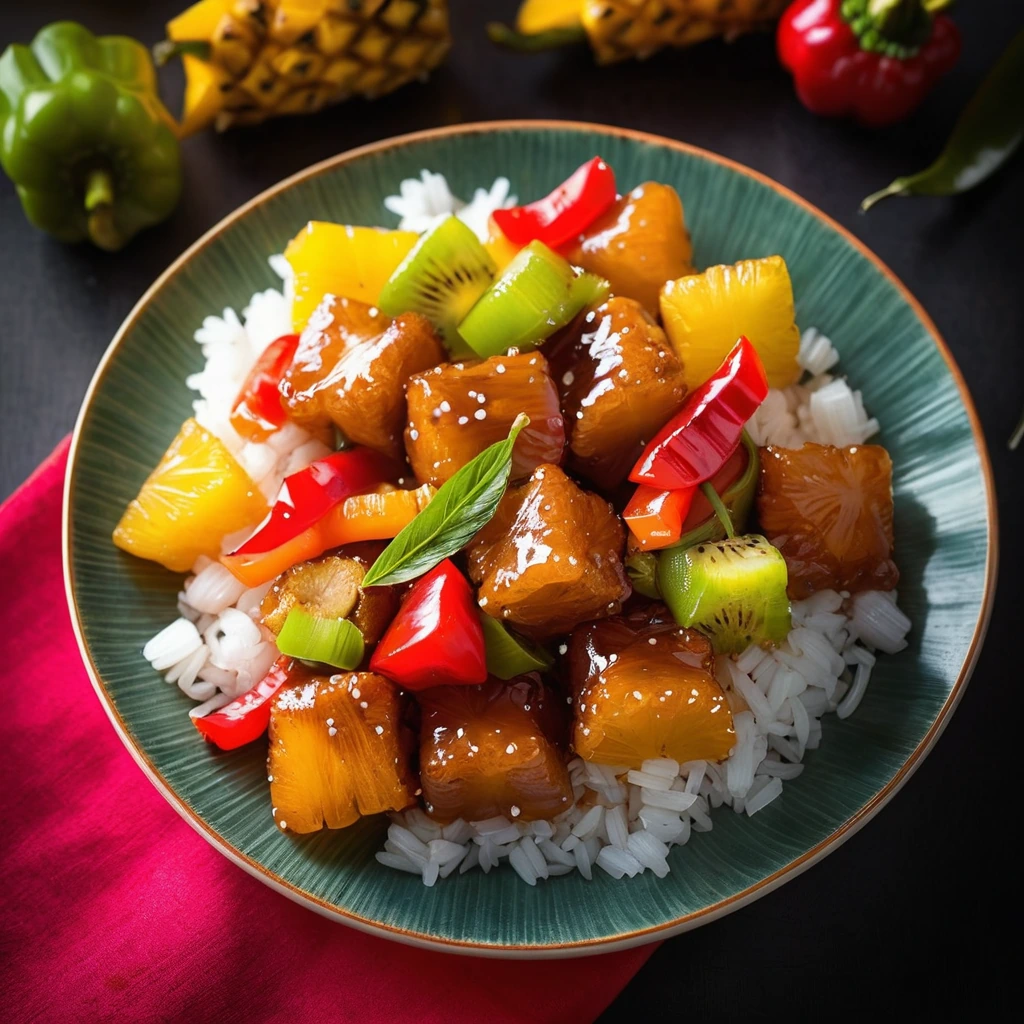
Sweet and Sour Pork with Pineapple and Peppers
Tangy, sweet, and a touch sour, this pork dish is a carnival of flavors with juicy pineapple chunks and crisp bell peppers.
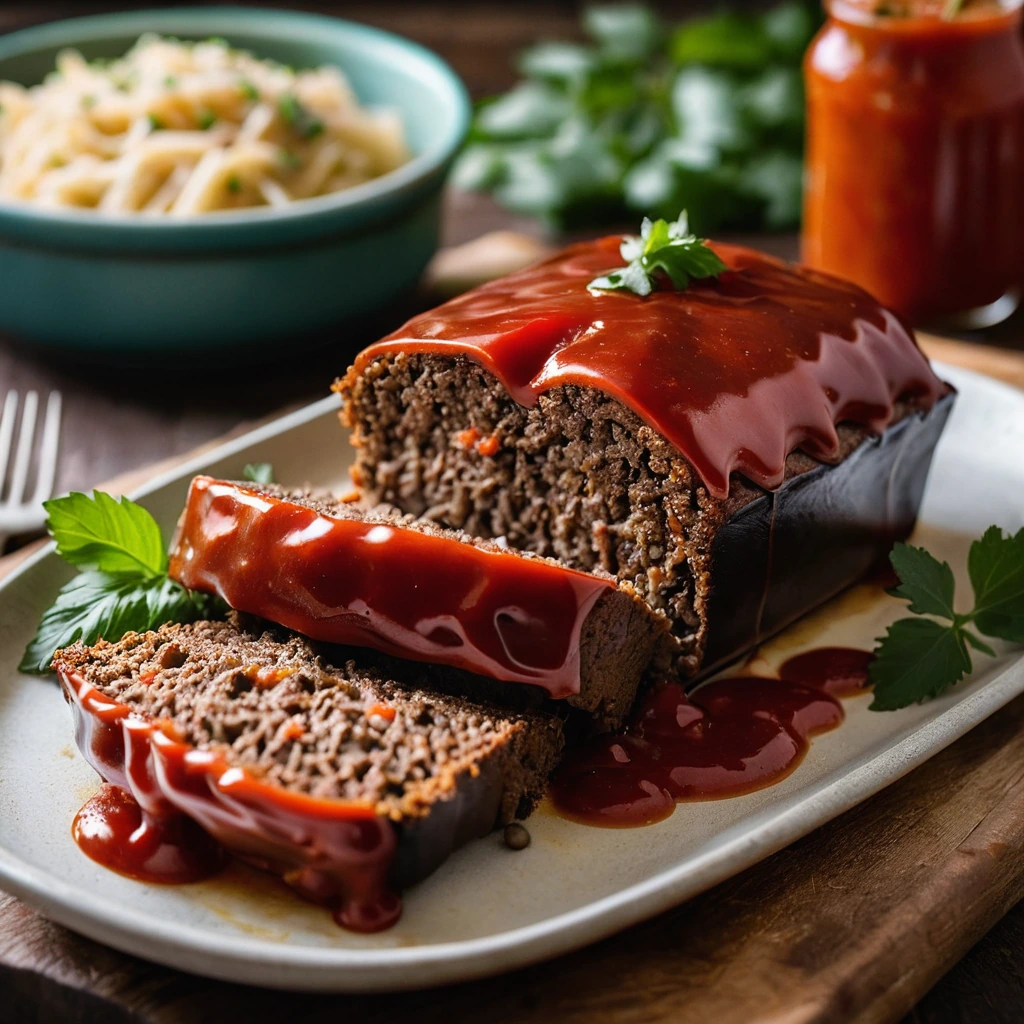
Pepper Jack Stuffed Meatloaf with Salsa Glaze
A savory meatloaf stuffed with gooey pepper jack cheese and topped with a tangy, zesty salsa glaze that'll have your taste buds doing a happy dance.