Sauces: Salsa Verde - Raw vs Roasted
Salsa verde is a vibrant, tangy sauce that brings a fresh kick to any dish. The choice between raw and roasted salsa verde can dramatically change its flavor profile. Raw salsa verde is zesty and bright, with a crisp texture that highlights the natural vegetal notes of ingredients like tomatillos and cilantro. Roasted salsa verde, on the other hand, offers a deeper, smokier flavor, with a softer texture that melds the ingredients together into a harmonious blend. This guide dives into both methods, helping you decide which version best suits your culinary needs. We'll explore the nuances of each technique, from selecting the freshest ingredients to achieving the perfect balance of heat and acidity. Whether you're a fan of the raw, invigorating bite or prefer the smoky complexity of roasted salsa, mastering both methods will elevate your cooking game. Understanding the science behind each technique will also help troubleshoot common issues, ensuring your salsa verde turns out perfect every time.
Notes
The raw method preserves the vibrant color and crisp texture of the ingredients, ideal for those who appreciate a fresh, zesty flavor. Roasting caramelizes the natural sugars in tomatillos and peppers, creating a richer, smokier taste. To avoid a bitter taste, ensure tomatillos are ripe and fully green. Be cautious with roasting times to prevent burning, which can lead to a bitter salsa. For storage, keep salsa verde in an airtight container in the refrigerator for up to a week. Both versions can be made ahead, but roasting does require planning due to oven use.
Steps
- 1 Select firm, green tomatillos and rinse off their papery husks.
- 2 For raw salsa, finely chop tomatillos, jalapeños, cilantro, onion, and garlic.
- 3 Combine chopped ingredients in a bowl with lime juice and salt to taste.
- 4 For roasted salsa, preheat oven to 400°F.
- 5 Place tomatillos and jalapeños on a baking sheet and roast for 20-25 minutes until charred.
- 6 Remove from oven and let cool before transferring to a blender.
- 7 Blend roasted ingredients with cilantro, onion, garlic, lime juice, and salt until smooth.
- 8 Taste and adjust seasoning, adding more lime juice or salt as needed.
Ingredients to explore

Anaheim Peppers
Anaheim peppers are a mild chili pepper variety named after Anaheim, California, where they were first cultivated commercially. Originating from the New Mexico region, these peppers are celebrated for their versatility and gentle heat. They possess a flavor that is mildly sweet with a subtle tang, and a pleasant vegetal note reminiscent of green bell peppers, but with a hint of spice. Their texture is firm and crisp when fresh, becoming tender and slightly smoky when roasted or cooked. In cooking, Anaheim peppers behave well across a range of techniques, from grilling and roasting to stuffing and sautéing, contributing a nuanced depth without overwhelming other ingredients with heat.
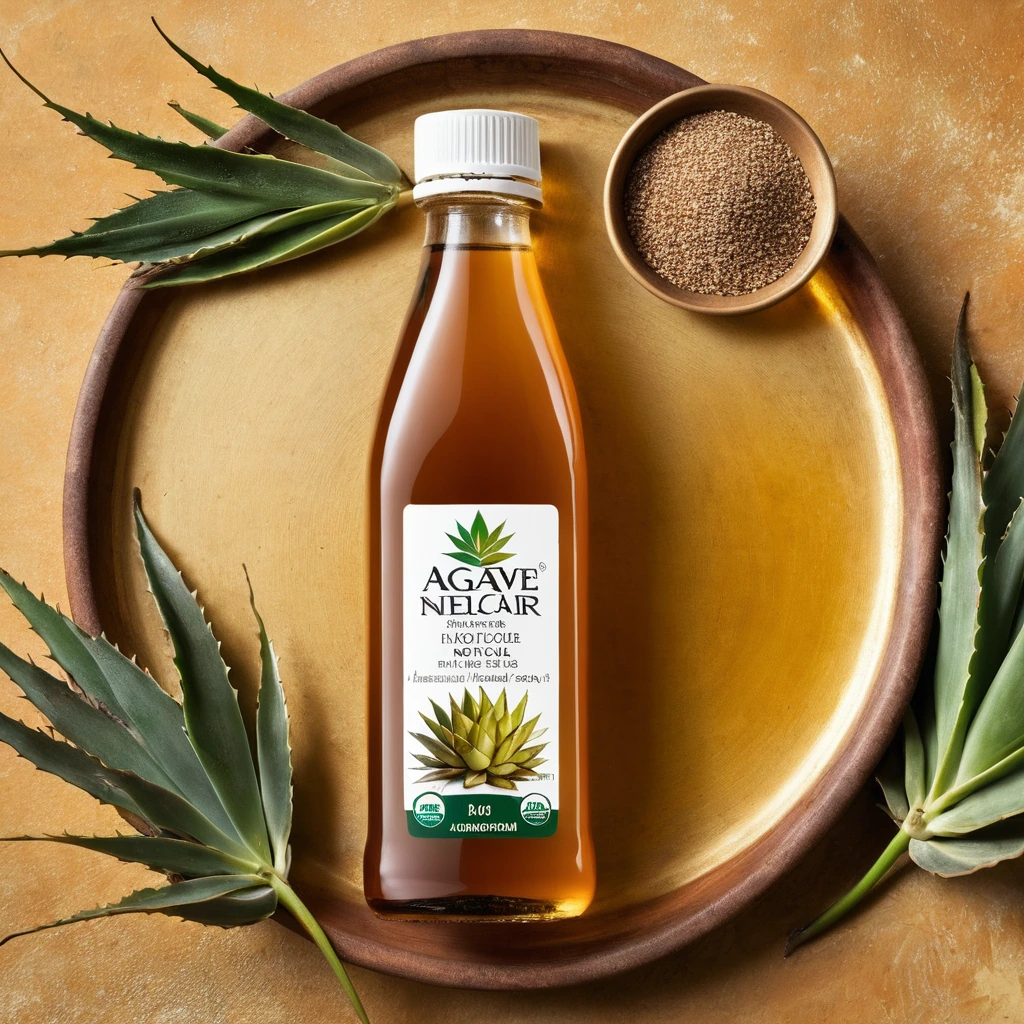
Agave Nectar
A golden, velvety sweetener derived from the agave plant, offering a subtly sweet flavor with a smooth, syrup-like texture.
Recipes to try
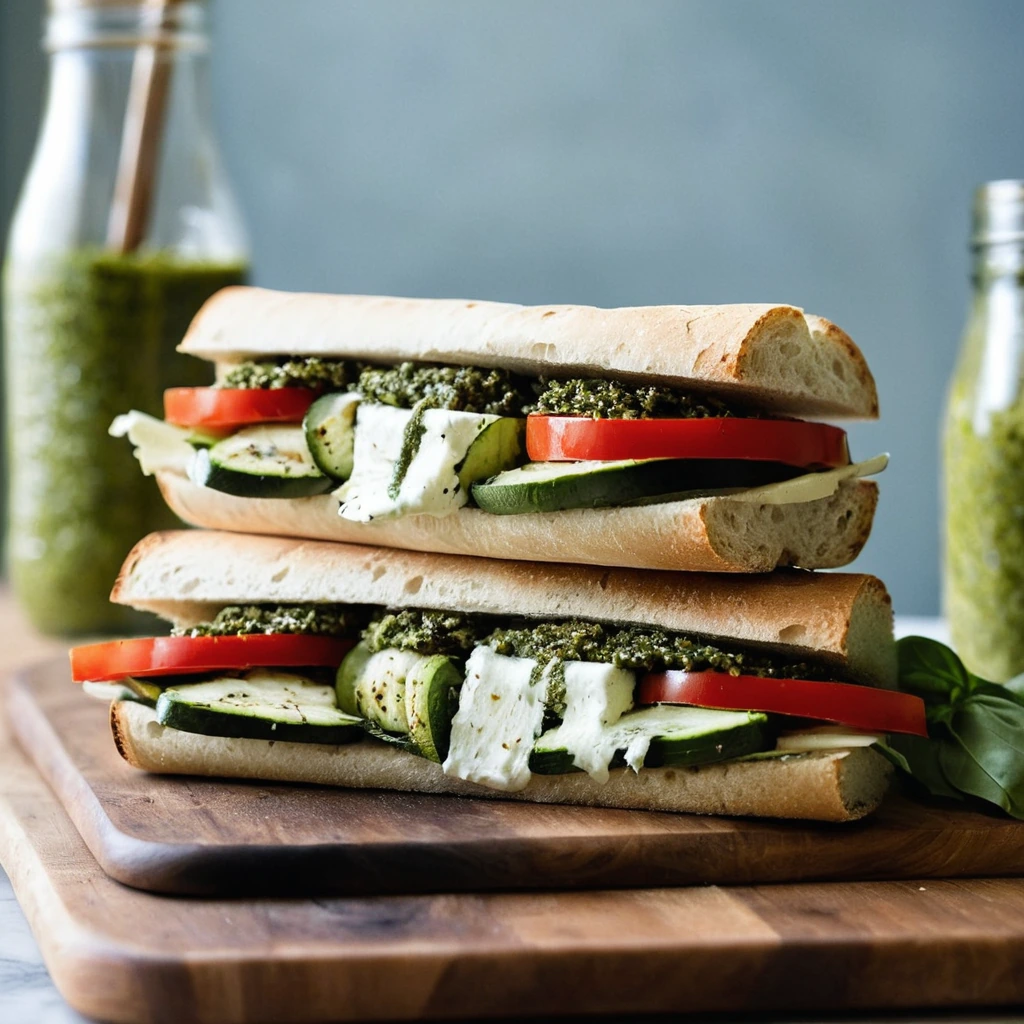
Pesto Roasted Veggie Sandwiches with Mozzarella
Warm, toasty ciabatta cradles a medley of roasted veggies, vibrant pesto, and melty mozzarella for a sandwich that's as hearty as it is fresh.

Sausage, Pepper, and Onion Hoagies
Juicy Italian sausages nestled in soft hoagie rolls with a sweet and smoky medley of peppers and onions.