Sauces: Pesto Mortar and Pestle Technique
Creating pesto with a mortar and pestle is a time-honored technique that brings out the vibrant flavors and textures of fresh herbs, nuts, and olive oil. Unlike a food processor, which can turn ingredients into a smooth paste, the mortar and pestle method allows you to control the coarseness and release essential oils gradually for a more aromatic and nuanced sauce. This technique is perfect for basil pesto but can be adapted to other herb combinations like parsley, cilantro, or arugula. The key to success is understanding how to properly crush and blend ingredients to achieve the right balance of textures and flavors. By following this method, you’ll unlock the full potential of your herbs and nuts, creating a pesto that’s bursting with freshness and complexity. The rhythmic motion of grinding with a pestle is almost meditative, making the process as enjoyable as the end result. Additionally, this technique is a fantastic way to connect with traditional culinary methods, giving you a deeper appreciation for the craft of cooking.
Notes
The mortar and pestle technique works by breaking down cell walls of herbs and nuts, releasing their essential oils and flavors. This gradual process ensures a more vibrant and aromatic pesto compared to machine methods. Common mistakes include overloading the mortar, which can make grinding difficult; work in batches if needed. Ensure your ingredients are dry to avoid diluting the flavors. For storage, transfer your pesto to an airtight container and cover the surface with a thin layer of olive oil to prevent oxidation. It can be refrigerated for up to 5 days or frozen for up to 3 months.
Steps
- 1 Toast 1/2 cup pine nuts in a dry skillet over medium heat until golden brown, about 3-4 minutes.
- 2 Allow pine nuts to cool completely before use.
- 3 Add 2 cups fresh basil leaves to the mortar, tearing them into smaller pieces.
- 4 Crush the basil with the pestle using a circular motion until it becomes a coarse paste.
- 5 Add the toasted pine nuts to the mortar and grind them into the basil until well combined.
- 6 Add 2 cloves of minced garlic to the mixture and continue grinding until incorporated.
- 7 Slowly drizzle in 1/2 cup extra virgin olive oil while continuously grinding to form a thick sauce.
- 8 Add 1/4 cup grated Parmesan cheese and 1 tablespoon lemon juice.
- 9 Grind all ingredients together until you achieve your desired consistency.
- 10 Taste and adjust seasoning with salt and pepper as needed.
Ingredients to explore

American Cheese Slices
Those iconic, perfectly pliable slices of creamy, mild American cheese. Each slice boasts a smooth, melt-in-your-mouth texture that brings comfort to any dish.
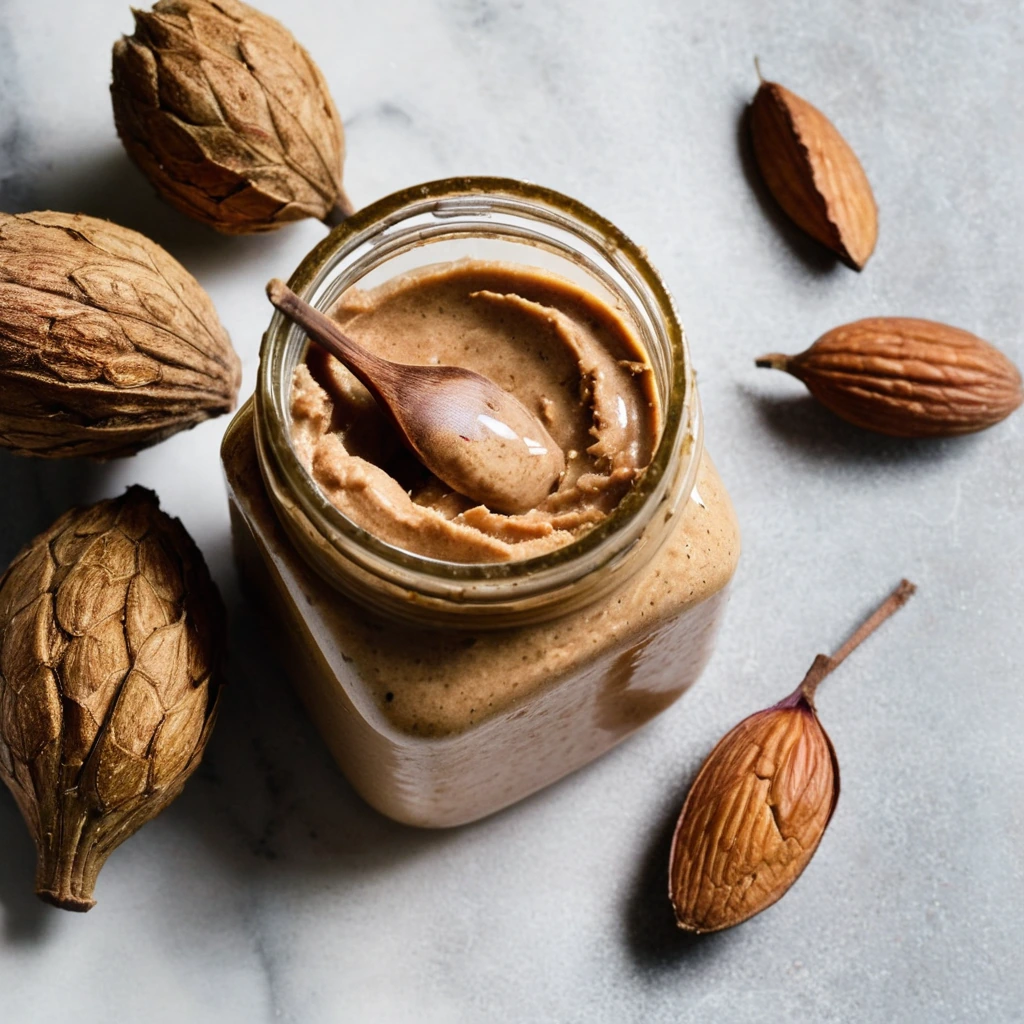
Almond Butter
A velvety, nutty spread crafted from finely ground almonds, offering a rich and satisfying flavor that's both comforting and indulgent.
Recipes to try

One-Pot Tuscan White Bean and Pasta Stew
Warm up with this hearty stew where tender pasta mingles with creamy cannellini beans in a rich, garlicky tomato broth.

Sweet Chili Glazed Meatball Lettuce Wraps
Juicy meatballs cloaked in a sticky-sweet chili glaze, nestled in crisp lettuce cups for a flavor explosion with every bite.