Sauces: Building Flavors in Curry Pastes
Creating curry pastes is an art that transforms ordinary dishes into extraordinary culinary experiences. The heart of many beloved Southeast Asian dishes, curry pastes are complex flavor bombs that marry spices, aromatics, and herbs into a harmonious blend. The technique of building flavors in curry pastes involves understanding the balance of heat, sweetness, tanginess, and umami. It starts with selecting the right ingredients - fresh chilies, shallots, garlic, galangal, lemongrass, and kaffir lime leaves - and toasting spices like coriander, cumin, and fennel seeds for enhanced aroma. Grinding these ingredients into a smooth paste is crucial, as it releases their essential oils, intensifying the flavors. Cooking the paste in oil or fat is essential to unlock its full potential, allowing the raw edges to mellow and develop depth. The paste then forms the flavorful base for curries, soups, and marinades. Achieving the right consistency is key; too thick and it won’t disperse well, too thin and it may lack potency. Understanding how each ingredient contributes to the overall flavor profile is vital. Experimentation is encouraged, but always start with a reliable recipe to grasp the fundamentals. The journey of mastering curry paste creation is both rewarding and delicious, offering endless possibilities to tailor the flavor to personal taste. Whether you're making a fiery Thai green curry paste or a milder Indian curry paste, the process is a celebration of spices and technique.
Notes
The science behind building flavors in curry pastes lies in the Maillard reaction and the release of essential oils. Cooking the paste allows proteins and sugars to react, creating complex flavors. A common mistake is undercooking the paste, which can leave it tasting raw and harsh. Always ensure the oil separates from the paste to know it’s properly cooked. For storage, keep curry paste in an airtight container in the fridge for up to a week or freeze for longer storage. To troubleshoot, adjust the paste’s consistency by adding more oil or water, and balance flavors with a touch of sugar or lime juice if needed. Safety is important; always handle chilies with care to avoid skin irritation and wash hands thoroughly after use.
Steps
- 1 Toast coriander seeds, cumin seeds, and fennel seeds in a dry skillet over medium heat until fragrant, about 2-3 minutes.
- 2 Allow the toasted spices to cool completely before grinding them into a fine powder using a spice grinder or mortar and pestle.
- 3 Peel and roughly chop shallots, garlic, and fresh chilies.
- 4 Bruise lemongrass stalks and remove the outer layers, then finely chop the tender inner parts.
- 5 Peel and slice galangal and kaffir lime leaves into thin strips.
- 6 Combine all chopped ingredients and ground spices in a food processor or mortar and pestle.
- 7 Pulse or grind until a smooth paste forms, adding a tablespoon of oil or water if needed to aid the process.
- 8 Heat 2 tablespoons of oil in a pan over medium heat and cook the curry paste for 5-7 minutes, stirring constantly, until fragrant and oil separates.
Ingredients to explore
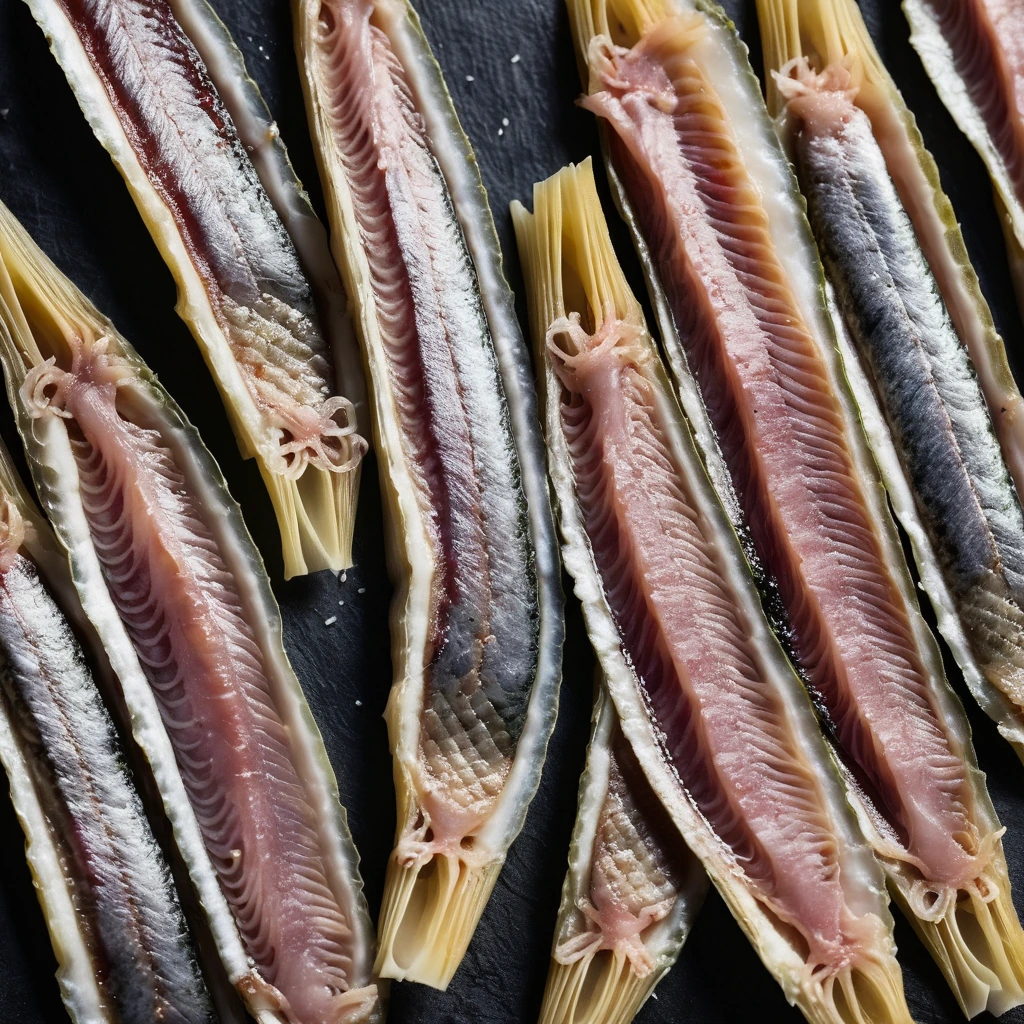
Anchovy Fillets
Silvery and succulent, anchovy fillets are a briny treasure from the sea. Their rich, umami flavor adds depth to dishes, making them a beloved ingredient in kitchens worldwide.
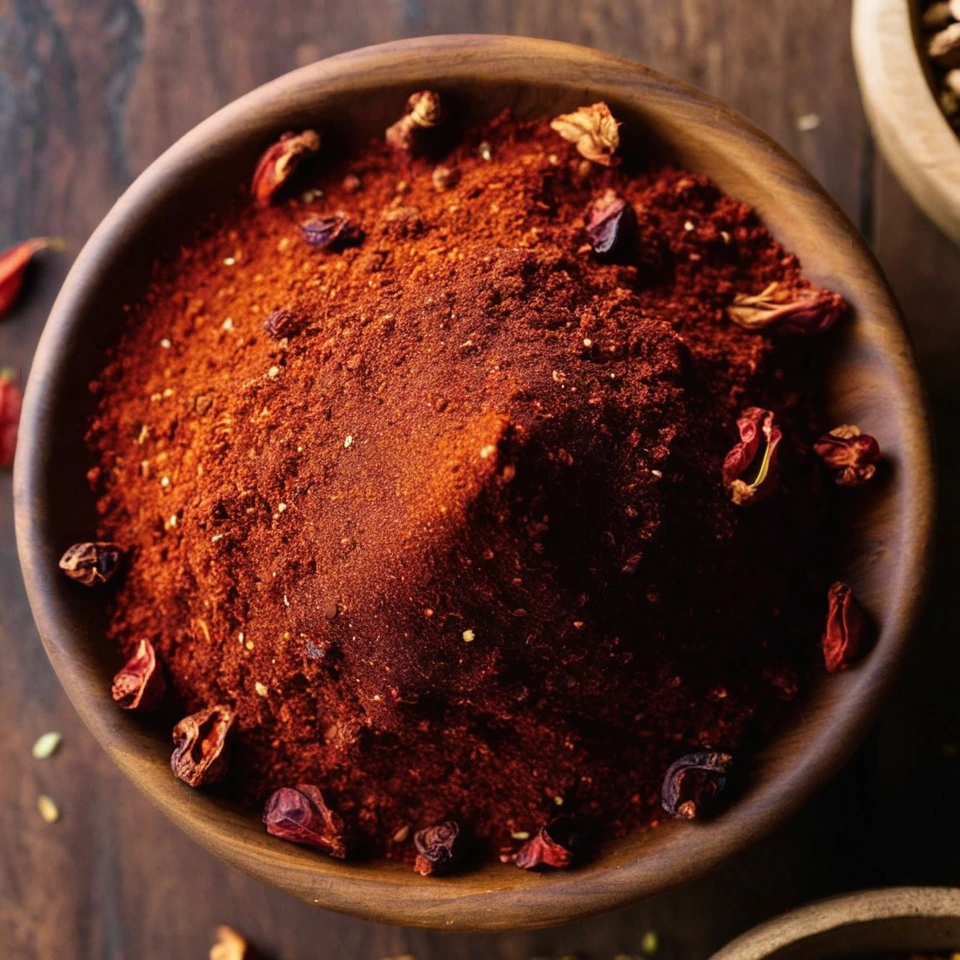
Aleppo Pepper
Aleppo pepper offers a harmonious balance of heat and sweetness, with a subtle fruity aroma reminiscent of sun-dried tomatoes and currants. Originating from the region around Aleppo, Syria, it has a fine, slightly coarse texture that shatters easily between fingers. Its mild yet complex flavor profile makes it a prized seasoning for enhancing dishes without overwhelming them. Valued for its versatility, it bridges the gap between spice and seasoning, bringing a touch of warmth and depth to a variety of cuisines.
Recipes to try
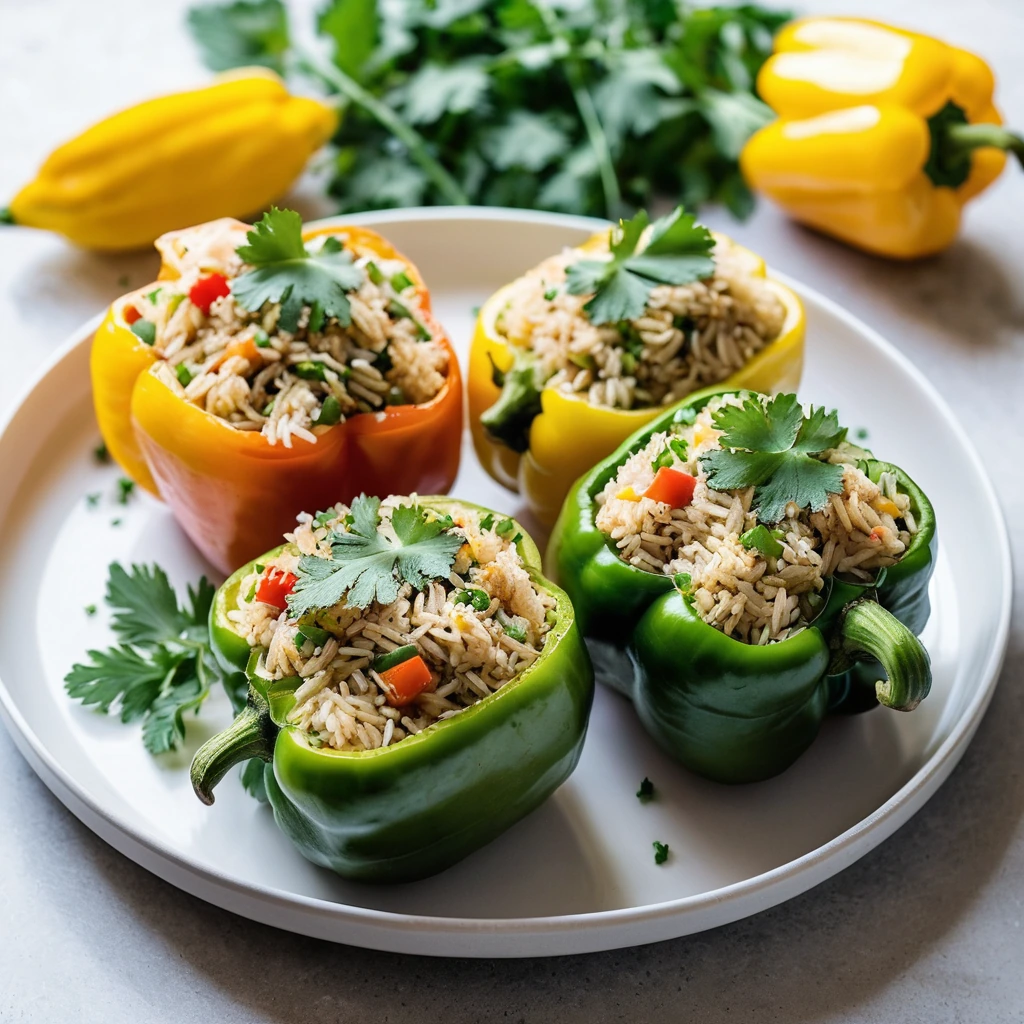
Lemon Garlic Chicken and Rice Stuffed Peppers
Bright and tangy lemon garlic chicken nestled in fluffy rice, all wrapped up in juicy bell peppers for a zesty comfort meal.
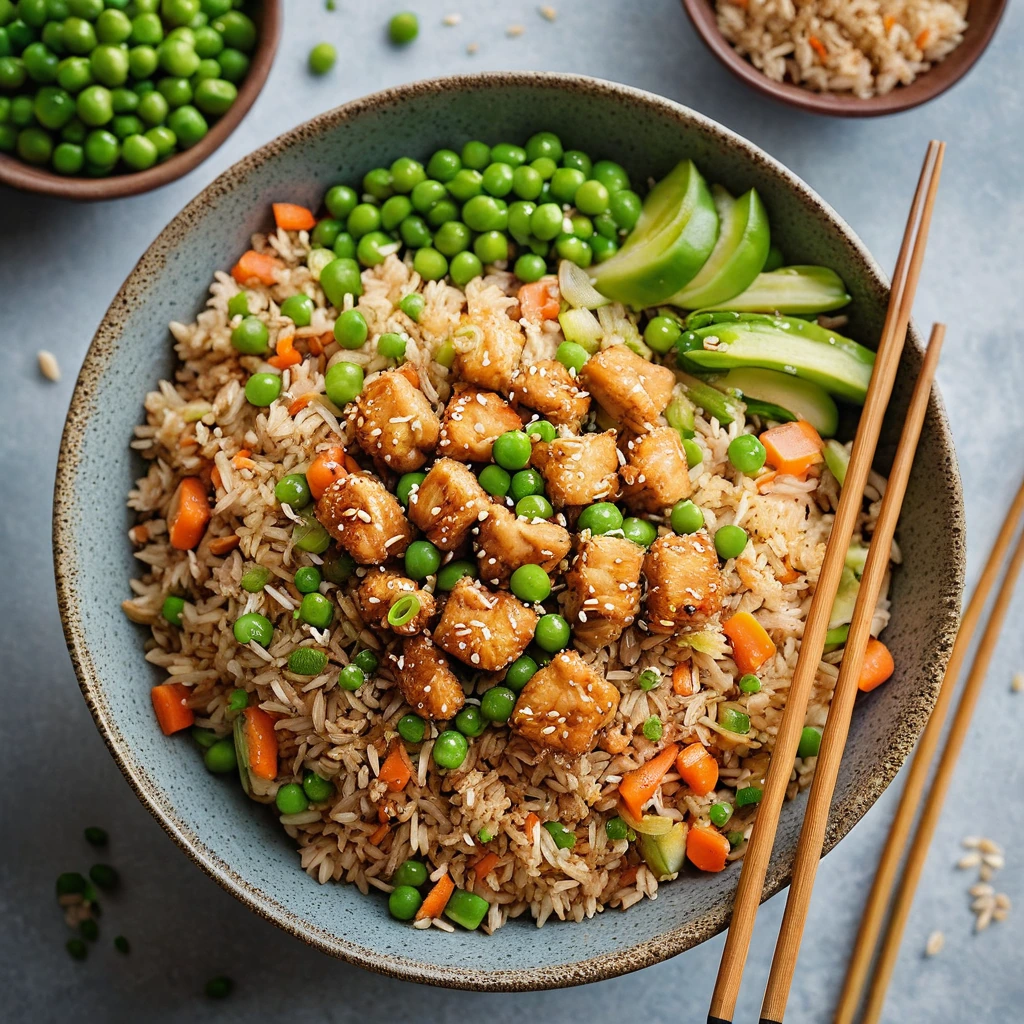
Sesame Chicken Fried Rice with Veggies
Savory fried rice packed with tender chicken, colorful veggies, and toasted sesame seeds for an irresistible nutty crunch.