Sauce Technique: Using Roasted Vegetables as a Sauce Base
Transforming roasted vegetables into a sauce base is a brilliant way to harness their natural sweetness and depth of flavor. The technique is surprisingly simple yet profoundly impactful, offering a versatile canvas for countless dishes. When vegetables are roasted, their sugars caramelize, creating layers of flavor that a raw base could never achieve. This technique works particularly well with hearty vegetables like tomatoes, bell peppers, onions, and eggplant. The process begins by selecting the right vegetables and roasting them to perfection. Once roasted, these vegetables are pureed into a smooth, rich sauce that can elevate everything from pasta to meats. The key to a successful sauce lies in understanding the roasting process, selecting the right vegetables, and knowing when to stop cooking to preserve the vibrant flavors. Additionally, incorporating aromatics, herbs, and spices during roasting or pureeing can further enhance the sauce’s complexity. This method not only maximizes flavor but also offers a creative outlet for utilizing seasonal produce. Whether you're aiming for a rustic Italian pasta sauce or a Middle Eastern-inspired dip, roasted vegetables provide an excellent foundation that is both nutritious and delicious. Let’s dive into the art of turning roasted vegetables into a versatile sauce base that will inspire your culinary creativity.
Notes
The science behind roasting vegetables is simple yet fascinating: heat caramelizes natural sugars, creating complex flavors. When selecting vegetables, aim for a mix of sweet and savory to balance the sauce. Troubleshooting common mistakes includes ensuring even roasting to avoid burnt or undercooked pieces and adjusting liquid amounts to achieve the right sauce consistency. Safety is key; always use oven mitts when handling hot baking sheets. For storage, let the sauce cool completely before refrigerating in an airtight container for up to 5 days, or freezing for up to 3 months. This technique is perfect for meal prep, as the sauce can be made ahead and stored until ready to use.
Steps
- 1 Preheat oven to 400°F.
- 2 Cut vegetables into uniform pieces for even roasting.
- 3 Toss vegetables with olive oil, salt, and pepper.
- 4 Spread vegetables in a single layer on a baking sheet.
- 5 Roast vegetables for 25-30 minutes, stirring once, until caramelized.
- 6 Allow vegetables to cool slightly before transferring to a blender or food processor.
- 7 Puree roasted vegetables until smooth, adding broth or water as needed for desired consistency.
- 8 Season sauce with additional salt, pepper, herbs, or spices to taste.
- 9 Simmer sauce in a saucepan over low heat for 10-15 minutes to meld flavors.
- 10 Adjust seasoning before serving.
Ingredients to explore
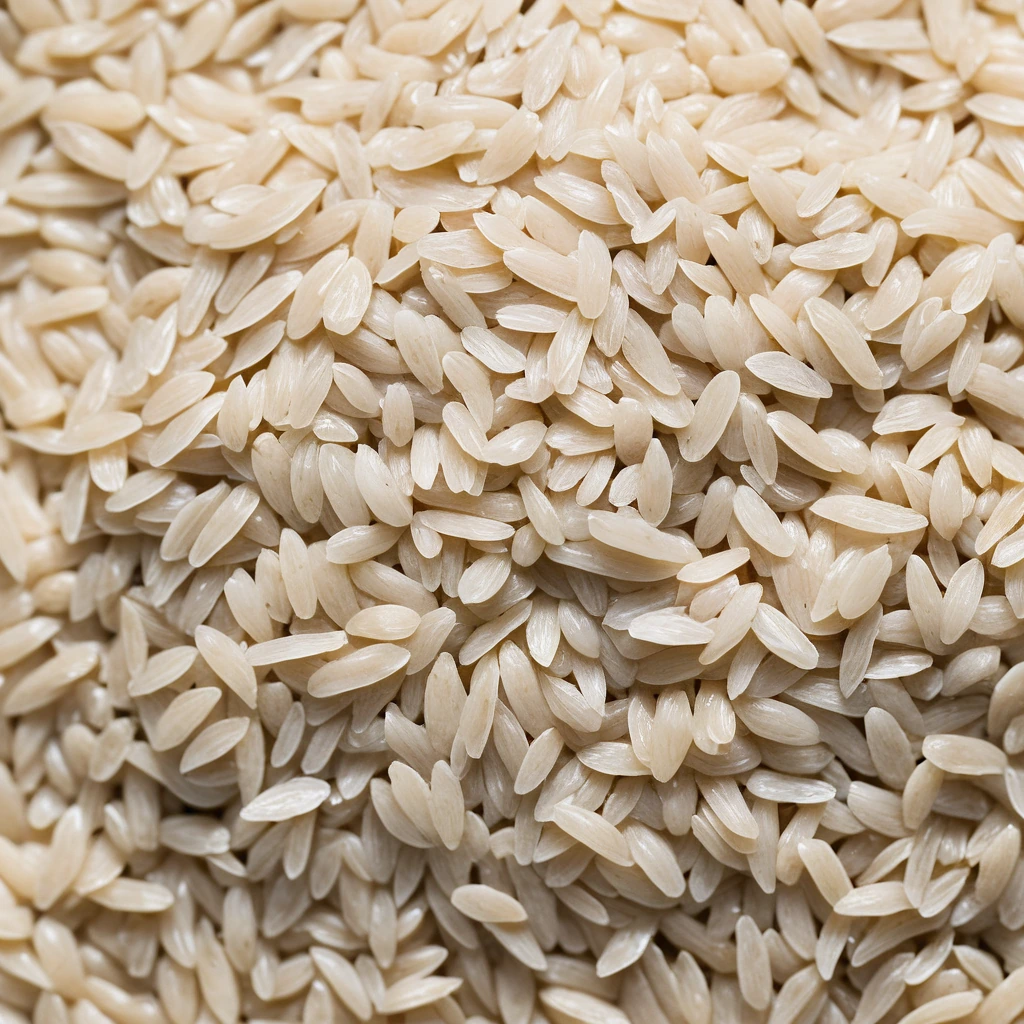
Arborio Rice
Arborio rice is a short-grain Italian rice variety renowned for its use in risotto. Originating from the Po Valley in Northern Italy, it is a staple in Italian cuisine. Its flavor is mild and nutty, with a pleasant creamy texture when cooked due to its high amylopectin content, which releases starch and creates a velvety consistency. The grains remain plump and firm to the bite, offering a satisfying chewiness. In cooking, Arborio rice excels at absorbing flavors from broths and seasonings while maintaining its shape, making it ideal for dishes that require both creaminess and structure.
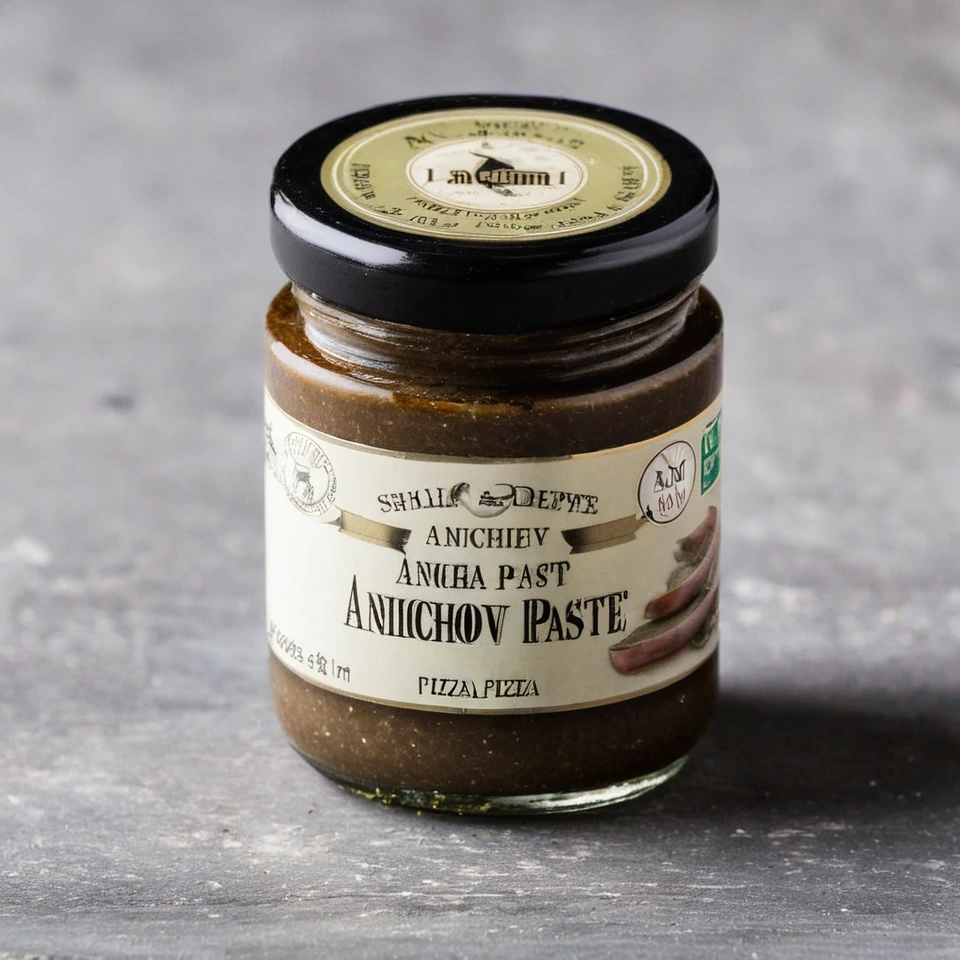
Anchovy Paste
Anchovy paste is a rich, salty spread made from finely ground anchovies, salt, and sometimes olive oil. It offers a deep umami flavor that enhances a variety of dishes.
Recipes to try

No-Bake Peanut Butter Oreo Pie
Creamy peanut butter dreams nestled in a crunchy Oreo crust, all without turning on the oven.

Peanut Butter Chocolate Chip Baked Oat Cups
These oat cups are a cozy hug in every bite, with gooey chocolate chips and a rich peanut butter swirl that makes mornings worth waking up for.