Sauce Technique: Using Fish Sauce Sparingly as a Salt Replacement
Creating a well-balanced sauce is an art, and understanding how to use fish sauce as a salt replacement is a game-changer. Fish sauce brings a unique umami flavor to dishes, enhancing depth without the need for additional salt. It's a staple in Southeast Asian cuisine, but its versatility extends far beyond traditional borders. Unlike table salt, fish sauce offers a complex flavor profile that includes savory, sweet, and tangy notes, making it a dynamic seasoning agent. When used sparingly, it can elevate sauces, soups, and marinades with just a few drops. However, its potent taste demands a delicate touch. Too much can overpower a dish, leaving an undesirable fishy aftertaste. Learning to harness the power of fish sauce requires an understanding of its intensity and how it interacts with other ingredients. Start by replacing a small portion of the salt in your recipe with fish sauce, then adjust to taste. This technique not only adds layers of flavor but also introduces a healthier alternative to sodium-heavy seasoning. Remember, quality fish sauce is essential; opt for brands made from high-quality anchovies for the best results. Balancing fish sauce in your cooking can transform ordinary dishes into extraordinary culinary experiences.
Notes
Fish sauce works as a salt replacement due to its high glutamic acid content, which provides umami. Its complexity means you'll use less, reducing sodium intake. Common mistakes include using too much fish sauce or selecting a low-quality product. Start with small amounts, as its flavor is potent. Be cautious of overheating, as prolonged exposure to high heat can intensify its fishy notes. For storage, keep fish sauce in a cool, dark place and it will last indefinitely, though it's best used within a year for peak flavor. Making ahead is ideal, as sauces seasoned with fish sauce often improve with time.
Steps
- 1 Start with a high-quality fish sauce for optimal flavor.
- 2 Determine the amount of salt called for in your recipe.
- 3 Replace up to half of the salt with an equal volume of fish sauce.
- 4 Add the fish sauce to your sauce base or marinade.
- 5 Simmer gently for a few minutes to allow flavors to meld.
- 6 Taste and adjust seasoning, adding more fish sauce sparingly if needed.
- 7 Balance the sauce with acidity, sweetness, or heat as required.
- 8 Finish the sauce with fresh herbs or aromatics if desired.
- 9 Allow the sauce to rest for at least 10 minutes before serving to let flavors settle.
Ingredients to explore

Anaheim Peppers
Anaheim peppers are a mild chili pepper variety named after Anaheim, California, where they were first cultivated commercially. Originating from the New Mexico region, these peppers are celebrated for their versatility and gentle heat. They possess a flavor that is mildly sweet with a subtle tang, and a pleasant vegetal note reminiscent of green bell peppers, but with a hint of spice. Their texture is firm and crisp when fresh, becoming tender and slightly smoky when roasted or cooked. In cooking, Anaheim peppers behave well across a range of techniques, from grilling and roasting to stuffing and sautéing, contributing a nuanced depth without overwhelming other ingredients with heat.
Aleppo Pepper
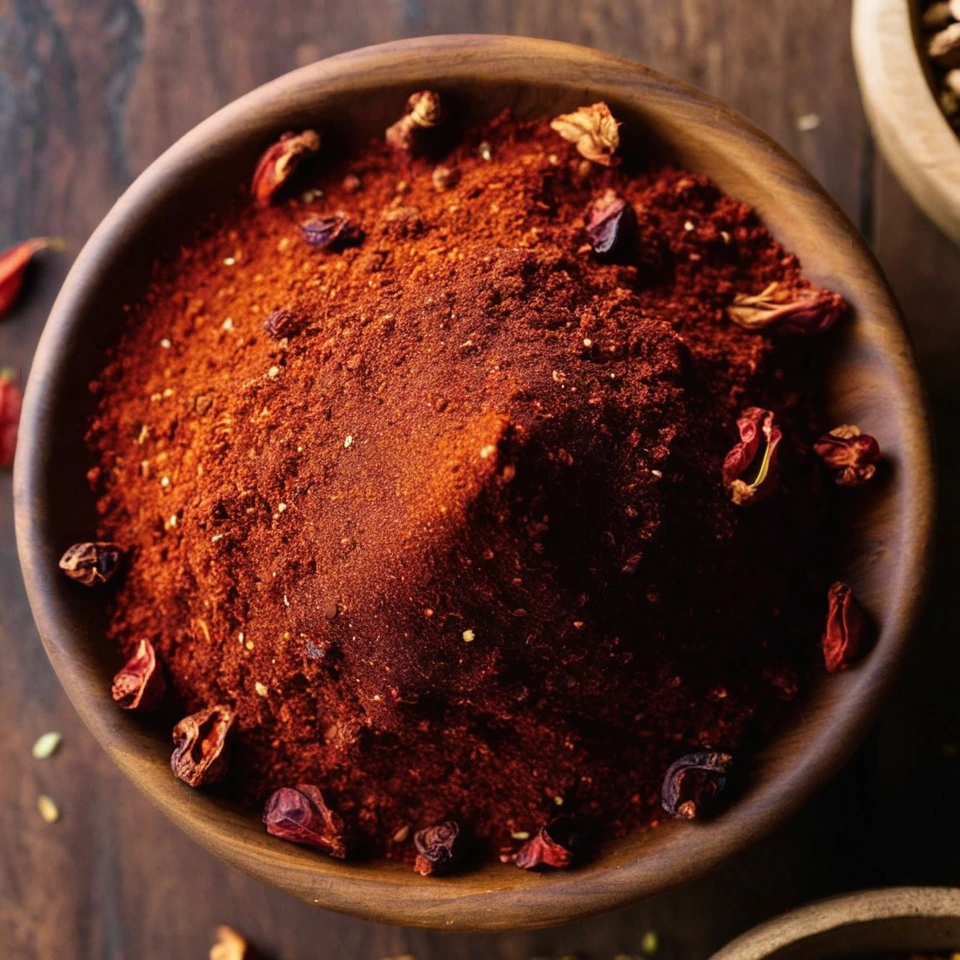
Aleppo pepper offers a harmonious balance of heat and sweetness, with a subtle fruity aroma reminiscent of sun-dried tomatoes and currants. Originating from the region around Aleppo, Syria, it has a fine, slightly coarse texture that shatters easily between fingers. Its mild yet complex flavor profile makes it a prized seasoning for enhancing dishes without overwhelming them. Valued for its versatility, it bridges the gap between spice and seasoning, bringing a touch of warmth and depth to a variety of cuisines.
Recipes to try

Sausage, Pepper, and Onion Hoagies
Juicy Italian sausages nestled in soft hoagie rolls with a sweet and smoky medley of peppers and onions.
Vegetable Lasagna with Spinach and Ricotta
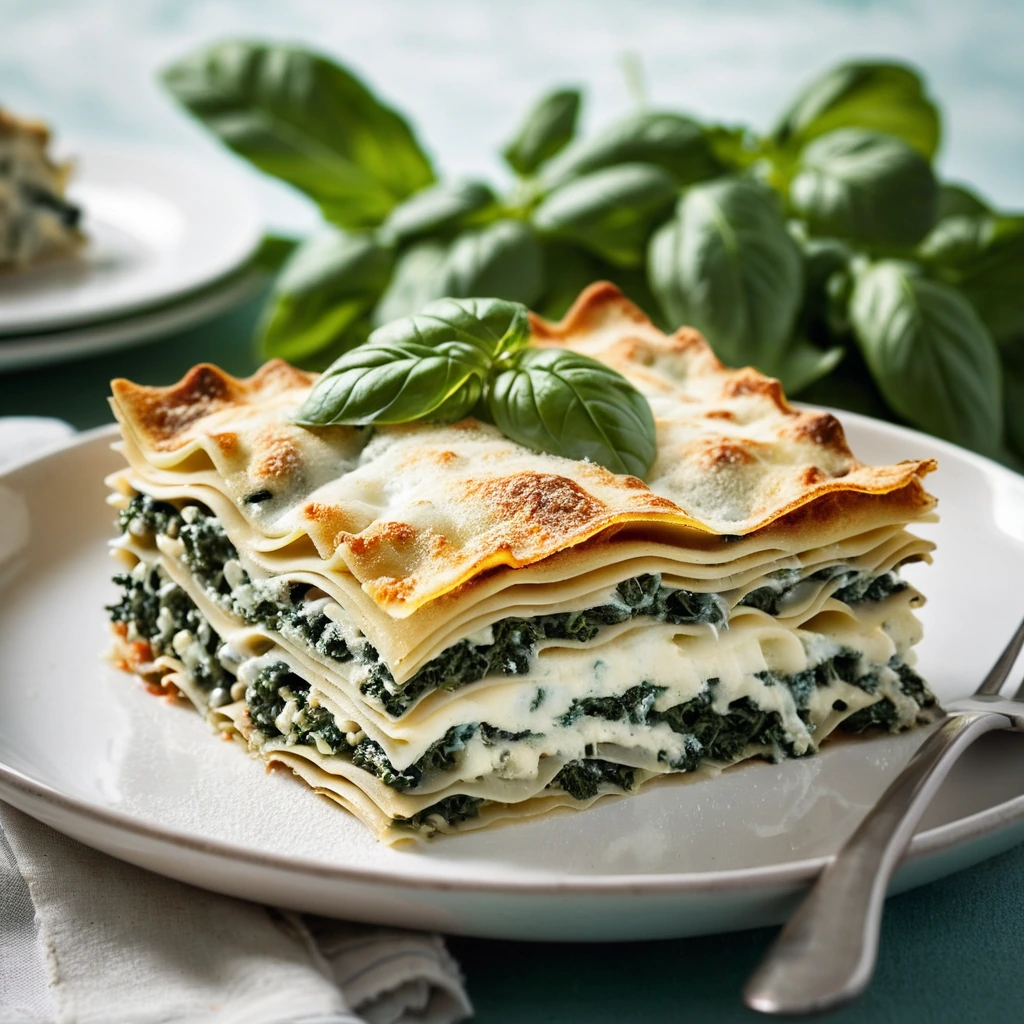
Layers of tender pasta, creamy ricotta, and a vibrant mix of spinach and veggies come together in a comforting, cheesy casserole.