Sauce Technique: Straining Sauces for Restaurant-Level Smoothness
Creating a silky smooth sauce is a hallmark of professional cooking, and mastering the art of straining is essential for achieving that restaurant-quality finish. Whether you're making a classic béchamel, a velvety tomato sauce, or a delicate velouté, straining removes any lumps, fibers, or impurities that can detract from the sauce's texture and appearance. This technique is straightforward yet requires attention to detail. First, understand your sauce's components and how they behave when heated. Then, select the appropriate straining tool—whether it's a fine-mesh sieve, chinois, or cheesecloth—based on the desired consistency. Proper straining demands patience; rushing can lead to a less-than-perfect result. Begin by ensuring your sauce is at the correct consistency before straining. Too thin, and you lose precious liquid; too thick, and you risk clogging the strainer. Next, gently ladle or pour the sauce into the strainer over a clean container, using a spatula to press and separate solids without mashing them into the liquid. The goal is to separate the solids from the liquid without incorporating air, which can affect the sauce's texture and stability. Straining also allows you to clarify and refine the sauce, enhancing its flavor and visual appeal. Finally, adjust the sauce's seasoning after straining, as the process can slightly dilute the flavor. Mastering this technique will elevate your homemade sauces to rival those of the finest dining establishments, impressing your family and guests with every dish you serve.
Notes
Straining sauces works by filtering out unwanted particles, resulting in a smoother texture and a more refined appearance. The science behind it is simple: liquid passes through the fine mesh while solids are caught. Common mistakes include using a strainer that is too coarse, which won't catch small particles, or pressing too hard, which can force bits through or introduce cloudiness. Always handle hot liquids with care to prevent burns. For make-ahead and storage, allow the strained sauce to cool before refrigerating in an airtight container for up to 5 days, or freeze for longer storage. Proper storage maintains the sauce's quality and prevents spoilage.
Steps
- 1 Prepare your sauce and ensure it has reached the desired consistency.
- 2 Select the appropriate strainer based on the sauce's thickness and desired smoothness.
- 3 Place the strainer over a clean bowl or saucepan to collect the strained sauce.
- 4 Gently ladle the sauce into the strainer to avoid splashing.
- 5 Use the back of a spatula to press the sauce through the strainer, separating solids.
- 6 Avoid mashing the solids into the liquid to prevent cloudiness or lumps.
- 7 Continue straining until all the sauce has passed through.
- 8 Discard the solids left in the strainer.
- 9 Taste the strained sauce and adjust seasoning if necessary.
- 10 Reheat the sauce gently if needed, ensuring not to overcook or curdle it.
Ingredients to explore
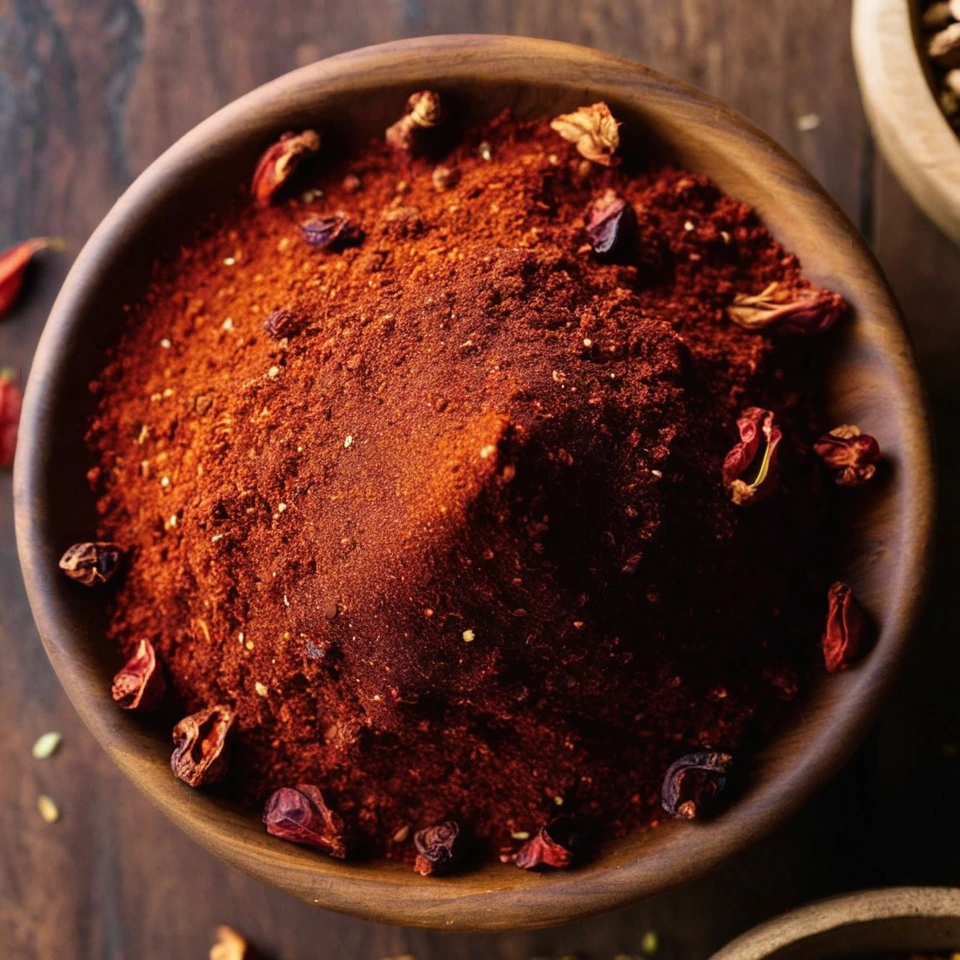
Aleppo Pepper
Aleppo pepper offers a harmonious balance of heat and sweetness, with a subtle fruity aroma reminiscent of sun-dried tomatoes and currants. Originating from the region around Aleppo, Syria, it has a fine, slightly coarse texture that shatters easily between fingers. Its mild yet complex flavor profile makes it a prized seasoning for enhancing dishes without overwhelming them. Valued for its versatility, it bridges the gap between spice and seasoning, bringing a touch of warmth and depth to a variety of cuisines.
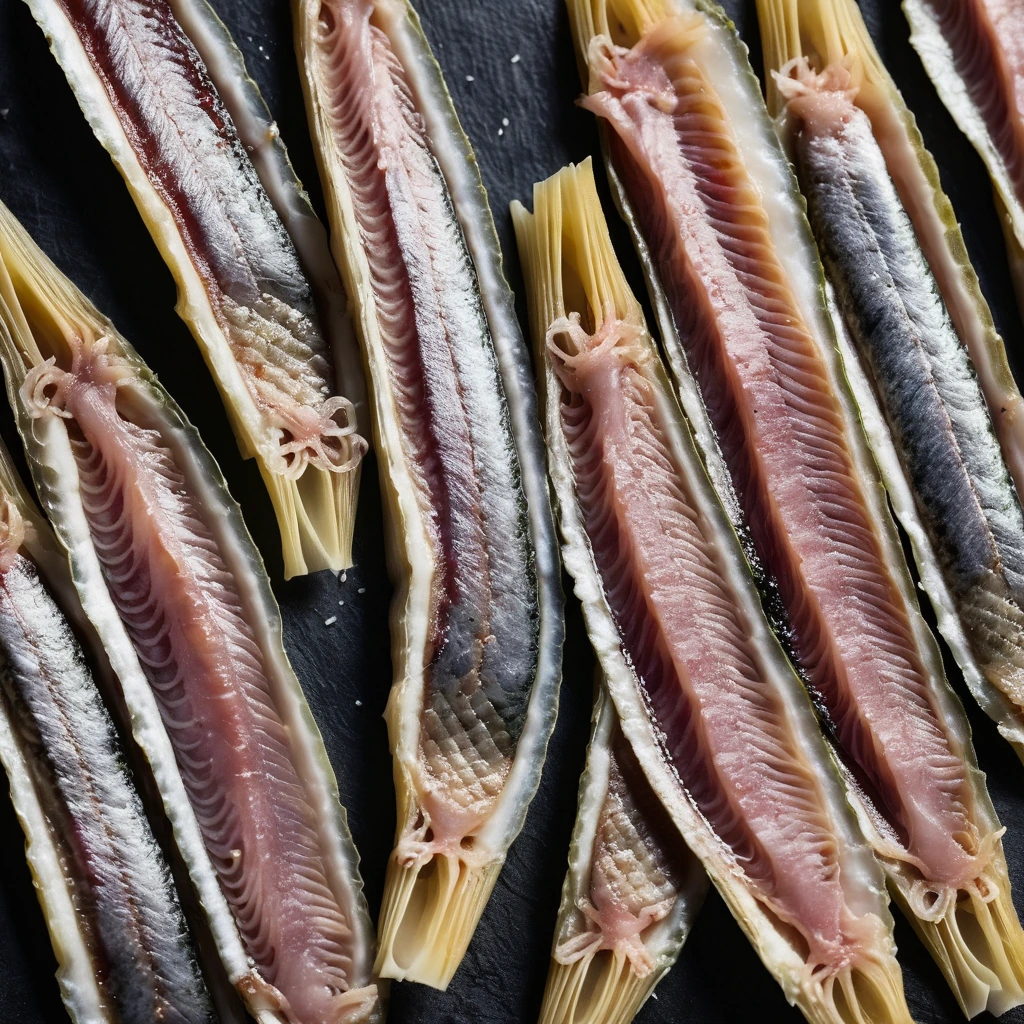
Anchovy Fillets
Silvery and succulent, anchovy fillets are a briny treasure from the sea. Their rich, umami flavor adds depth to dishes, making them a beloved ingredient in kitchens worldwide.
Recipes to try
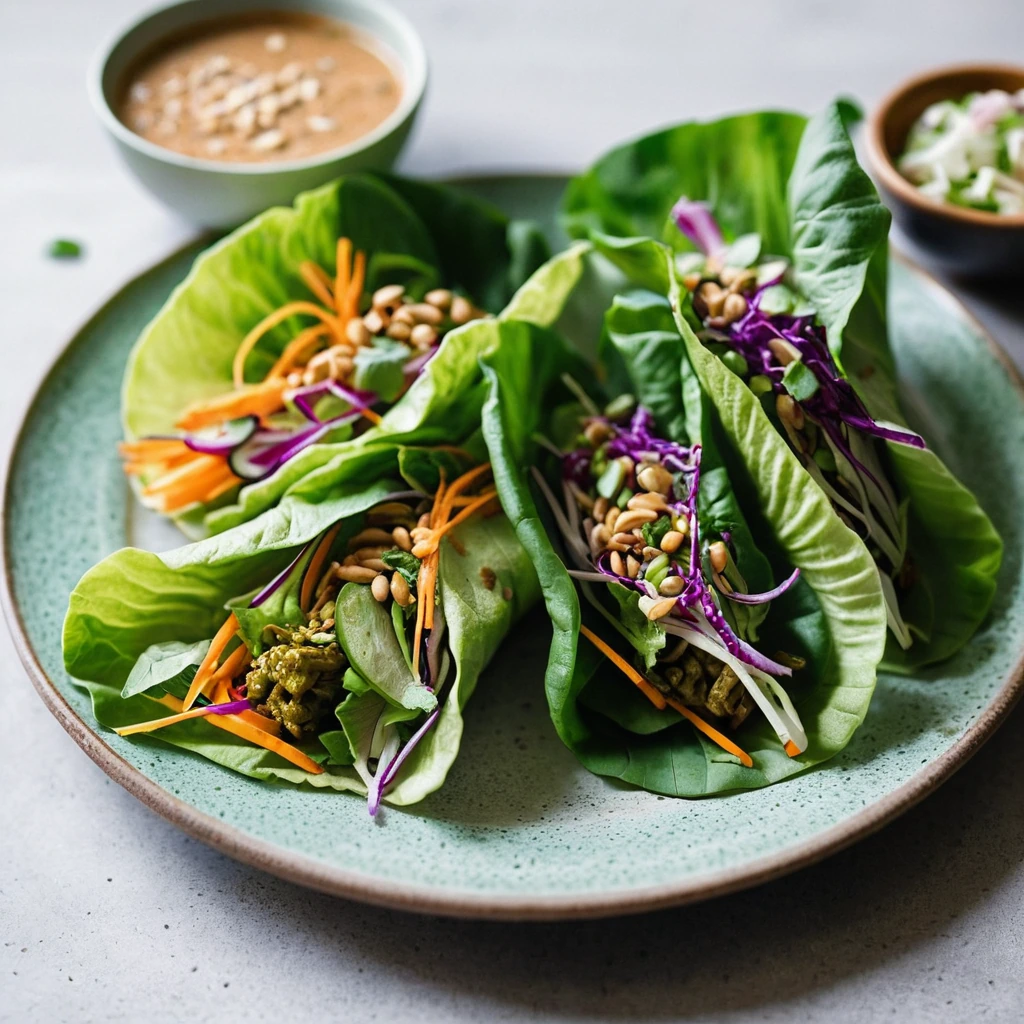
Thai Peanut Veggie Lettuce Wraps
Crispy, fresh veggies hugged by buttery lettuce leaves, drizzled with a creamy, tangy peanut sauce that'll make your taste buds do the tango.
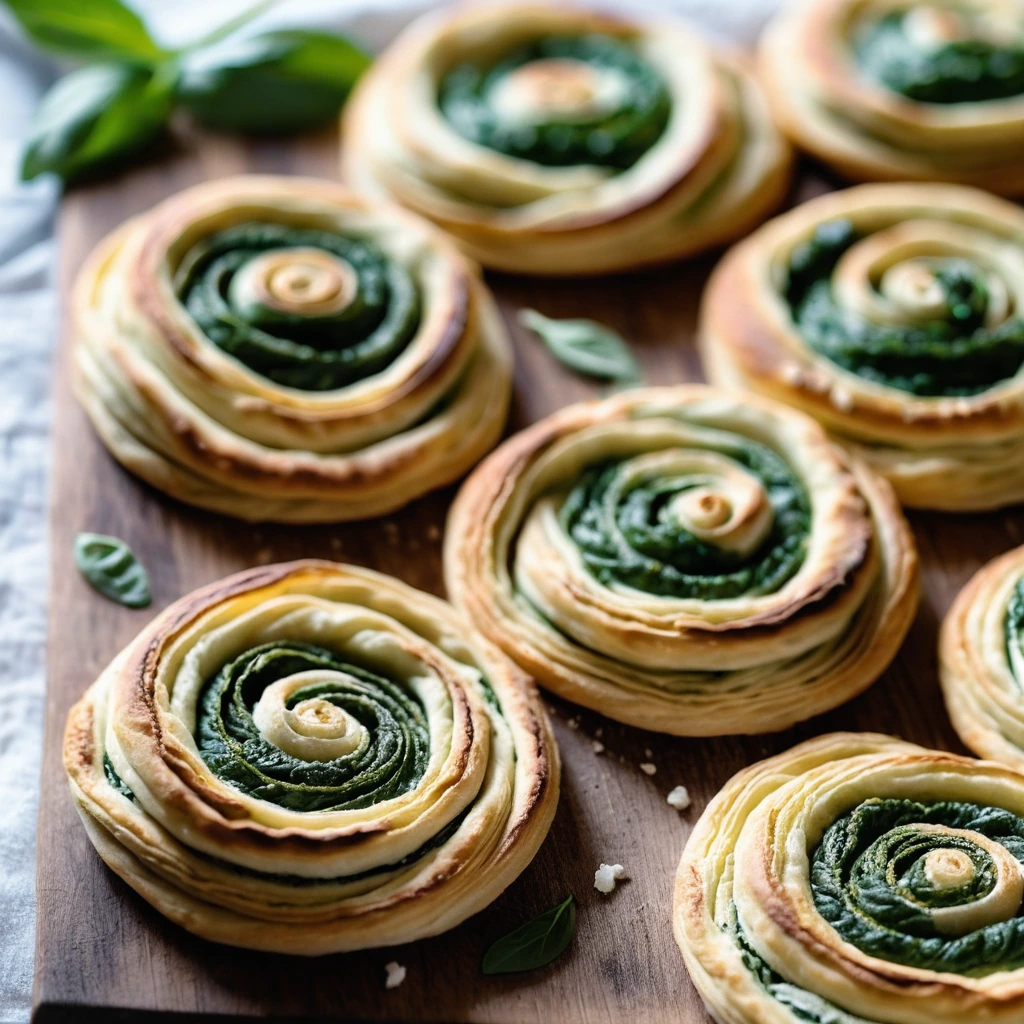
Spinach and Feta Puff Pastry Swirls
Golden, flaky layers of puff pastry embrace a savory mix of spinach and tangy feta in these irresistible swirls.