Sauce Technique: Simmering Tomato Sauces Until Oil Rises to the Top
Simmering tomato sauces until oil rises to the top is a classic technique that transforms ordinary canned tomatoes into a rich, velvety sauce that clings to pasta like a dream. This method concentrates the flavors, reduces excess moisture, and creates a luxurious layer of olive oil that signals the sauce is ready. The process might seem simple, but it's the patience and attention to detail that make the difference. Achieving this requires understanding the balance between heat control and timing. As the sauce simmers, the water evaporates, and the natural sugars in the tomatoes caramelize, deepening the flavor. The rising oil is a visual cue that the sauce has reached its peak richness. This technique is particularly effective for making marinara, Bolognese, or any sauce where depth of flavor is key. It's a skill that elevates homemade pasta dishes to restaurant quality. Let's dive into the details of how to master this technique.
Notes
The science behind this technique is simple yet profound. As the sauce simmers, water evaporates, leaving behind concentrated tomato solids and oil. This concentration intensifies the flavor. Common mistakes include simmering at too high a temperature, which can break down the sauce into a mushy mess. To avoid this, keep the heat low and be patient. Safety-wise, ensure your pot is large enough to prevent boil-overs. For make-ahead purposes, let the sauce cool completely before refrigerating it for up to 5 days, or freeze it for up to 3 months. Thaw frozen sauce overnight in the refrigerator before reheating gently.
Steps
- 1 Heat a large, heavy-bottomed pot over medium heat.
- 2 Add 1/4 cup of extra virgin olive oil to the pot.
- 3 Sauté 1 finely chopped onion and 4 minced garlic cloves until translucent.
- 4 Add two 28-ounce cans of whole peeled tomatoes with their juices.
- 5 Crush the tomatoes with a wooden spoon or your hands.
- 6 Season with 1 tablespoon of salt and a generous amount of freshly ground black pepper.
- 7 Bring the sauce to a gentle simmer.
- 8 Reduce the heat to low and maintain a bare simmer.
- 9 Simmer uncovered for 1.5 to 2 hours, stirring occasionally.
- 10 Skim any foam or impurities that rise to the surface.
- 11 Add fresh herbs like basil or oregano in the last 30 minutes of simmering.
- 12 Taste and adjust seasoning if necessary.
- 13 The sauce is ready when a thin layer of oil coats the surface.
- 14 Remove from heat and let it rest for 10 minutes before serving.
Ingredients to explore
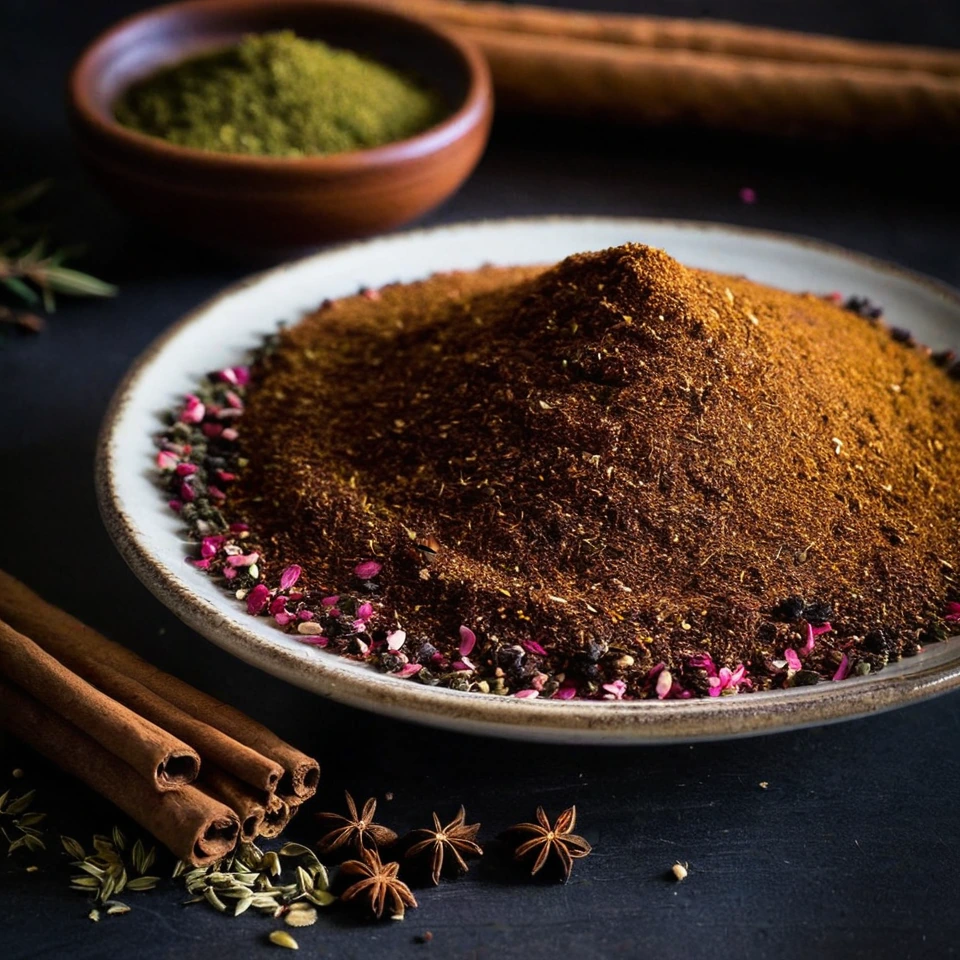
Advieh (Persian Spice Blend)
Advieh is a fragrant Persian spice blend that boasts a complex aroma of warm cinnamon, earthy cumin, and floral hints of rose and saffron. Its texture is finely ground, making it easy to incorporate into dishes. Originating from the rich culinary traditions of Iran, advieh adds depth and sophistication to both savory and sweet recipes. Its unique combination of spices reflects the historical spice trade routes that influenced Persian cuisine.
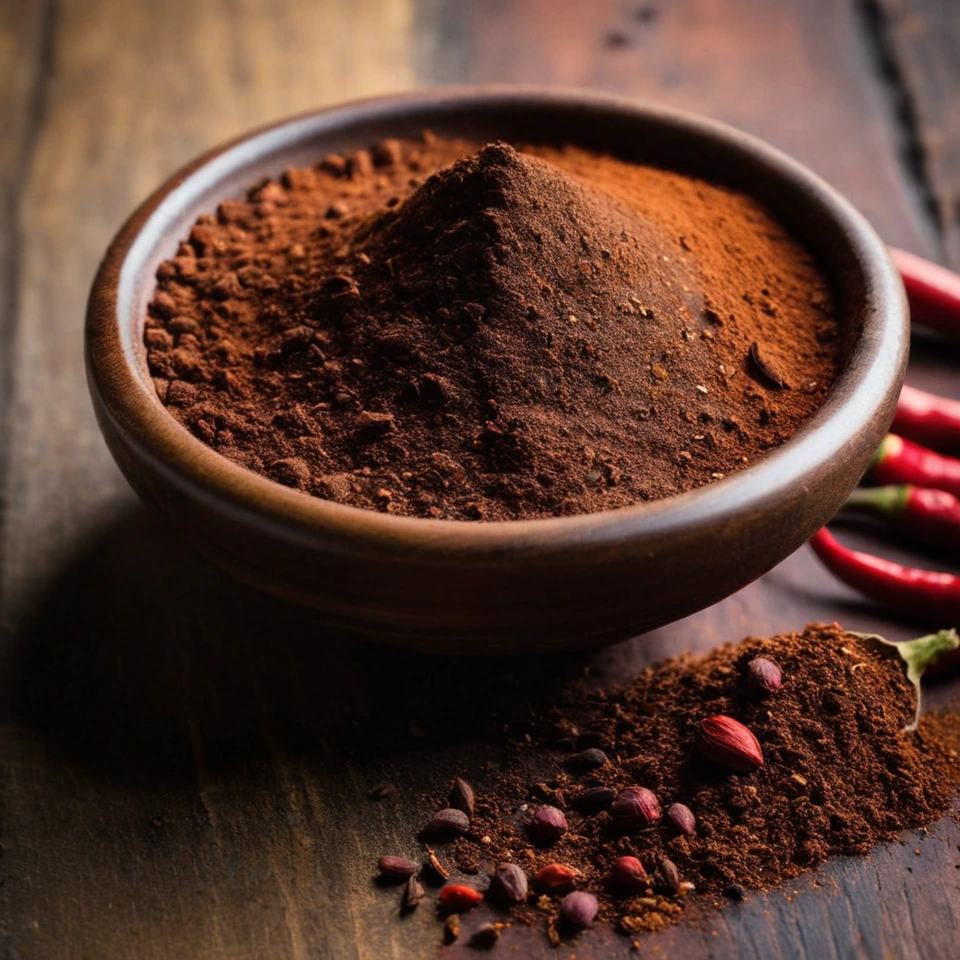
Ancho Chili Powder
Ancho chili powder offers a deep, smoky sweetness with hints of dried fruit and cocoa, reminiscent of its origin as dried poblano peppers from Mexico. Its aroma is warm and inviting, with a mild heat that lingers gently. The texture is fine and velvety, making it easy to incorporate into a variety of dishes. This powder is prized for its ability to add complexity without overwhelming spice, ideal for enriching both traditional Mexican moles and contemporary global cuisines.
Recipes to try

Sheet Pan Chicken Tikka with Garlic Potatoes
Juicy chicken and golden potatoes roasted to perfection on one sheet pan, infused with smoky tikka spices and garlicky goodness.
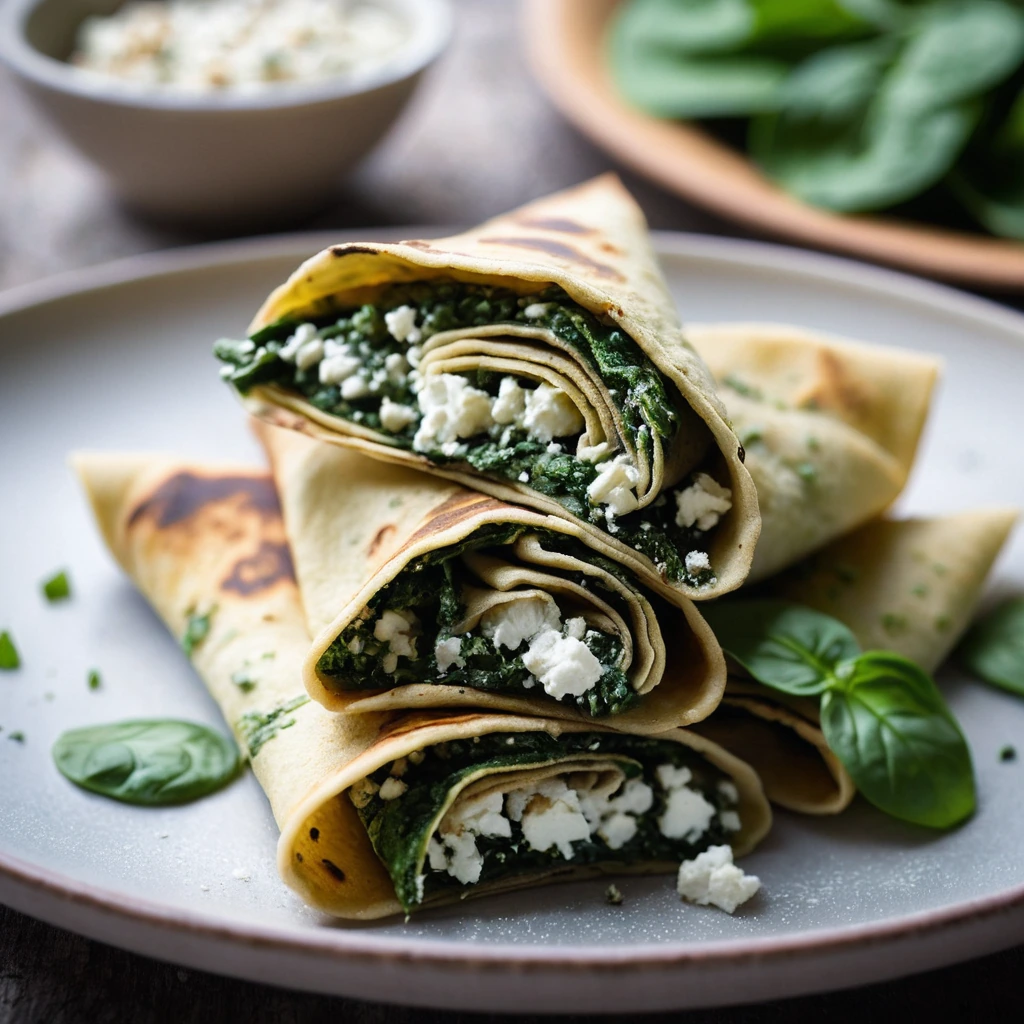
Spinach, Mushroom, and Feta Stuffed Crepes
Golden crepes envelop a savory blend of earthy mushrooms, tender spinach, and tangy feta for a satisfying vegetarian treat.