Sauce Technique: Reducing Liquids for Intense Flavor
Reducing liquids is a fundamental sauce-making technique that concentrates flavors into a more intense and flavorful concoction. It's the culinary alchemy of turning a simple mixture into a rich, savory, or sweet elixir that can elevate any dish. The process involves simmering or boiling a liquid until a portion of it evaporates, leaving behind a more robust and concentrated essence. This technique is employed in countless recipes, from classic French reductions like demi-glace to balsamic glazes drizzled over roasted vegetables. Understanding how to reduce liquids properly is crucial for controlling the texture and flavor profile of your sauces. It requires patience and attention, as you must monitor the liquid closely to avoid scorching or over-reduction. The key is to balance heat, time, and stirring to achieve the desired consistency and taste. Whether you're making a pan sauce for steak or a compote for dessert, mastering this technique will transform your cooking from merely good to downright gourmet.
Notes
The science behind reduction is simple yet fascinating. As water evaporates, the concentration of sugars, acids, and other flavor compounds increases, intensifying the taste. However, patience is key; rushing the process can lead to a burnt sauce or a bitter taste from over-caramelized sugars. Common mistakes include using too high heat, which can scorch the bottom of the pan, and failing to stir occasionally, leading to sticking. Always use a timer to keep track of reduction time, as it can vary depending on the volume and type of liquid. For safety, avoid leaving the pan unattended, especially when using high heat. Reductions can be made ahead of time and stored in the refrigerator for up to a week, or frozen for longer storage. Reheat gently to preserve the delicate flavors.
Steps
- 1 Choose a wide, shallow saucepan to maximize surface area for evaporation.
- 2 Pour your liquid into the pan, ensuring it doesn't exceed halfway up the sides.
- 3 Place the pan over medium heat to gently bring the liquid to a simmer.
- 4 Once simmering, adjust the heat to maintain a gentle bubble – not a rolling boil.
- 5 Use a spatula to occasionally scrape the bottom of the pan to prevent sticking.
- 6 Monitor the reduction closely, observing visual cues like thickening and color deepening.
- 7 Taste the reduction periodically to gauge flavor intensity – it should become more pronounced.
- 8 If the sauce is reducing too quickly, lower the heat to maintain control.
- 9 For a glossy finish, consider whisking in a small amount of cold butter at the end.
- 10 Remove the pan from heat once the desired consistency is achieved.
- 11 Strain the reduction through a fine-mesh sieve if you want a smooth texture.
- 12 Season with salt and pepper to taste, remembering that flavors are now concentrated.
- 13 Transfer the reduction to a serving dish or storage container immediately.
- 14 Allow the sauce to cool before using or refrigerating.
Ingredients to explore
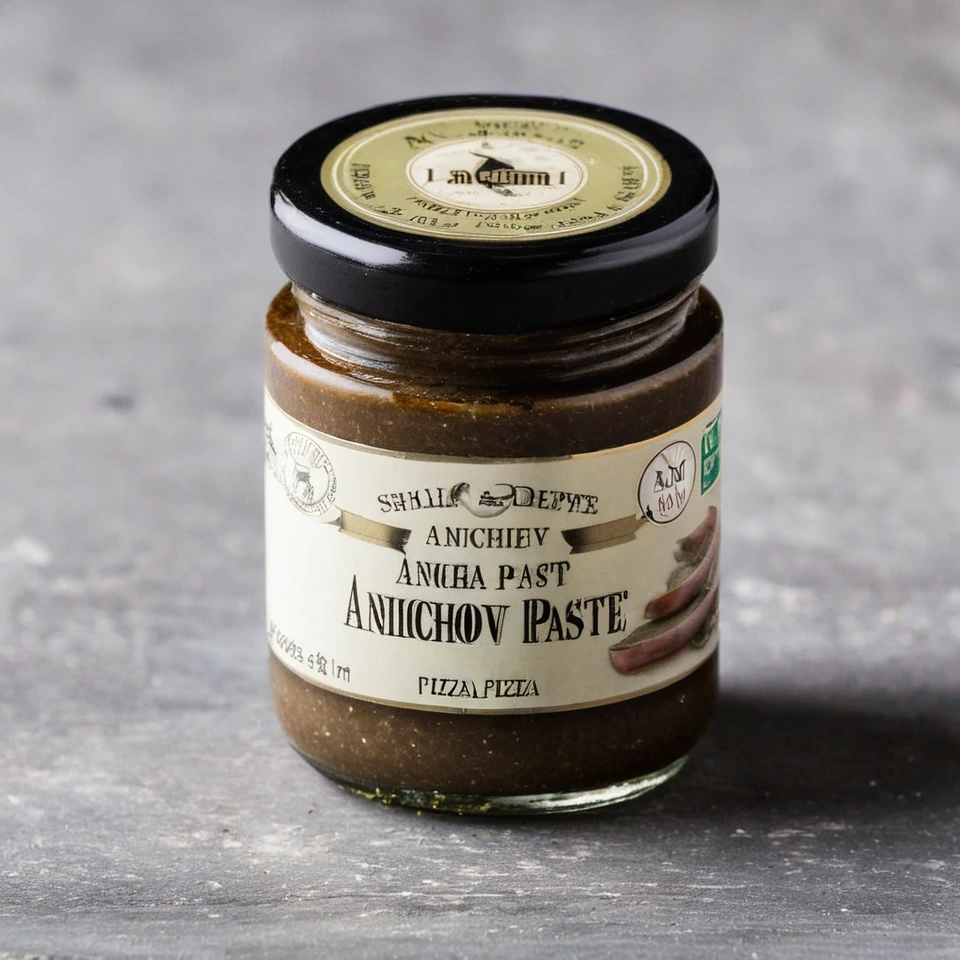
Anchovy Paste
Anchovy paste is a rich, salty spread made from finely ground anchovies, salt, and sometimes olive oil. It offers a deep umami flavor that enhances a variety of dishes.

Anaheim Peppers
Anaheim peppers are a mild chili pepper variety named after Anaheim, California, where they were first cultivated commercially. Originating from the New Mexico region, these peppers are celebrated for their versatility and gentle heat. They possess a flavor that is mildly sweet with a subtle tang, and a pleasant vegetal note reminiscent of green bell peppers, but with a hint of spice. Their texture is firm and crisp when fresh, becoming tender and slightly smoky when roasted or cooked. In cooking, Anaheim peppers behave well across a range of techniques, from grilling and roasting to stuffing and sautéing, contributing a nuanced depth without overwhelming other ingredients with heat.
Recipes to try
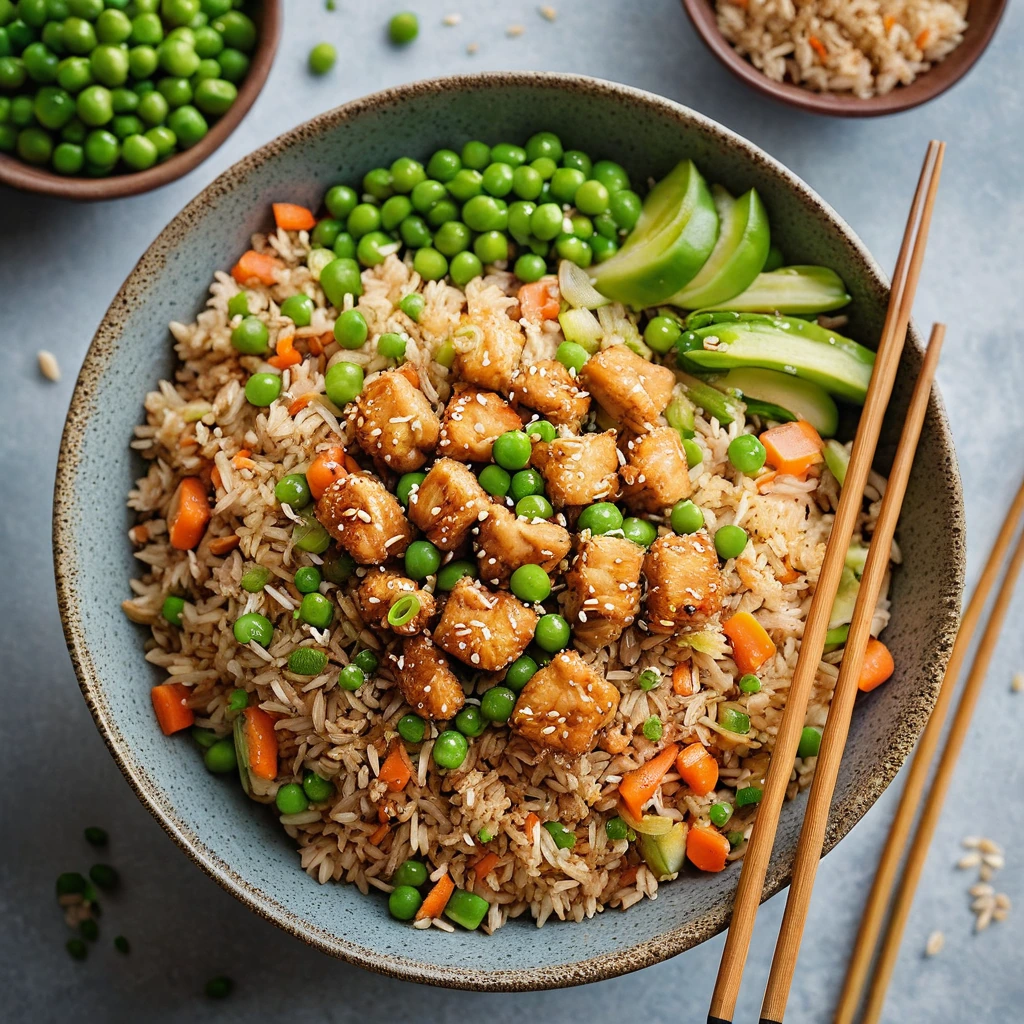
Sesame Chicken Fried Rice with Veggies
Savory fried rice packed with tender chicken, colorful veggies, and toasted sesame seeds for an irresistible nutty crunch.
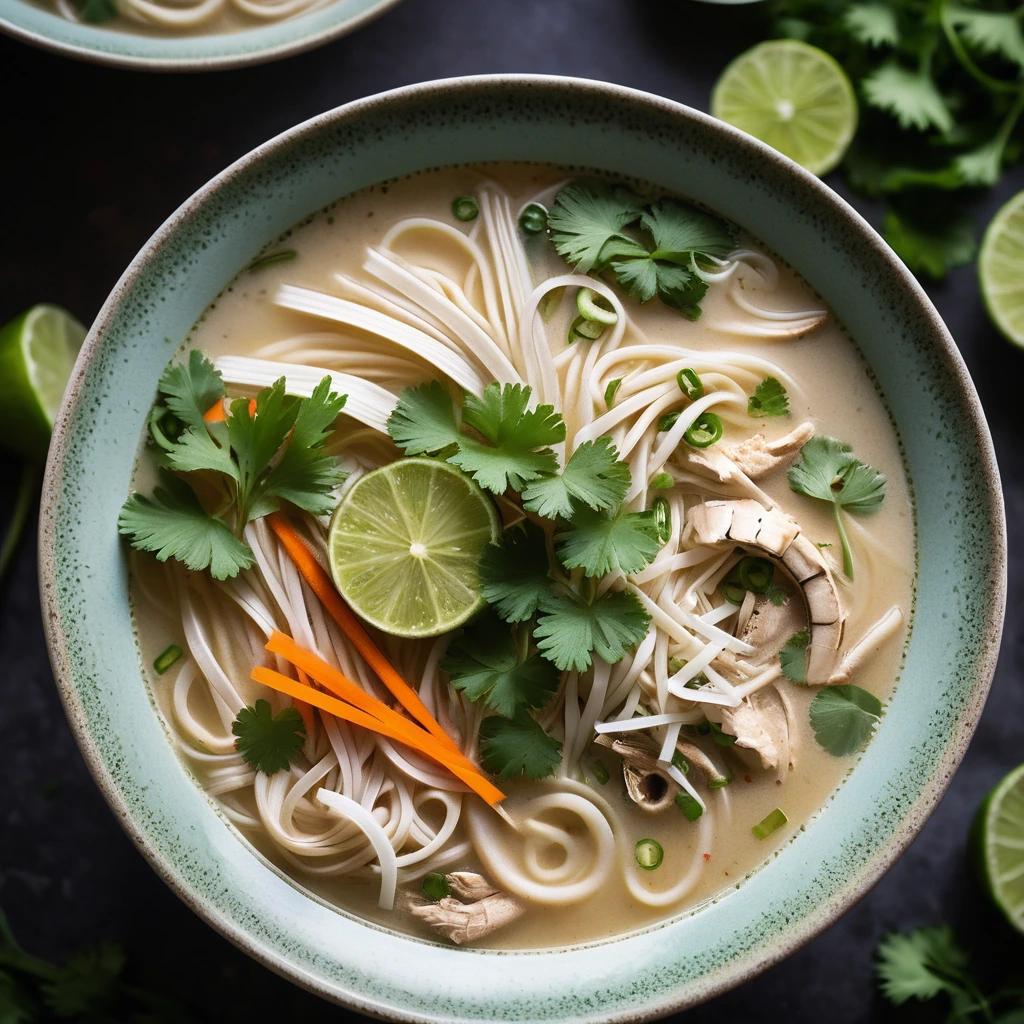
Thai Chicken Coconut Noodle Soup
Warm and fragrant, this soup is a symphony of coconut milk, zesty lime, and tender chicken with a hint of spice.