Sauce Technique: Mounting Butter for Glossy Finishes
Mounting butter is a classic technique used to enrich and smooth sauces, giving them a luxurious sheen and velvety texture. This method involves whisking small amounts of cold butter into a hot sauce at the end of cooking, creating an emulsion that enhances the sauce's flavor and appearance. The science behind this technique lies in the butter's fat content, which coats and suspends sauce particles, resulting in a glossy finish. Achieving this requires precision and patience, as the sauce must be at the right temperature to accept the butter without breaking. Too hot, and the butter will separate; too cool, and the sauce won't emulsify properly. This technique is particularly effective with sauces like béarnaise, hollandaise, or a simple pan sauce for meats. Understanding how to properly mount butter ensures your sauces are restaurant-quality, with a richness that elevates any dish.
Notes
The key to successful butter mounting is maintaining the correct temperature. If the sauce is too hot, the butter will melt too quickly, breaking the emulsion. Conversely, if the sauce is too cool, the butter won't incorporate smoothly. To troubleshoot, if your sauce does break, whisk in a small amount of warm water or stock to help re-emulsify it. For storage, mounted sauces can be refrigerated for up to 3 days; gently reheat over low heat, whisking constantly to restore the glossy finish. Always use unsalted butter to control the seasoning in your sauce.
Steps
- 1 Prepare your sauce and ensure it is at a gentle simmer.
- 2 Cut cold butter into small cubes, approximately 1 tablespoon each.
- 3 Remove the sauce from heat to prevent it from becoming too hot.
- 4 Whisk in one cube of butter at a time, ensuring each piece is fully incorporated before adding the next.
- 5 Continue whisking vigorously to maintain an even emulsion.
- 6 Add a pinch of salt after each addition of butter to enhance flavor.
- 7 Keep the sauce off the heat while mounting to maintain control over the temperature.
- 8 Once all the butter is incorporated, return the sauce to very low heat briefly to adjust consistency if needed.
- 9 Check the sauce for seasoning and adjust with salt or acid (like lemon juice or vinegar) if necessary.
- 10 Remove from heat immediately to prevent the sauce from breaking.
- 11 Strain the sauce through a fine-mesh sieve if a perfectly smooth finish is desired.
- 12 Serve the sauce immediately while it is still glossy and warm.
Ingredients to explore
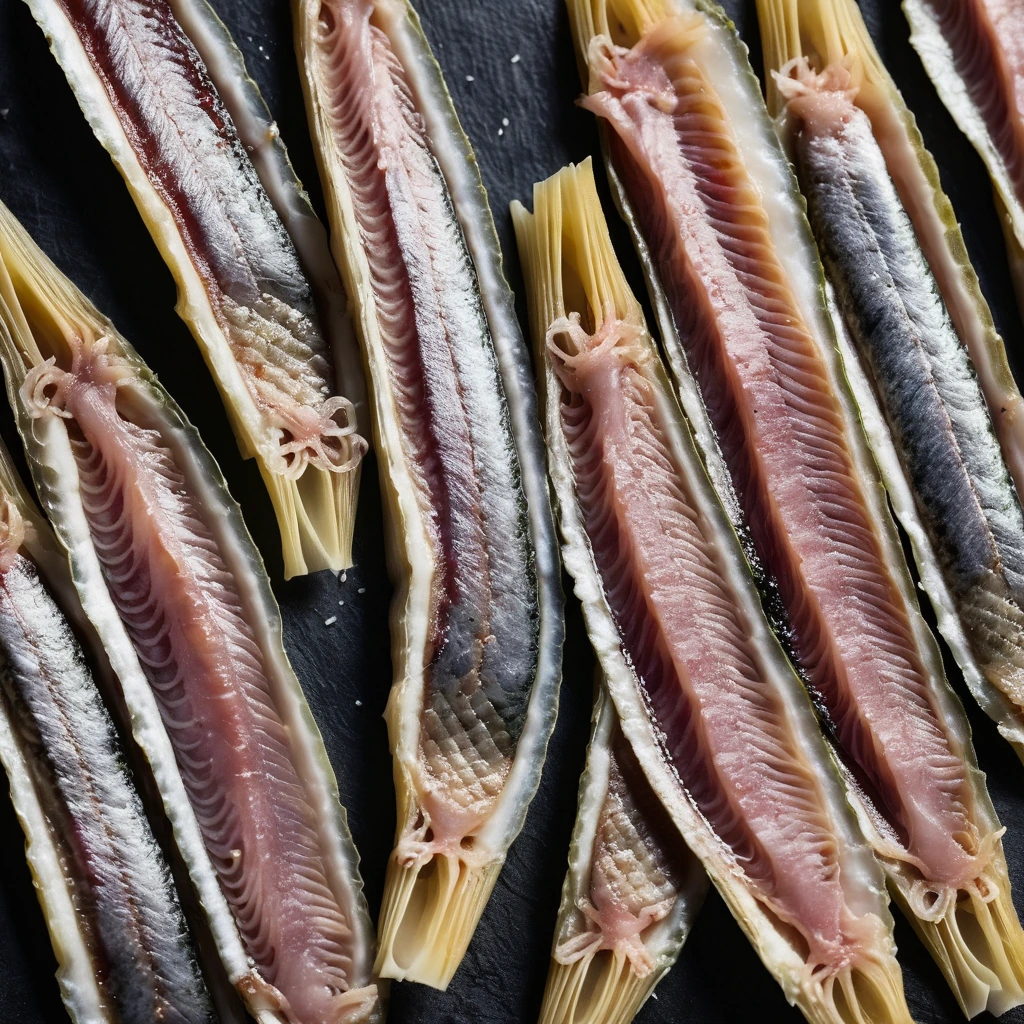
Anchovy Fillets
Silvery and succulent, anchovy fillets are a briny treasure from the sea. Their rich, umami flavor adds depth to dishes, making them a beloved ingredient in kitchens worldwide.
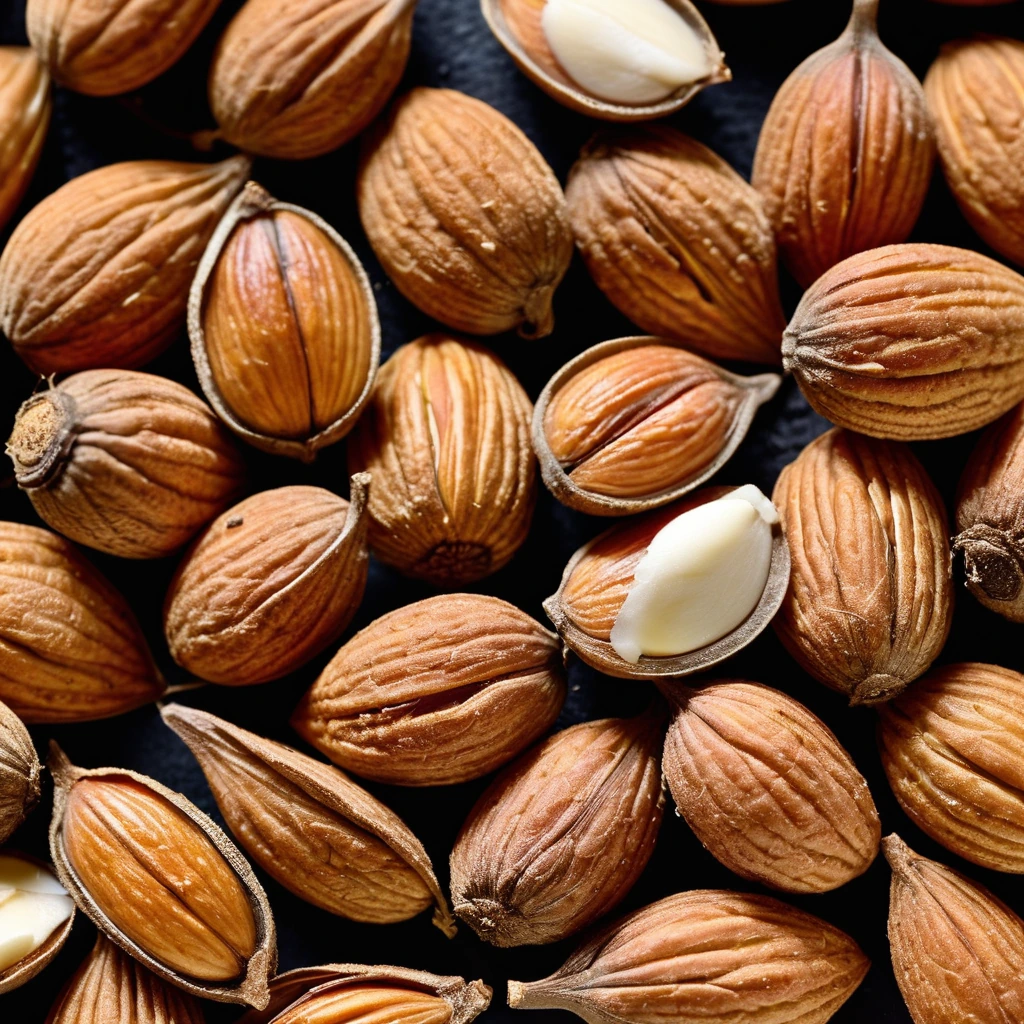
Almond Extract
A fragrant, golden elixir that captures the essence of freshly ground almonds, almond extract is a pantry staple that brings a rich, nutty aroma to your culinary creations.
Recipes to try

Sausage and Feta Stuffed Mini Peppers
These adorable mini peppers are packed with a savory blend of sausage and creamy feta, delivering a burst of flavor in every bite.

Sheet Pan Chicken Tikka with Garlic Potatoes
Juicy chicken and golden potatoes roasted to perfection on one sheet pan, infused with smoky tikka spices and garlicky goodness.