Sauce Technique: Balancing Bitterness in Sauces with Sweet and Fat
Creating a perfectly balanced sauce is both an art and a science. Bitterness in sauces can be a challenge, often stemming from ingredients like dark leafy greens, cocoa, or certain reductions. However, bitterness isn't always the enemy; it can add complexity and depth. The key is to balance it with sweetness and fat. Sweetness can come from natural sugars in fruits, honey, or granulated sugar, while fat, whether from butter, cream, or olive oil, adds richness and mellows sharp edges. Understanding how these elements interact allows you to craft sauces that are nuanced and satisfying. Bitterness often competes with sweetness for dominance on your palate, but when properly balanced, they create harmony. Fat acts as a buffer, smoothing out the rough edges of bitterness and enhancing the sauce's mouthfeel. Achieving this balance requires attentiveness to flavors and an understanding of how each component contributes. Too much sweetness can lead to cloying results, while too little leaves the sauce harsh and unbalanced. The interplay between these elements is crucial in fine-tuning your sauce to perfection. This technique will guide you through recognizing bitterness, selecting appropriate sweeteners, and incorporating fats to create sauces that are both complex and harmonious.
Notes
The science behind balancing bitterness lies in how our taste receptors respond to different flavors. Sweetness directly counteracts bitterness, signaling pleasure and satisfaction to our brains. Fat coats the tongue, diminishing the perception of bitterness and amplifying other flavors. However, common mistakes include over-sweetening, which can mask other desirable flavors, or adding too much fat, leading to a heavy sauce. To avoid these pitfalls, always adjust in small increments and taste frequently. For safety, ensure all ingredients are fresh and properly stored. This sauce can be made ahead and stored in an airtight container in the refrigerator for up to 3 days. Reheat gently to preserve the delicate balance of flavors.
Steps
- 1 Taste your sauce to assess its level of bitterness.
- 2 If bitterness is present, start by adding 1 teaspoon of granulated sugar or honey.
- 3 Taste again and adjust sweetness incrementally until bitterness is muted but still detectable.
- 4 Select a fat source such as butter, cream, or olive oil based on the sauce's flavor profile.
- 5 Add 1 tablespoon of your chosen fat to the sauce while whisking continuously.
- 6 Observe how the fat integrates and enhances the sauce's texture and flavor.
- 7 Continue to adjust the balance by adding small amounts of sweetener or fat as needed.
- 8 Simmer gently for 2-3 minutes to allow flavors to meld.
- 9 Taste and tweak until you achieve a harmonious blend of bitterness, sweetness, and richness.
- 10 Finish with a pinch of salt to enhance all flavors.
- 11 Remove from heat and let the sauce rest for 5 minutes before serving.
Ingredients to explore
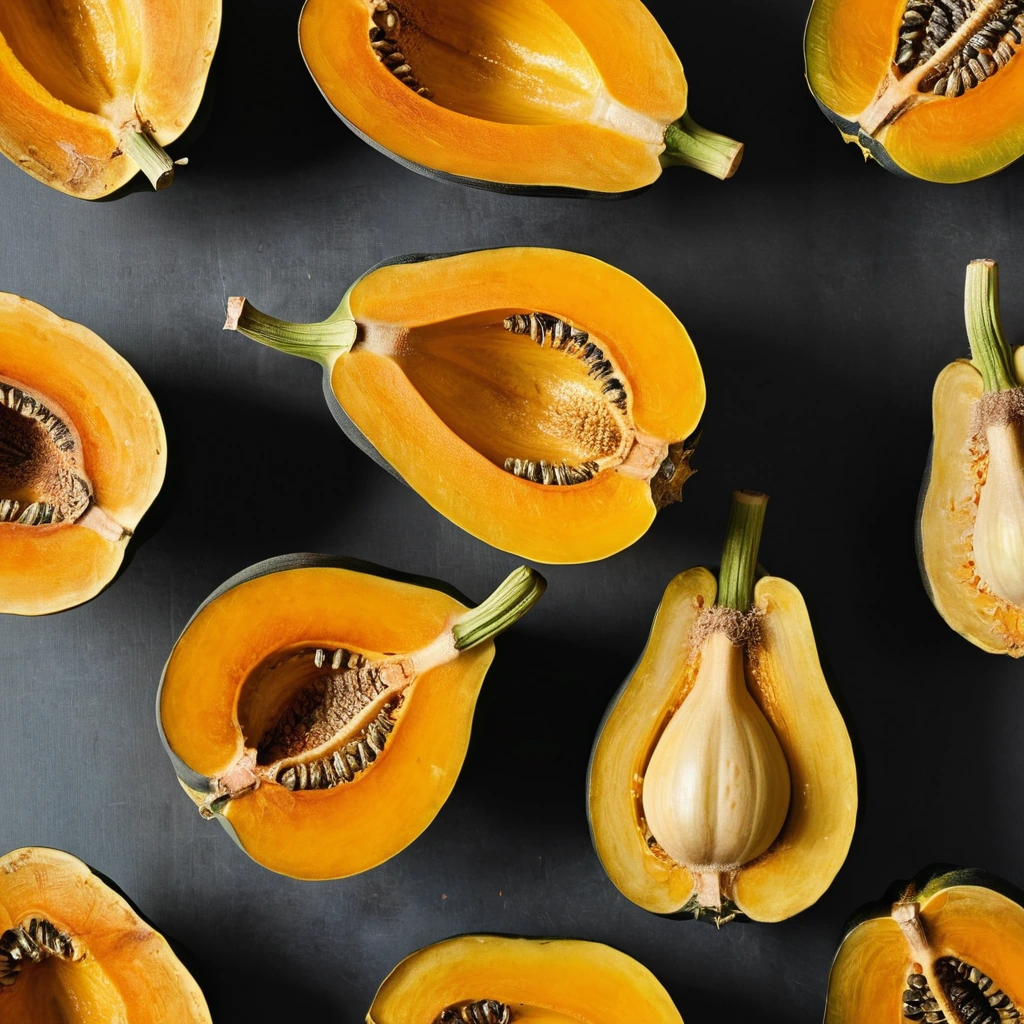
Acorn Squash
Acorn squash is a winter squash variety known for its distinctive teardrop shape and deep ridges resembling the texture of an acorn shell. Originating in the Americas, it has been cultivated for centuries and is a staple in autumn cuisine. The flesh is sweet and nutty with a hint of earthiness, offering a delightful contrast to savory dishes. Its texture is dense yet tender when cooked, making it ideal for roasting or pureeing. In cooking, acorn squash holds its shape well and absorbs flavors from herbs and spices, enhancing both its taste and versatility in recipes.
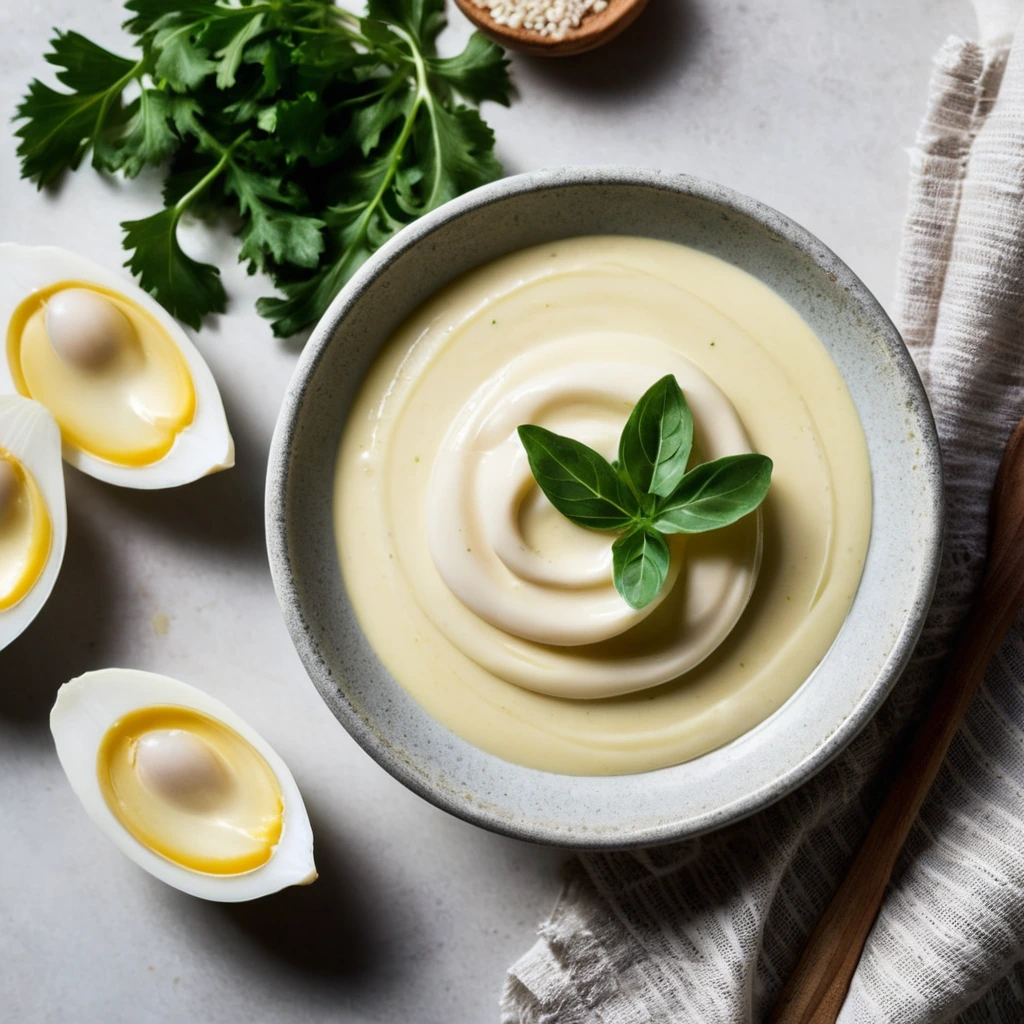
Aioli
A luscious, velvety emulsion of garlic and olive oil, aioli is a rich and aromatic sauce that dances on the palate with its creamy texture and bold, pungent flavor.
Recipes to try
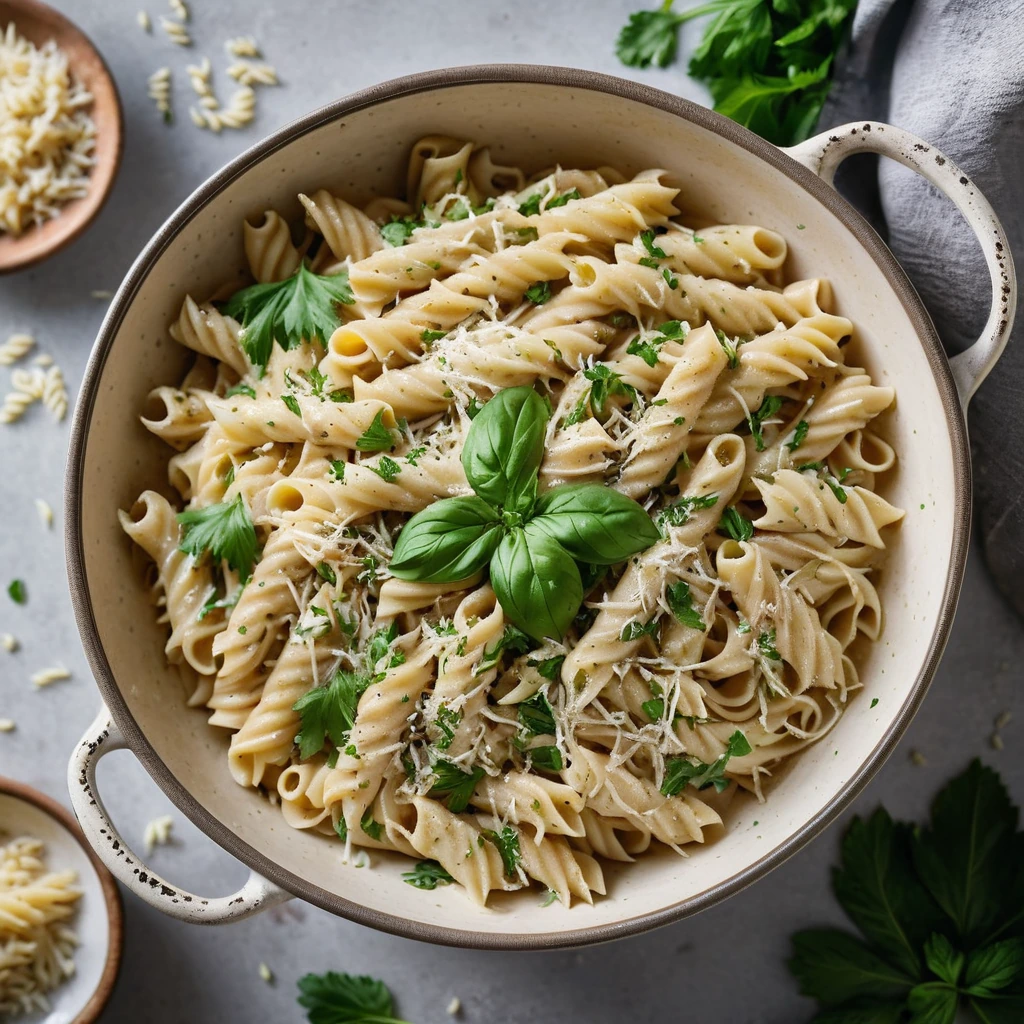
One-Pot Creamy Garlic Parmesan Chicken Pasta
Tender chicken and al dente pasta swim in a luscious, garlicky Parmesan sauce—all in one pot for a fuss-free family feast.
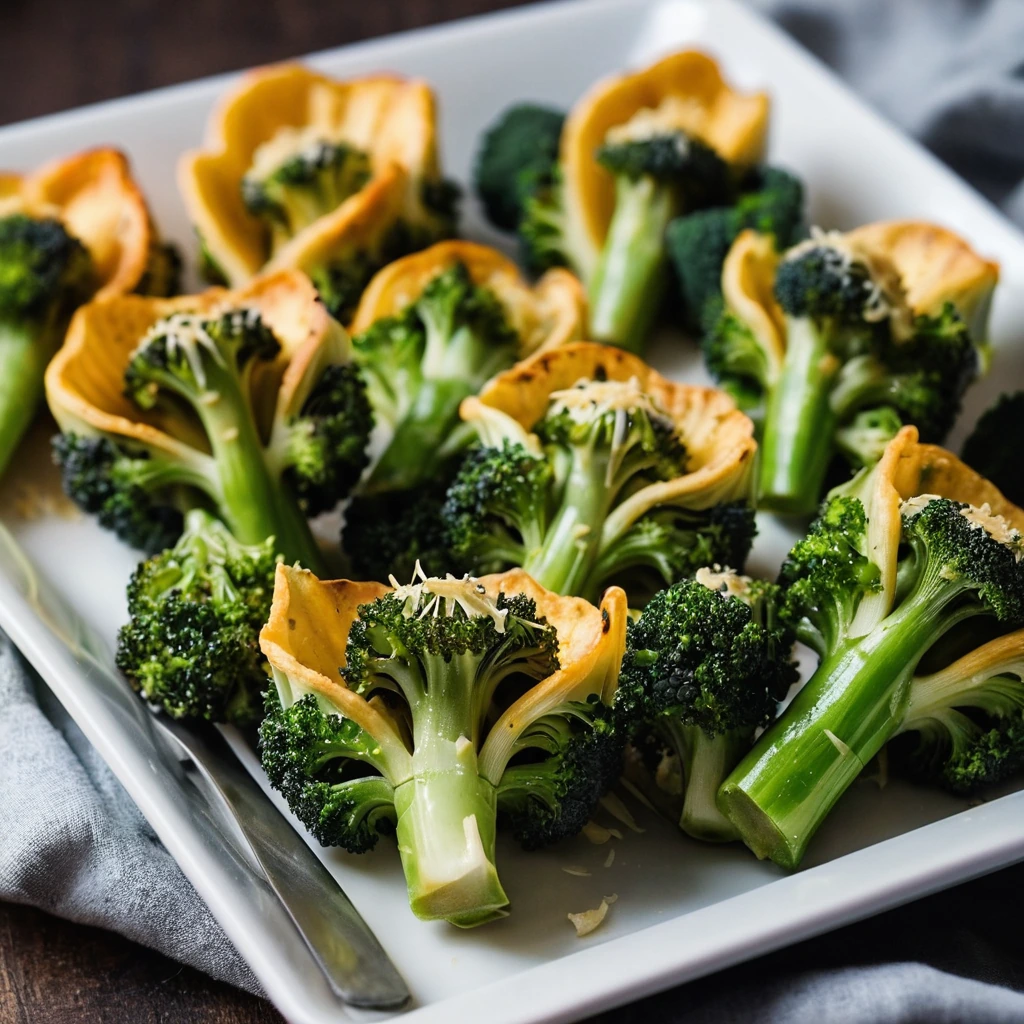
Roasted Broccoli and Cheddar Stuffed Shells
Creamy cheddar cheese and roasted broccoli unite in tender pasta shells for a veggie-packed, cheesy masterpiece.