Salad & Cold Prep: Balancing Texture in Grain Bowls
Creating a grain bowl that’s a symphony of textures is both an art and a science. The foundation of a successful grain bowl lies in the balance of ingredients that offer a variety of sensations—from crunchy to chewy, soft to firm. Start by selecting grains that can stand up to the other components; quinoa, farro, and brown rice are excellent choices due to their inherent chewiness. Next, consider adding elements like raw vegetables for crunch, roasted nuts for a satisfying nuttiness, and perhaps a creamy avocado slice to bring richness. Texture balance isn’t just about contrasts; it’s about ensuring that each component maintains its integrity when assembled. Grains should be properly cooked to avoid becoming mushy, while vegetables should be prepped in ways that preserve their crispness. Dressings play a crucial role too—they should be emulsified well to coat each ingredient evenly without making the bowl soggy. Achieving this balance requires thoughtful preparation and assembly. For instance, marinating proteins can add layers of flavor without compromising texture, while blanching vegetables can maintain their vibrant colors and crunch. Finally, the order in which you layer your ingredients can impact texture; placing delicate items like leafy greens at the bottom can help them stay intact. Mastering these elements will elevate your grain bowls from mere salads to culinary masterpieces that are both satisfying and delightful to eat.
Notes
The science behind texture balance is rooted in how different cooking methods affect the structure of food. Proper grain cooking techniques ensure starches are fully hydrated but not broken down into a mushy mess. Toasting nuts enhances their flavor by triggering the Maillard reaction, while blanching vegetables helps retain their vibrant color and crunch. A common mistake is overdressing, leading to a soggy bowl; always err on the side of less dressing. For storage, keep dressing separate and add just before serving to maintain texture integrity. Grain bowls can be assembled ahead of time but are best enjoyed fresh to preserve their intended mouthfeel.
Steps
- 1 Cook your chosen grain according to package instructions until tender but still firm to the bite.
- 2 Rinse and dry leafy greens thoroughly to prevent sogginess.
- 3 Slice raw vegetables like cucumbers, bell peppers, and carrots into uniform pieces for even crunch.
- 4 Toast nuts or seeds in a dry skillet over medium heat until fragrant, about 3-5 minutes.
- 5 Prepare proteins by grilling, roasting, or marinating to desired doneness and let cool before assembling.
- 6 Blanch hearty greens like kale or broccoli briefly in boiling water, then shock in ice water to preserve color and texture.
- 7 Cut avocado into slices just before serving to maintain freshness and prevent browning.
- 8 Whisk together your dressing, ensuring it’s well emulsified to coat ingredients evenly.
- 9 Layer ingredients starting with the heartiest at the bottom, working up to the most delicate.
- 10 Drizzle dressing over the assembled bowl just before serving to keep textures intact.
- 11 Garnish with fresh herbs or a sprinkle of toasted seeds for added texture and flavor.
- 12 Serve immediately to enjoy the full spectrum of textures.
Ingredients to explore
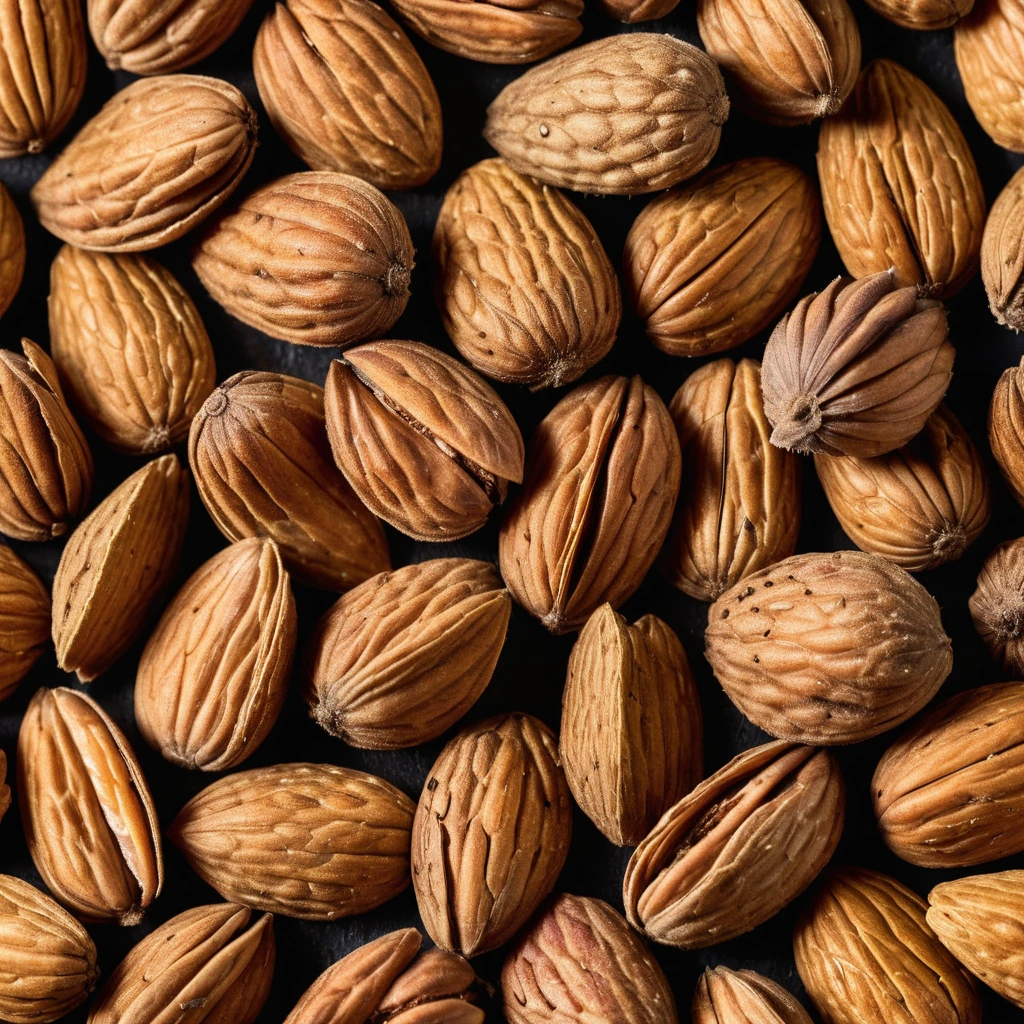
Almonds
With their golden-brown hue and delicate, edible skin, almonds are a crunchy delight. These versatile nuts boast a rich, buttery flavor that adds depth to both sweet and savory dishes.
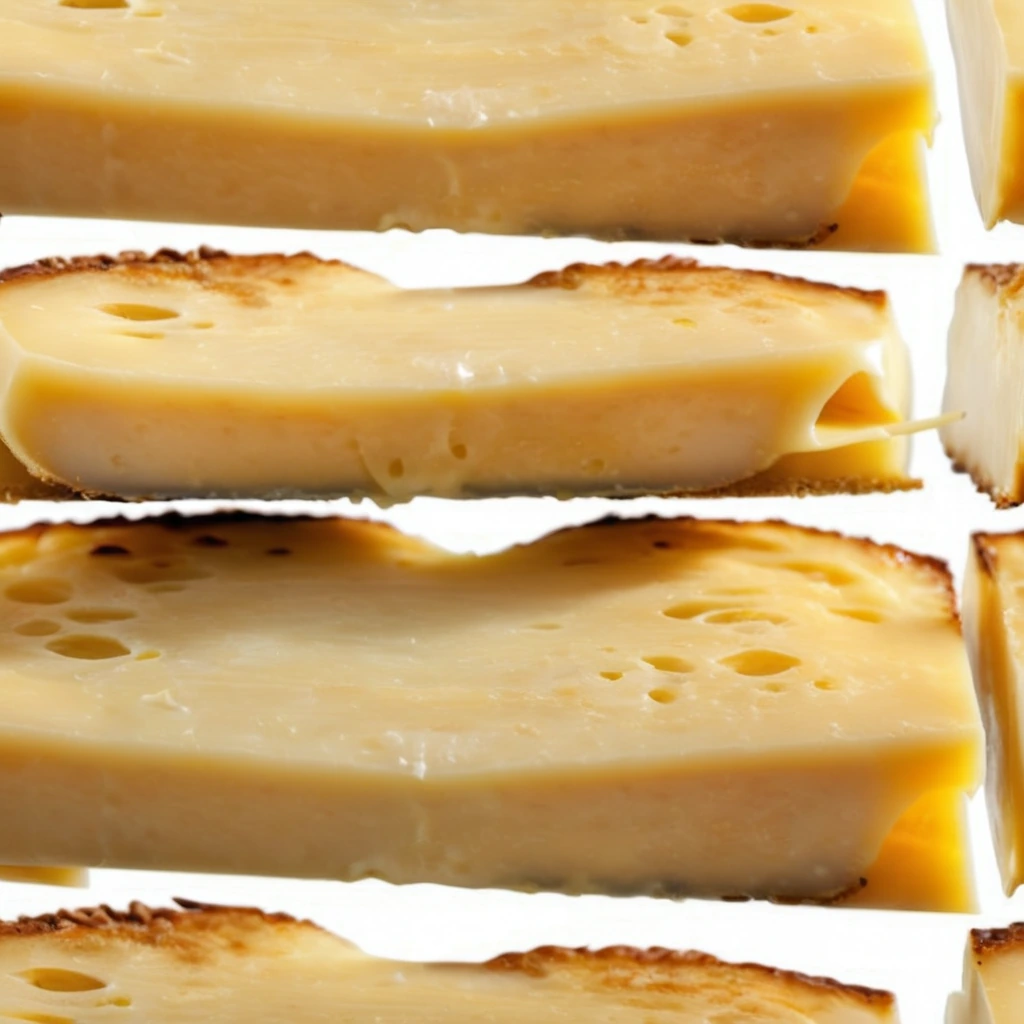
American Cheese Slices
Those iconic, perfectly pliable slices of creamy, mild American cheese. Each slice boasts a smooth, melt-in-your-mouth texture that brings comfort to any dish.
Recipes to try
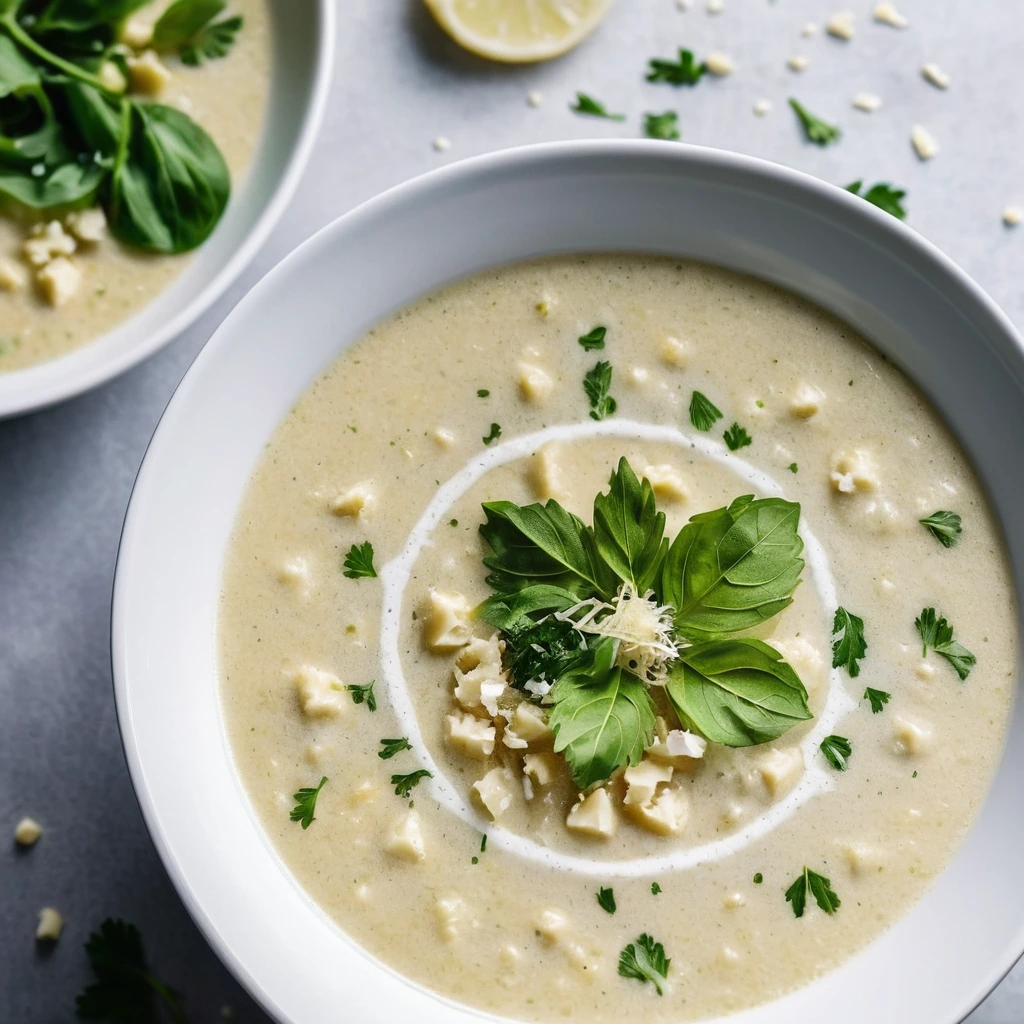
Roasted Cauliflower and Garlic Soup with Parmesan
This velvety soup is a symphony of roasted cauliflower and garlic, kissed with nutty Parmesan for a cozy, crave-worthy bowl.
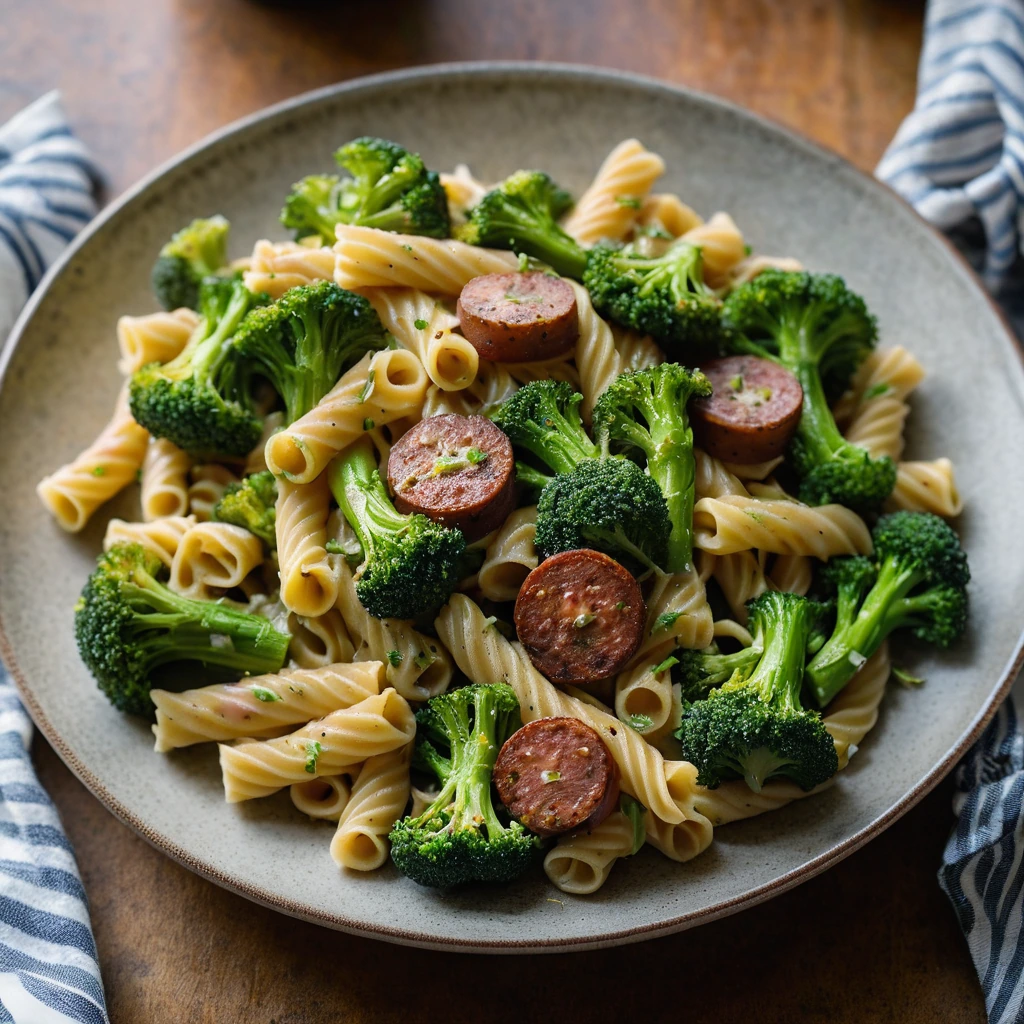
Smoked Sausage and Broccoli Cheddar Pasta
Creamy, cheesy comfort with a smoky kick—this pasta dish is pure bliss in every bite.