Safety: Using a Timer to Avoid Burning Food
Cooking is an art, but safety is the foundation. One of the simplest yet most effective techniques to ensure your culinary adventures don't end in smoke alarms and charred dishes is using a timer. This technique is invaluable for home cooks of all levels, providing peace of mind and allowing you to multitask without worry. Understanding how to use a timer effectively can transform your cooking experience, ensuring that your dishes are perfectly cooked and your kitchen remains a safe haven. Whether you're simmering a delicate sauce, roasting a chicken, or baking cookies, mastering the timer is key. In this guide, we'll delve into why timers are crucial, how to choose the right one, and step-by-step instructions to incorporate this lifesaving tool into your cooking routine. We'll also touch on the science behind why precise timing is essential, troubleshooting common mistakes, and offering tips for safe storage and make-ahead strategies.
Notes
The science behind using a timer is straightforward: it allows you to monitor cooking times precisely, preventing overcooking and potential fire hazards. Food has optimal cooking windows, and exceeding these can lead to undesirable textures and flavors, not to mention safety risks. Troubleshooting common mistakes includes ensuring your timer is audible throughout your home, setting multiple timers if needed, and not relying solely on the timer for doneness—always use visual and temperature checks. Safety is paramount; keep timers away from heat sources and water to avoid malfunctions. For make-ahead meals, use timers to note when dishes need reheating or serving. Store timers in a dry place to ensure longevity and reliability.
Steps
- 1 Choose a reliable kitchen timer with clear display and loud alarm.
- 2 Read the recipe thoroughly to determine total cooking time.
- 3 Set the timer immediately after placing food in the oven or on the stove.
- 4 Position the timer where it's visible and audible but safe from heat or water.
- 5 Note any interim steps in the recipe that require additional timing.
- 6 Use multiple timers if cooking multiple dishes simultaneously.
- 7 Check food at the timer's end, but rely on visual cues and internal temperature for doneness.
- 8 Adjust cooking times based on your oven's calibration and altitude if necessary.
- 9 Reset the timer for resting periods, especially for meats.
- 10 Always turn off appliances promptly after cooking is complete.
- 11 Clean your timer regularly to maintain functionality.
- 12 Consider using a phone app timer as a backup.
- 13 Practice setting timers for shorter tasks like boiling eggs or sautéing vegetables.
- 14 Never leave cooking unattended, even with a timer.
Ingredients to explore
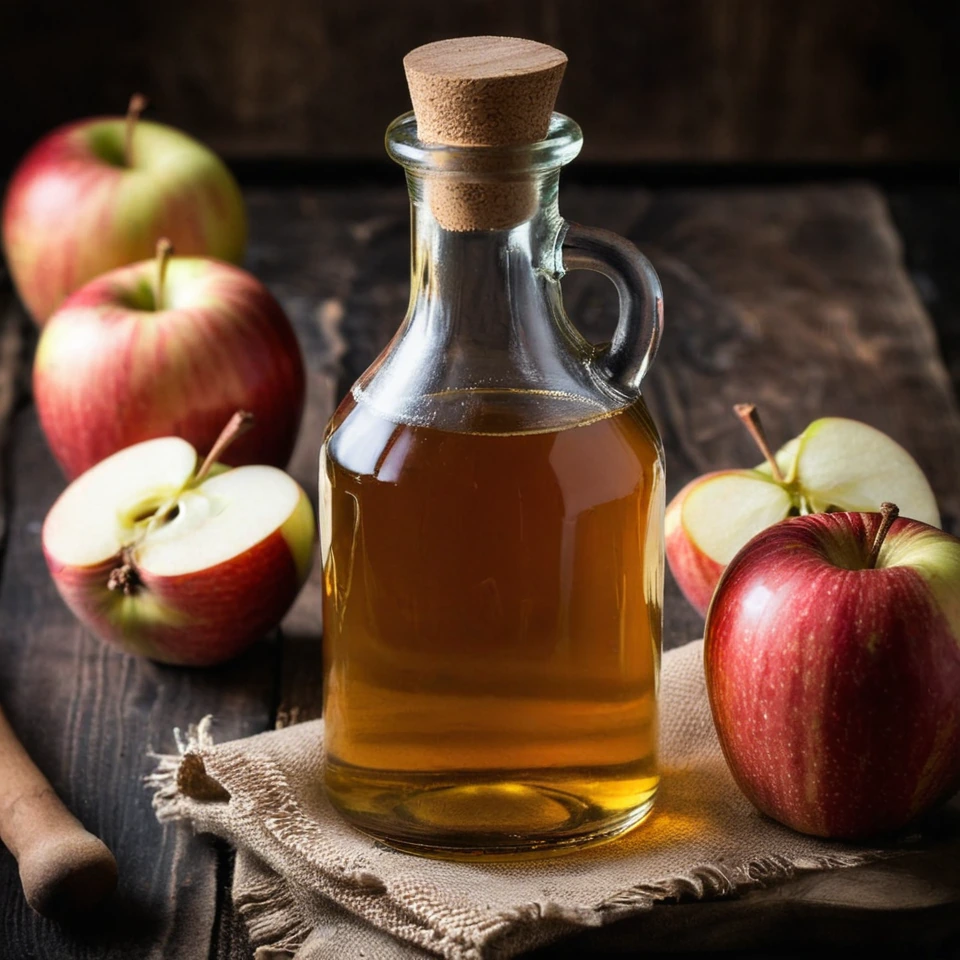
Apple Cider Vinegar
Apple cider vinegar is a type of vinegar made through the fermentation of apple cider, resulting in a tangy, slightly sweet liquid with a pale to medium amber color.
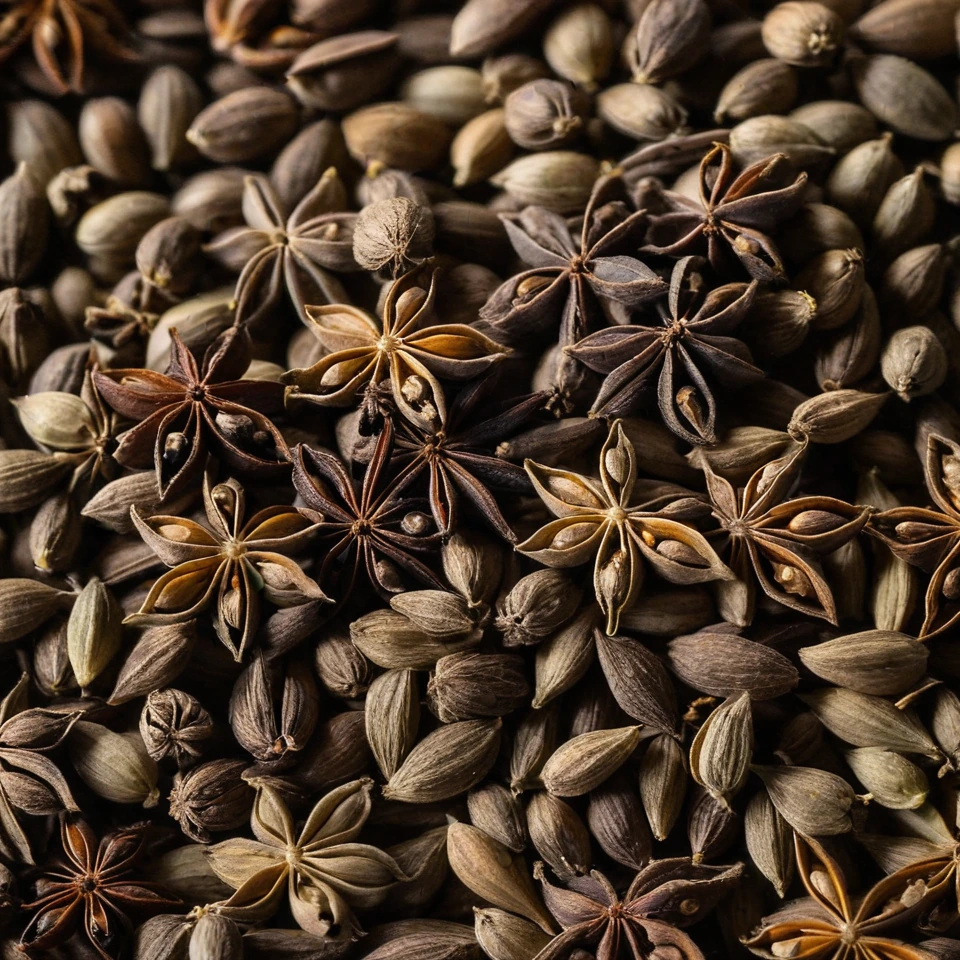
Anise Seeds
Anise seeds are small, oval seeds with a sweet, licorice-like flavor. They are commonly used in both sweet and savory dishes, offering a warm, aromatic taste.
Recipes to try
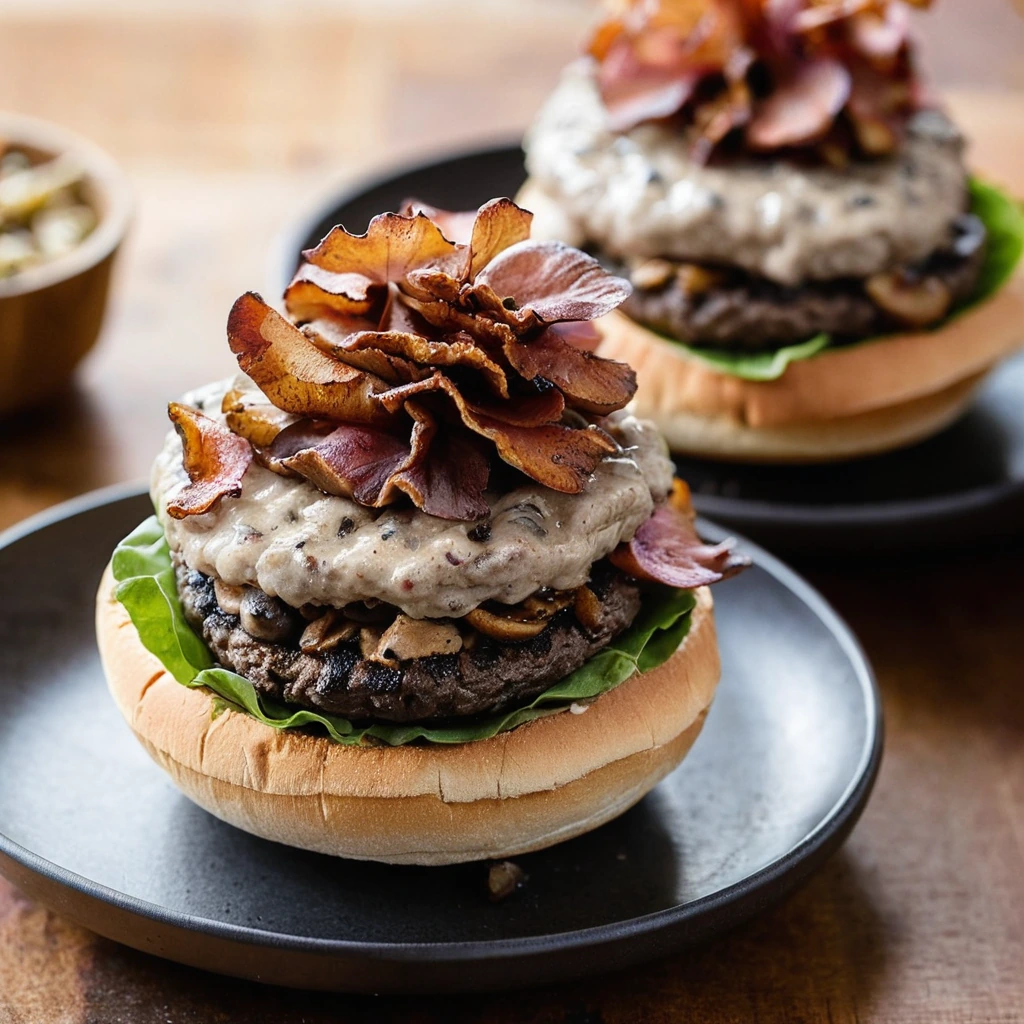
Maple Bacon Mushroom Burger Bowls
Sweet, smoky, and savory come together in these hearty bowls, where juicy burger patties meet crispy bacon and earthy mushrooms.
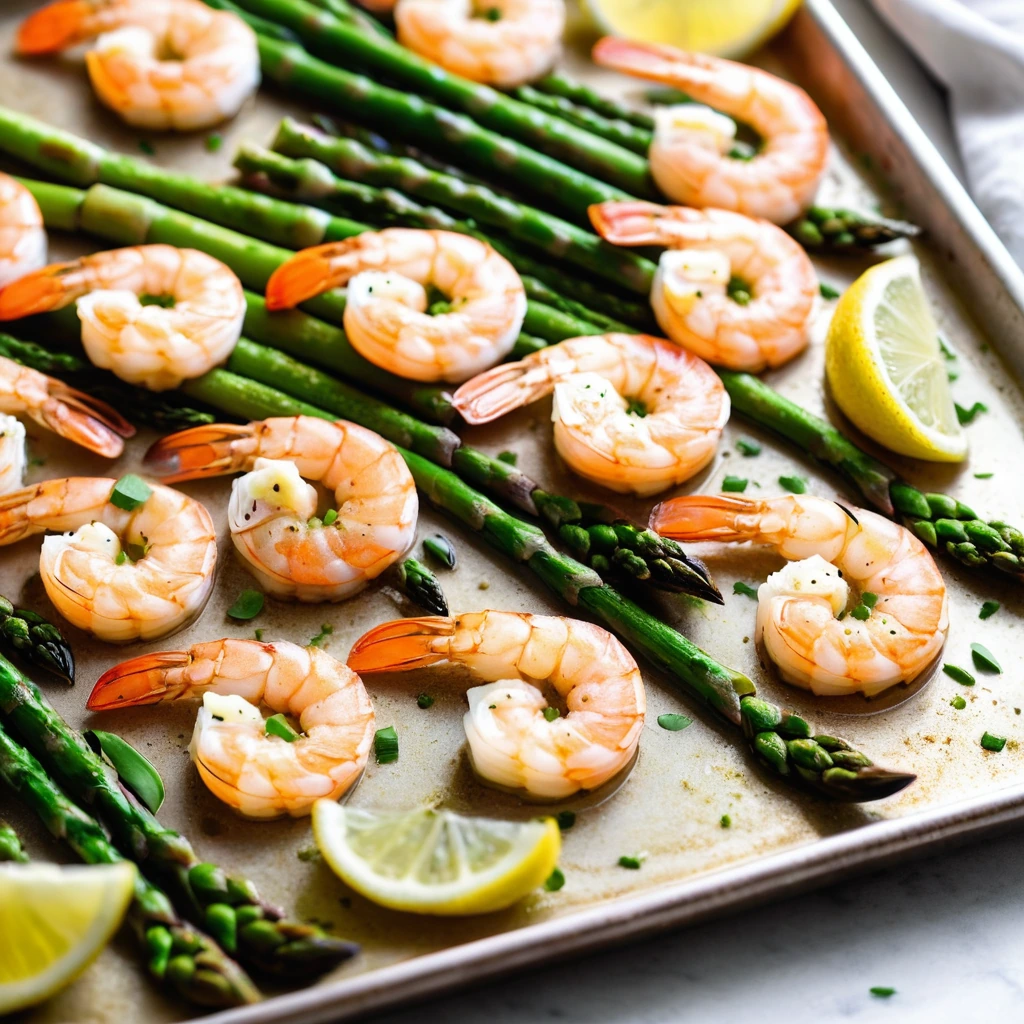
Lemon Garlic Butter Shrimp and Asparagus Sheet Pan
Bright and zesty, this sheet pan dinner is a burst of sunshine with tender shrimp and crisp asparagus in a luscious garlic butter sauce.