Safety: Recognizing Signs of Spoiled Food
Understanding how to recognize the signs of spoiled food is crucial for maintaining a safe kitchen. Spoiled food can harbor harmful bacteria, leading to foodborne illnesses. The senses of sight, smell, and touch are your first line of defense. Visual cues like mold, discoloration, or unusual textures are immediate red flags. Smell is equally important; a sour, rancid, or off odor often indicates spoilage. Taste is the last resort and should only be used if you're absolutely certain the food looks and smells fine. Different foods spoil in different ways; dairy products may develop a tangy or ammonia-like smell, while meats might turn gray or slimy. Fruits and vegetables can become overly soft or develop an off-putting aroma. Knowing the typical shelf life of your groceries helps preemptively avoid spoilage. Proper storage is key—refrigeration slows bacterial growth, and freezing halts it almost entirely. Familiarizing yourself with these signs will help you confidently discard suspect food before it poses a risk to your health.
Notes
Recognizing spoiled food relies on understanding how bacteria grow and thrive. Most bacteria multiply rapidly between 40°F and 140°F, known as the 'danger zone.' Refrigeration slows this growth, which is why timely storage is essential. A common mistake is relying solely on expiration dates; these are guidelines, not hard rules. Always use your senses to confirm safety. Another error is improper storage—raw meats should be on the lowest shelf to prevent drippings from contaminating other foods. For make-ahead meals, consider cooking and cooling quickly before refrigerating to minimize spoilage risk. Store leftovers within two hours of cooking, and consume within three to four days.
Steps
- 1 Inspect food for visible mold or unusual colors.
- 2 Check for slimy or excessively dry textures.
- 3 Smell food cautiously; discard if it emits a sour or rancid odor.
- 4 Examine dairy for a tangy or ammonia-like smell.
- 5 Look for gray or greenish hues on meats, which indicate spoilage.
- 6 Assess fruits and vegetables for softness or sliminess beyond ripeness.
- 7 Review package dates and discard if past the 'use by' date.
- 8 Store perishable items promptly at temperatures below 40°F.
- 9 Freeze items you won't use within their recommended fridge life.
- 10 Keep raw meats separate from ready-to-eat foods to avoid cross-contamination.
- 11 Regularly clean your fridge and pantry to prevent bacterial spread.
- 12 Use airtight containers to extend shelf life and protect against contamination.
Ingredients to explore
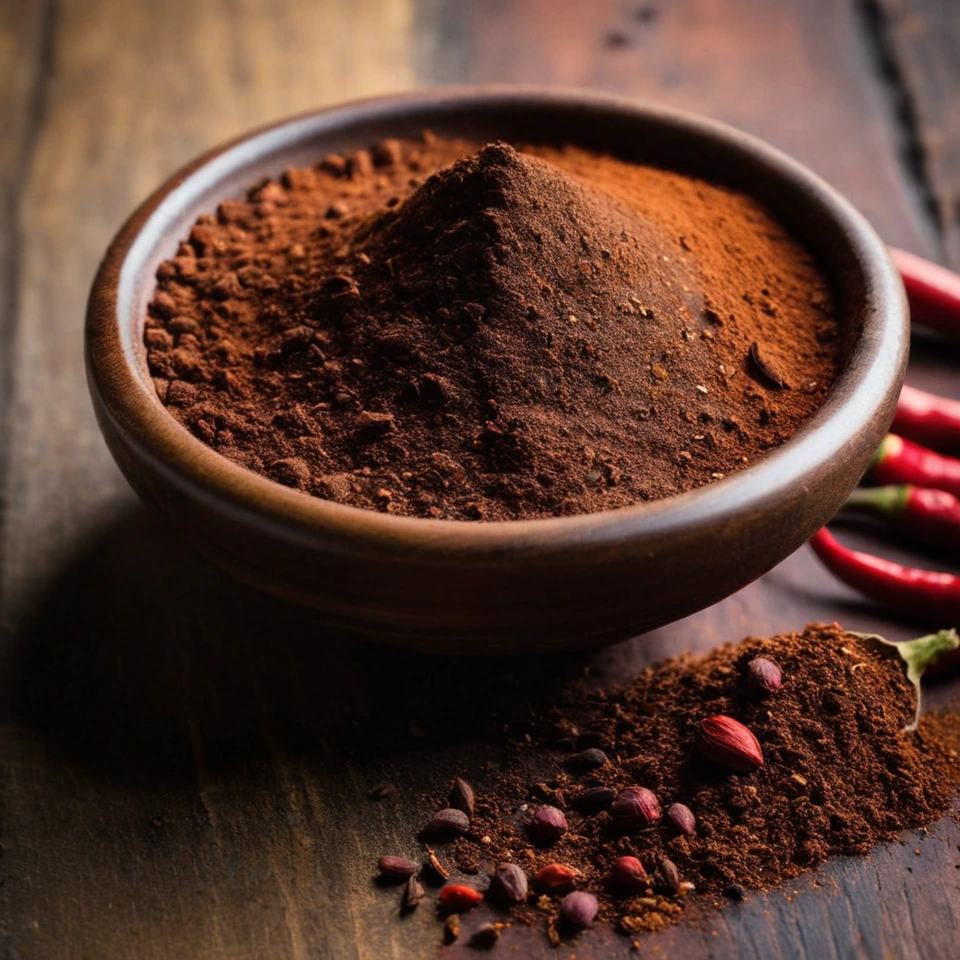
Ancho Chili Powder
Ancho chili powder offers a deep, smoky sweetness with hints of dried fruit and cocoa, reminiscent of its origin as dried poblano peppers from Mexico. Its aroma is warm and inviting, with a mild heat that lingers gently. The texture is fine and velvety, making it easy to incorporate into a variety of dishes. This powder is prized for its ability to add complexity without overwhelming spice, ideal for enriching both traditional Mexican moles and contemporary global cuisines.
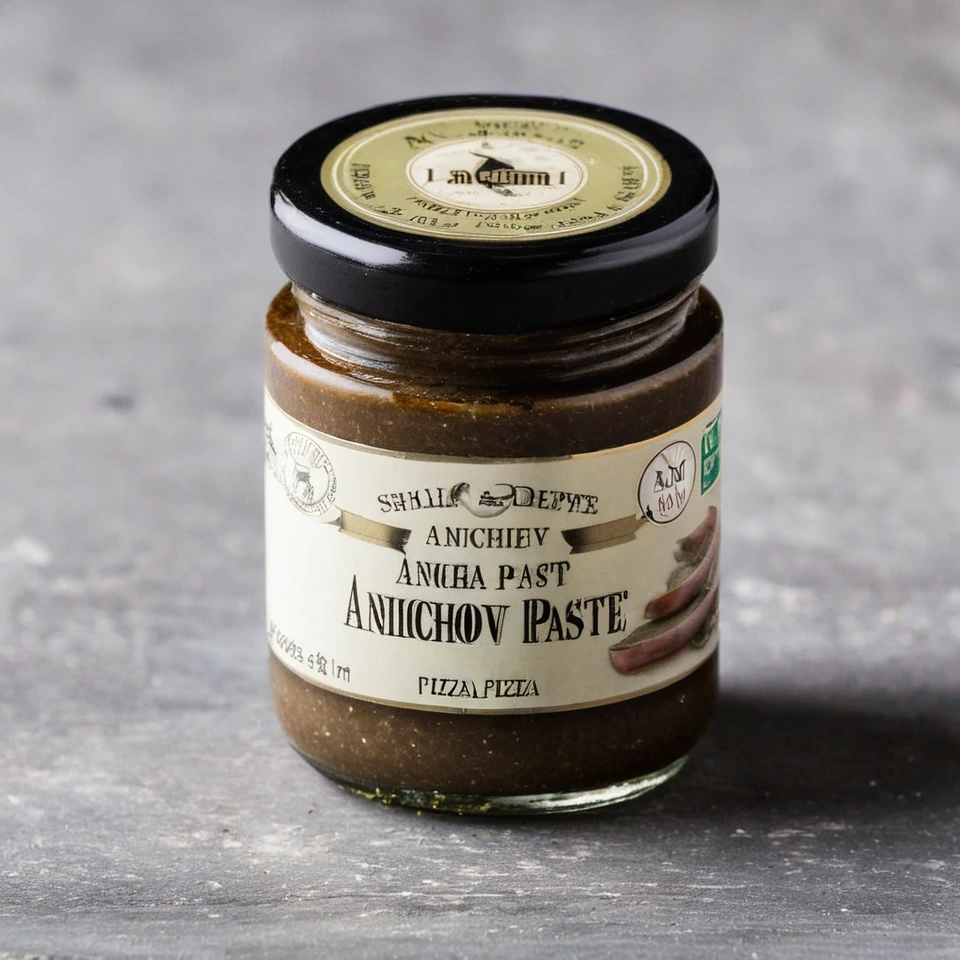
Anchovy Paste
Anchovy paste is a rich, salty spread made from finely ground anchovies, salt, and sometimes olive oil. It offers a deep umami flavor that enhances a variety of dishes.
Recipes to try

Shrimp and Chorizo Rice Skillet
A zesty, one-pan wonder where plump shrimp and smoky chorizo mingle with fragrant rice, creating a fiesta in every bite.

Triple Chocolate Chunk Skillet Cookie
This skillet cookie is a gooey, decadent delight with chunks of dark, milk, and white chocolate that will make you swoon.