Safety: Cooling Soups and Stews in Shallow Pans
When you've whipped up a hearty batch of soup or stew, the last thing you want is for it to spoil due to improper cooling. This is where the technique of cooling soups and stews in shallow pans comes into play. It's a simple yet effective method that helps maintain the quality and safety of your culinary creations. By spreading out the hot liquid into a wider, shallower container, you drastically increase the surface area exposed to cooler air. This allows for faster and more even cooling, preventing the growth of harmful bacteria that thrive in the 'danger zone' of 40°F to 140°F. This technique is particularly crucial during warmer months or in kitchens that lack adequate cooling facilities. It also helps preserve the texture and flavor of your soup or stew, ensuring it tastes just as delicious when reheated. Whether you're preparing a large pot of chicken noodle soup or a rich beef stew, mastering this cooling method will safeguard your dishes and extend their shelf life.
Notes
This cooling technique works by leveraging the principles of heat transfer. The larger surface area allows for more efficient conduction and convection, cooling the food faster and keeping it out of the danger zone where bacteria multiply rapidly. A common mistake is using deep containers, which can lead to uneven cooling and potential spoilage. Always use clean containers and utensils to avoid cross-contamination. If you're cooling large quantities, consider dividing the soup into multiple shallow pans to ensure quick cooling. For storage, soups and stews can typically last 3-4 days in the refrigerator or be frozen for up to 3 months. Ensure your refrigerator is set to 40°F or lower to maintain food safety.
Steps
- 1 Transfer the hot soup or stew into a clean, shallow pan or container.
- 2 Ensure the pan is no more than 2 inches deep to maximize surface area.
- 3 Place the pan on a wire rack or trivet to allow air circulation underneath.
- 4 Stir the soup or stew occasionally to promote even cooling.
- 5 Monitor the cooling process to ensure it reaches 70°F within 2 hours.
- 6 Once cooled to room temperature, cover the pan with a lid or plastic wrap.
- 7 Refrigerate the soup or stew promptly, ensuring it reaches 40°F or below within 4 hours total.
- 8 Divide into smaller portions for quicker cooling if refrigerating takes longer.
- 9 Label the container with the date to keep track of freshness.
Ingredients to explore

American Cheese Slices
Those iconic, perfectly pliable slices of creamy, mild American cheese. Each slice boasts a smooth, melt-in-your-mouth texture that brings comfort to any dish.
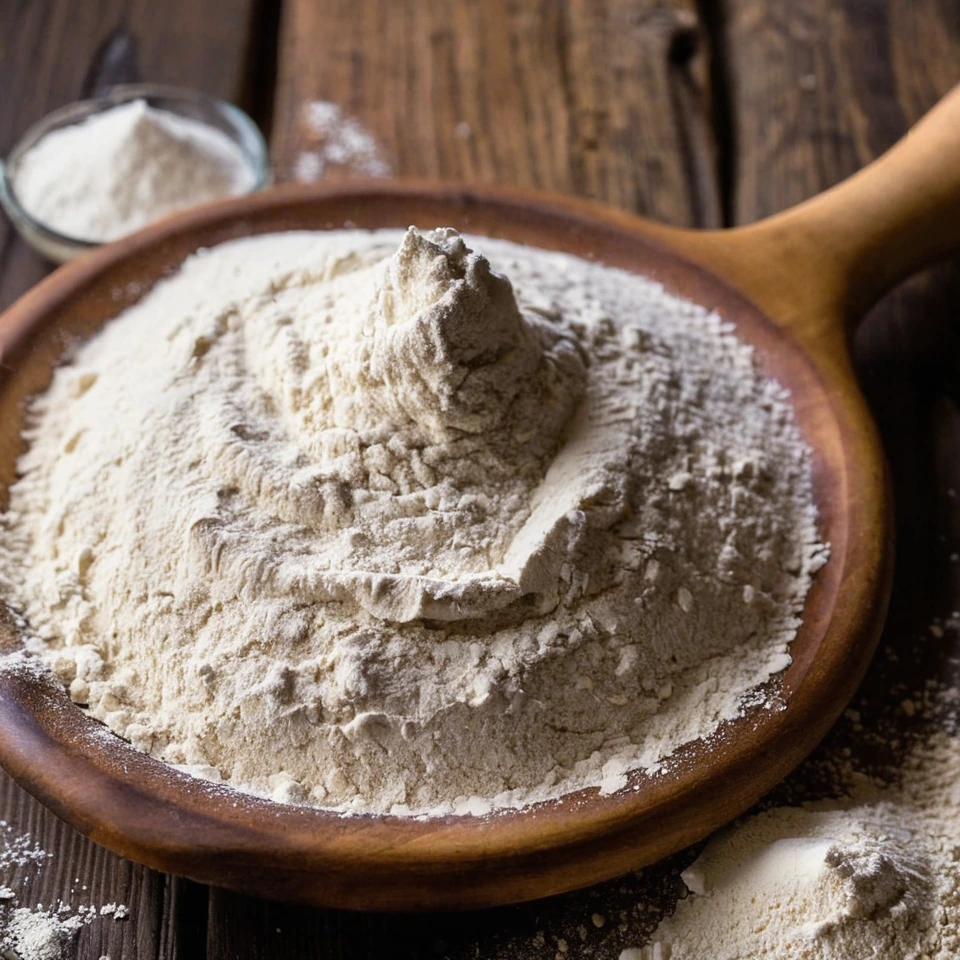
All-Purpose Flour
All-purpose flour is a versatile wheat flour that contains a moderate level of protein and gluten, making it suitable for a wide range of baking and cooking needs.
Recipes to try
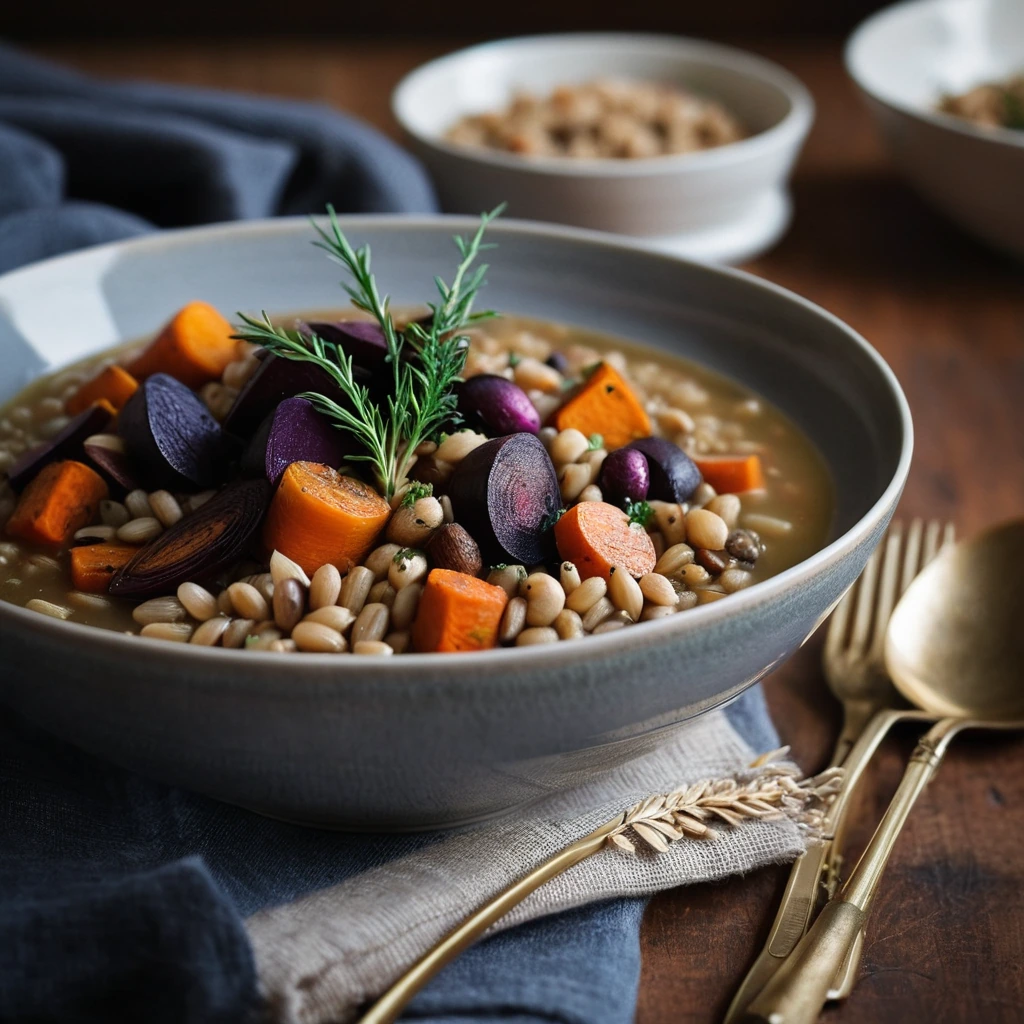
Roasted Root Vegetable and Barley Stew
Hearty and deeply flavorful, this stew marries caramelized root veggies with chewy barley for a comforting bowlful of warmth.
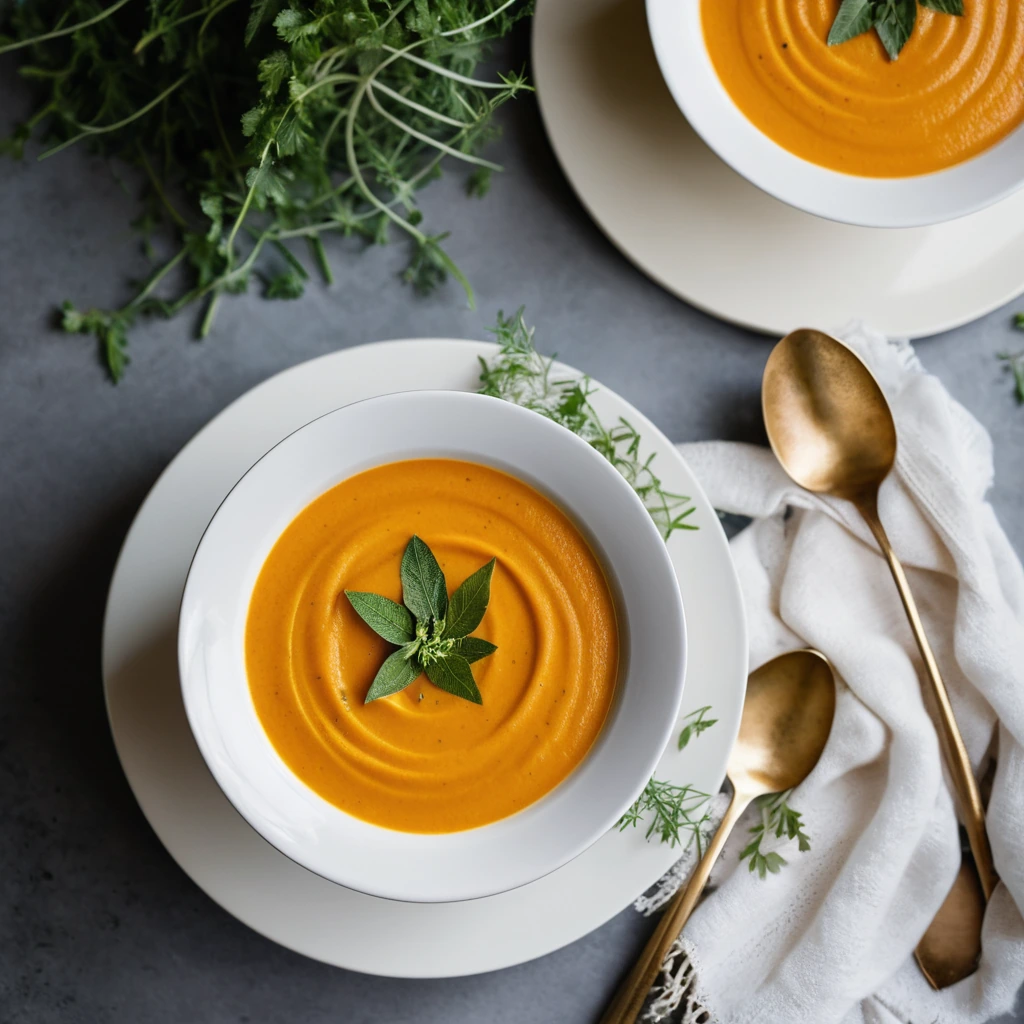
Pumpkin and Sweet Potato Bisque
Creamy and comforting, this bisque marries the earthy sweetness of pumpkin with the subtle nuttiness of sweet potato.