Rice: Making Sticky Rice for Bowls and Sushi
Sticky rice, also known as sushi rice or uruchimai, is a staple in Japanese cuisine, essential for creating those perfect sushi rolls or a comforting bowl of rice. Achieving the ideal texture requires precision and understanding. Unlike regular rice, sticky rice has a higher amylopectin content, giving it that coveted chewy, slightly tacky quality. To make it at home, you'll need to carefully measure your rice and water, rinse thoroughly to remove excess starch, and cook it just right to ensure it's neither too dry nor too mushy. This guide will walk you through selecting the right rice, preparing it properly, and seasoning it to perfection. The key is patience and attention to detail. First, choose short-grain rice labeled'sushi rice' or'sticky rice.' Rinse it several times until the water runs clear to eliminate excess starch and prevent overly sticky clumps. Soak the rice to allow it to absorb water evenly, ensuring each grain cooks uniformly. After cooking, proper seasoning and cooling techniques will give you that glossy finish and flavor profile beloved in sushi and rice bowls alike. Finally, mastering the art of handling and shaping the rice will elevate your culinary creations.
Notes
The science behind sticky rice lies in its amylopectin content, which creates the sticky texture when heated. A common mistake is not rinsing the rice enough, leading to overly sticky clumps. Conversely, rinsing too much can remove too much starch, resulting in separate grains. To avoid this, rinse until the water is just cloudy. Safety-wise, ensure your rice cooker or saucepan is clean and free of contaminants. For storage, let the rice cool completely before refrigerating in an airtight container for up to 2 days. Reheating should be done gently to preserve texture.
Steps
- 1 Measure 1 cup of sushi rice and place it in a fine-mesh strainer.
- 2 Rinse the rice under cold water, stirring gently with your fingers until the water runs clear.
- 3 Transfer the rice to a bowl, add 1 1/4 cups of water, and let it soak for 30 minutes.
- 4 Drain the rice thoroughly after soaking.
- 5 Add the rice to a medium saucepan and cook over medium heat.
- 6 Bring to a gentle simmer, then reduce heat to low, cover, and cook for 15 minutes.
- 7 Remove from heat and let it sit, covered, for another 10 minutes.
- 8 While the rice is cooking, prepare the seasoning: mix 2 tablespoons rice vinegar, 1 tablespoon sugar, and 1/2 teaspoon salt in a small saucepan.
- 9 Heat the seasoning mixture gently until the sugar dissolves, then let it cool.
- 10 Transfer the cooked rice to a large wooden bowl.
- 11 Slowly drizzle the seasoning over the rice while cutting into it with a rice paddle or spatula to mix evenly.
- 12 Continue to gently fold and fan the rice to cool it down and give it a glossy finish.
- 13 Once the rice is at room temperature, it is ready to use for sushi rolls or bowls.
Ingredients to explore
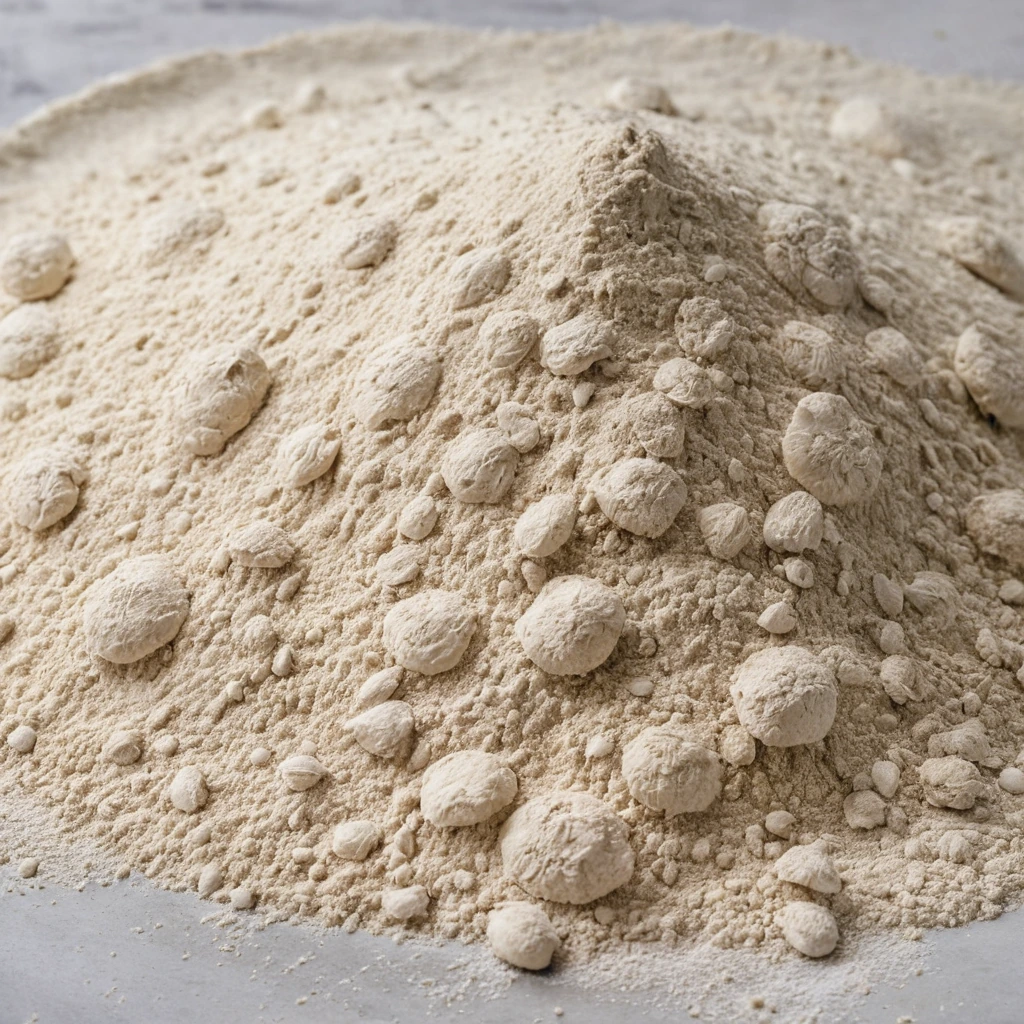
00 Pizza Flour
00 pizza flour is a finely milled Italian flour prized for its versatility in creating authentic Neapolitan-style pizza crusts. Originating from Italy, it is milled to a very fine consistency, which is reflected in its name, 'doppio zero,' indicating its fine grind. This flour has a balanced flavor profile, offering a mild, slightly sweet taste with a subtle nuttiness. Its texture is silky and smooth, contributing to a tender yet chewy crust when used in pizza making. In cooking, 00 pizza flour is known for its ability to hydrate quickly and develop a desirable gluten structure, resulting in a light and airy crust that can withstand high-heat cooking without becoming overly crispy or hard.
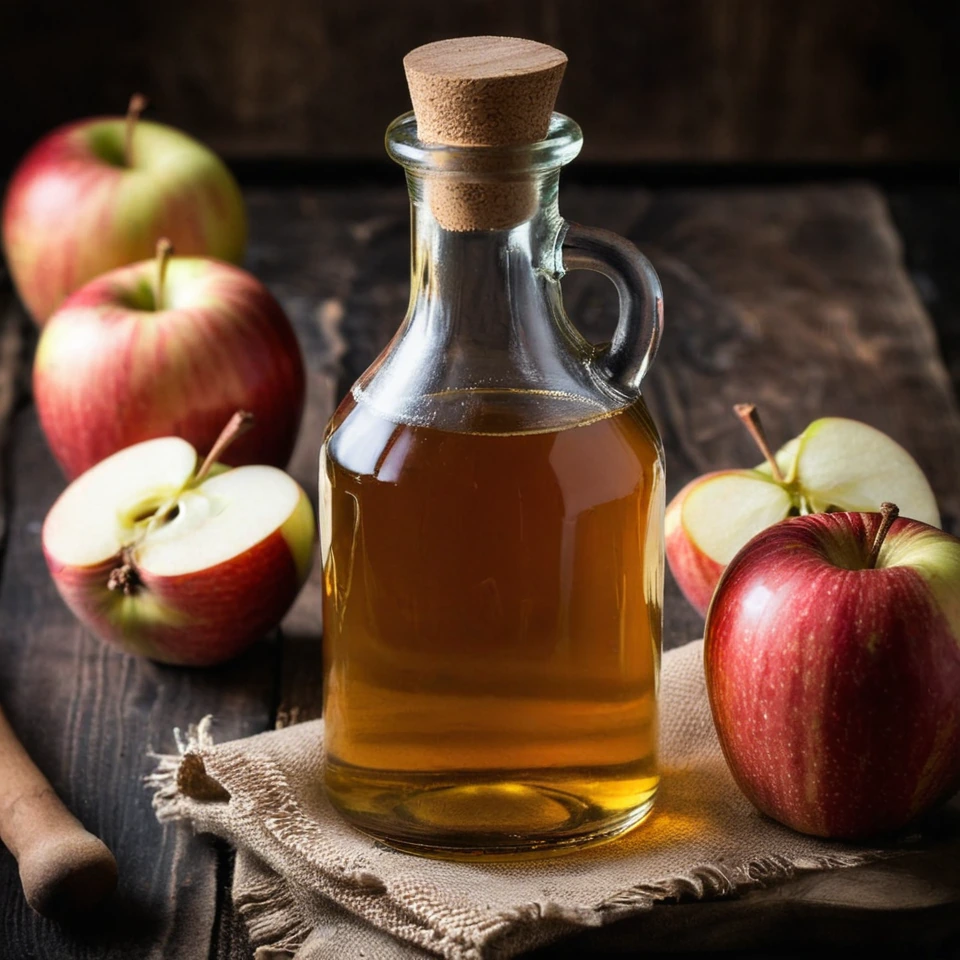
Apple Cider Vinegar
Apple cider vinegar is a type of vinegar made through the fermentation of apple cider, resulting in a tangy, slightly sweet liquid with a pale to medium amber color.
Recipes to try

Sausage, Egg, and Cheese Croissant Pockets
Buttery croissants envelop a warm, savory trio of sausage, fluffy scrambled eggs, and melty cheese for a breakfast pocket that's pure bliss.
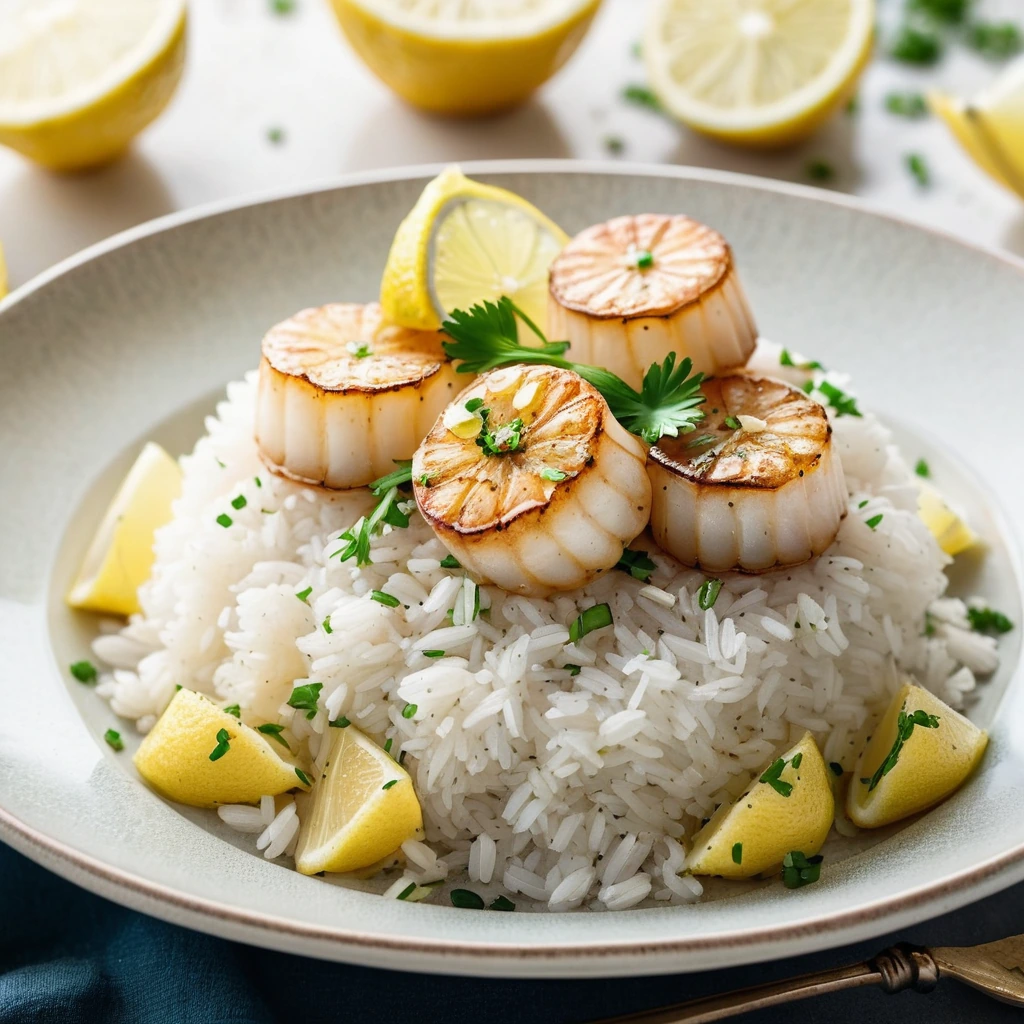
Lemon Garlic Butter Scallops over Rice
Tender scallops kissed with lemon and garlicky butter, served over fluffy white rice for a luxurious yet simple dinner.