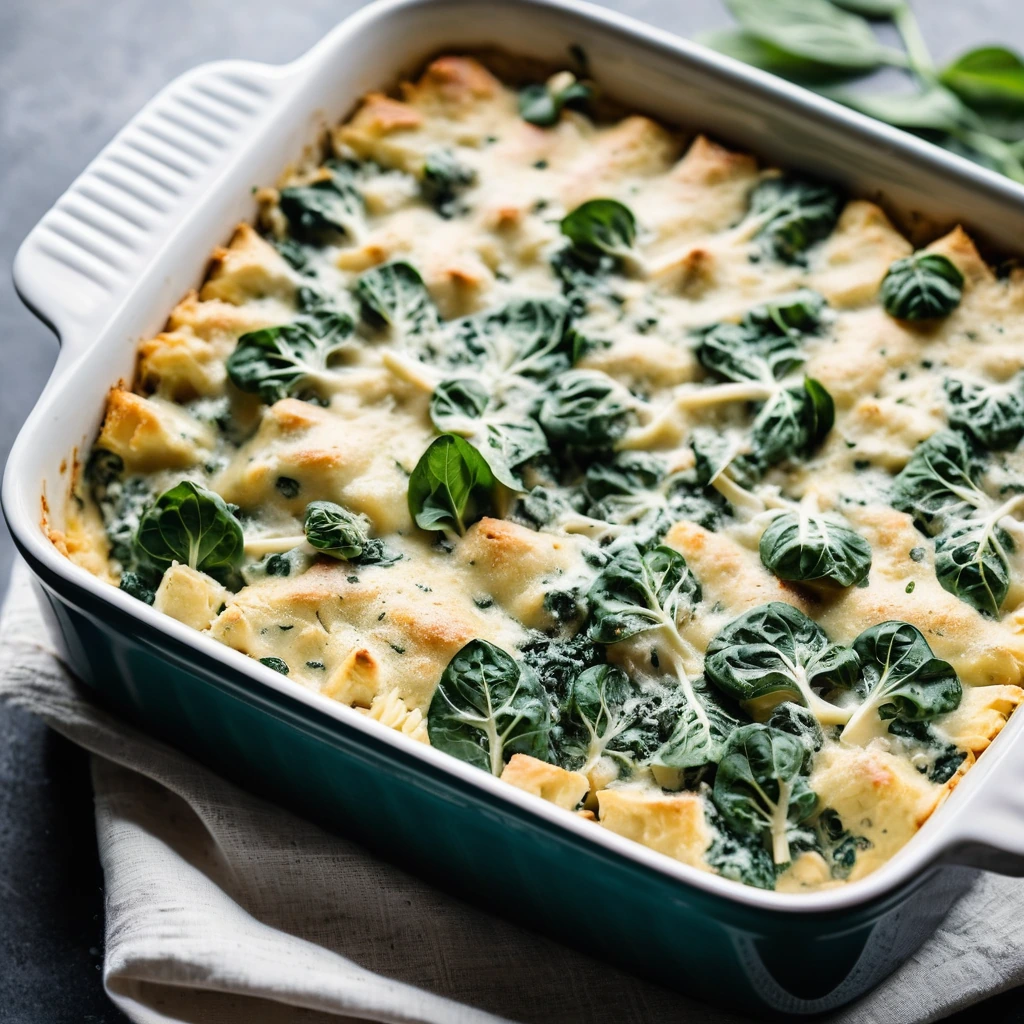
Preserving: Blanch and Freeze Vegetables Properly
Blanching and freezing vegetables is a fantastic technique for preserving the freshness and nutrients of your garden or farmers' market bounty. This method halts enzyme activity that can lead to spoilage, locking in color, texture, and flavor. By understanding the process, you can enjoy your favorite vegetables year-round, without sacrificing quality. Blanching involves briefly cooking vegetables in boiling water or steam, followed by an ice bath to stop the cooking process. This step is crucial for maintaining the vegetables' vibrant colors and crisp textures. Freezing is the final step, which requires careful preparation to avoid freezer burn and maintain quality. This technique is perfect for vegetables like green beans, peas, corn, and broccoli. With a little patience and attention to detail, you can stock your freezer with nutrient-rich vegetables that taste almost as fresh as the day you picked them.
Notes
The blanching process is essential as it inactivates enzymes that can lead to loss of color, flavor, and texture during freezing. Common mistakes include under-blanching, which fails to stop enzyme activity, and over-blanching, which can cause loss of nutrients and texture. Avoid overcrowding the blanching pot to maintain consistent water temperature. Always ensure vegetables are completely dry before freezing to prevent ice crystals from forming. Safety is paramount; never use a container that isn't labeled and dated, as freezer burn can occur if vegetables are stored too long. For make-ahead convenience, blanch and freeze vegetables in meal-sized portions to simplify future cooking.
Steps
- 1 Select fresh, high-quality vegetables and wash them thoroughly.
- 2 Trim and cut vegetables into uniform sizes for even cooking.
- 3 Bring a large pot of water to a rolling boil; prepare a separate ice bath with ample ice and water.
- 4 Blanch small batches of vegetables in the boiling water for 2-5 minutes, depending on the type and size.
- 5 Immediately transfer blanched vegetables to the ice bath to stop the cooking process.
- 6 Drain vegetables well after the ice bath to remove excess moisture.
- 7 Pat vegetables dry with clean kitchen towels or use a salad spinner.
- 8 Arrange vegetables in a single layer on baking sheets and freeze until solid.
- 9 Transfer frozen vegetables to airtight containers or freezer bags, removing as much air as possible.
- 10 Label containers with the vegetable name and date before storing them in the freezer.
- 11 Store frozen vegetables at 0°F or lower for up to 8-12 months for best quality.
- 12 When ready to use, cook vegetables directly from frozen without thawing.
Ingredients to explore
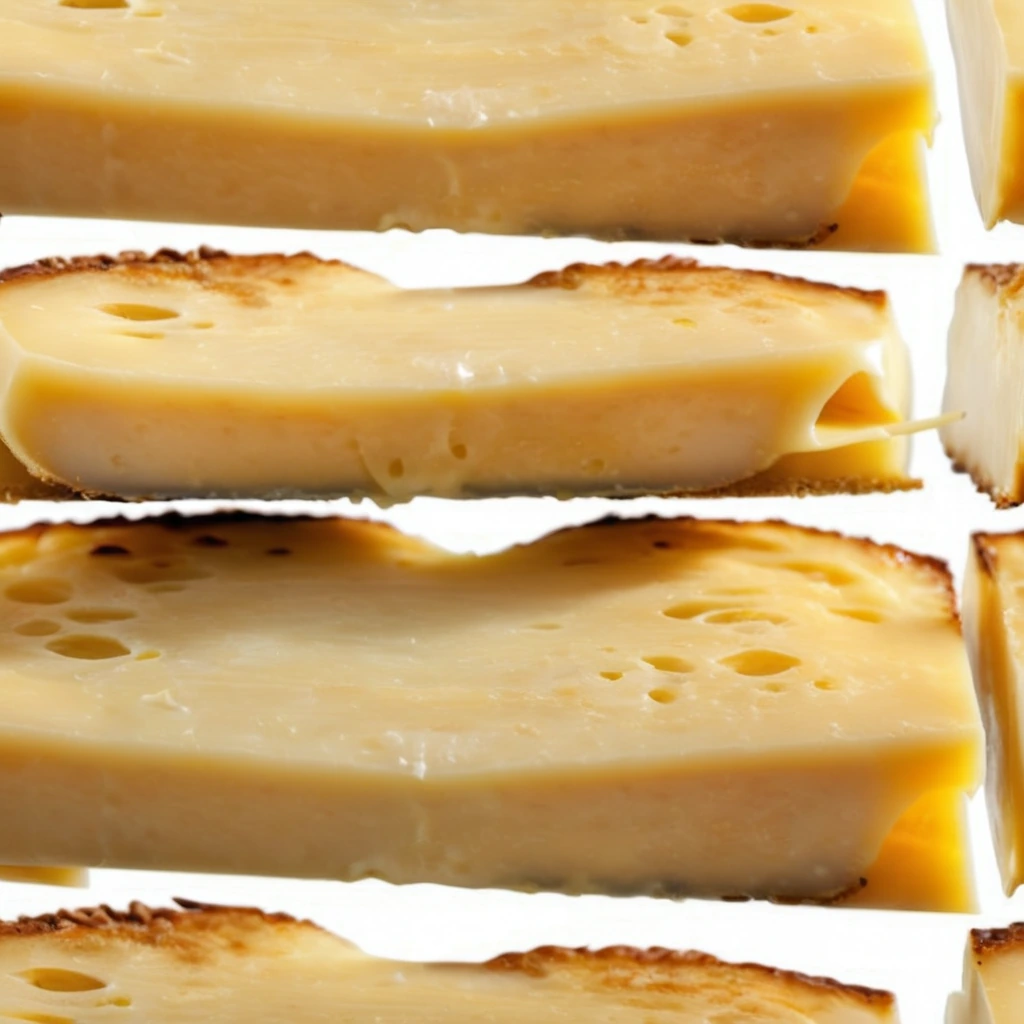
American Cheese Slices
Those iconic, perfectly pliable slices of creamy, mild American cheese. Each slice boasts a smooth, melt-in-your-mouth texture that brings comfort to any dish.
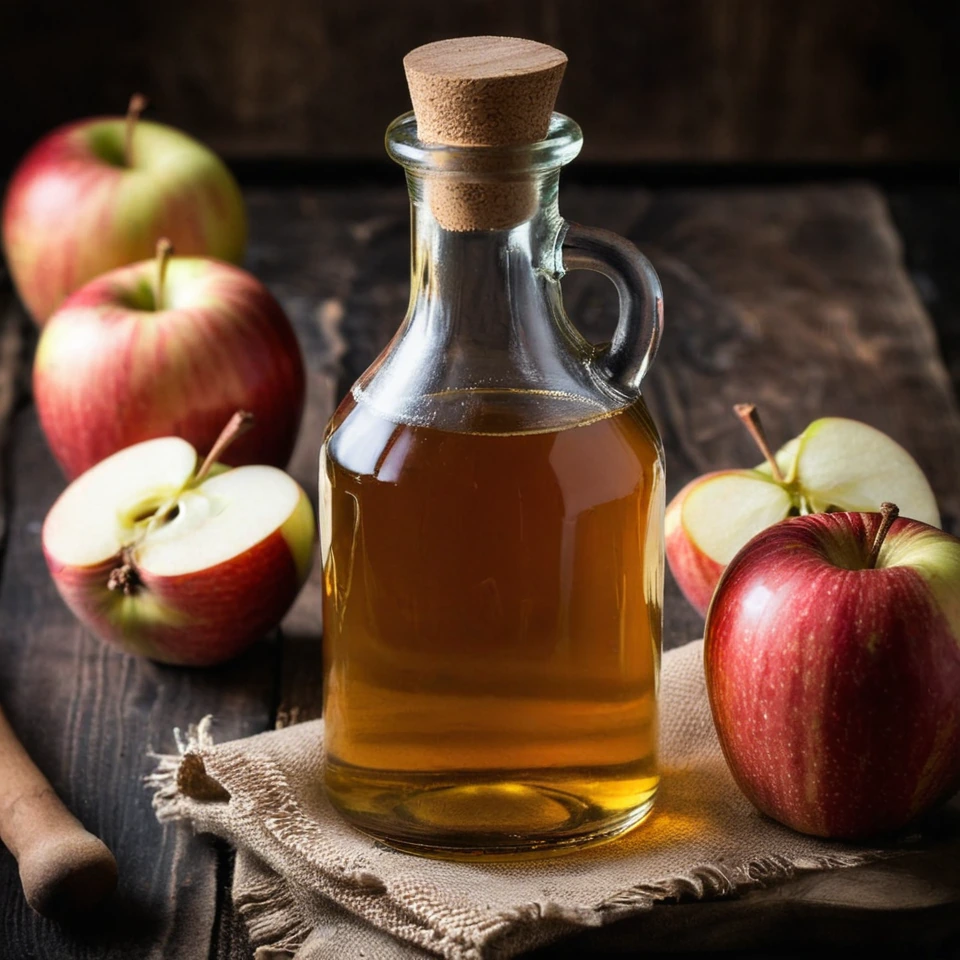
Apple Cider Vinegar
Apple cider vinegar is a type of vinegar made through the fermentation of apple cider, resulting in a tangy, slightly sweet liquid with a pale to medium amber color.