Preservation Technique: Wet Brining for Juicy Poultry
Wet brining is a tried-and-true method to ensure your poultry is succulent and flavorful from edge to edge. It's a simple technique that involves soaking your bird in a saltwater solution, often with added aromatics and seasonings, before cooking. The science behind brining is osmosis: the natural process where liquid moves from an area of lower solute concentration to higher concentration, in this case from the brine into the meat. This not only hydrates the meat but also seasons it throughout. Brining can transform a potentially dry roast chicken into a juicy masterpiece, or elevate your Thanksgiving turkey from good to unforgettable. We'll explore the nuances of creating the perfect brine, how long to brine for, and the importance of properly chilling your brine to ensure food safety. Understanding wet brining will not only improve your poultry dishes but also give you confidence in your culinary skills, knowing you've mastered a fundamental preservation technique that's been used for centuries.
Notes
The science of brining lies in its ability to denature proteins, allowing them to retain moisture and flavor. A common mistake is over-brining, which can make the meat unpleasantly salty; always adhere to recommended times. Ensure your brine is properly chilled to avoid bacterial growth. For make-ahead convenience, you can brine your poultry the day before cooking, storing it safely in the refrigerator. Leftovers can be stored in the fridge for up to 3 days or frozen for longer preservation.
Steps
- 1 Dissolve 1 cup of kosher salt in 1 gallon of water.
- 2 Add 1/2 cup of sugar to the brine for balance, stirring until dissolved.
- 3 Incorporate aromatics like garlic cloves, peppercorns, and fresh herbs.
- 4 Ensure the brine is completely cooled to below 40°F before use.
- 5 Submerge the poultry completely in the brine, weighing it down if necessary.
- 6 Refrigerate the poultry in the brine for 12 to 24 hours, depending on size.
- 7 Remove the poultry from the brine and discard the used brine.
- 8 Rinse the poultry under cold water to remove excess salt.
- 9 Pat the poultry dry with paper towels before cooking.
- 10 Cook the poultry using your preferred method, ensuring it reaches a safe internal temperature of 165°F.
Ingredients to explore
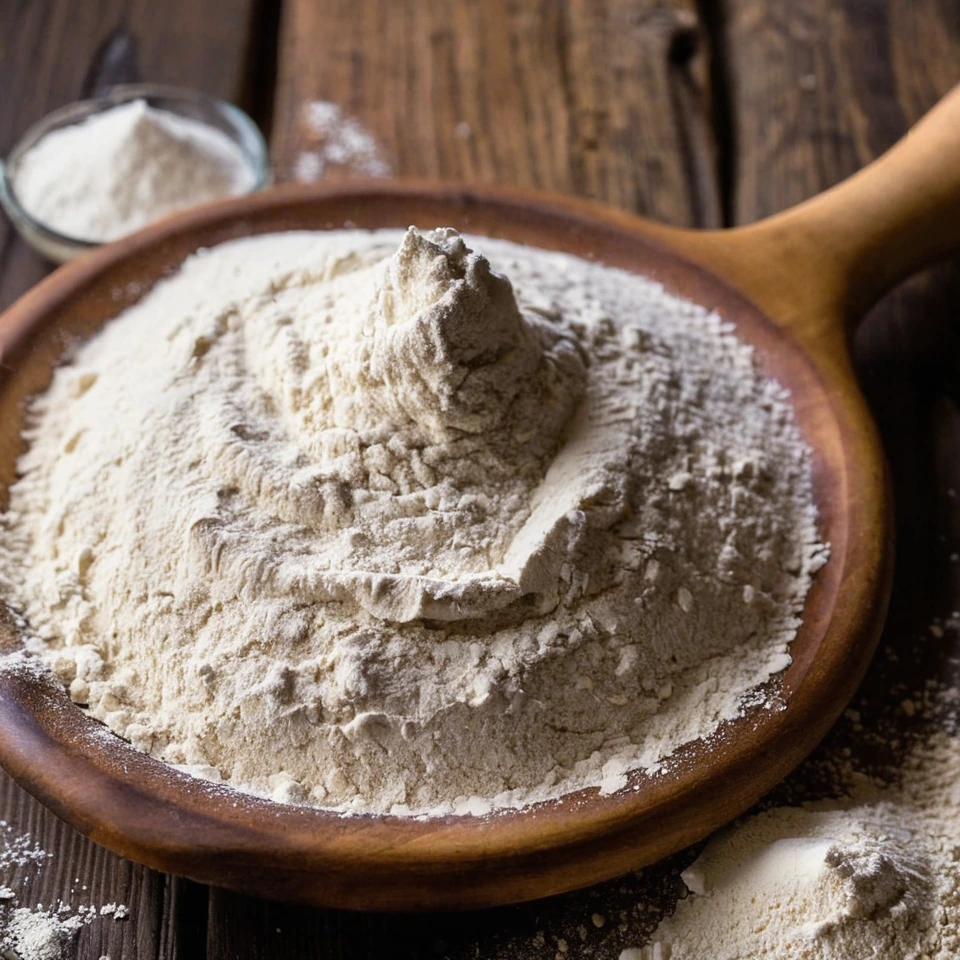
All-Purpose Flour
All-purpose flour is a versatile wheat flour that contains a moderate level of protein and gluten, making it suitable for a wide range of baking and cooking needs.
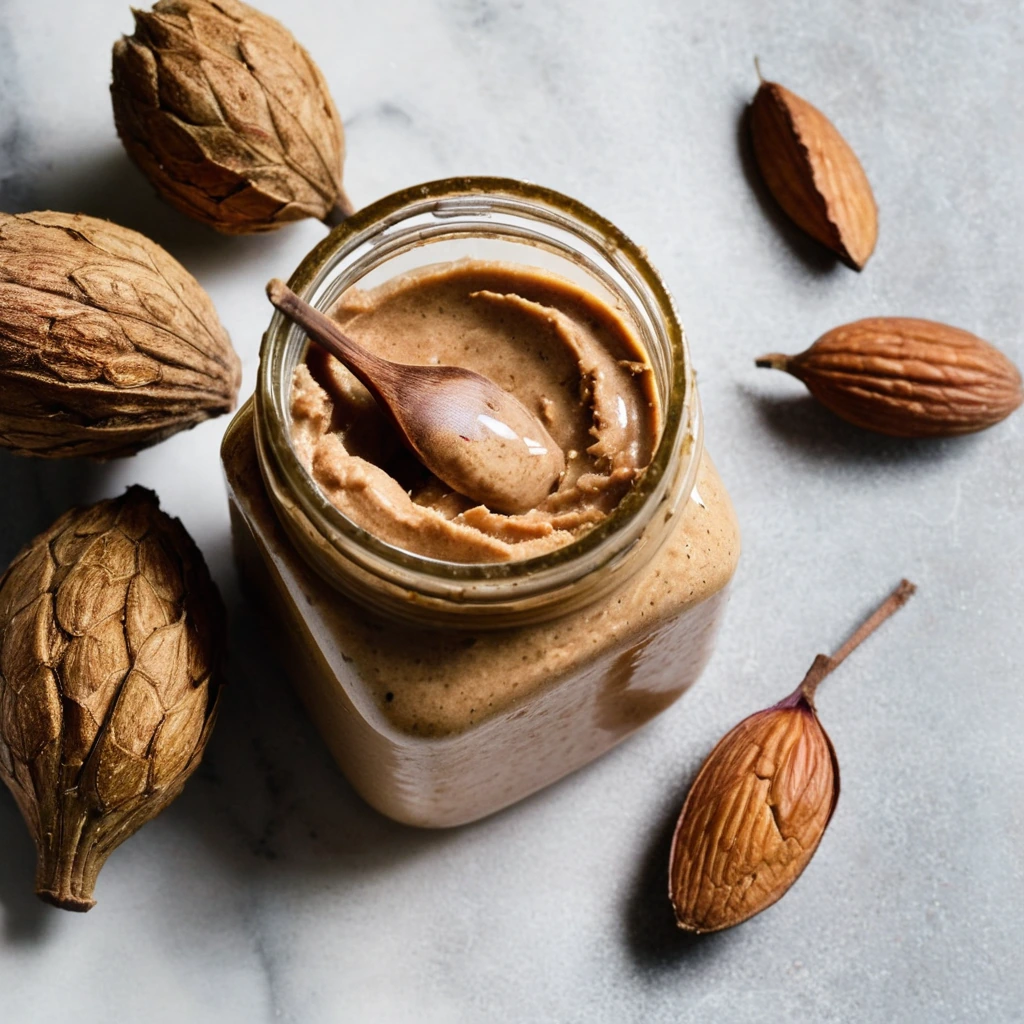
Almond Butter
A velvety, nutty spread crafted from finely ground almonds, offering a rich and satisfying flavor that's both comforting and indulgent.
Recipes to try
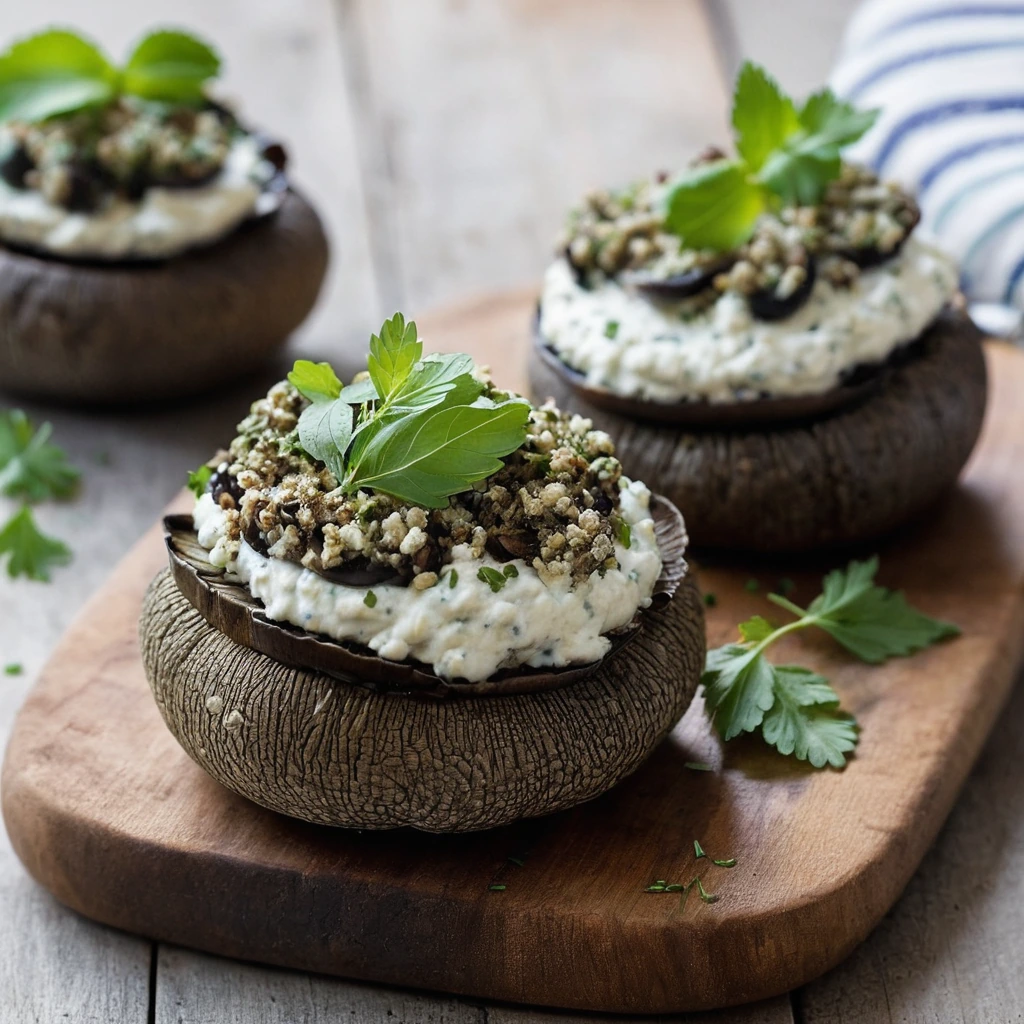
Stuffed Portobello Mushrooms with Herbed Ricotta
These earthy portobello mushrooms are stuffed with a creamy, herbed ricotta mixture, offering a satisfying vegetarian delight that's both elegant and easy.
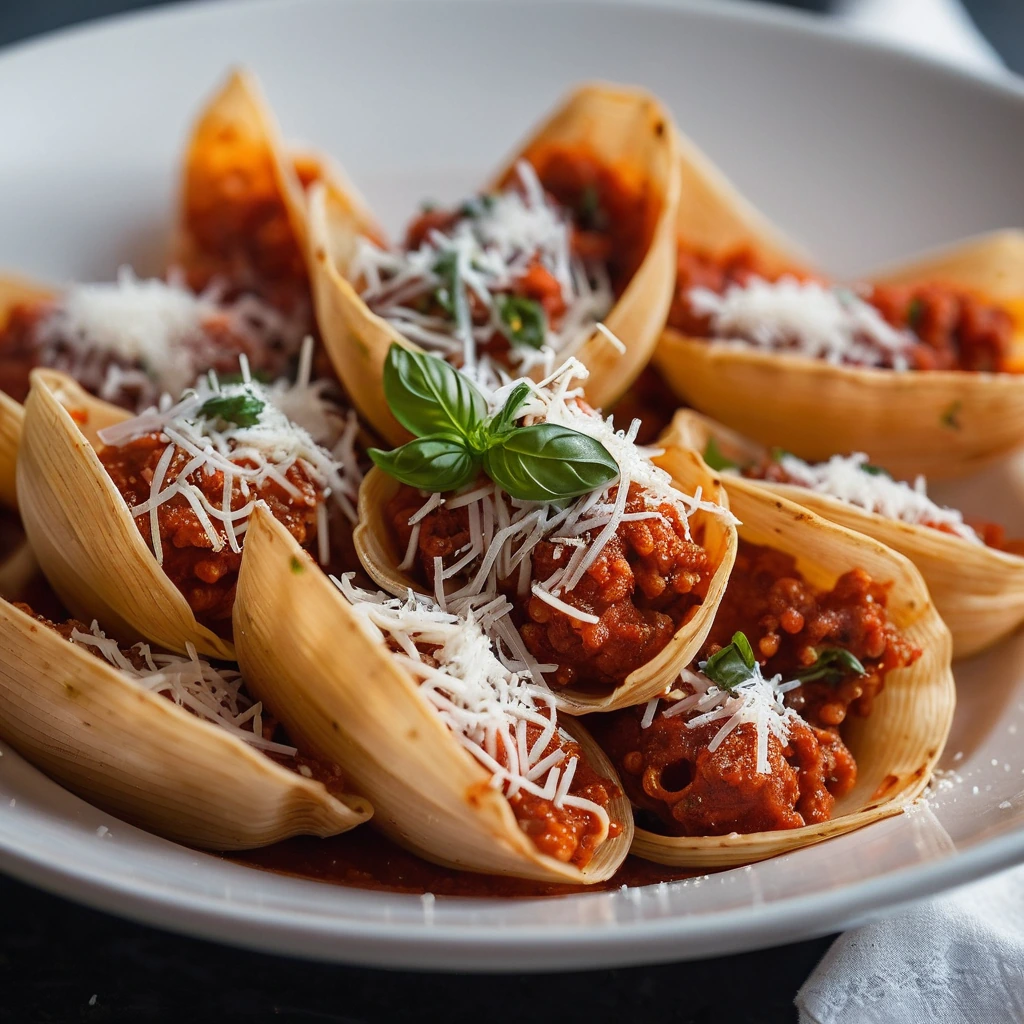
Spicy Arrabbiata Shells with Parmesan
Fiery and fresh, these pasta shells are smothered in a spicy tomato sauce and crowned with nutty Parmesan.