Preservation Technique: Turning Leftovers into Meal Prep Bowls
Transforming leftovers into meal prep bowls is a smart way to minimize food waste while maximizing convenience. This technique allows you to repurpose yesterday's dinner into tomorrow's lunch with ease. By understanding how to properly store and reimagine leftovers, you can maintain their freshness and flavor. Start by evaluating your leftovers: proteins, grains, and vegetables are ideal candidates. Then, consider flavor profiles and textures that complement each other. Meal prep bowls are not just about reusing food; they are about creating balanced, nutritious meals. Layering is key—begin with grains at the bottom to absorb any excess moisture, followed by proteins, and finish with vegetables to maintain their crispness. Dressings and sauces should be added just before eating to prevent sogginess. This technique is not only eco-friendly but also budget-friendly, making it a win-win for any home cook. With a little creativity, leftovers can become vibrant, exciting dishes that rival their original form. Embrace this preservation technique to streamline your meal planning and enjoy the satisfaction of reducing waste while savoring delicious, homemade meals.
Notes
The science behind this technique lies in proper food storage to inhibit bacterial growth. By separating components and refrigerating promptly, you extend their shelf life. A common mistake is overcrowding the bowl, leading to sogginess; ensure layers are even and compact. Safety is paramount: always check leftovers for signs of spoilage before use. For make-ahead convenience, prepare components separately and assemble just before storage. Stored properly, meal prep bowls can last up to four days in the refrigerator, offering flexibility for busy schedules.
Steps
- 1 Assess your leftovers for freshness and compatibility.
- 2 Choose a base for your bowl, typically grains like rice or quinoa.
- 3 Layer cooked proteins such as chicken, tofu, or beans on top of the base.
- 4 Add a variety of vegetables, keeping raw and cooked separate to maintain texture.
- 5 Prepare a simple dressing or sauce to drizzle over the bowl before serving.
- 6 Portion your meal prep bowls into airtight containers.
- 7 Store the bowls in the refrigerator within two hours of preparation.
- 8 Reheat individual components if necessary before serving to maintain texture.
Ingredients to explore
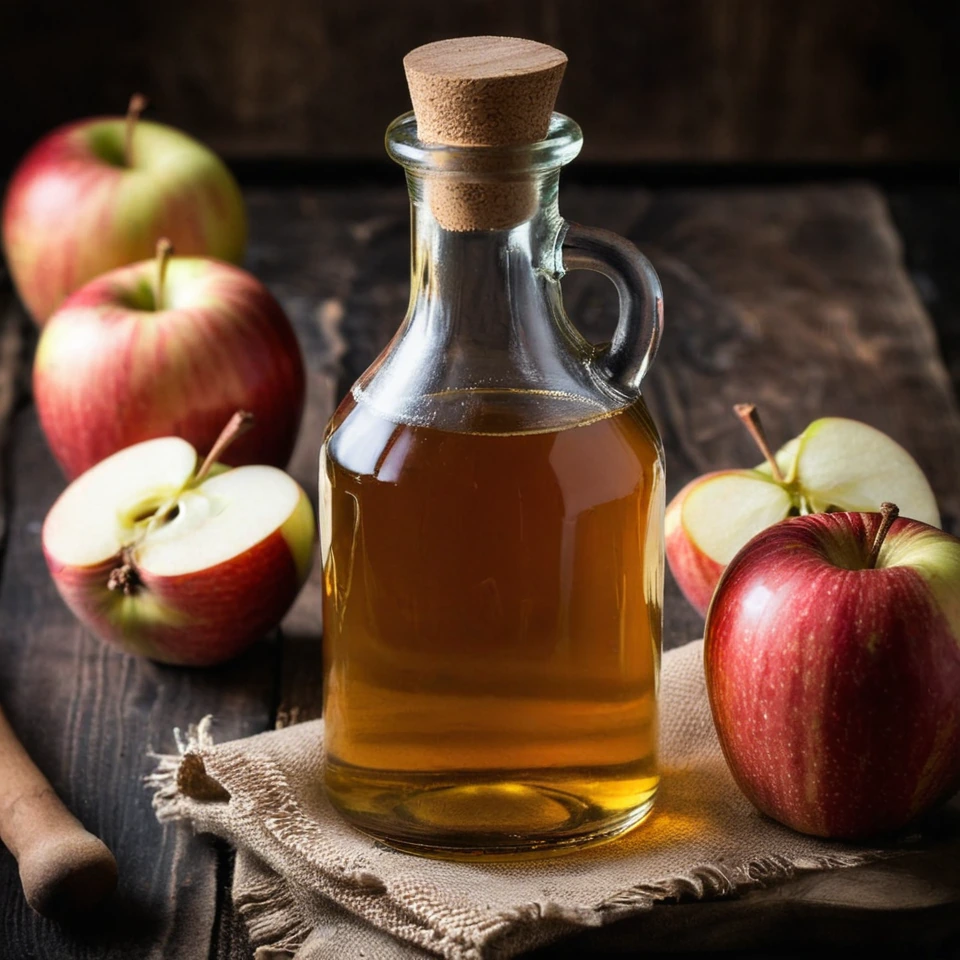
Apple Cider Vinegar
Apple cider vinegar is a type of vinegar made through the fermentation of apple cider, resulting in a tangy, slightly sweet liquid with a pale to medium amber color.
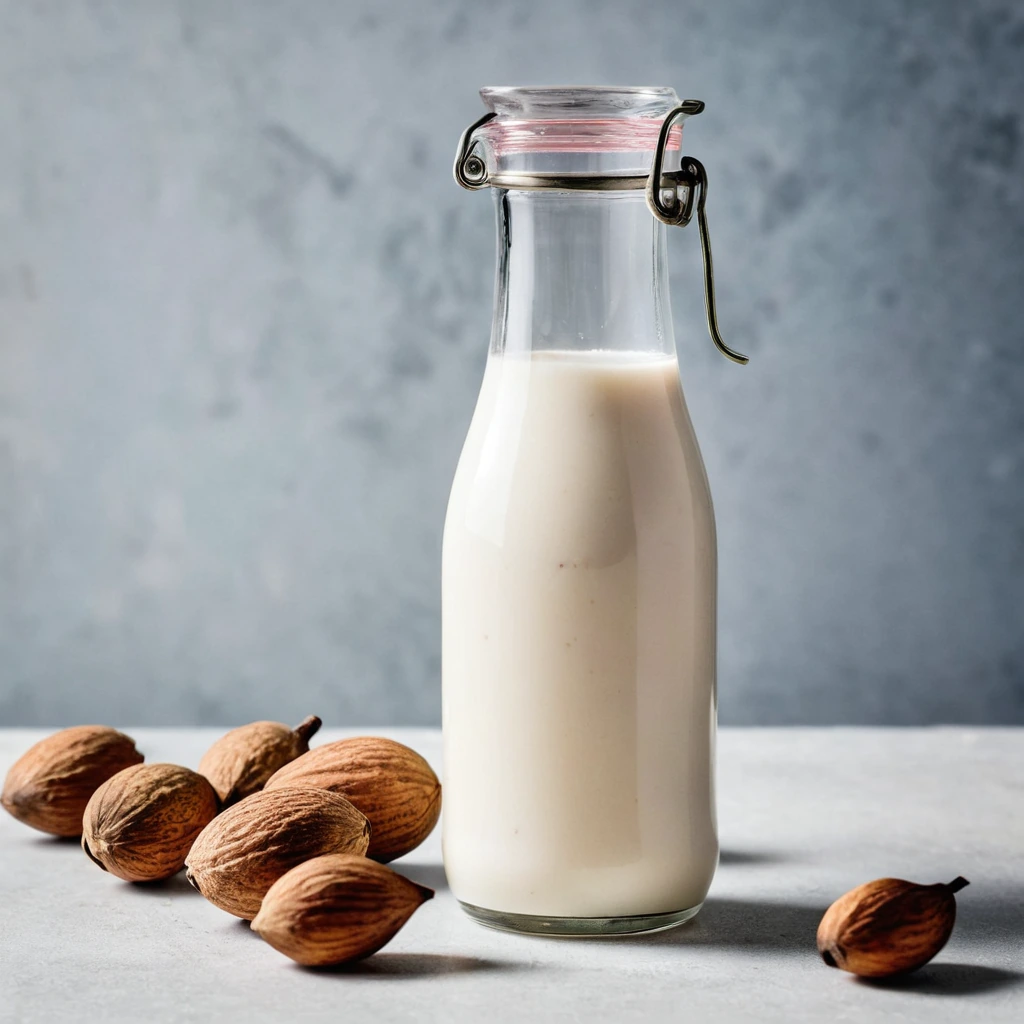
Almond Milk
Almond milk is a plant-based milk alternative made from ground almonds and water. Originating from traditional recipes in medieval Europe and the Middle East, it has gained widespread popularity in modern times as a dairy-free option. Almond milk has a subtly nutty flavor with a mild sweetness, and its aroma is reminiscent of fresh almonds. Its texture is smooth and creamy, though typically lighter than dairy milk. In cooking, almond milk behaves well in both savory and sweet applications, though it does not brown or caramelize like dairy milk. It is often used in cereals, smoothies, and baking, where its delicate flavor complements rather than overpowers other ingredients.
Recipes to try
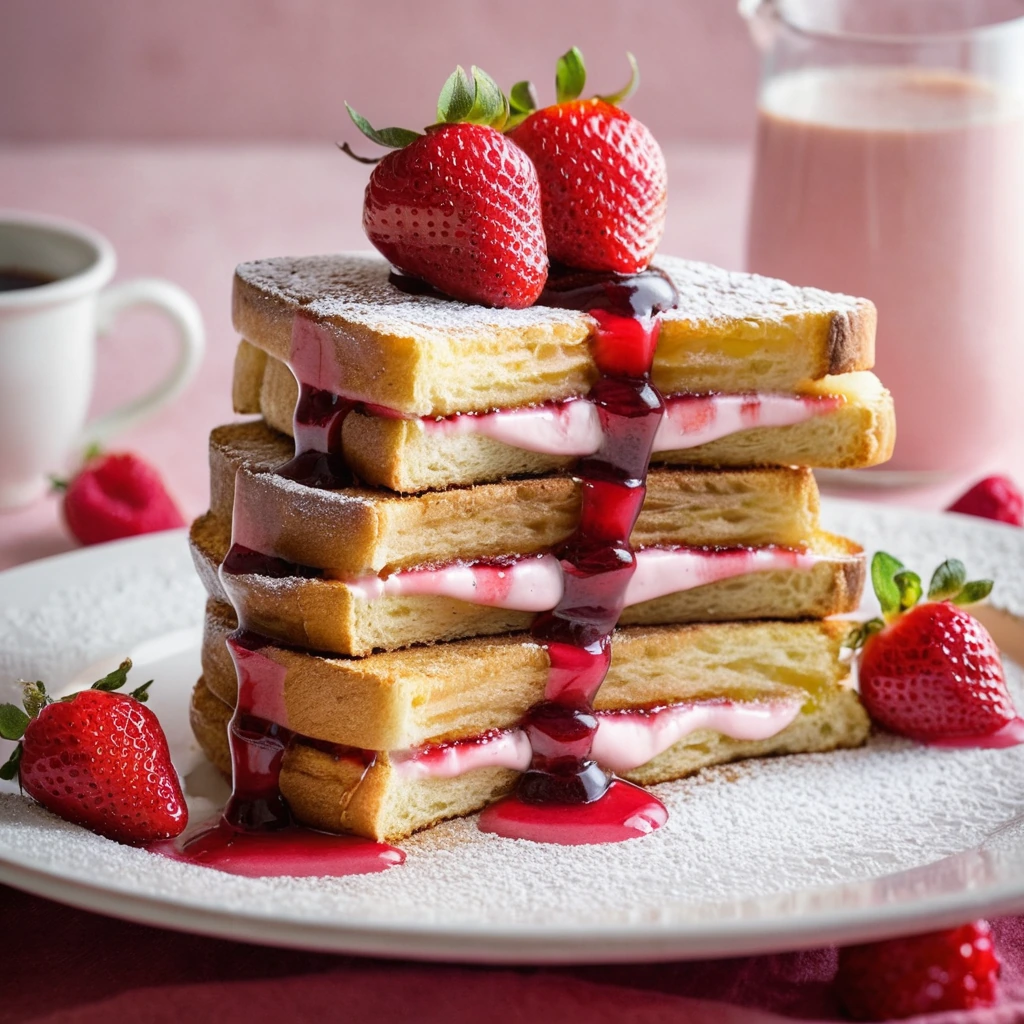
Strawberry Cream Cheese Stuffed French Toast
Imagine warm, golden French toast stuffed with a tangy cream cheese and sweet strawberry surprise – breakfast just got a gourmet upgrade.
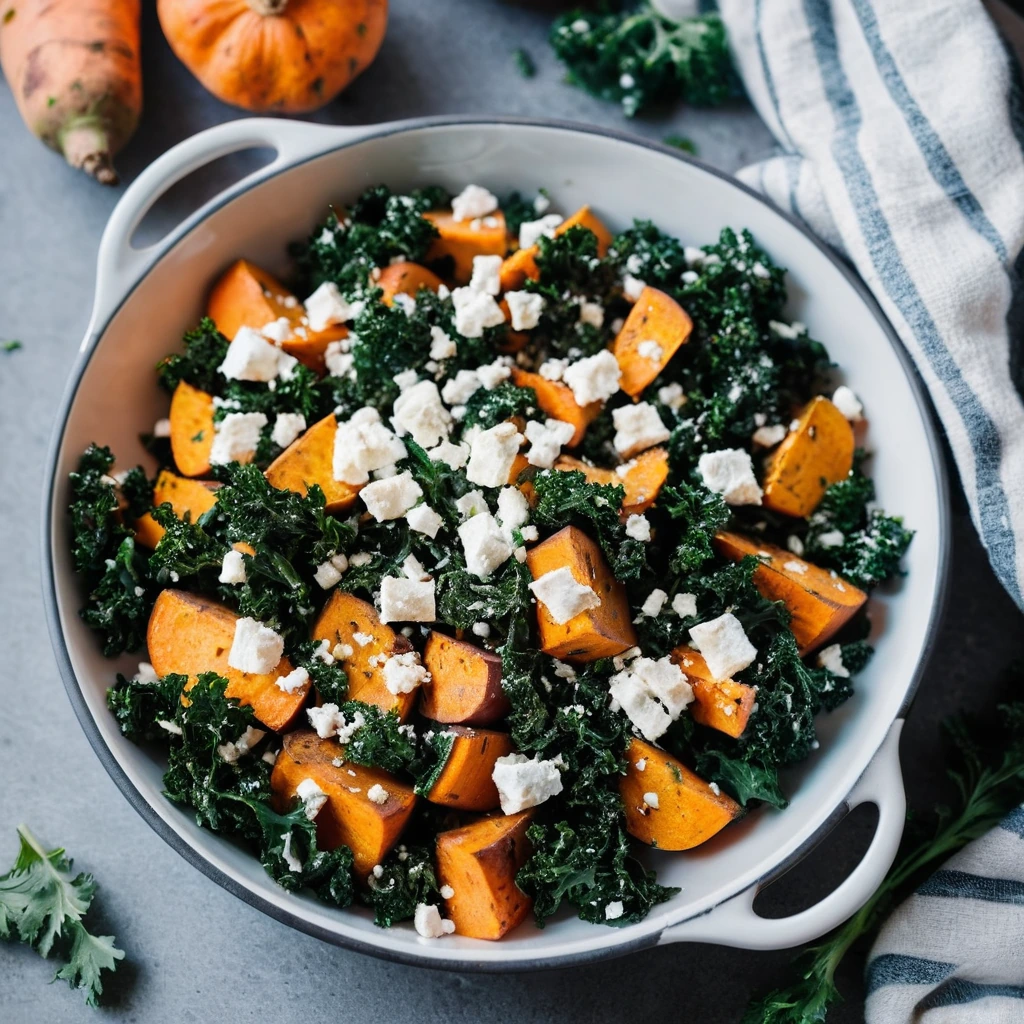
Sweet Potato and Kale Skillet with Feta
Golden roasted sweet potatoes and tender kale come together in a skillet, kissed by tangy feta and a whisper of garlic.