Preservation Technique: Dehydrating Fruit for Snacks
Dehydrating fruit is a fantastic way to preserve your favorite seasonal fruits into delicious, portable snacks. This age-old technique removes moisture from the fruit, inhibiting the growth of spoilage-causing microorganisms and extending the shelf life of your produce. Not only does it concentrate the fruit's natural sweetness and flavor, but it also retains most of the nutrients, making it a healthy treat. Whether you've got an abundance of fresh fruit or simply want to experiment with different flavors, dehydrating is an easy and rewarding process. Here, we'll dive into the essentials of fruit dehydration, from selecting the right produce to mastering the drying process. You'll learn how to transform juicy fruits into chewy, flavorful morsels that are perfect for on-the-go snacking or as a natural sweetener in recipes.
Notes
The science behind dehydration is straightforward: removing moisture inhibits microbial growth, effectively preserving the fruit. A common mistake is overloading the trays, which can lead to uneven drying and spoilage. Always ensure adequate airflow around each piece. Safety is key, so maintain temperatures below 160°F to preserve nutrients and enzymes. Dehydrated fruit can be made ahead and stored in the freezer for up to a year if you want to extend shelf life. Just ensure they are completely cool before sealing in airtight containers or freezer bags.
Steps
- 1 Select ripe, fresh fruits, avoiding any bruised or overly soft spots.
- 2 Wash fruits thoroughly under cool running water to remove dirt and residues.
- 3 Peel fruits if desired, though some skins add texture and nutrients.
- 4 Slice fruits into uniform pieces, approximately 1/4 inch thick, for even drying.
- 5 Toss fruit slices in lemon juice to prevent browning, especially for apples and pears.
- 6 Arrange fruit slices in a single layer on dehydrator trays or baking sheets.
- 7 Set your dehydrator to 135°F or preheat your oven to its lowest setting, ideally between 140°F and 170°F.
- 8 Dry fruit for 6 to 12 hours, checking regularly for desired texture and pliability.
- 9 Rotate trays halfway through drying to ensure even dehydration.
- 10 Once dried, allow fruit to cool completely before storing.
- 11 Test a piece for doneness by ensuring it is leathery and no longer sticky.
- 12 Store dehydrated fruit in an airtight container in a cool, dark place.
- 13 Label and date your containers for freshness tracking.
- 14 Enjoy your homemade fruit snacks within 1 to 2 months for optimal quality.
Ingredients to explore
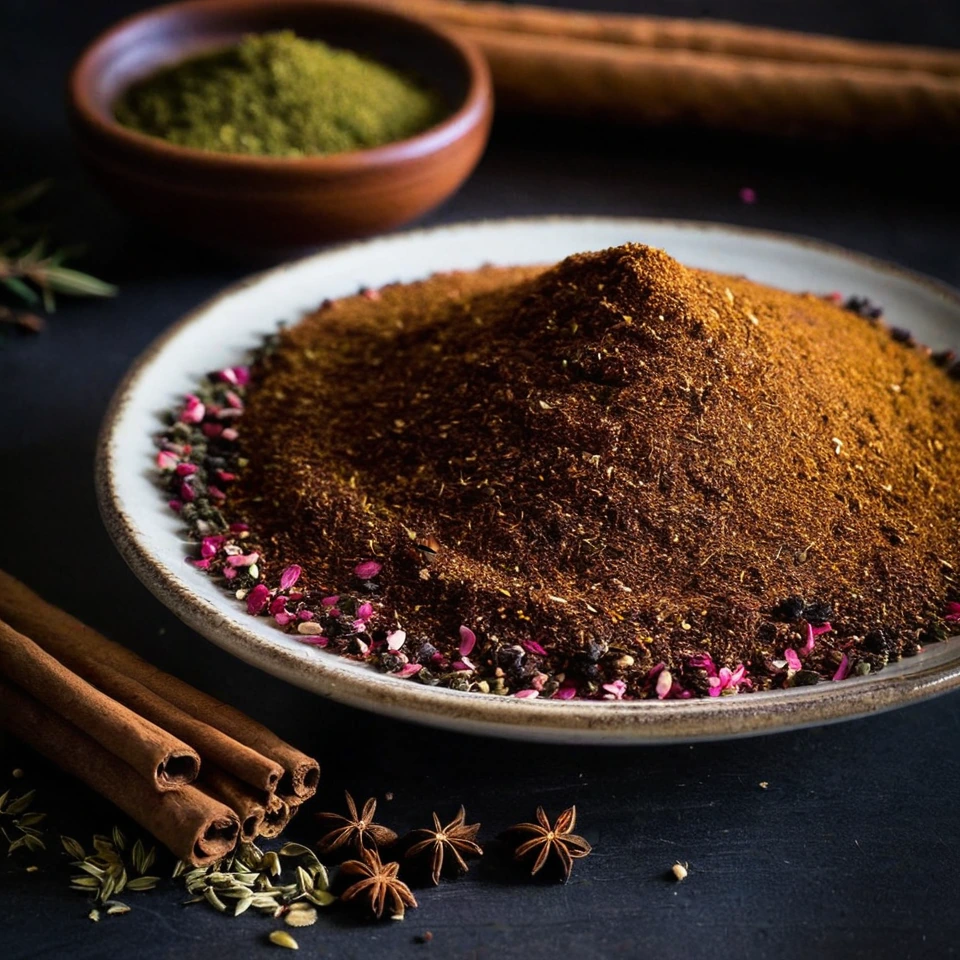
Advieh (Persian Spice Blend)
Advieh is a fragrant Persian spice blend that boasts a complex aroma of warm cinnamon, earthy cumin, and floral hints of rose and saffron. Its texture is finely ground, making it easy to incorporate into dishes. Originating from the rich culinary traditions of Iran, advieh adds depth and sophistication to both savory and sweet recipes. Its unique combination of spices reflects the historical spice trade routes that influenced Persian cuisine.
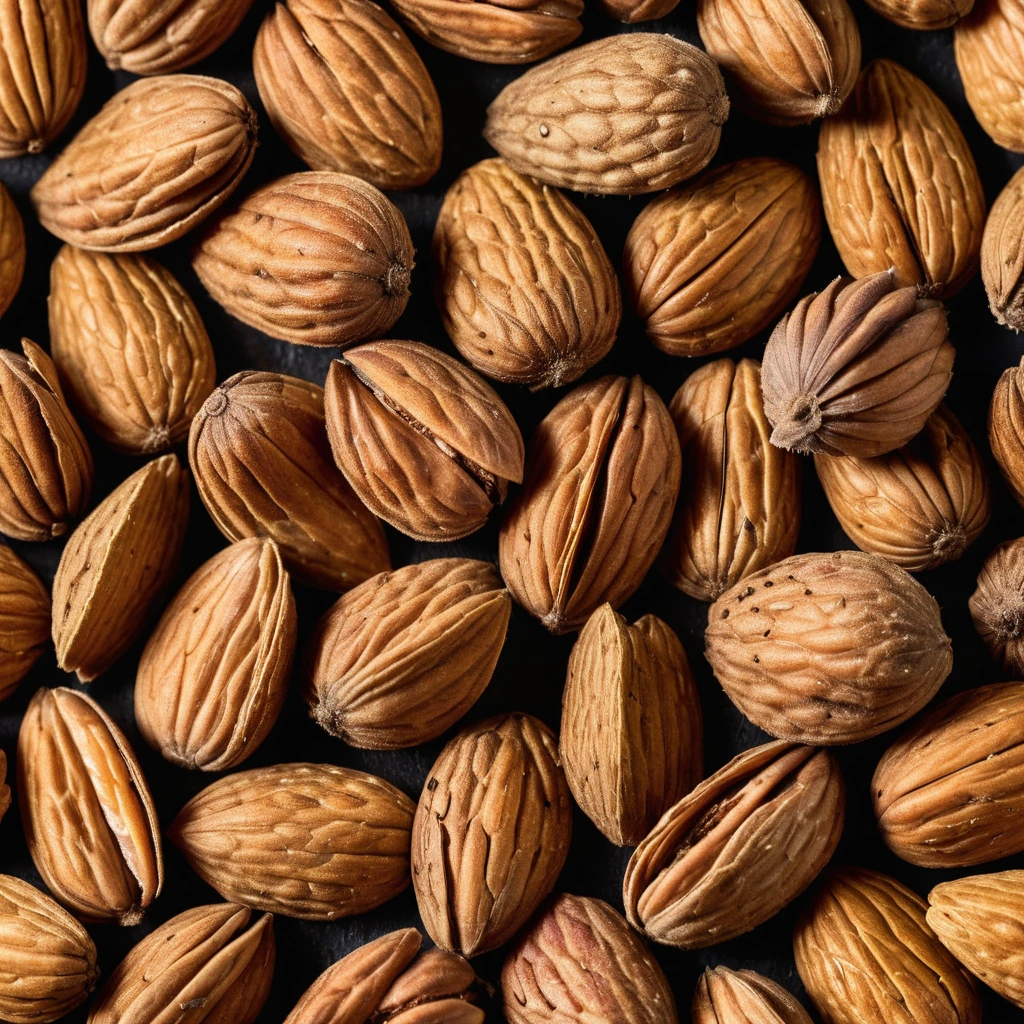
Almonds
With their golden-brown hue and delicate, edible skin, almonds are a crunchy delight. These versatile nuts boast a rich, buttery flavor that adds depth to both sweet and savory dishes.
Recipes to try
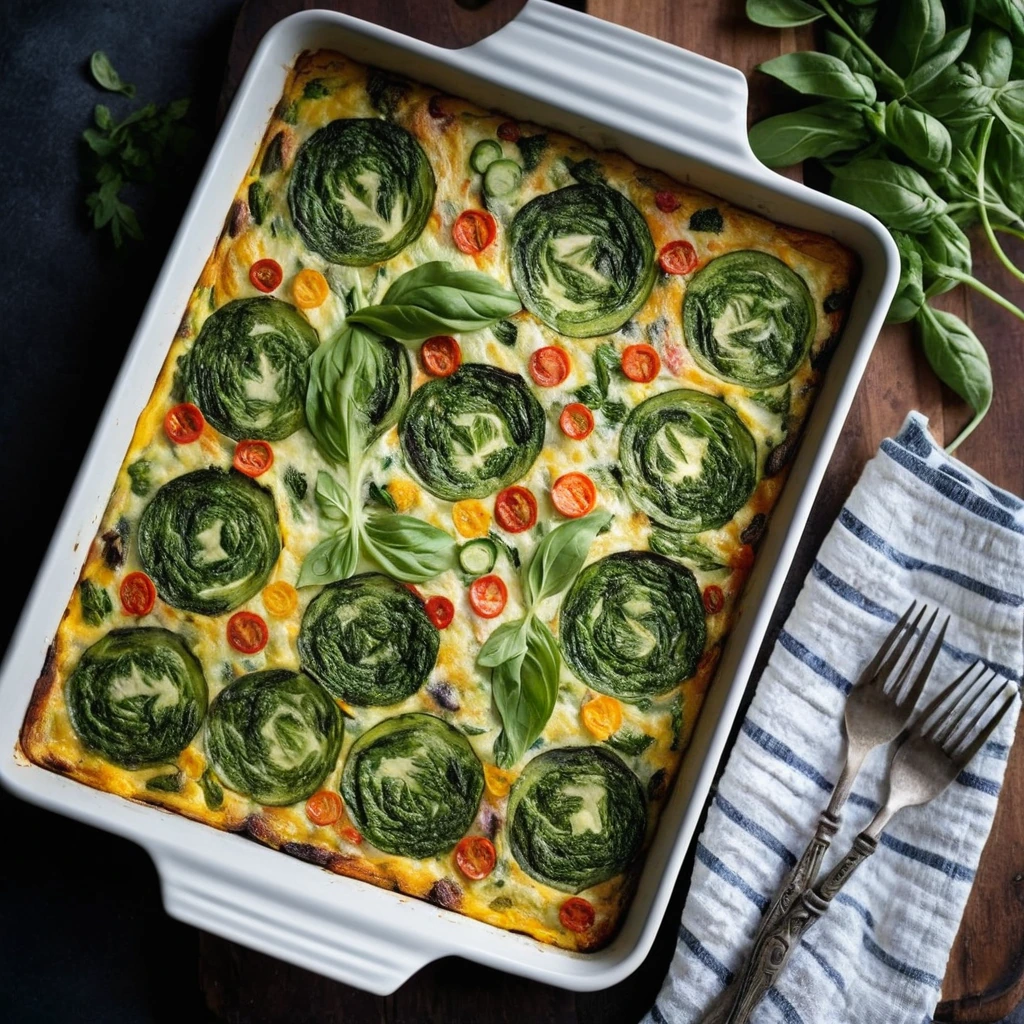
Veggie and Cheese Sheet Pan Frittata
Imagine a golden, bubbly frittata loaded with colorful veggies and melty cheese, all baked to perfection on a single sheet pan.

Spiced Cauliflower and Potato Street Tacos
Crispy spiced cauliflower and tender potatoes packed into warm tortillas for a veggie-packed taco night.