Precision Knife Work: Uniform Dicing for Even Cooking
Achieving uniform dicing is a fundamental skill that can elevate your cooking to professional standards. It ensures even cooking, consistent texture, and enhances presentation. This technique involves cutting ingredients into precise, identically-sized cubes, allowing for uniform heat distribution and perfect results every time. Whether you're preparing a vibrant vegetable medley, a hearty stew, or a delicate sauce, mastering uniform dicing is key. Let’s dive into the essentials of this technique, exploring the correct knife handling, cutting methods, and tips to ensure your dices are as precise as a chef’s. We'll start by selecting the right knife—a chef's knife or a santoku works best due to their versatile blades. Then, we’ll cover the foundational cuts like the brunoise and the small dice, guiding you through each movement to achieve perfection. Patience and practice are your allies here; soon, you'll notice a remarkable difference in both the appearance and consistency of your dishes.
Notes
Understanding the science behind uniform dicing reveals why it works so well. Smaller, uniform pieces cook more evenly due to their consistent surface area, allowing for uniform heat transfer. This is crucial for dishes that require precise timing. A common mistake is using a dull knife, which can lead to uneven cuts and safety hazards. Always prioritize a sharp blade for clean, precise cuts. For storage, keep diced vegetables in airtight containers with a paper towel to absorb excess moisture, extending their freshness. Make-ahead dicing can save time but remember to store veggies properly to maintain texture and flavor. Lastly, ensure your cutting board is stable to prevent slips and injuries.
Steps
- 1 Select a sharp chef's knife or santoku knife.
- 2 Trim any irregular parts from the vegetable to create a flat surface.
- 3 Slice the vegetable into planks of equal thickness, ideally 1/4 inch for most recipes.
- 4 Stack the planks and cut them into strips of equal width.
- 5 Rotate the strips 90 degrees and dice them into uniform cubes.
- 6 Use your non-dominant hand to stabilize the strips while dicing.
- 7 Keep your fingers tucked and use a rocking motion with your knife.
- 8 Aim for consistent 1/4 inch cubes unless the recipe specifies otherwise.
- 9 Practice on softer vegetables like zucchini before moving to harder ones like carrots.
- 10 Check your cubes for uniformity and adjust your technique if necessary.
- 11 Store diced vegetables in airtight containers if prepping ahead.
- 12 Clean and sharpen your knife regularly for optimal performance.
- 13 Experiment with different sizes for various dishes, from brunoise to large dice.
Ingredients to explore
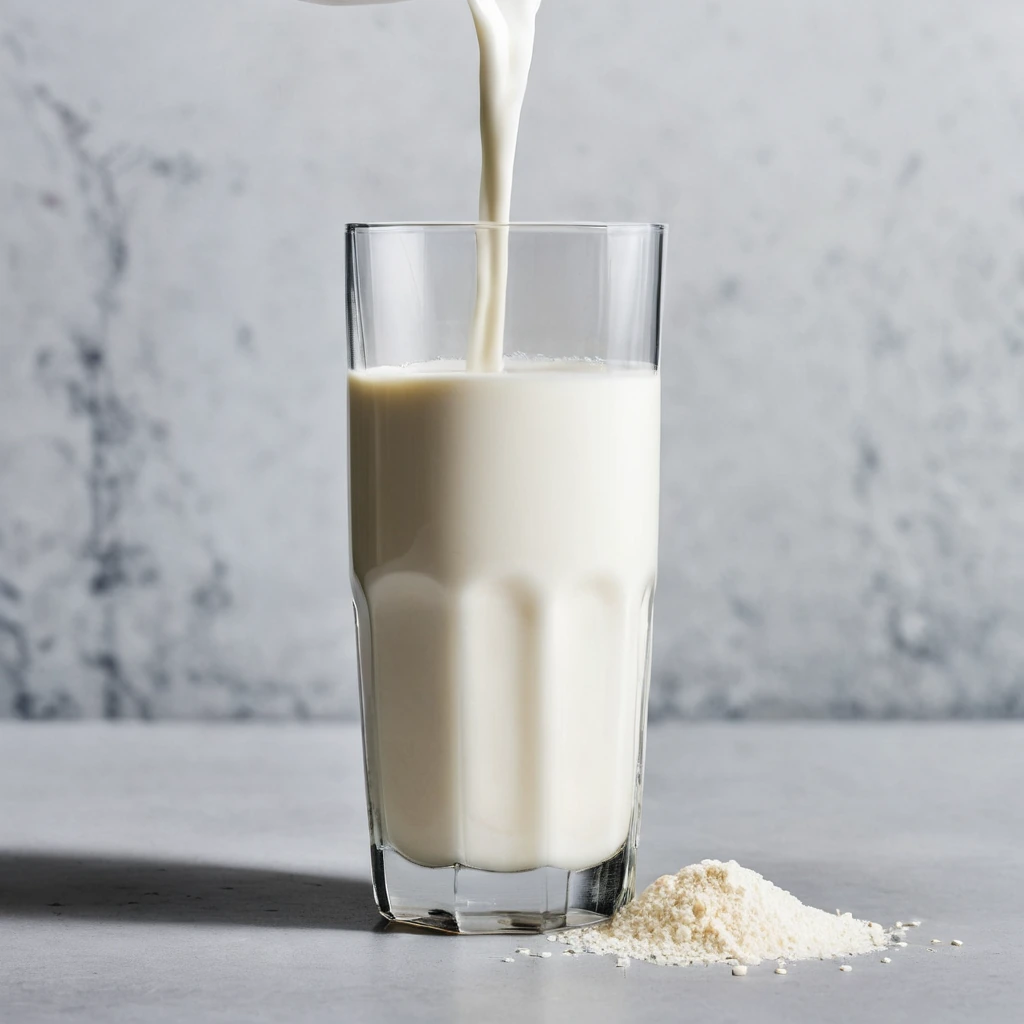
2% Milk
Creamy and just a touch lighter than whole milk, 2% milk offers a perfect balance of richness and reduced fat. Its smooth texture and subtle sweetness make it a delightful choice for sipping or cooking.
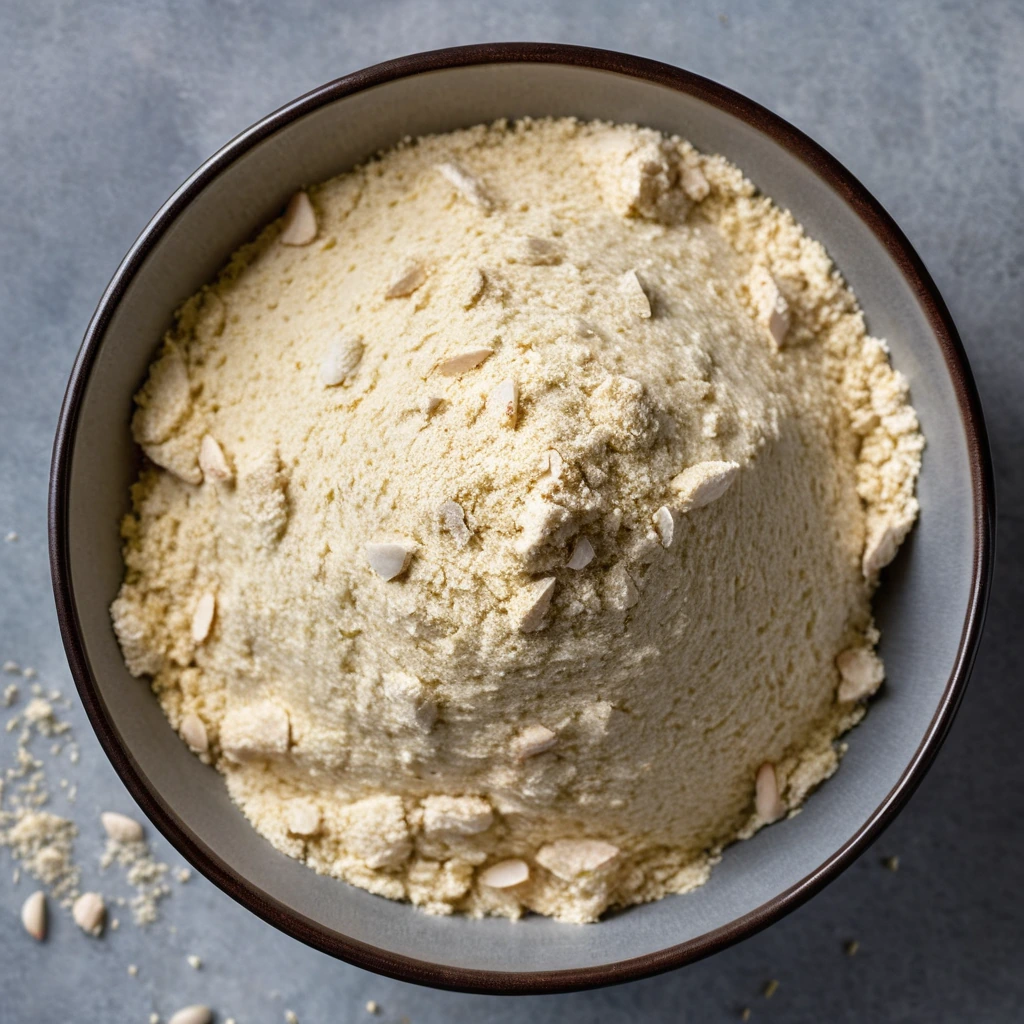
Almond Flour
A finely ground flour made from blanched almonds, offering a delicate nutty aroma and a tender crumb to your baked goods.