Precision Knife Work: Paper-Thin Slicing with a Chef’s Knife
Achieving paper-thin slices with a chef’s knife is a skill that transforms ordinary dishes into culinary masterpieces. It’s a technique that requires patience, practice, and precision. Whether you’re preparing delicate carpaccio, elegant potato chips, or perfecting your charcuterie board, mastering thin slicing is essential. The key is understanding how your knife interacts with the food and how to control the motion for consistent results. Start by selecting a sharp chef’s knife with a Granton edge, which helps prevent slices from sticking. Hold the knife correctly—with a comfortable grip—and stabilize your ingredient with your non-dominant hand using the claw grip for safety. Angle and pressure are crucial: maintain a consistent angle and apply gentle, even pressure. Rocking the knife back and forth in a controlled motion allows for thin, even slices. Practice on firm vegetables like carrots or cucumbers before moving to more delicate ingredients. Remember, the goal is to minimize resistance while maximizing control. Patience is your ally here; rushing can lead to uneven slices or worse, accidents. As you practice, focus on the rhythm of your cuts, adjusting as needed based on the firmness and shape of the ingredient. Over time, you’ll develop the muscle memory needed to produce paper-thin slices effortlessly, elevating your culinary creations with professional finesse.
Notes
The science behind paper-thin slicing lies in the precision of your knife's edge and your control over the slicing motion. A sharp knife requires less force, reducing the chance of crushing delicate ingredients. The Granton edge creates air pockets that prevent slices from sticking, ensuring clean cuts. Common mistakes include using a dull knife, applying too much pressure, or holding the ingredient incorrectly. To troubleshoot, ensure your knife is sharp, practice your grip, and maintain a consistent angle. Always prioritize safety by keeping your fingers clear of the blade's path. For storage, keep slices refrigerated if using immediately, or blanch and ice-bath vegetables to preserve texture. Paper-thin slicing is an art that enhances presentation and texture, making it a valuable skill for any home cook.
Steps
- 1 Select a sharp chef’s knife with a Granton edge.
- 2 Hold the knife with a comfortable grip, using your thumb and index finger to guide the blade.
- 3 Stabilize the ingredient with your non-dominant hand using the claw grip.
- 4 Angle the knife at approximately 15-20 degrees against the cutting board.
- 5 Apply gentle, even pressure as you start slicing.
- 6 Rock the knife back and forth in a controlled motion to achieve thin slices.
- 7 Check the thickness of each slice and adjust the angle or pressure as needed.
- 8 Turn the ingredient occasionally to maintain an even surface for slicing.
- 9 Practice on firm vegetables like carrots before attempting delicate ingredients.
- 10 Keep your fingers tucked in and move them back as you slice for safety.
- 11 Regularly clean the knife to prevent food from sticking.
- 12 Stack slices neatly to check consistency and prepare for use.
- 13 Sharpen your knife regularly to maintain precision.
- 14 Experiment with different pressures and angles for various thicknesses.
Ingredients to explore
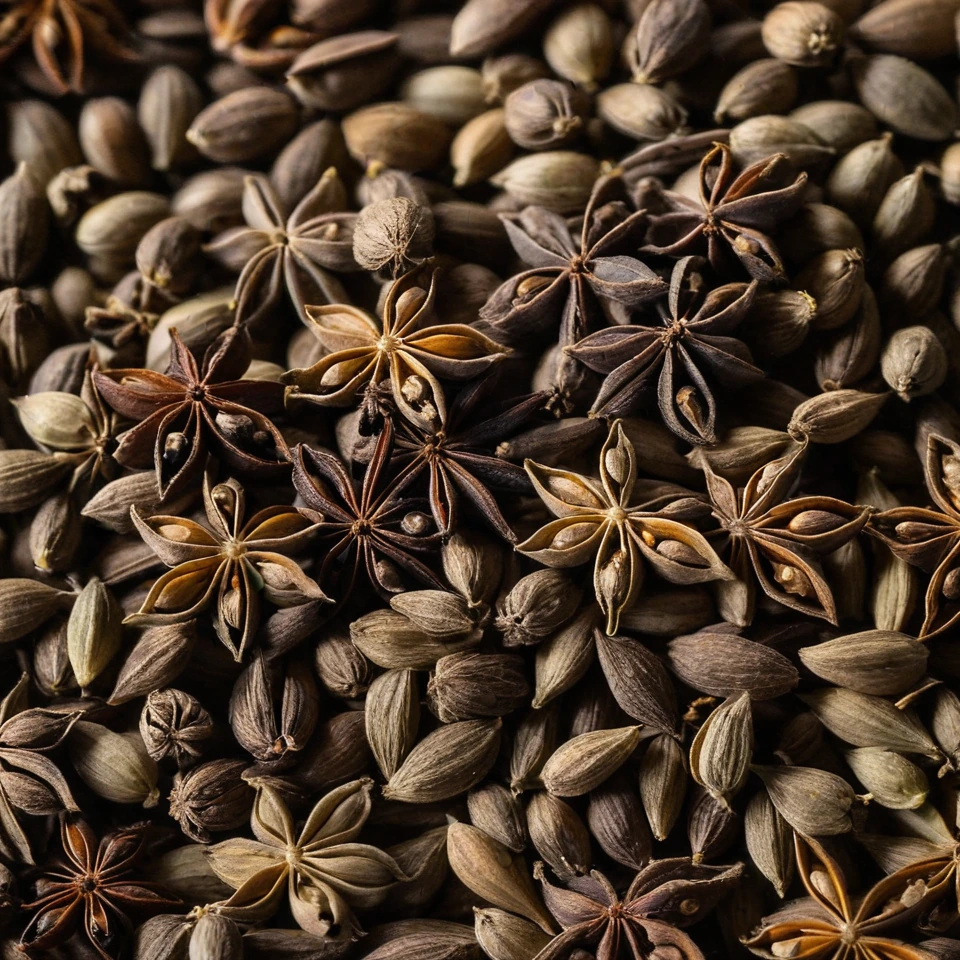
Anise Seeds
Anise seeds are small, oval seeds with a sweet, licorice-like flavor. They are commonly used in both sweet and savory dishes, offering a warm, aromatic taste.

Anaheim Peppers
Anaheim peppers are a mild chili pepper variety named after Anaheim, California, where they were first cultivated commercially. Originating from the New Mexico region, these peppers are celebrated for their versatility and gentle heat. They possess a flavor that is mildly sweet with a subtle tang, and a pleasant vegetal note reminiscent of green bell peppers, but with a hint of spice. Their texture is firm and crisp when fresh, becoming tender and slightly smoky when roasted or cooked. In cooking, Anaheim peppers behave well across a range of techniques, from grilling and roasting to stuffing and sautéing, contributing a nuanced depth without overwhelming other ingredients with heat.
Recipes to try
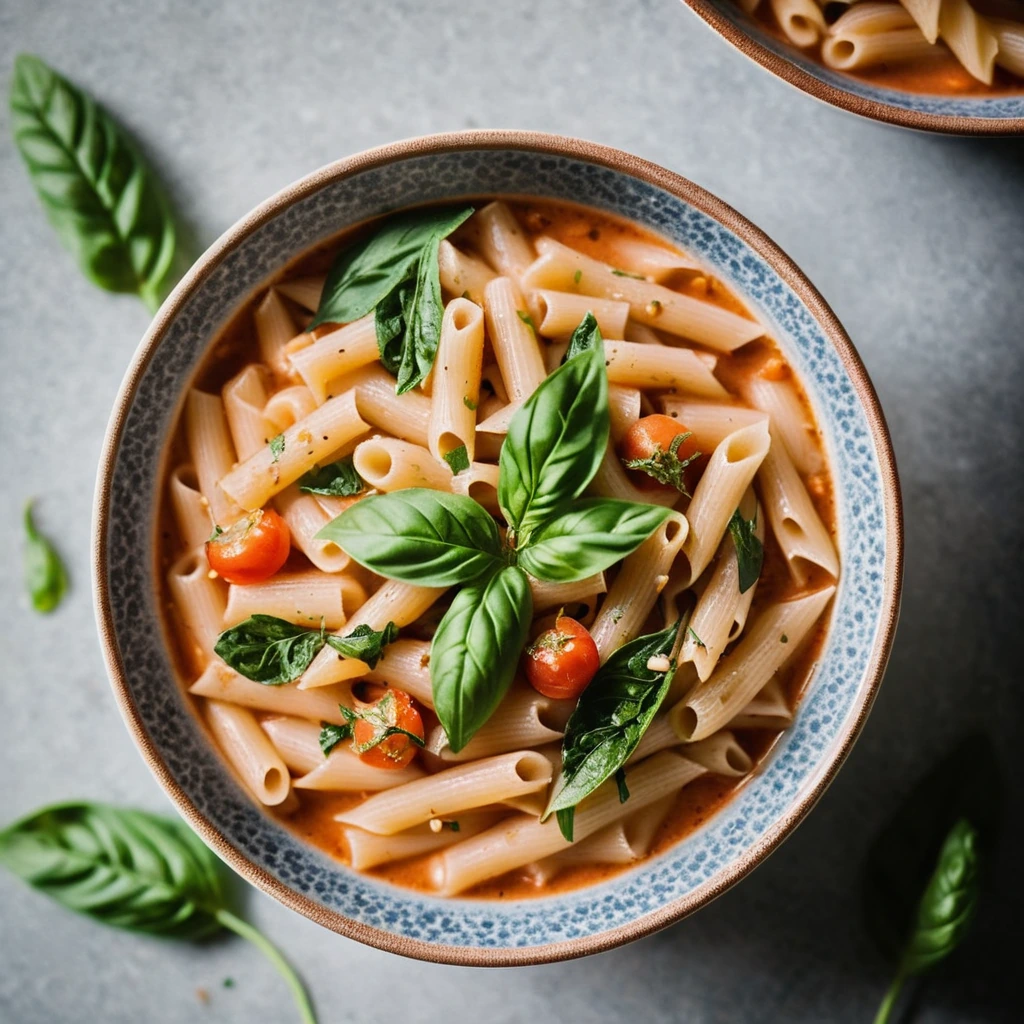
One-Pot Tuscan White Bean and Pasta Stew
Warm up with this hearty stew where tender pasta mingles with creamy cannellini beans in a rich, garlicky tomato broth.
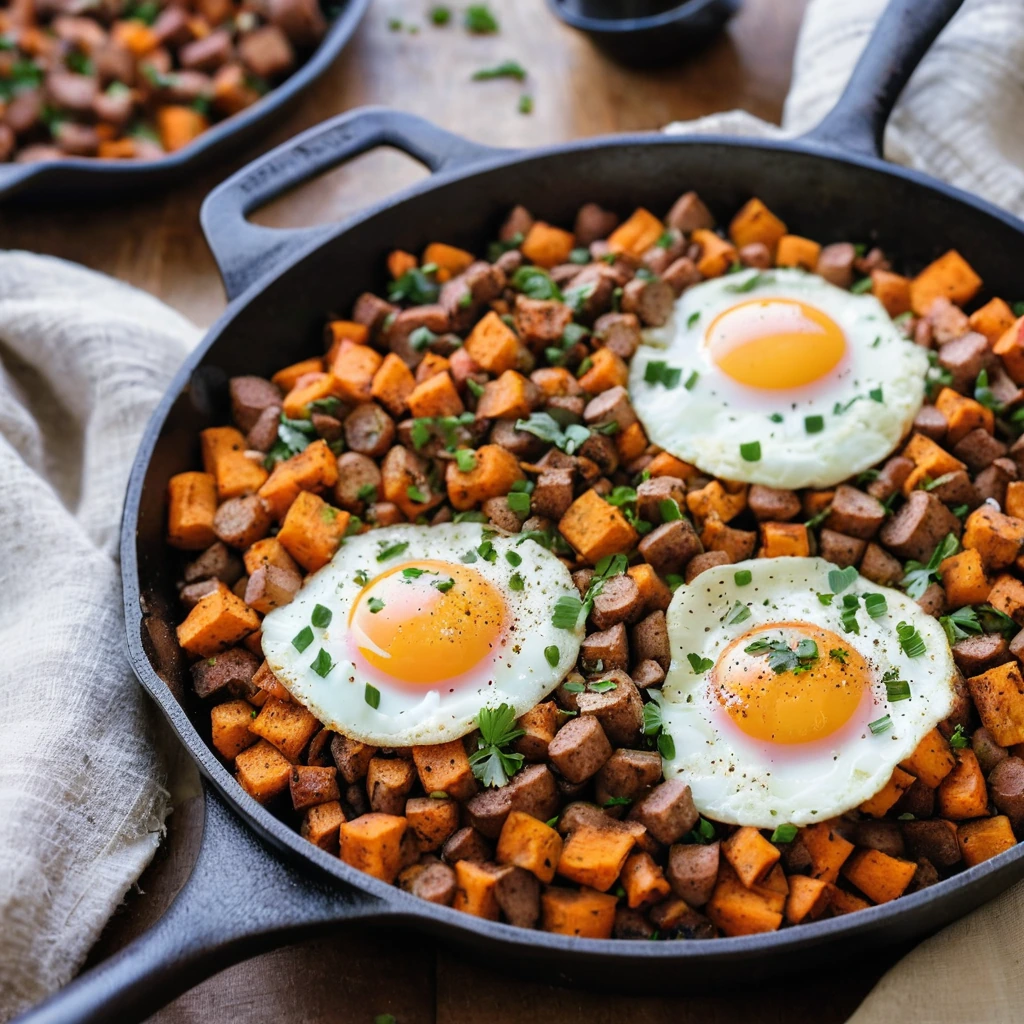
Sweet Potato, Sausage, and Egg Breakfast Hash
Rustic and hearty, this breakfast hash is a symphony of smoky sausage, tender sweet potatoes, and perfectly cooked eggs.