Precision Knife Work: Cutting Perfect Batons and Julienne
Precision knife work is an essential skill for any home cook looking to elevate their culinary game. Batons and julienne cuts are fundamental techniques that can transform your dishes with their uniform appearance and even cooking. Achieving these cuts requires patience, practice, and a keen eye for detail. Batons are larger than julienne and resemble small logs, while julienne cuts are thin, matchstick-like strips. Both are ideal for stir-fries, salads, and garnishes, providing a professional touch to your cooking. The key to mastering these cuts lies in selecting the right knife, understanding the anatomy of vegetables, and employing proper cutting techniques to ensure consistency. Whether you're prepping carrots for a vibrant crudité platter or slicing potatoes for a rustic gratin, perfect batons and julienne cuts will elevate your dishes. This guide will walk you through the process step by step, ensuring you gain the confidence and skill to execute these cuts with ease. Remember, practice makes perfect, and with each slice, you’ll hone your craft and bring a touch of precision to your kitchen endeavors.
Notes
The science behind precision knife work lies in the uniform distribution of heat and flavor during cooking. Evenly cut vegetables cook at the same rate, ensuring your dishes turn out perfectly every time. A common mistake is using a dull knife, which can lead to uneven cuts and is dangerous as it requires more force. Always ensure your knife is sharp to avoid accidents and achieve precision. To troubleshoot inconsistencies, focus on your grip and angle, adjusting as needed. Safety is paramount; always cut away from your body and keep fingers clear of the blade's path. For make-ahead prep, store cut vegetables in airtight containers submerged in ice water to preserve their texture and freshness for up to 24 hours.
Steps
- 1 Select a sharp chef's knife or a vegetable knife for precision.
- 2 Trim both ends of the vegetable to create a flat surface.
- 3 Cut the vegetable into planks, aiming for 1/4-inch thickness for batons, 1/8-inch for julienne.
- 4 Stack the planks and cut them into uniform sticks.
- 5 For batons, cut the planks into 1/4-inch by 1/4-inch sticks.
- 6 For julienne, cut the planks into 1/8-inch by 1/8-inch sticks.
- 7 Keep your fingers tucked and use a claw grip to guide the knife safely.
- 8 Turn the pieces 90 degrees and cut to desired length, typically 2 to 3 inches.
- 9 Check for uniformity and trim any uneven pieces.
- 10 Practice on softer vegetables like carrots before moving to harder ones like potatoes.
- 11 Clean and sharpen your knife regularly for optimal cutting performance.
- 12 Use a damp kitchen towel under your cutting board to prevent slipping.
- 13 Work methodically to maintain consistent size and shape.
- 14 Store cut vegetables in ice water to maintain crispness until use.
Ingredients to explore
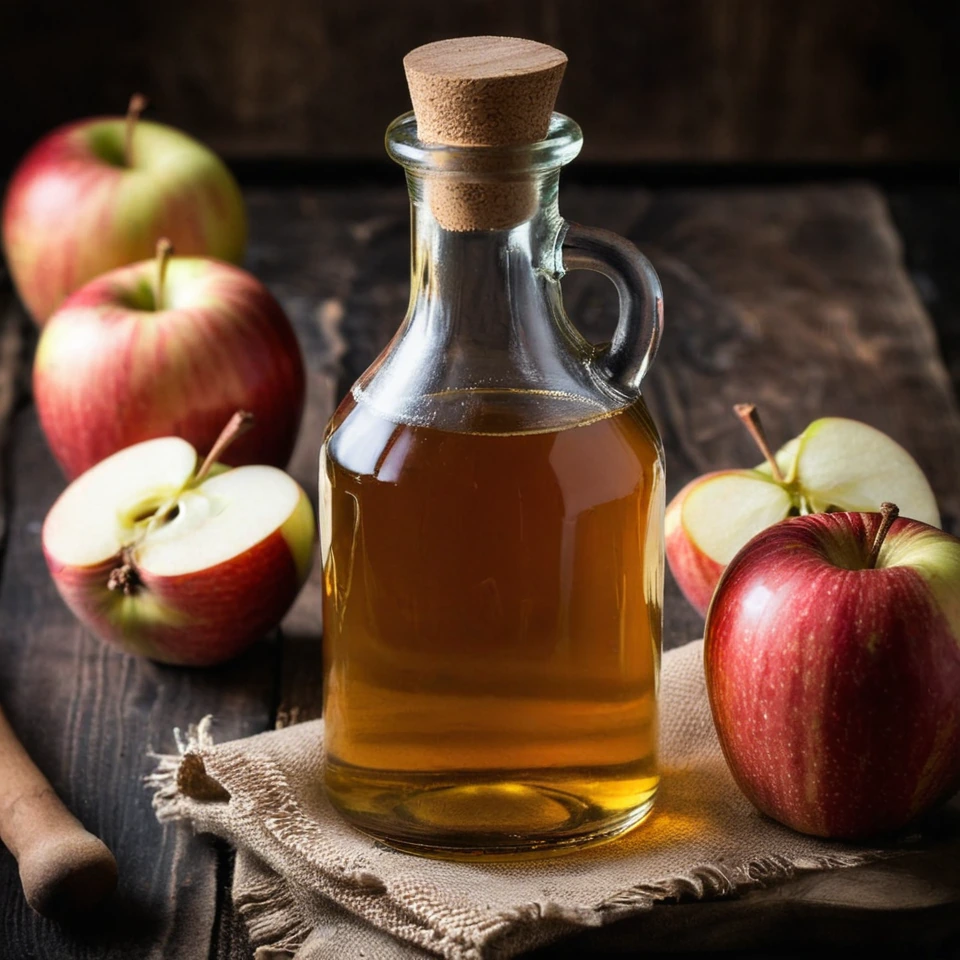
Apple Cider Vinegar
Apple cider vinegar is a type of vinegar made through the fermentation of apple cider, resulting in a tangy, slightly sweet liquid with a pale to medium amber color.
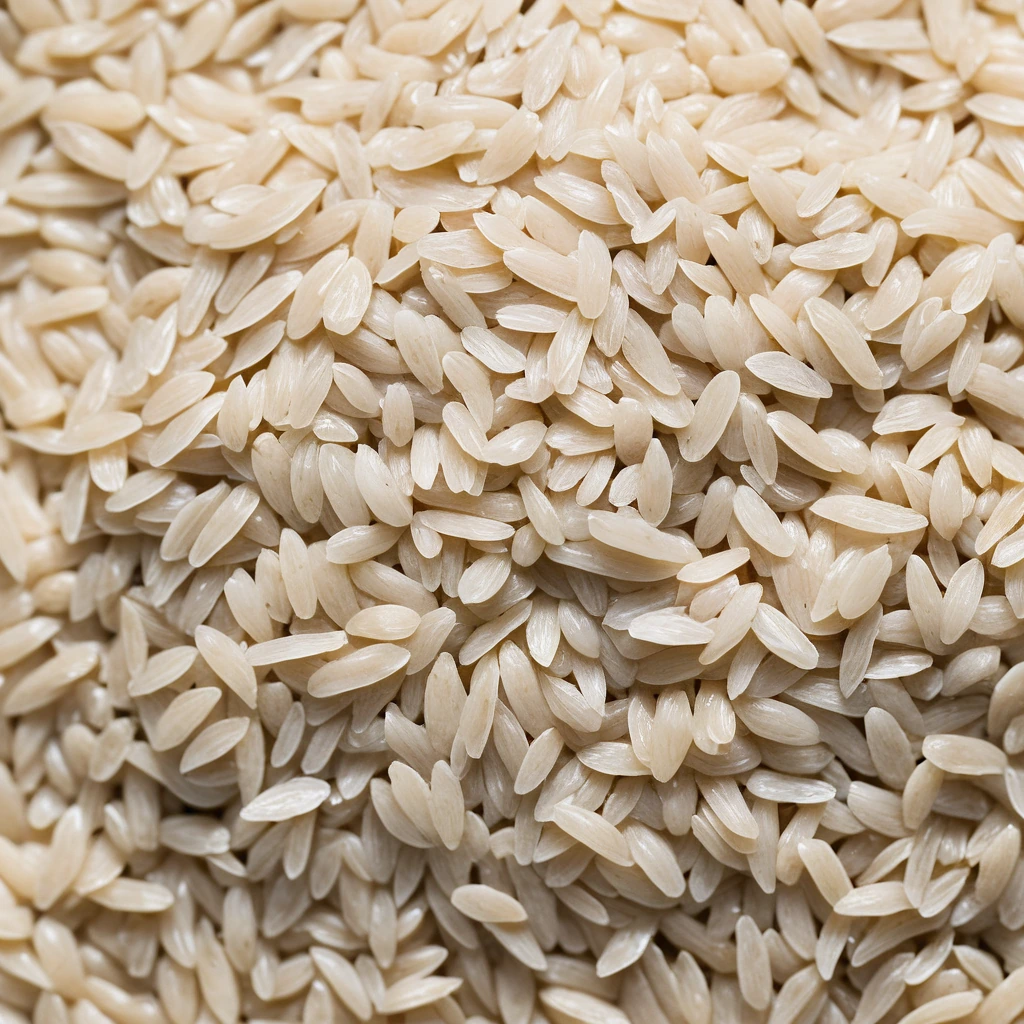
Arborio Rice
Arborio rice is a short-grain Italian rice variety renowned for its use in risotto. Originating from the Po Valley in Northern Italy, it is a staple in Italian cuisine. Its flavor is mild and nutty, with a pleasant creamy texture when cooked due to its high amylopectin content, which releases starch and creates a velvety consistency. The grains remain plump and firm to the bite, offering a satisfying chewiness. In cooking, Arborio rice excels at absorbing flavors from broths and seasonings while maintaining its shape, making it ideal for dishes that require both creaminess and structure.
Recipes to try
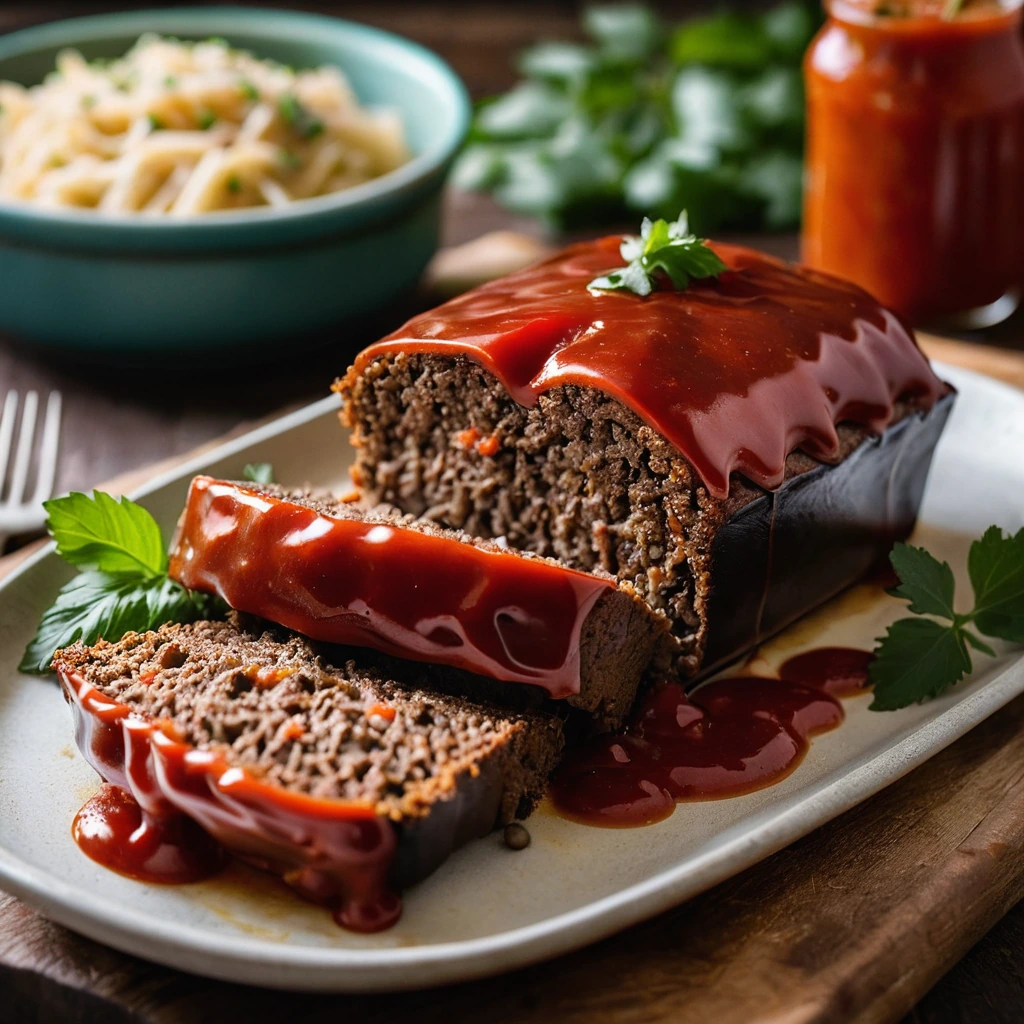
Pepper Jack Stuffed Meatloaf with Salsa Glaze
A savory meatloaf stuffed with gooey pepper jack cheese and topped with a tangy, zesty salsa glaze that'll have your taste buds doing a happy dance.
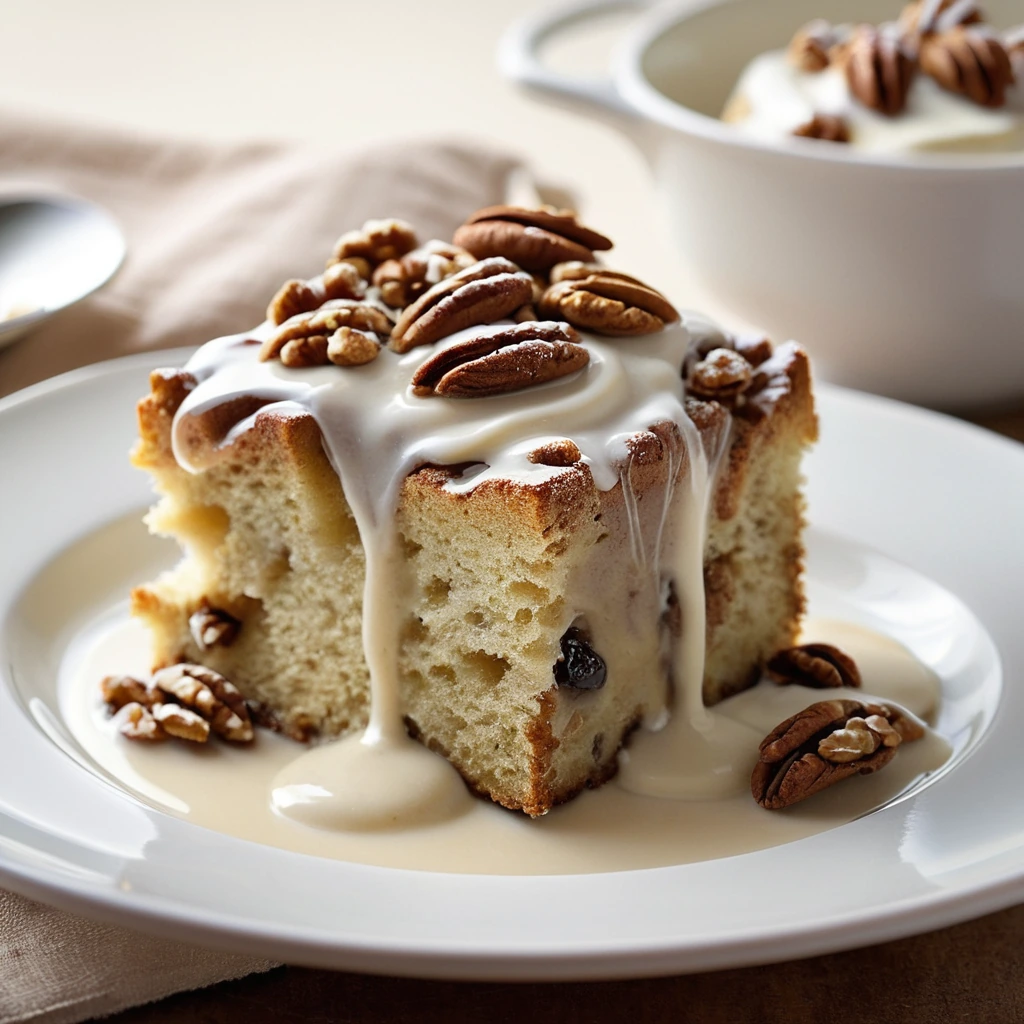
Maple Pecan Bread Pudding with Vanilla Sauce
Warm, spiced bread pudding drizzled with maple syrup and crunchy pecans, served with a silky vanilla sauce.