Precision Knife Work: Butterflying Chicken Breasts Evenly
Butterflying chicken breasts is a fundamental technique that ensures even cooking and maximizes surface area for flavorful crusts. It involves slicing the breast horizontally to create a flat, even piece of meat. This technique is essential for dishes like schnitzel, chicken parmesan, or any recipe requiring uniform thickness. Achieving consistent results requires patience and practice, but once mastered, it will elevate your home cooking to professional standards. The process begins with selecting the right chicken breasts—look for uniform sizes to ensure even results. Using a sharp chef's knife is crucial for clean, precise cuts. Start by placing the chicken breast on a clean cutting board. Identify the narrow end of the breast, which is where you'll make your initial incision. This technique not only aids in even cooking but also allows for quicker marinating and more efficient use of ingredients. Properly butterflied chicken breasts cook faster, reducing the risk of overcooking and ensuring juicy, tender results every time. Additionally, the increased surface area is perfect for creating a golden, crispy exterior when pan-seared or grilled. Understanding the anatomy of a chicken breast is key—familiarize yourself with the tenderloin, a small piece of meat attached to the underside, which can be saved for another use. With patience and attention to detail, you can transform an ordinary chicken breast into a culinary masterpiece.
Notes
Butterflying works by creating an even thickness, which allows for consistent cooking and helps prevent dry edges or undercooked centers. A common mistake is cutting all the way through the breast, which can be avoided by stopping the knife just before reaching the board. Safety is paramount; always use a sharp knife and keep fingers tucked. For make-ahead, store butterflied chicken breasts in an airtight container in the fridge for up to 24 hours if marinating, or up to two days if seasoned and ready to cook. Properly stored, they will maintain their texture and flavor.
Steps
- 1 Place the chicken breast on a clean cutting board.
- 2 Using a sharp chef's knife, locate the narrow end of the breast.
- 3 Insert the knife horizontally, slicing almost but not all the way through.
- 4 Open the breast like a book, laying it flat.
- 5 If the breast is uneven, trim any thick areas to ensure uniform thickness.
- 6 Use the heel of your hand to gently pound the breast to an even thickness, if desired.
- 7 Check for any remaining thick spots and adjust accordingly.
- 8 Season or marinate the flattened breast as needed for your recipe.
- 9 Proceed with cooking as directed in your chosen recipe.
Ingredients to explore

Andouille Sausage
Andouille sausage is a coarse-grained, smoked pork sausage with a rich history rooted in French cuisine, particularly from the Alsace region. It was adapted in Louisiana, where it became a staple in Cajun and Creole cooking. The sausage is known for its robust, smoky flavor with hints of garlic, pepper, and other spices, creating a spicy and savory profile. Its texture is firm yet slightly chewy, making it a hearty addition to dishes. When cooked, andouille sausage maintains its shape well and infuses dishes with its distinctive smoky essence, enhancing stews, soups, and rice dishes.
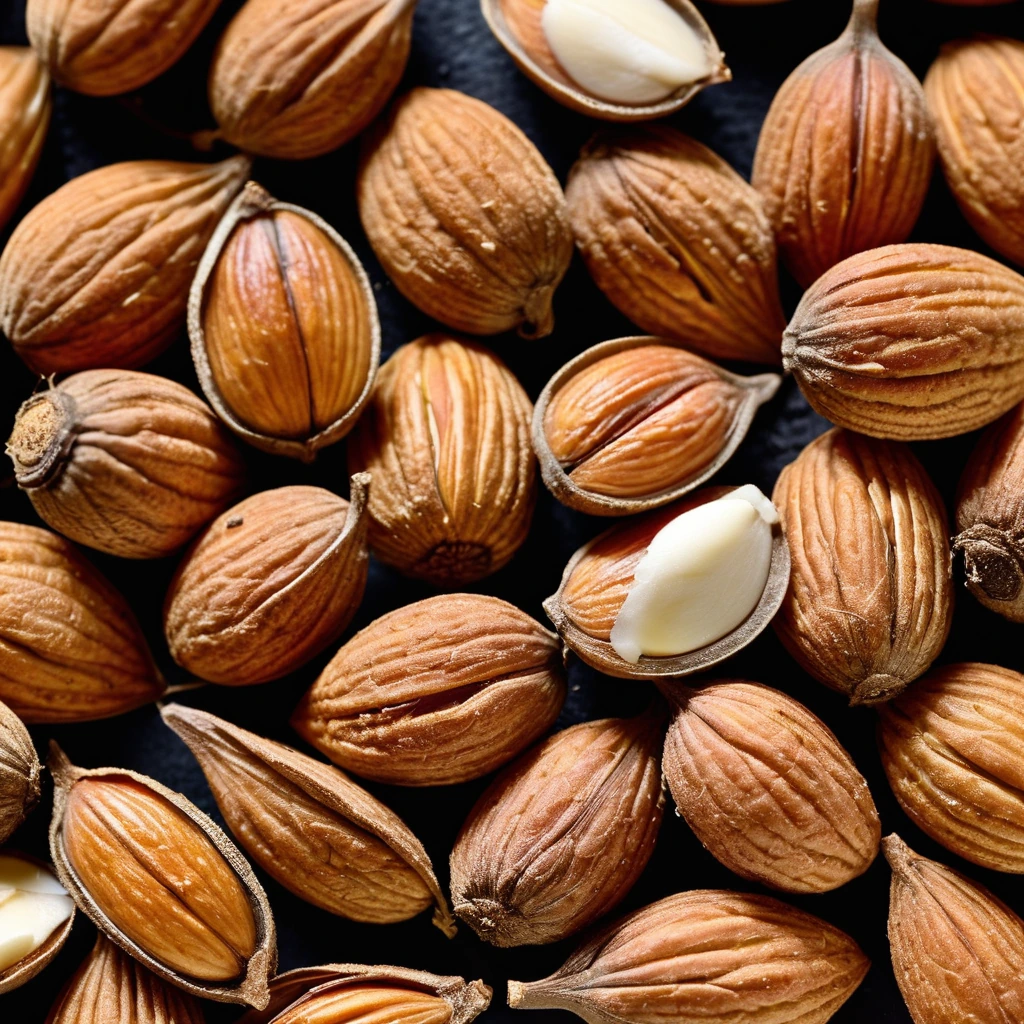
Almond Extract
A fragrant, golden elixir that captures the essence of freshly ground almonds, almond extract is a pantry staple that brings a rich, nutty aroma to your culinary creations.
Recipes to try
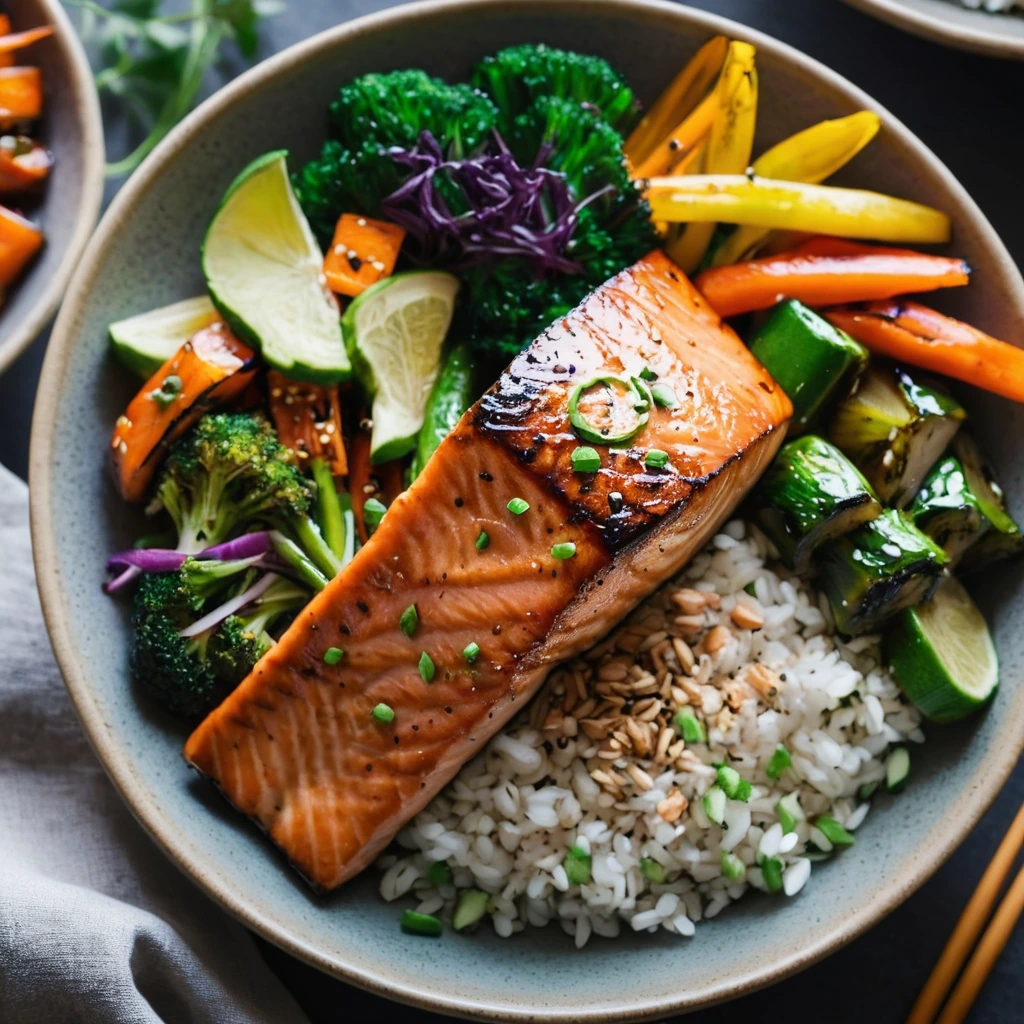
Teriyaki Glazed Salmon and Veggie Bowls
Sweet and savory teriyaki glaze coats succulent salmon fillets atop a vibrant medley of colorful veggies, creating a symphony of flavors in every bite.
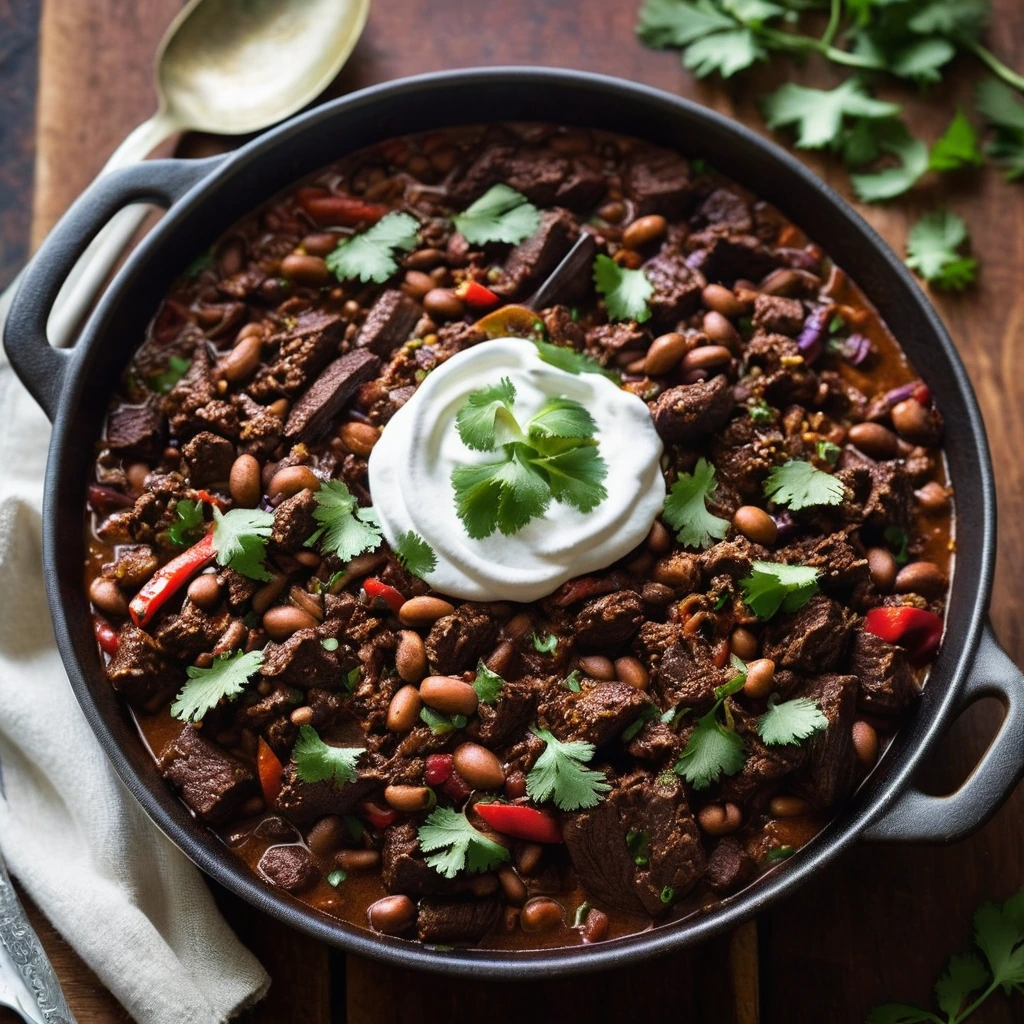
Smoky Ancho Chili Beef and Bean Skillet
Rich, smoky, and deeply satisfying, this skillet dish combines tender beef with hearty beans for a comforting meal.