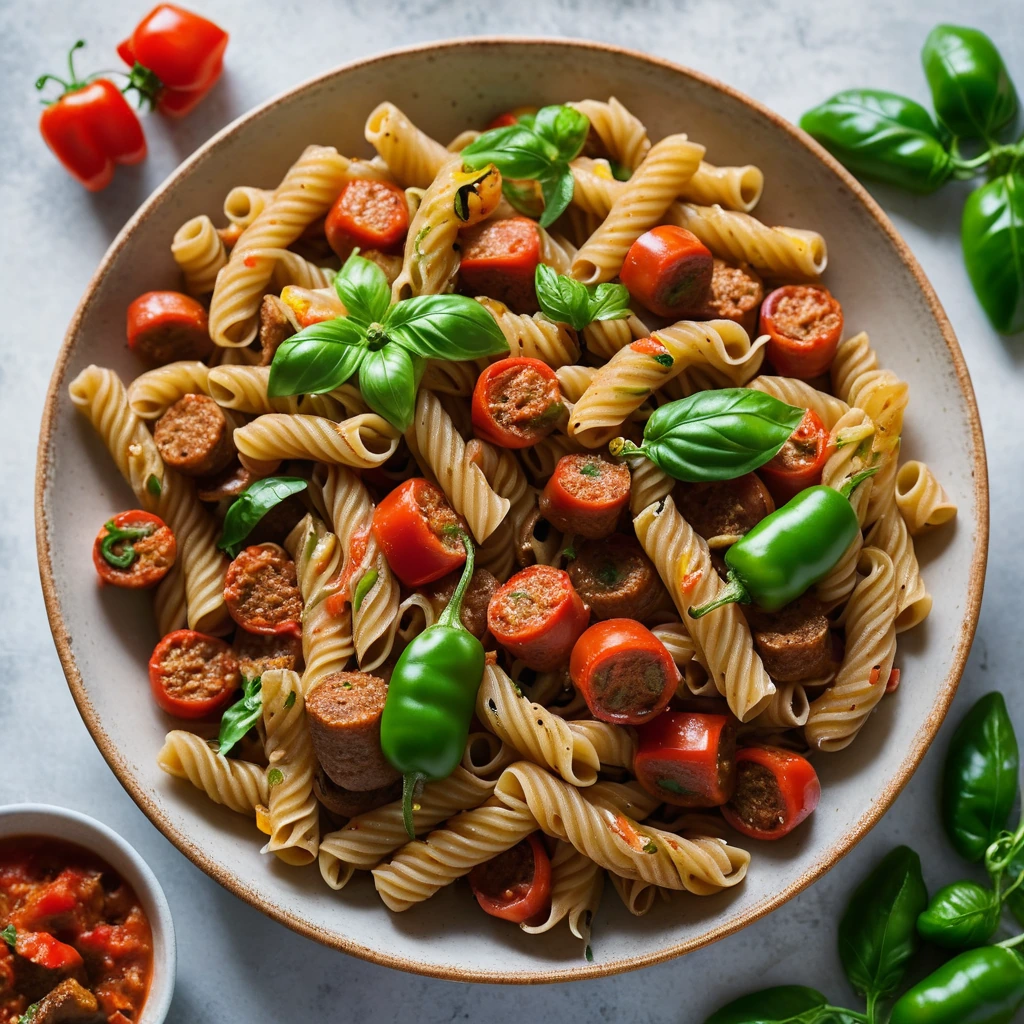
Plating: Using Fresh Herbs as Garnish
Plating is an art form that elevates your culinary creations from mere meals to visual masterpieces. Using fresh herbs as garnish is a simple yet effective technique to add a pop of color, a burst of flavor, and a touch of sophistication to your dishes. Fresh herbs are not just decorative; they contribute aromatic oils and nuanced tastes that can transform the dining experience. This technique is perfect for home cooks looking to impress with minimal effort. Understanding the texture, color, and flavor profiles of different herbs will allow you to make informed decisions that harmonize with your dish. Parsley, cilantro, basil, dill, and mint are common choices, each offering unique visual and taste elements. The key is to use them sparingly and purposefully, ensuring they complement rather than overpower. Properly executed, fresh herbs can turn a standard plate into a work of art that is as delightful to behold as it is to taste. Achieving this requires a keen eye for balance, an understanding of color theory, and a gentle touch. Let's dive into how you can master this technique and add that final flourish to your meals.
Notes
The science behind using fresh herbs as garnish lies in their volatile oils, which provide aroma and flavor that can enhance the dining experience. However, these oils are delicate and can degrade quickly when exposed to heat or prolonged air exposure, which is why garnishing at the last minute is crucial. A common mistake is overloading the dish with herbs, leading to an unbalanced flavor profile. To avoid this, consider the potency of each herb and use accordingly. Safety is not a major concern with this technique, but ensure herbs are thoroughly washed to remove any dirt or pesticides. For storage, keep fresh herbs in the refrigerator wrapped in a damp paper towel to maintain their freshness for future use.
Steps
- 1 Select fresh, vibrant herbs with no signs of wilting or browning.
- 2 Rinse the herbs gently under cold water and pat them dry with a clean towel.
- 3 Inspect the herbs and remove any discolored leaves or stems.
- 4 Decide on the herb variety that complements your dish’s flavor profile.
- 5 Strip the leaves from the stems if necessary, depending on the herb and presentation desired.
- 6 Chiffonade larger leaves like basil or mint for a uniform, elegant appearance.
- 7 Consider tearing leaves for a rustic touch, or leave them whole for a bolder statement.
- 8 Arrange the herbs just before serving to maintain their freshness and color.
- 9 Use sparingly to avoid overwhelming the dish with herb flavor.
- 10 Place the herbs in a visually appealing pattern, such as a sprinkle around the plate or a delicate fan.
- 11 Ensure herbs do not hide key elements of the dish; they should accentuate, not obscure.
- 12 Avoid overcrowding the plate; let each component shine.
- 13 For soups or stews, consider a floating herb leaf or a small bundle tied with kitchen twine.
- 14 Always garnish after plating to preserve the herbs' vibrant appearance.
Ingredients to explore
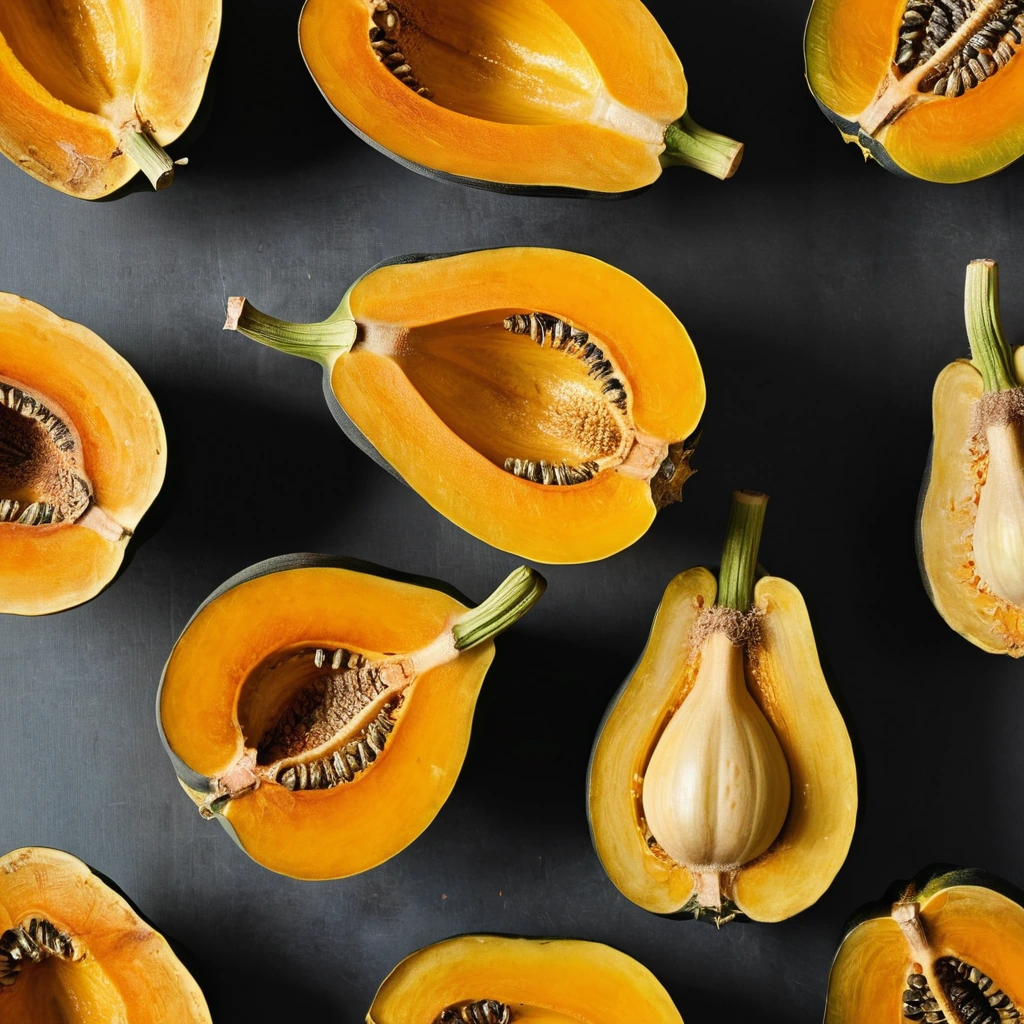
Acorn Squash
Acorn squash is a winter squash variety known for its distinctive teardrop shape and deep ridges resembling the texture of an acorn shell. Originating in the Americas, it has been cultivated for centuries and is a staple in autumn cuisine. The flesh is sweet and nutty with a hint of earthiness, offering a delightful contrast to savory dishes. Its texture is dense yet tender when cooked, making it ideal for roasting or pureeing. In cooking, acorn squash holds its shape well and absorbs flavors from herbs and spices, enhancing both its taste and versatility in recipes.

Andouille Sausage
Andouille sausage is a coarse-grained, smoked pork sausage with a rich history rooted in French cuisine, particularly from the Alsace region. It was adapted in Louisiana, where it became a staple in Cajun and Creole cooking. The sausage is known for its robust, smoky flavor with hints of garlic, pepper, and other spices, creating a spicy and savory profile. Its texture is firm yet slightly chewy, making it a hearty addition to dishes. When cooked, andouille sausage maintains its shape well and infuses dishes with its distinctive smoky essence, enhancing stews, soups, and rice dishes.