Plating: Building Composed Bowls at Home
Plating isn't just for fancy restaurants—it's an art you can master at home to elevate your meals. Composed bowls are a delightful way to showcase a variety of textures, colors, and flavors in a single, cohesive dish. Whether you're serving a hearty grain bowl or a delicate seafood creation, mastering the technique of plating composed bowls can transform your presentation from ordinary to extraordinary. Start by selecting a base that will tie your ingredients together, like a bed of greens, a scoop of grains, or a smear of sauce. Balance is key: consider the interplay between colors and textures to create visual interest. Layering ingredients thoughtfully not only makes your dish look professional but also enhances the dining experience. Don't forget to consider the height and dimension of your components to add depth to your bowl. Garnishes are your final touch—they can provide a pop of color, a hint of freshness, or a sprinkle of crunch. Remember, plating is about harmony, contrast, and creativity. Dive into the world of composed bowls and let your culinary imagination shine.
Notes
The science behind a well-composed bowl lies in the interplay of flavors, textures, and visual cues that stimulate the appetite. To troubleshoot common mistakes, avoid overcrowding your bowl—too many elements can overwhelm the palate. Pay attention to temperature contrasts, like adding a cool avocado slice to a warm grain bowl, to enhance the experience. For safety, ensure all components are handled and stored properly to prevent spoilage. For make-ahead convenience, prepare components separately and assemble just before serving to maintain freshness and texture. Store leftovers in airtight containers, though composed bowls are best enjoyed fresh.
Steps
- 1 Choose a base ingredient that complements your main components.
- 2 Select 3-5 components with varying colors and textures.
- 3 Prepare each component to ensure they are at their best flavor and texture.
- 4 Start plating by placing the base ingredient in the center of the bowl.
- 5 Arrange your main component atop the base, ensuring it is the focal point.
- 6 Add secondary components around the main component, creating layers and balance.
- 7 Incorporate a drizzle or dollop of sauce for added flavor and visual appeal.
- 8 Finish with garnishes like fresh herbs, seeds, or a sprinkle of spices.
- 9 Check the composition from above and adjust for balance and harmony.
Ingredients to explore
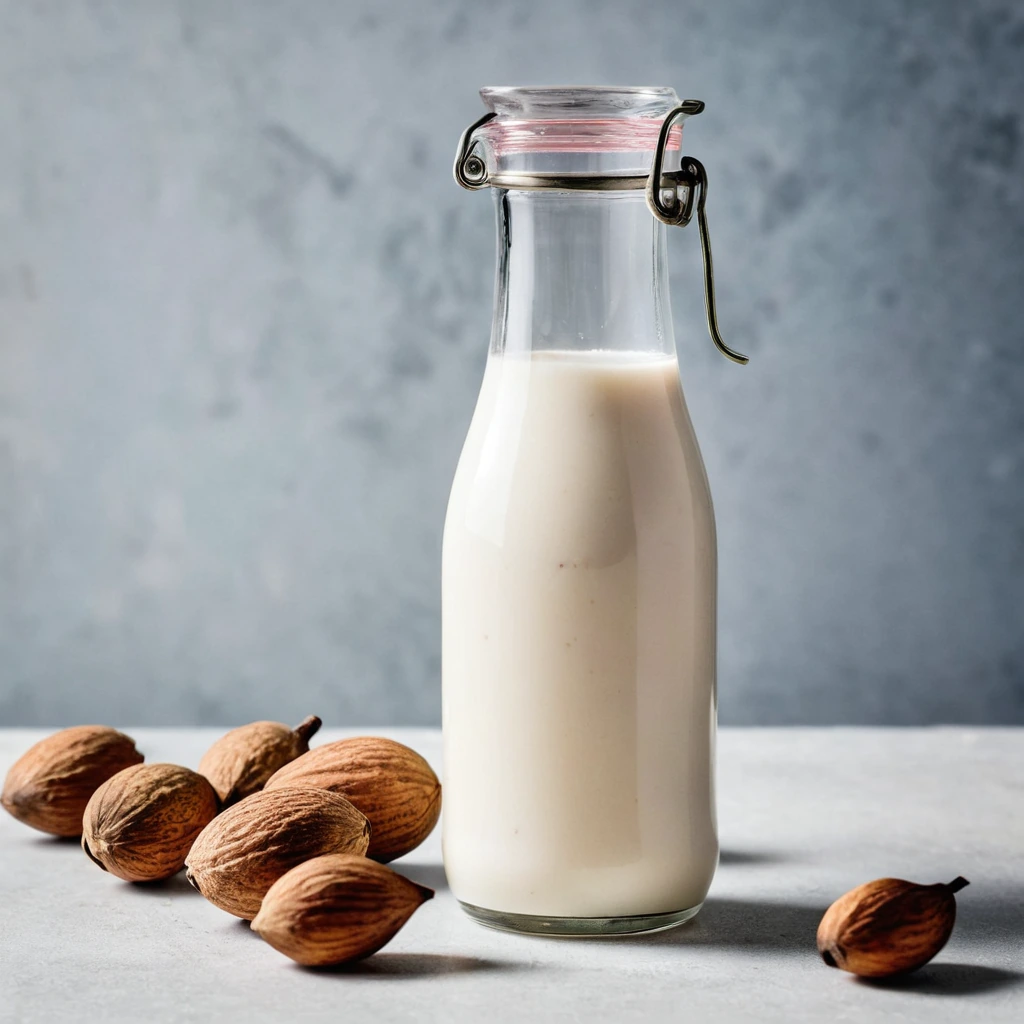
Almond Milk
Almond milk is a plant-based milk alternative made from ground almonds and water. Originating from traditional recipes in medieval Europe and the Middle East, it has gained widespread popularity in modern times as a dairy-free option. Almond milk has a subtly nutty flavor with a mild sweetness, and its aroma is reminiscent of fresh almonds. Its texture is smooth and creamy, though typically lighter than dairy milk. In cooking, almond milk behaves well in both savory and sweet applications, though it does not brown or caramelize like dairy milk. It is often used in cereals, smoothies, and baking, where its delicate flavor complements rather than overpowers other ingredients.
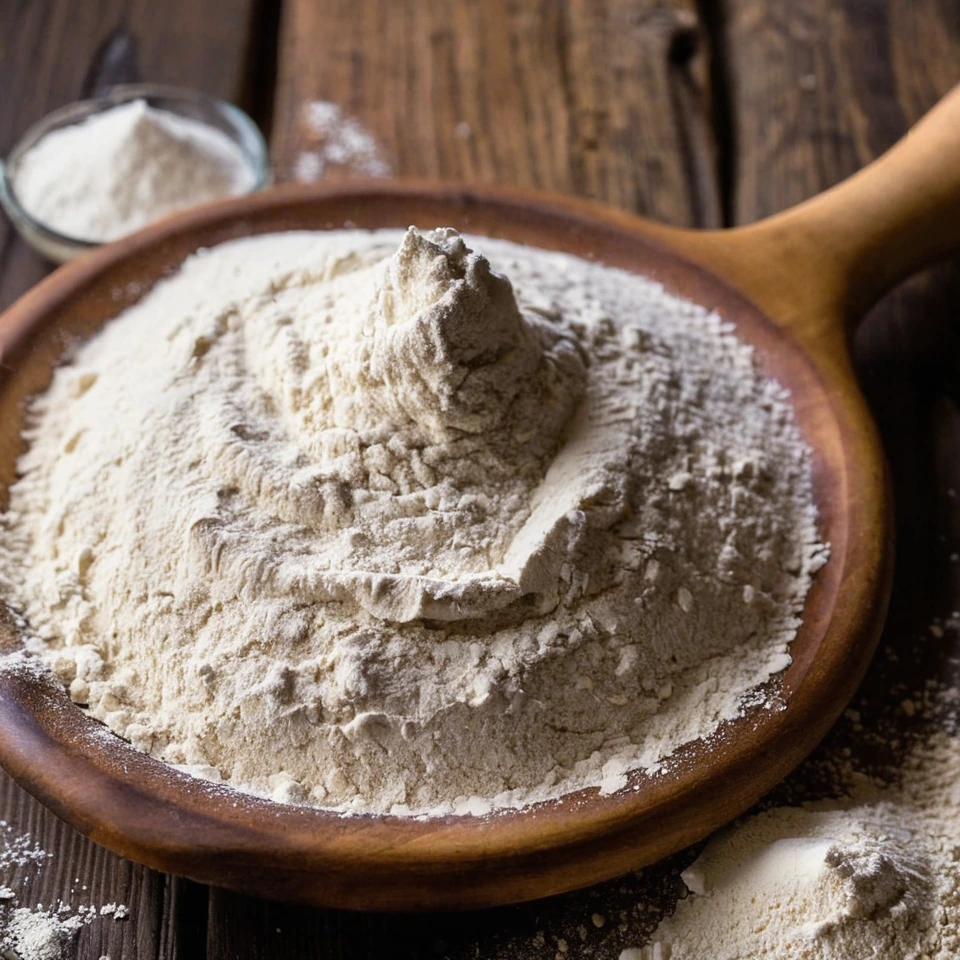
All-Purpose Flour
All-purpose flour is a versatile wheat flour that contains a moderate level of protein and gluten, making it suitable for a wide range of baking and cooking needs.
Recipes to try
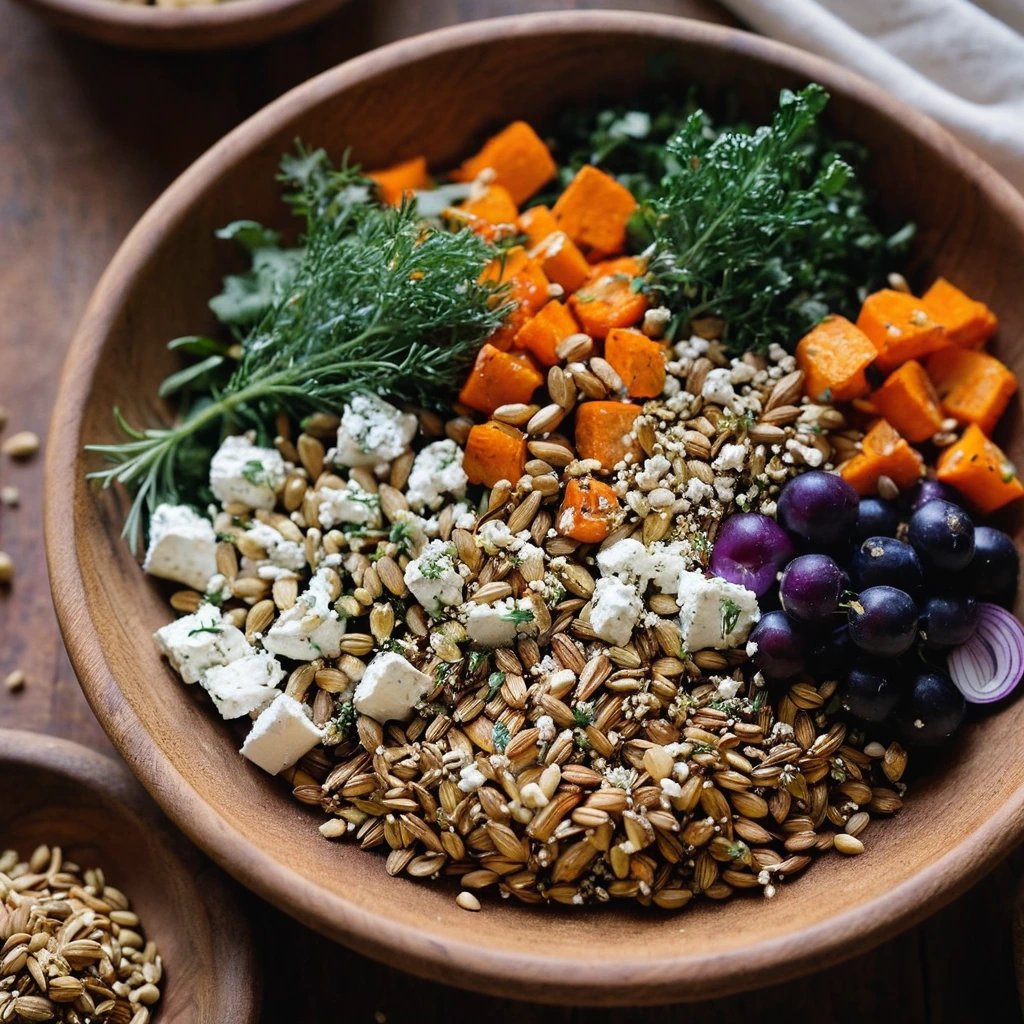
Roasted Vegetable and Goat Cheese Grain Bowls
Warm, roasted veggies mingle with creamy goat cheese over a bed of nutty grains for a comforting yet vibrant meal.
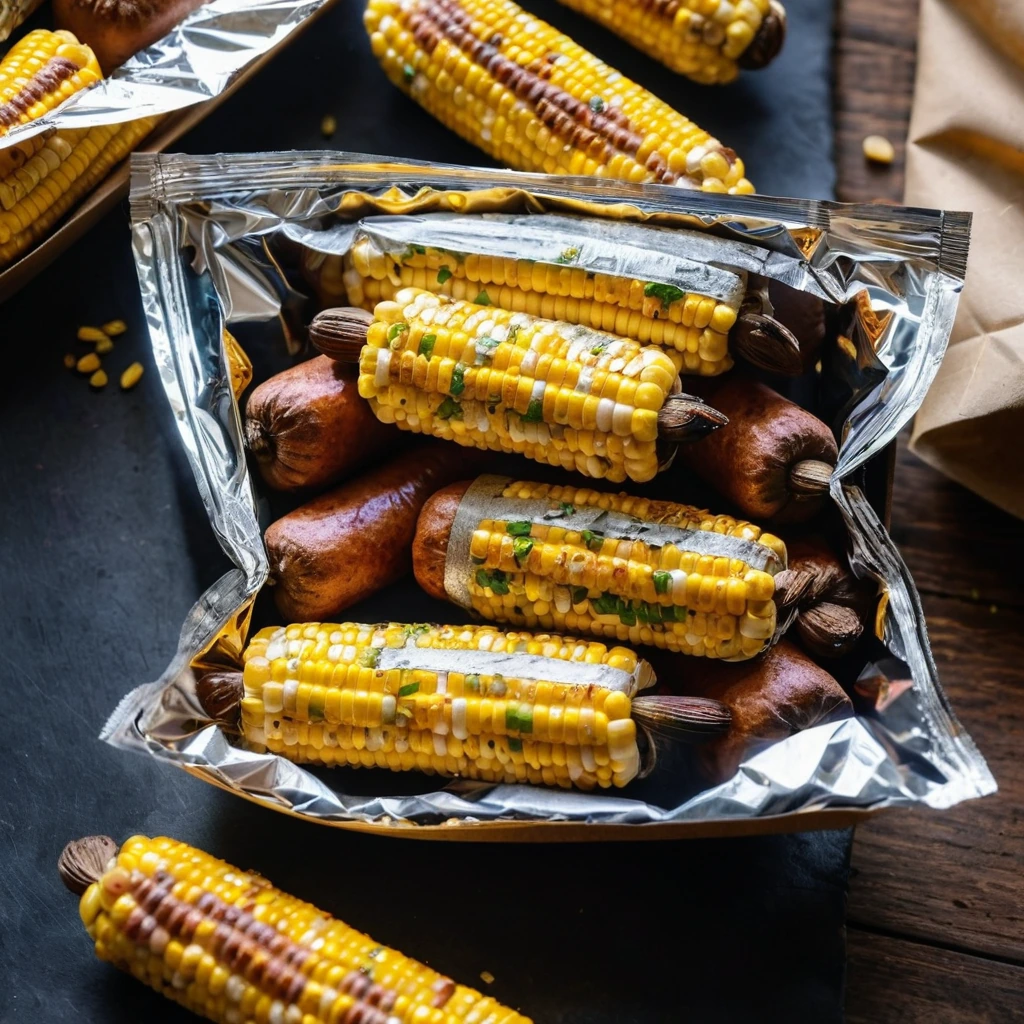
Smoky Sausage, Corn, and Potato Foil Packets
Imagine the smoky aroma of grilled sausage mingling with sweet corn and tender potatoes, all wrapped up in a neat foil packet.