Pickling: Safe Vinegar Ratios and Spices
Pickling is a time-honored technique that preserves food by creating an environment hostile to spoilage organisms. The key to successful pickling is understanding the safe vinegar ratios necessary to ensure food safety, along with the art of flavoring your pickles with spices. This technique dives into the science behind why vinegar is so effective, how to balance it with water and salt, and how to choose spices that elevate your pickles from ordinary to extraordinary. We’ll explore the essential ratios that guarantee preservation while allowing for creativity in flavor profiles. Whether you're a beginner or looking to refine your pickling prowess, mastering these fundamentals will ensure your pickles are both safe to eat and bursting with flavor. From crisp cucumber spears to tangy pickled onions, this technique will guide you through creating delicious, preserved foods that can be enjoyed all year round.
Notes
The acidic environment created by vinegar is crucial for inhibiting the growth of harmful bacteria. A ratio of 2:1 vinegar to water ensures a pH level below 4.6, which is considered safe for preserving. To maintain this safety, always use tested recipes from reliable sources. A common mistake is reducing the amount of vinegar to lessen the tartness, but this compromises safety. If you prefer a milder flavor, consider balancing it with additional spices or sweetness rather than reducing the acidity. For storage, ensure jars are properly sealed to prevent contamination. Pickles can be made ahead and stored in a cool, dark place until ready to use, making them perfect for meal prep and gifting.
Steps
- 1 Select fresh vegetables or fruits, ensuring they are clean and free of blemishes.
- 2 Prepare an ice water bath and submerge your produce to crisp them up for about 1-2 hours.
- 3 Drain and pat dry the produce thoroughly with clean kitchen towels.
- 4 Prepare your pickling brine by combining 2 cups of vinegar with 1 cup of water for a standard ratio.
- 5 Add 1 tablespoon of canning or pickling salt per cup of brine to enhance flavor and aid preservation.
- 6 Bring the brine to a gentle boil to dissolve the salt, then remove from heat.
- 7 Infuse your brine with spices like mustard seeds, coriander, dill, or garlic cloves for 10-15 minutes.
- 8 Pack your produce snugly into sterilized jars, leaving about ½ inch headspace.
- 9 Pour the hot brine over the produce, ensuring all pieces are covered.
- 10 Release air bubbles by gently sliding a clean spatula along the inside of the jar.
- 11 Wipe the jar rims, apply sterilized lids, and process in a boiling water bath for 10 minutes.
- 12 Remove jars and let them cool undisturbed for 12-24 hours.
- 13 Check seals and store in a cool, dark place for up to a year.
- 14 Refrigerate after opening and consume within a month for best quality.
Ingredients to explore
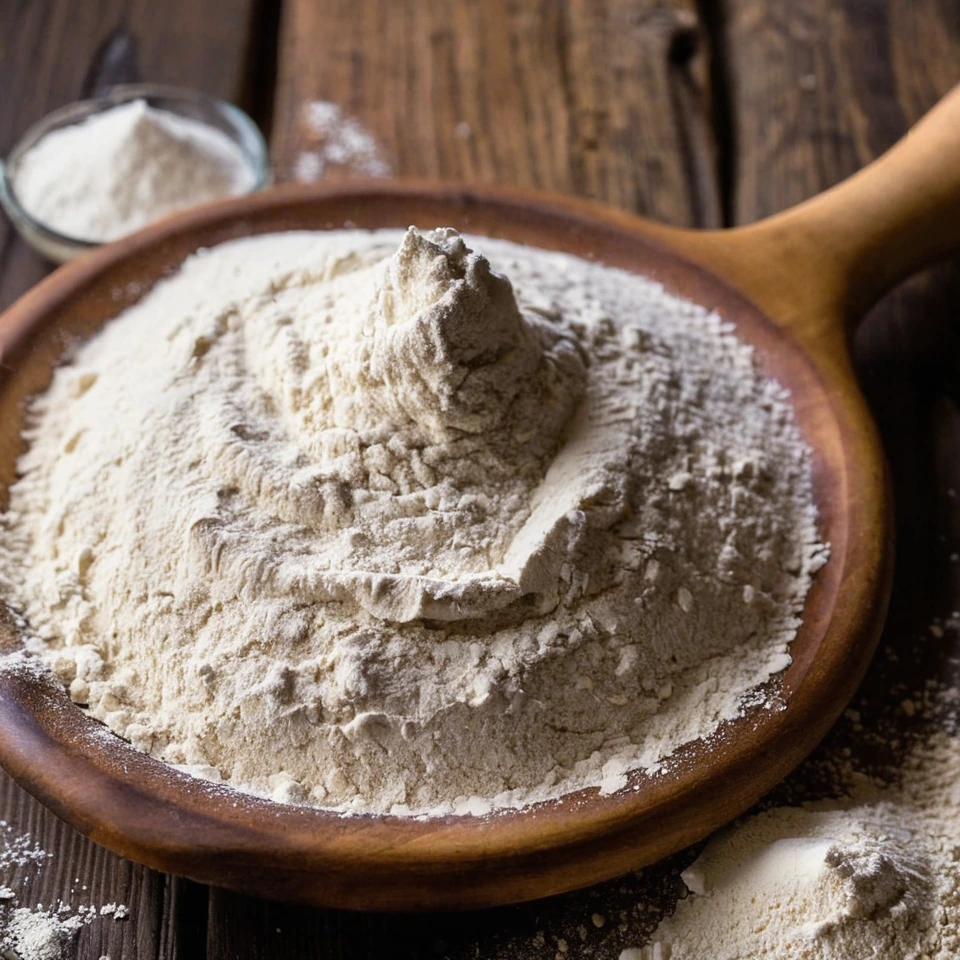
All-Purpose Flour
All-purpose flour is a versatile wheat flour that contains a moderate level of protein and gluten, making it suitable for a wide range of baking and cooking needs.
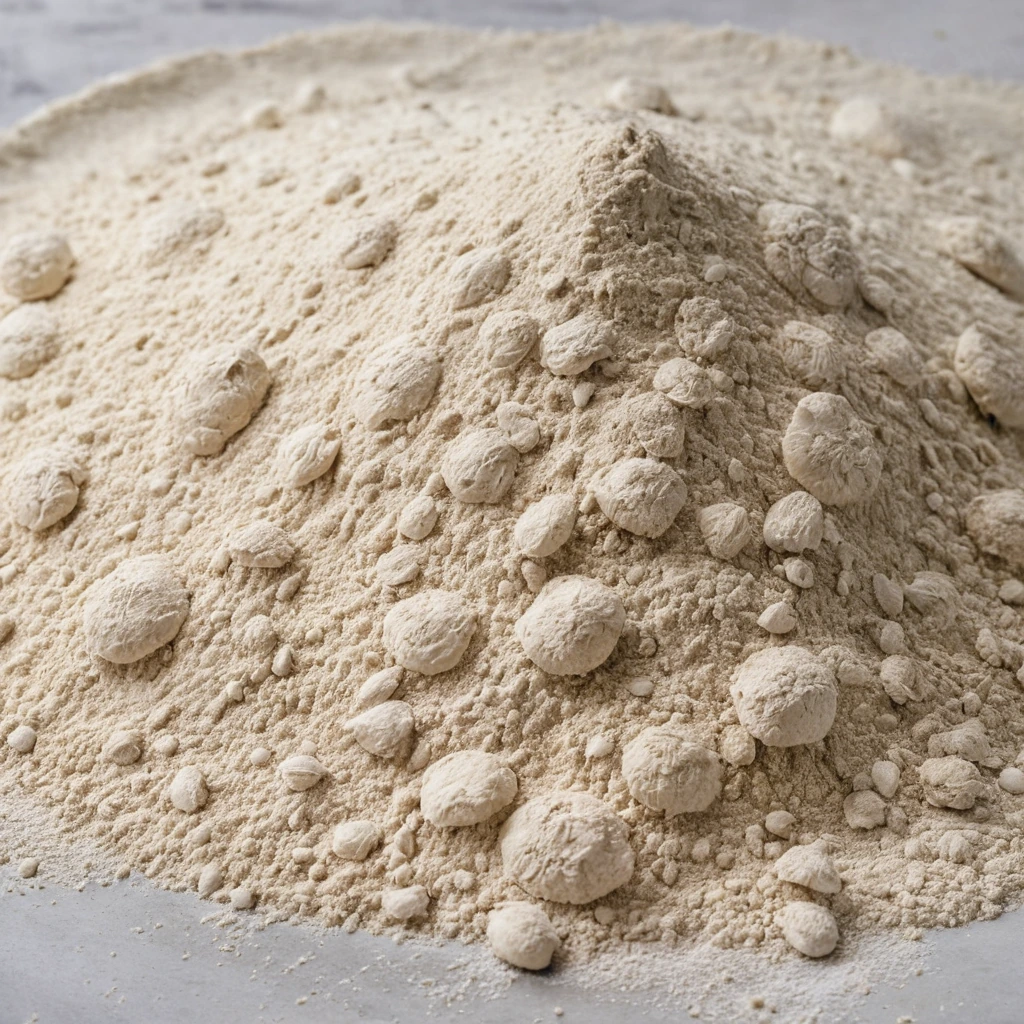
00 Pizza Flour
00 pizza flour is a finely milled Italian flour prized for its versatility in creating authentic Neapolitan-style pizza crusts. Originating from Italy, it is milled to a very fine consistency, which is reflected in its name, 'doppio zero,' indicating its fine grind. This flour has a balanced flavor profile, offering a mild, slightly sweet taste with a subtle nuttiness. Its texture is silky and smooth, contributing to a tender yet chewy crust when used in pizza making. In cooking, 00 pizza flour is known for its ability to hydrate quickly and develop a desirable gluten structure, resulting in a light and airy crust that can withstand high-heat cooking without becoming overly crispy or hard.
Recipes to try
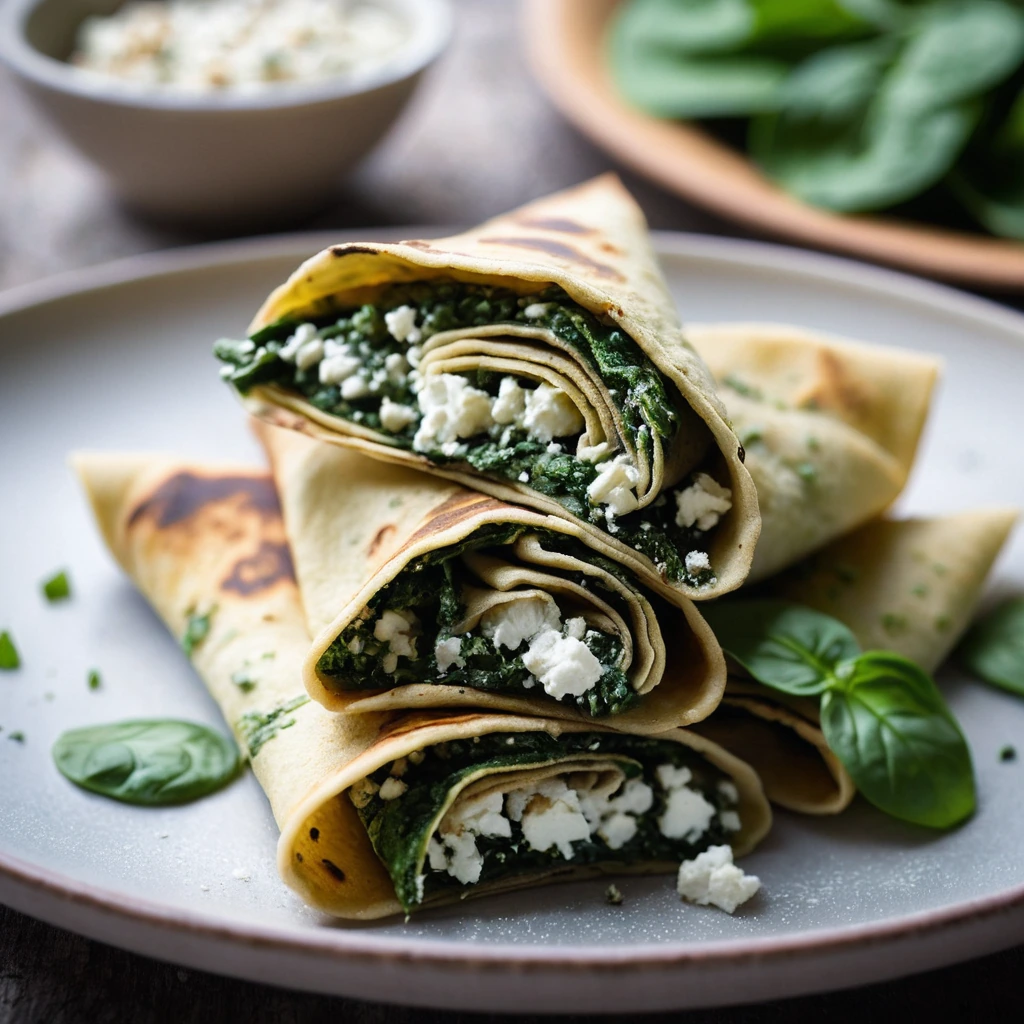
Spinach, Mushroom, and Feta Stuffed Crepes
Golden crepes envelop a savory blend of earthy mushrooms, tender spinach, and tangy feta for a satisfying vegetarian treat.

Sweet Chili Pork Noodle Bowls
Tender pork and chewy noodles are smothered in a tangy, sweet chili sauce that'll have you coming back for seconds.