Pans: When to Use Stainless vs Nonstick
Choosing the right pan can elevate your cooking game. Stainless steel and nonstick pans are kitchen staples, but they serve different purposes. Stainless steel pans are prized for their durability and ability to sear meats and develop fond, the tasty browned bits that add flavor to sauces. They're ideal for high-heat cooking, browning, and sautéing, thanks to their excellent heat conductivity and retention. On the flip side, nonstick pans are the go-to for delicate tasks like flipping eggs or cooking fish without it breaking apart. Their surface ensures minimal oil is used, making them a healthier choice for certain recipes. This technique dives into the science behind these materials, offering clarity on when to reach for stainless steel and when nonstick is your best bet. Understanding the strengths and limitations of each pan type will enhance your culinary outcomes and ensure your cookware lasts for years to come.
Notes
Stainless steel pans work best for high-heat cooking due to their ability to retain and distribute heat evenly. The surface reacts well with metal utensils and is suitable for creating fond. However, they require proper preheating and oil to prevent food from sticking. Nonstick pans, while convenient for low-heat cooking and easy clean-up, are susceptible to damage from high heat and metal utensils. To extend the life of your nonstick pan, avoid cooking at temperatures above 500°F and refrain from using metal tools. Both types of pans can be used for make-ahead cooking, but store them properly to maintain their quality. For stainless steel, drying immediately is crucial to prevent water spots, while nonstick pans should avoid abrasive cleaners.
Steps
- 1 Identify the cooking task at hand.
- 2 Choose stainless steel for high-heat searing and browning tasks.
- 3 Preheat stainless steel pan over medium-high heat for 2-3 minutes.
- 4 Add a small amount of oil to the stainless steel pan to prevent sticking.
- 5 Opt for nonstick pans for delicate foods or when minimal oil is desired.
- 6 Preheat nonstick pan over medium heat to avoid damaging the coating.
- 7 Use wooden or silicone utensils with nonstick pans to prevent scratches.
- 8 Clean stainless steel pans with warm, soapy water and a scrub brush.
- 9 Hand wash nonstick pans with mild detergent to preserve the coating.
- 10 Dry both types of pans immediately to prevent water spots and rust.
- 11 Store pans separately to avoid scratching the surfaces.
- 12 Periodically season stainless steel pans to enhance their non-sticking properties.
Ingredients to explore
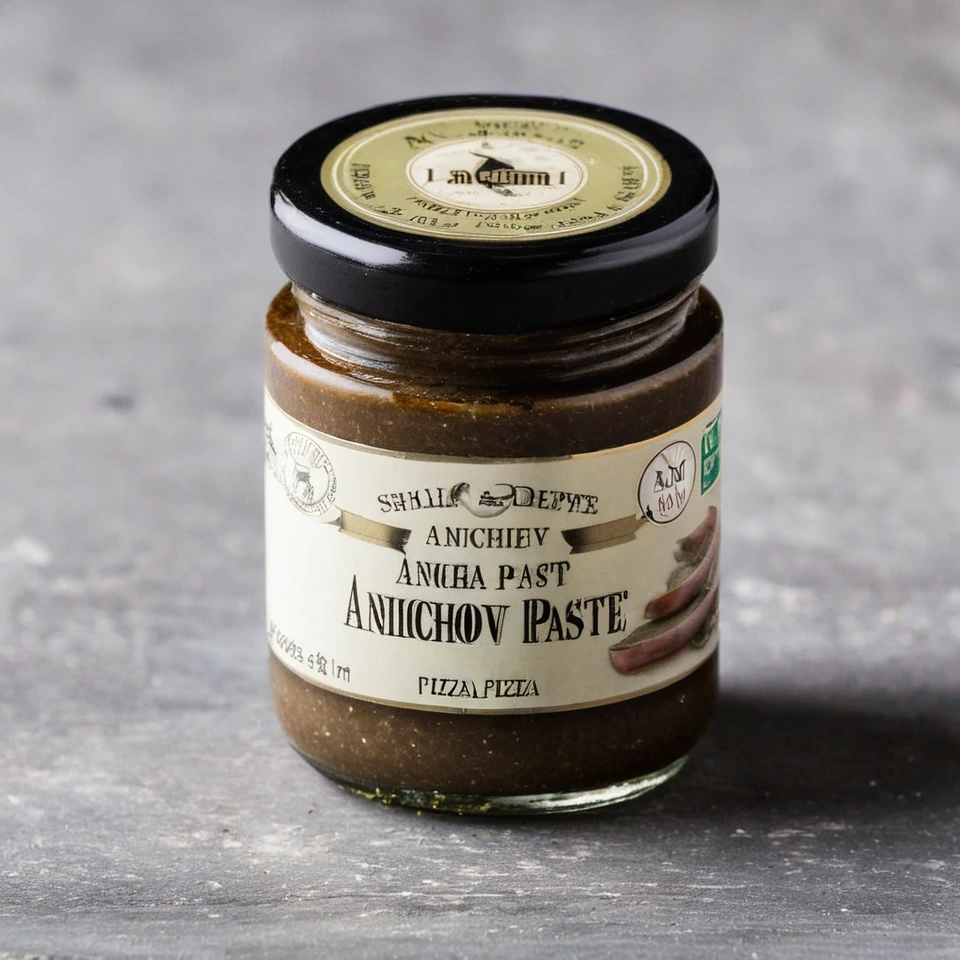
Anchovy Paste
Anchovy paste is a rich, salty spread made from finely ground anchovies, salt, and sometimes olive oil. It offers a deep umami flavor that enhances a variety of dishes.

Andouille Sausage
Andouille sausage is a coarse-grained, smoked pork sausage with a rich history rooted in French cuisine, particularly from the Alsace region. It was adapted in Louisiana, where it became a staple in Cajun and Creole cooking. The sausage is known for its robust, smoky flavor with hints of garlic, pepper, and other spices, creating a spicy and savory profile. Its texture is firm yet slightly chewy, making it a hearty addition to dishes. When cooked, andouille sausage maintains its shape well and infuses dishes with its distinctive smoky essence, enhancing stews, soups, and rice dishes.
Recipes to try

Lemon Raspberry Cheesecake Parfaits
Creamy layers of lemon cheesecake meet tangy raspberry swirls in a delightful parfait that's as pretty as it is delicious.
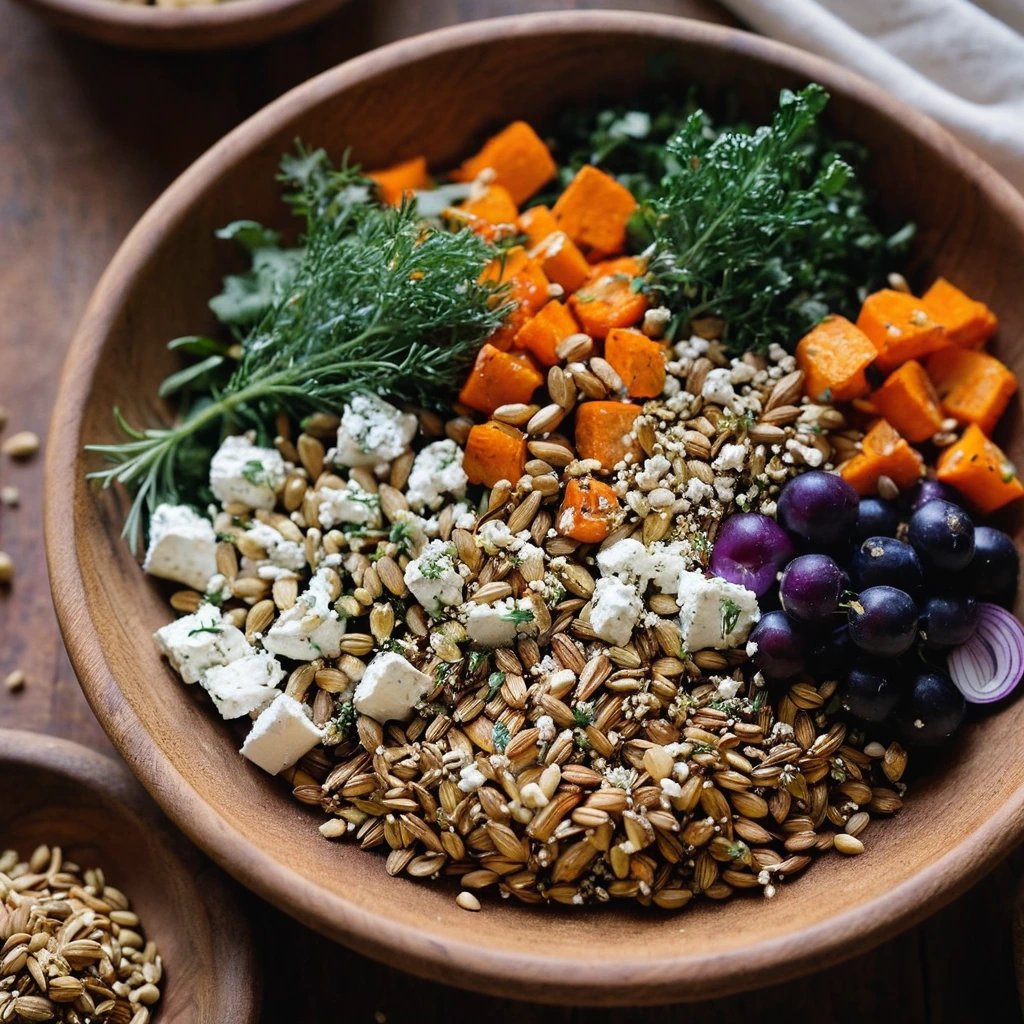
Roasted Vegetable and Goat Cheese Grain Bowls
Warm, roasted veggies mingle with creamy goat cheese over a bed of nutty grains for a comforting yet vibrant meal.