Pan Work: Tossing Food in a Pan Without a Spatula
Tossing food in a pan without a spatula is a skill that brings flair and efficiency to your cooking. It's a technique often seen in professional kitchens, but with a bit of practice, anyone can master it at home. The aim is to evenly cook ingredients by flipping or turning them mid-air. This method is particularly useful for dishes like fried rice, sautéed vegetables, or stir-fries where uniform cooking is key. Achieving the perfect toss requires understanding the right heat, moisture levels, and pan movement. Start with ingredients that are small, uniform, and not overly wet. A well-seasoned or non-stick pan is essential for preventing sticking. The motion should be fluid and confident, with the wrist leading the action. Practice with less critical ingredients first to build your technique. Remember, safety is paramount; ensure your workspace is clear and handle your pan with care to avoid accidents. Mastering this technique will not only improve your cooking but also add a touch of drama to your kitchen performances.
Notes
The science behind tossing lies in the Maillard reaction and even heat distribution. The Maillard reaction is responsible for browning and flavor development, which is why initial searing is crucial. Common mistakes include overcrowding the pan, using too much oil, or attempting to toss ingredients that are too wet or large. Always ensure your pan is well-seasoned or non-stick to prevent sticking. For safety, keep your workspace clear and be mindful of oil splatter. You can prepare ingredients ahead of time, but tossing should be done fresh for the best results. Store leftovers promptly in an airtight container in the refrigerator for up to three days.
Steps
- 1 Heat your pan over medium-high heat until it's hot but not smoking.
- 2 Add a small amount of oil, just enough to coat the bottom of the pan.
- 3 Once the oil is shimmering, add your ingredients, ensuring they're in a single layer.
- 4 Allow the ingredients to sear undisturbed for 30 seconds to 1 minute.
- 5 Grasp the pan handle firmly with one hand and place your other hand on the opposite side of the pan rim.
- 6 With a swift, confident motion, flip the ingredients using a slight wrist flick.
- 7 Catch the ingredients back into the pan with control, keeping the pan tilted slightly.
- 8 Repeat the toss as needed, adjusting timing based on the ingredients' cooking progress.
- 9 Monitor the ingredients closely to avoid burning, reducing heat if necessary.
- 10 Finish cooking with any additional seasonings or sauces as required.
- 11 Remove from heat and serve immediately for the best texture and flavor.
Ingredients to explore
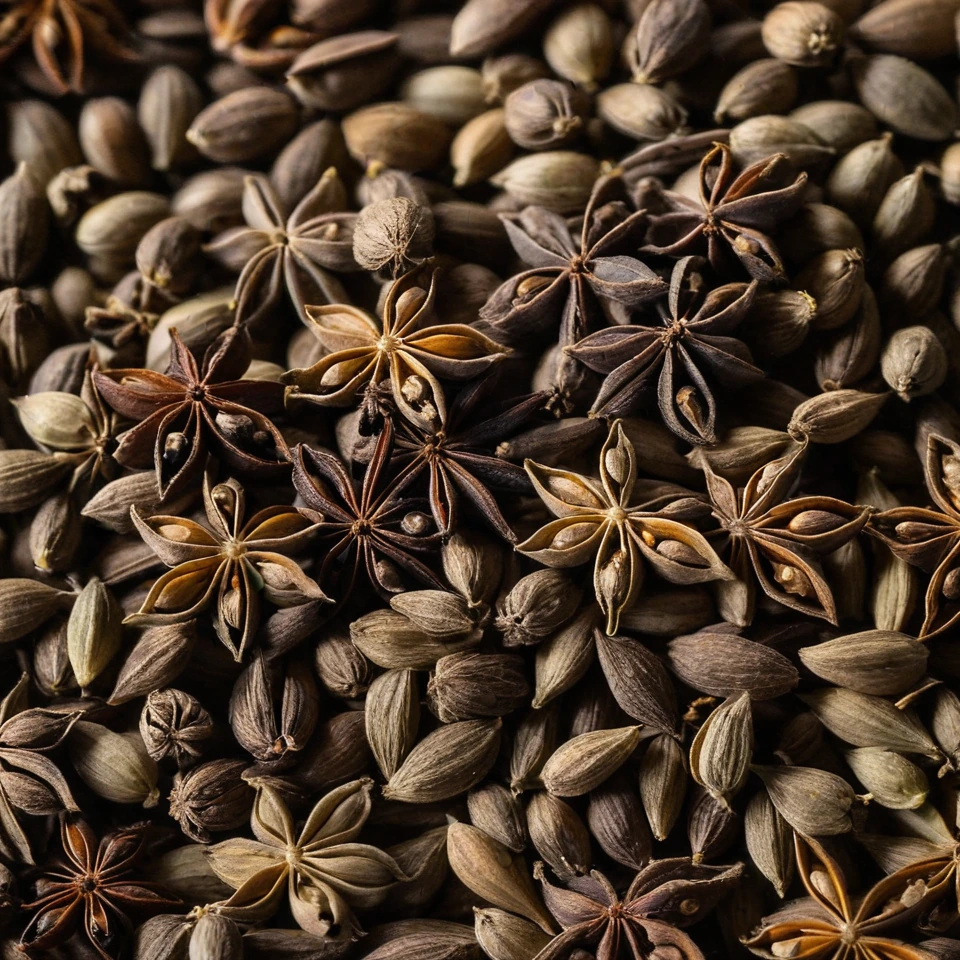
Anise Seeds
Anise seeds are small, oval seeds with a sweet, licorice-like flavor. They are commonly used in both sweet and savory dishes, offering a warm, aromatic taste.
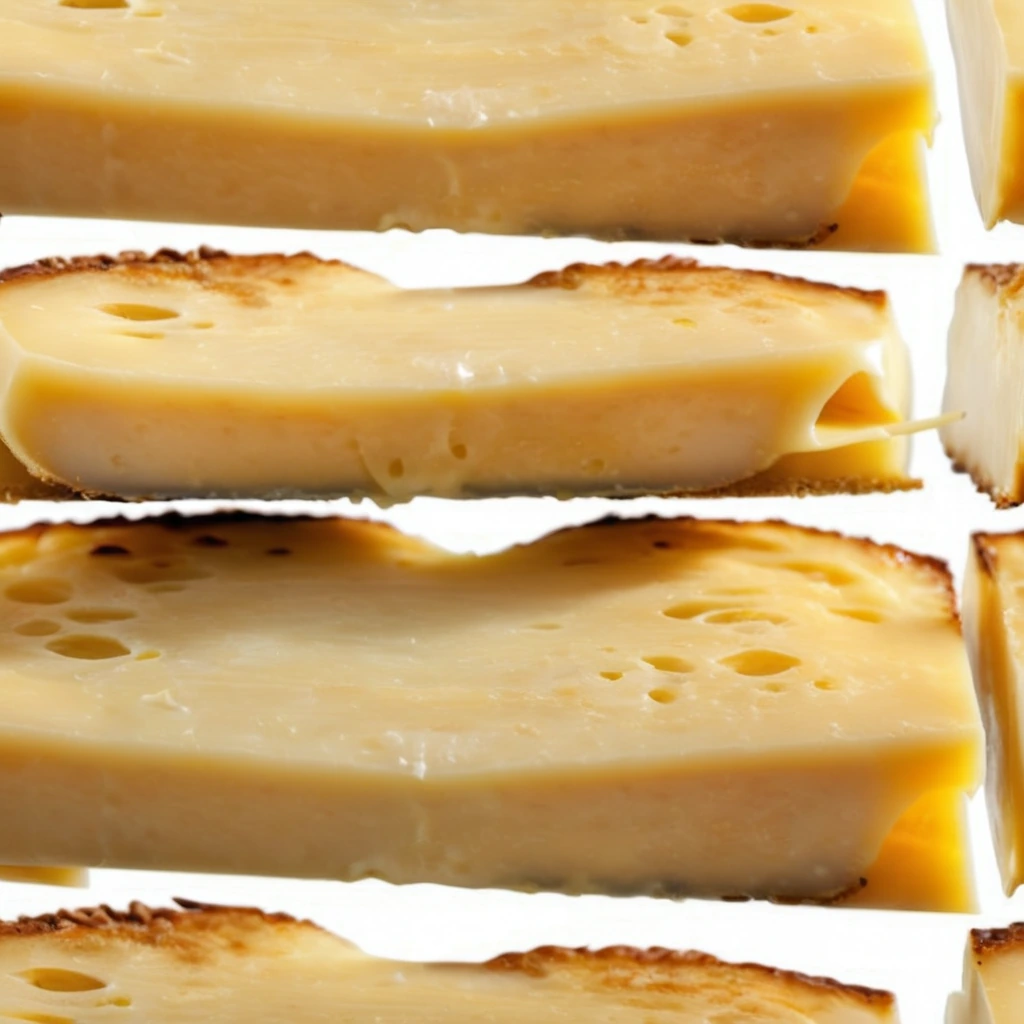
American Cheese Slices
Those iconic, perfectly pliable slices of creamy, mild American cheese. Each slice boasts a smooth, melt-in-your-mouth texture that brings comfort to any dish.
Recipes to try
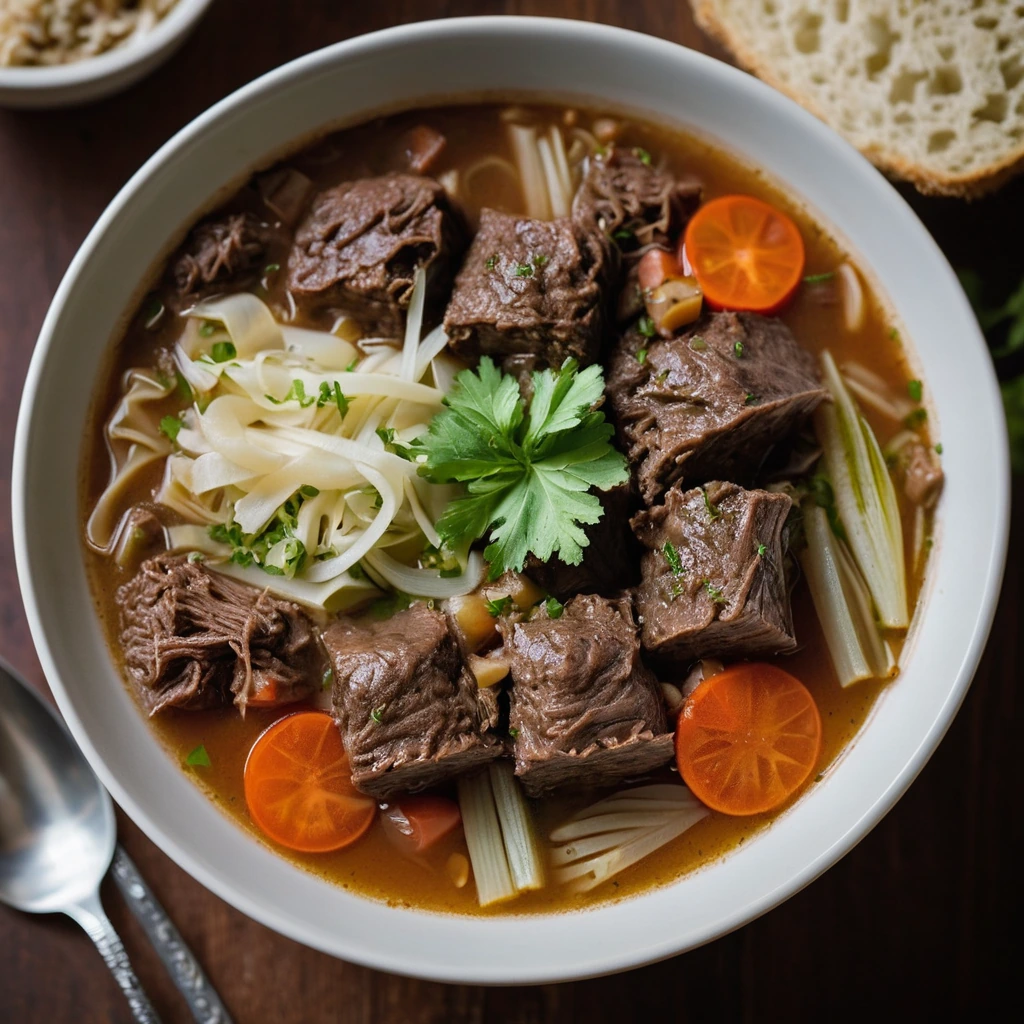
Stuffed Cabbage Roll Inspired Beef Soup
Warm up with this hearty soup that nods to classic stuffed cabbage rolls, brimming with tender beef and savory broth.
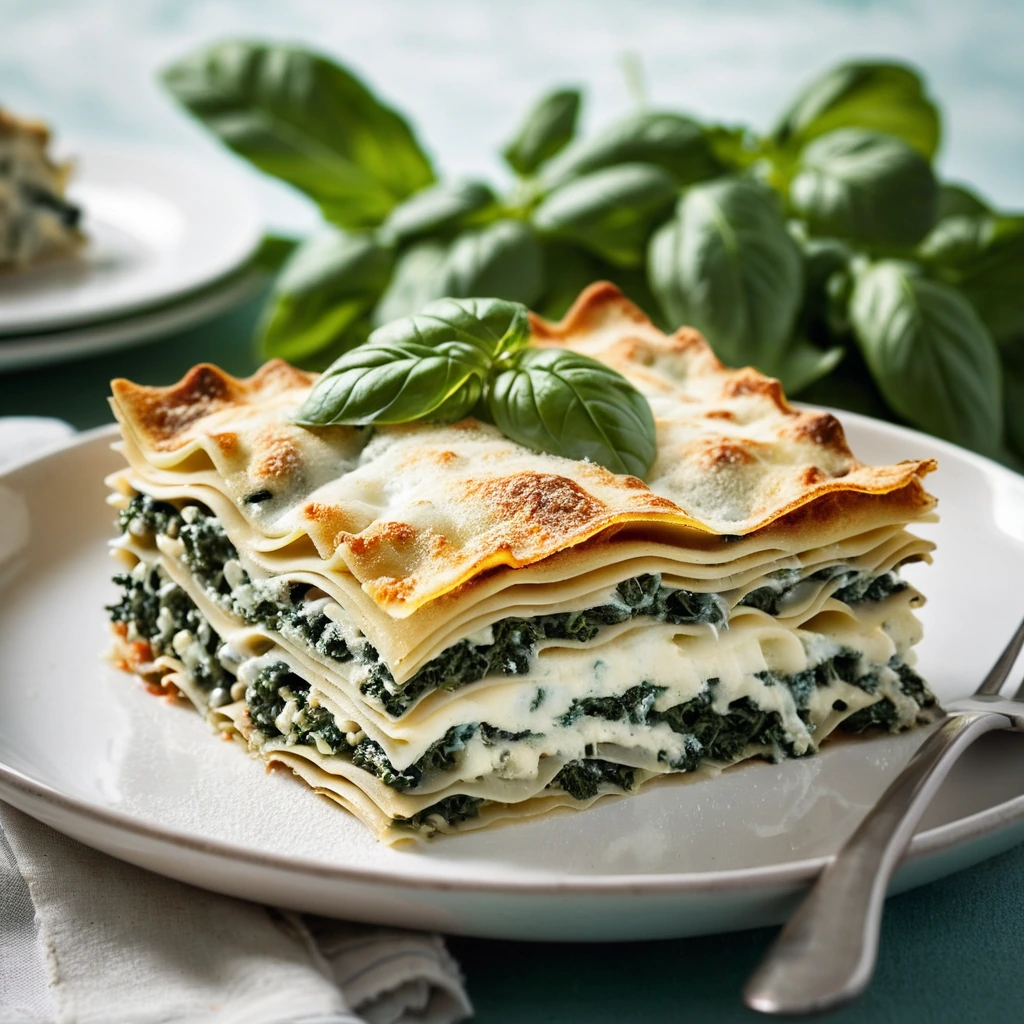
Vegetable Lasagna with Spinach and Ricotta
Layers of tender pasta, creamy ricotta, and a vibrant mix of spinach and veggies come together in a comforting, cheesy casserole.