Oven: Using a Thermometer for True Temperature
Cooking is both an art and a science, and when it comes to oven temperatures, precision is key. Many home cooks rely on their oven's built-in thermometer, but these can often be inaccurate, leading to undercooked roasts or burnt pastries. This technique dives into the importance of using an oven thermometer to ensure your culinary creations come out perfectly every time. First, we'll explore why oven thermometers are indispensable tools for any kitchen. Next, we'll discuss how to select the right thermometer for your needs. Then, we'll walk through how to properly calibrate your oven using your new thermometer. Understanding oven hot spots is crucial, so we'll cover how to identify and work with them. Finally, we'll delve into how consistent temperatures can elevate your cooking, from baking delicate cakes to roasting succulent meats. By the end, you'll be equipped with the knowledge to confidently control your oven's temperature, transforming your home cooking into chef-level precision.
Notes
Using an oven thermometer is vital because built-in oven thermostats can vary by as much as 50°F from the actual temperature. This discrepancy can ruin your dishes. Calibrating your oven ensures that you're cooking at the intended temperature, which is crucial for recipes that are sensitive to heat, like custards or breads. Troubleshoot common mistakes like placing the thermometer too close to the oven wall, which can give inaccurate readings due to heat reflection. Safety-wise, always use oven mitts when handling hot racks or thermometers. For make-ahead convenience, you can leave the thermometer in the oven between uses, but remember to remove it before cleaning the oven. Regularly checking your thermometer's accuracy will save you from potential cooking disasters and ensure consistent results.
Steps
- 1 Purchase an oven thermometer suitable for your oven size.
- 2 Place the thermometer in the center of the oven's middle rack.
- 3 Preheat your oven to 350°F.
- 4 Wait at least 20 minutes for the oven to stabilize.
- 5 Check the thermometer reading against the oven display.
- 6 Adjust the oven temperature dial if the thermometer shows a discrepancy of more than 25°F.
- 7 Repeat the process until the oven temperature matches the thermometer.
- 8 Rotate your dishes halfway through cooking to account for hot spots.
- 9 Check the thermometer periodically during long bakes or roasts.
- 10 Recalibrate your oven every few months to maintain accuracy.
- 11 Consider using multiple thermometers to map out hot spots across different racks.
- 12 Always preheat your oven before placing dishes inside.
- 13 Allow your oven to fully cool before making adjustments or cleaning.
- 14 Store your thermometer in a safe place to prevent damage.
Ingredients to explore
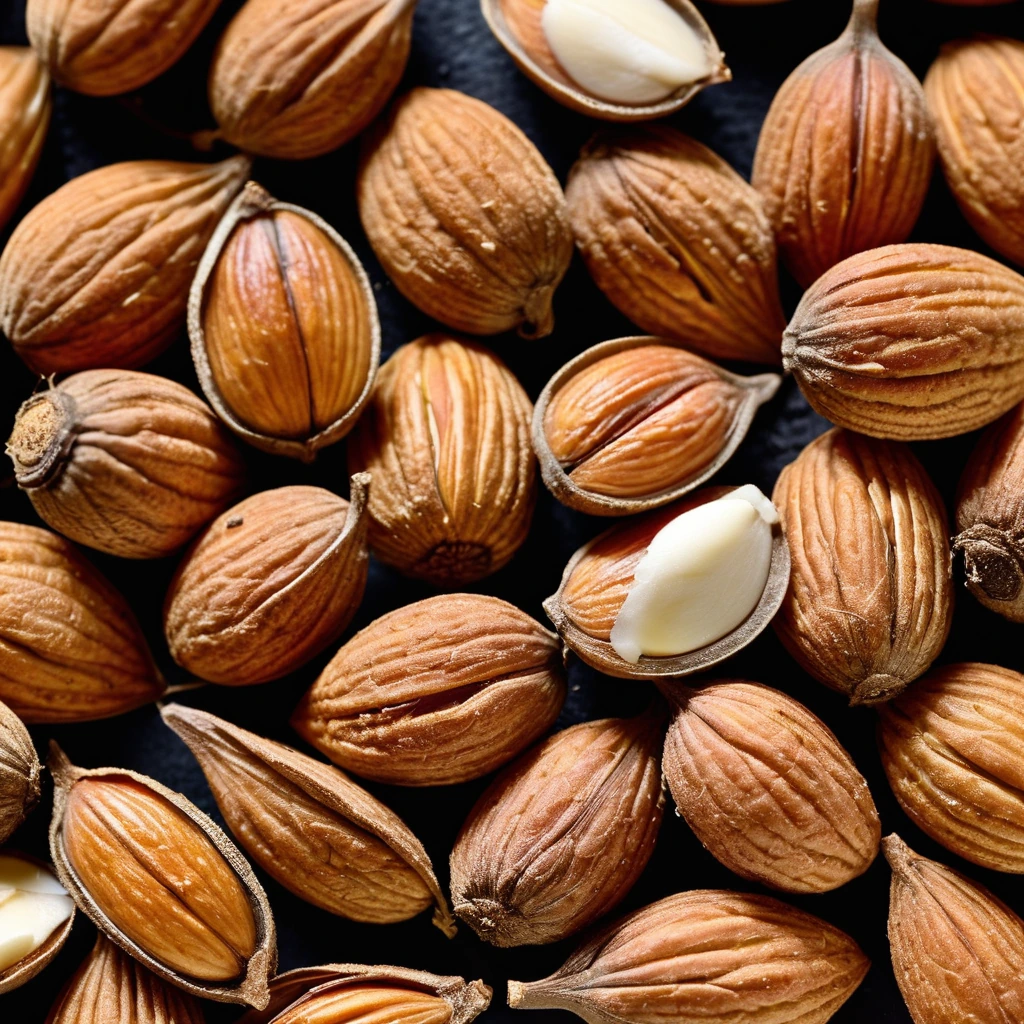
Almond Extract
A fragrant, golden elixir that captures the essence of freshly ground almonds, almond extract is a pantry staple that brings a rich, nutty aroma to your culinary creations.

American Cheese Slices
Those iconic, perfectly pliable slices of creamy, mild American cheese. Each slice boasts a smooth, melt-in-your-mouth texture that brings comfort to any dish.
Recipes to try
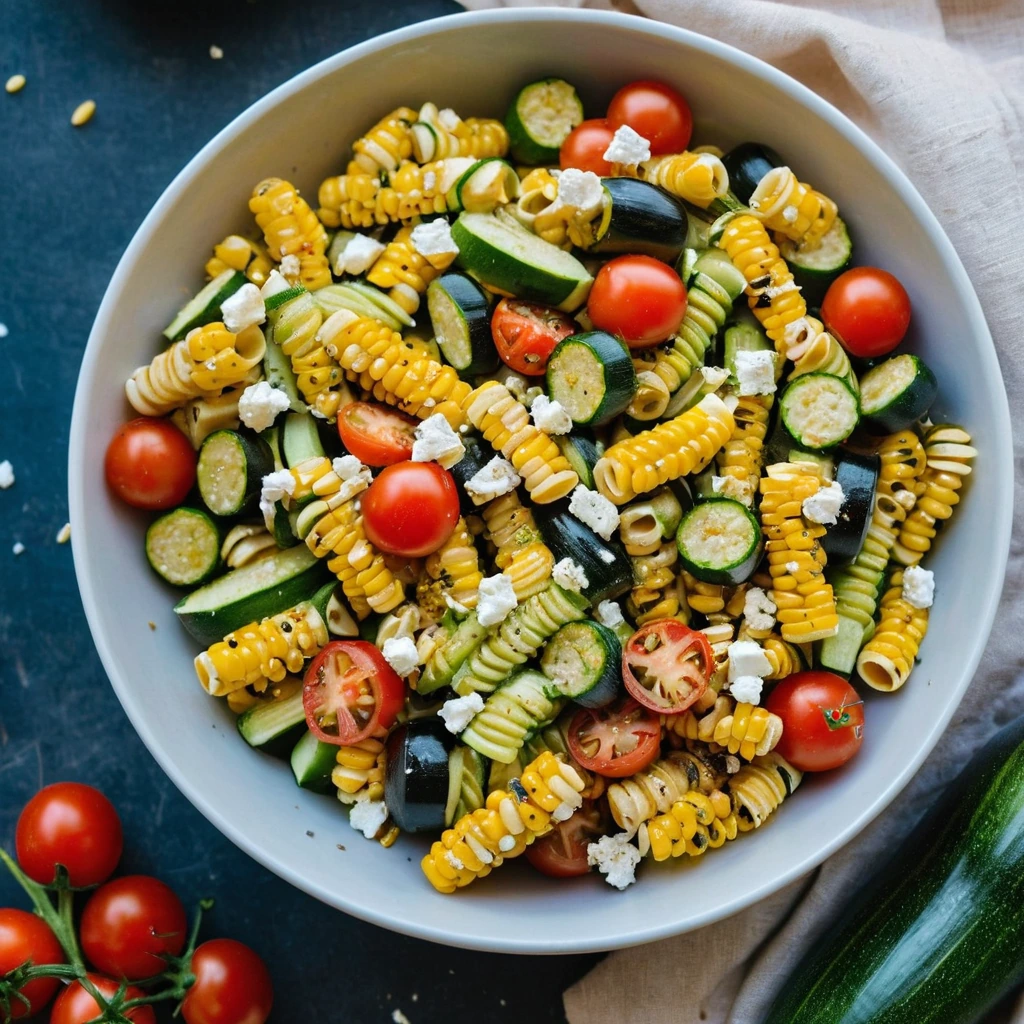
Roasted Zucchini, Corn, and Tomato Pasta Salad
This vibrant pasta salad is bursting with smoky roasted veggies and tangy feta, making every bite a taste of summer.
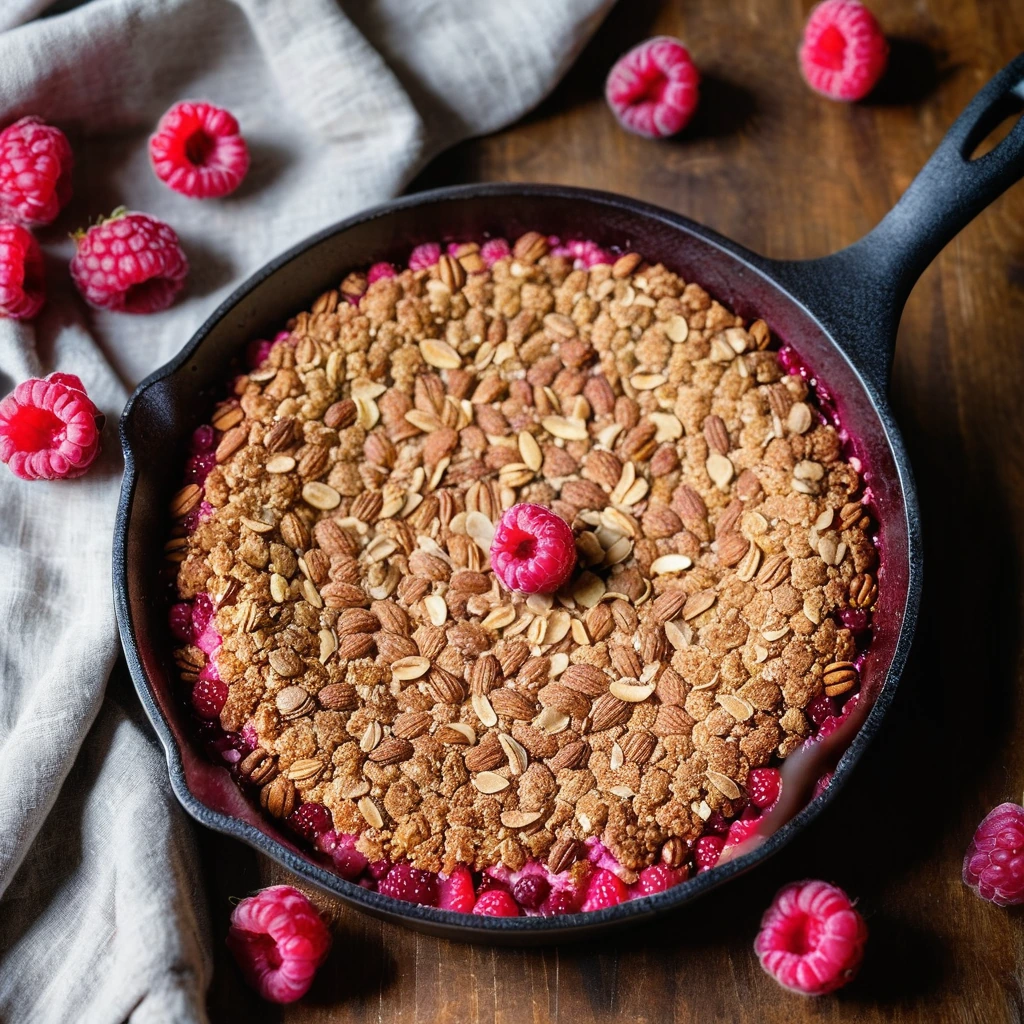
Raspberry Almond Crumble Skillet
A symphony of sweet raspberries nestled under a golden, almond-studded crumble, perfect for cozy evenings and brunch spreads.