Moist Heat: Using a Cartouche to Control Evaporation
The technique of using a cartouche, a round piece of parchment paper, to control evaporation during cooking is a subtle yet powerful method to maintain moisture and enhance flavors. Often used in dishes like braises, stews, and custards, a cartouche acts as a barrier that minimizes direct contact with air, thus preventing excessive evaporation and drying out. The parchment paper allows just enough steam to escape while keeping the cooking environment humid, ensuring that your dishes remain tender and juicy. This method is particularly useful for delicate dishes where texture and moisture are paramount. Understanding how to properly use a cartouche can elevate your cooking by providing a more controlled and gentle cooking environment. It’s a simple yet effective technique that requires minimal equipment and can be applied to a variety of recipes. Whether you're making a silky-smooth crème caramel or a succulent pot roast, mastering the cartouche will help you achieve consistent results. In this guide, we’ll explore the steps to effectively use a cartouche, the science behind why it works, and tips to troubleshoot common issues.
Notes
The science behind using a cartouche lies in its ability to create a controlled environment. By limiting air exposure, it helps maintain a consistent humidity level, which is crucial for dishes that require prolonged cooking times. This prevents the top layer from drying out and forming an undesirable crust. A common mistake is using parchment paper that is too small, which can let too much steam escape. Ensure your cartouche fits tightly to maximize its effectiveness. Safety-wise, be cautious when handling hot dishes and steam. For make-ahead meals, dishes cooked with a cartouche can often be stored in the refrigerator for up to three days, though reheating should be done gently to preserve the texture.
Steps
- 1 Cut a circle of parchment paper to fit snugly inside the top of your cooking vessel.
- 2 Crimp the edges of the parchment paper to ensure it sits flush against the sides.
- 3 Place the cartouche gently on top of your ingredients before covering with a lid.
- 4 Heat your cooking vessel over medium heat until the desired cooking temperature is reached.
- 5 Maintain a gentle simmer to allow for even cooking and minimal evaporation.
- 6 Check the dish periodically to ensure the cartouche remains in place and adjust as needed.
- 7 Remove the cartouche carefully when cooking is complete to avoid spills.
- 8 Serve your dish, noting the improved texture and moisture retention.
Ingredients to explore
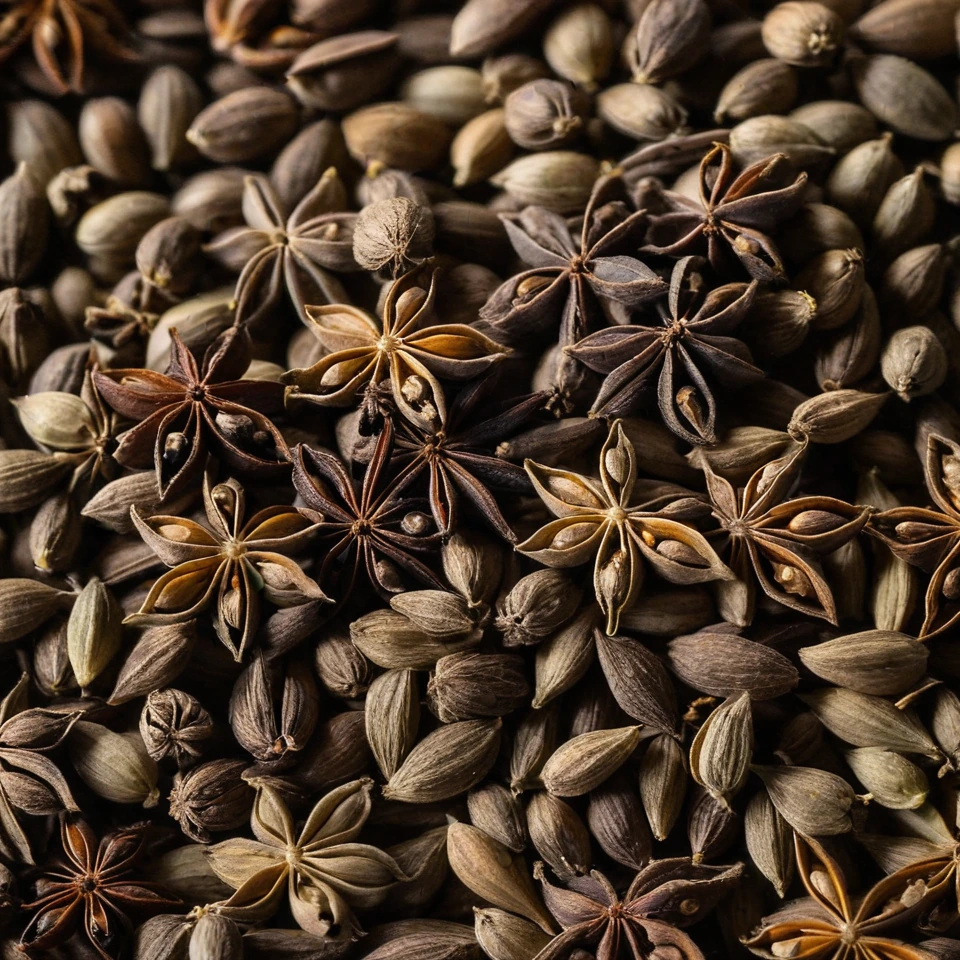
Anise Seeds
Anise seeds are small, oval seeds with a sweet, licorice-like flavor. They are commonly used in both sweet and savory dishes, offering a warm, aromatic taste.
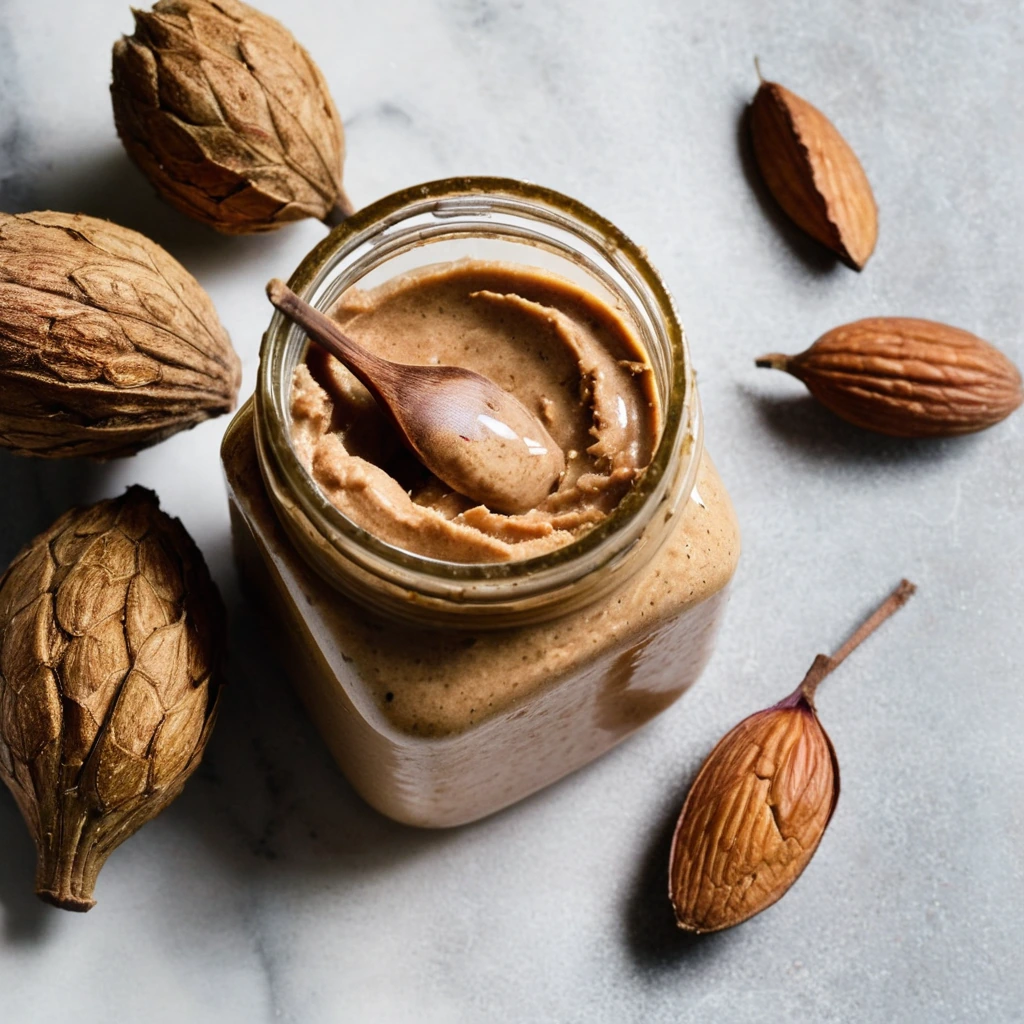
Almond Butter
A velvety, nutty spread crafted from finely ground almonds, offering a rich and satisfying flavor that's both comforting and indulgent.
Recipes to try
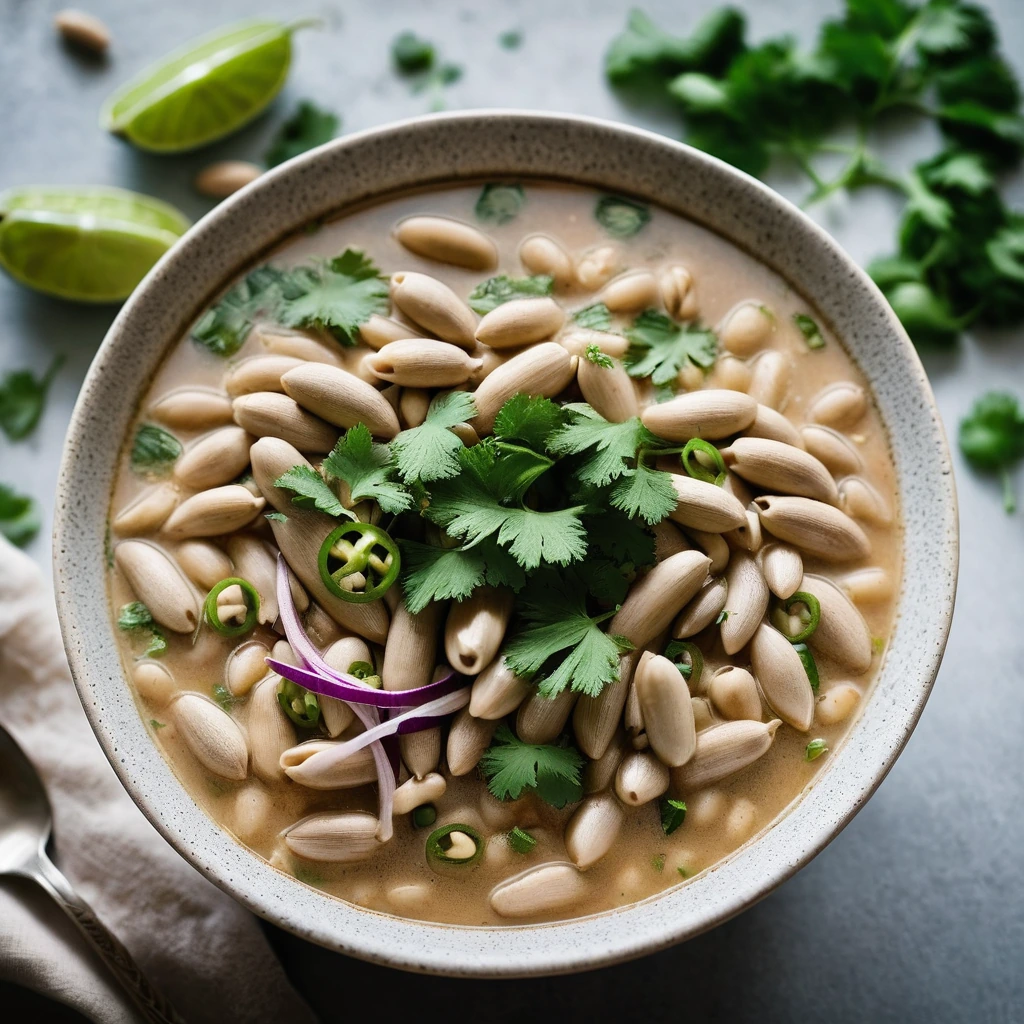
White Bean Chicken Chili with Green Chiles
A hearty, creamy chili brimming with tender chicken, buttery white beans, and a kick of smoky green chiles.
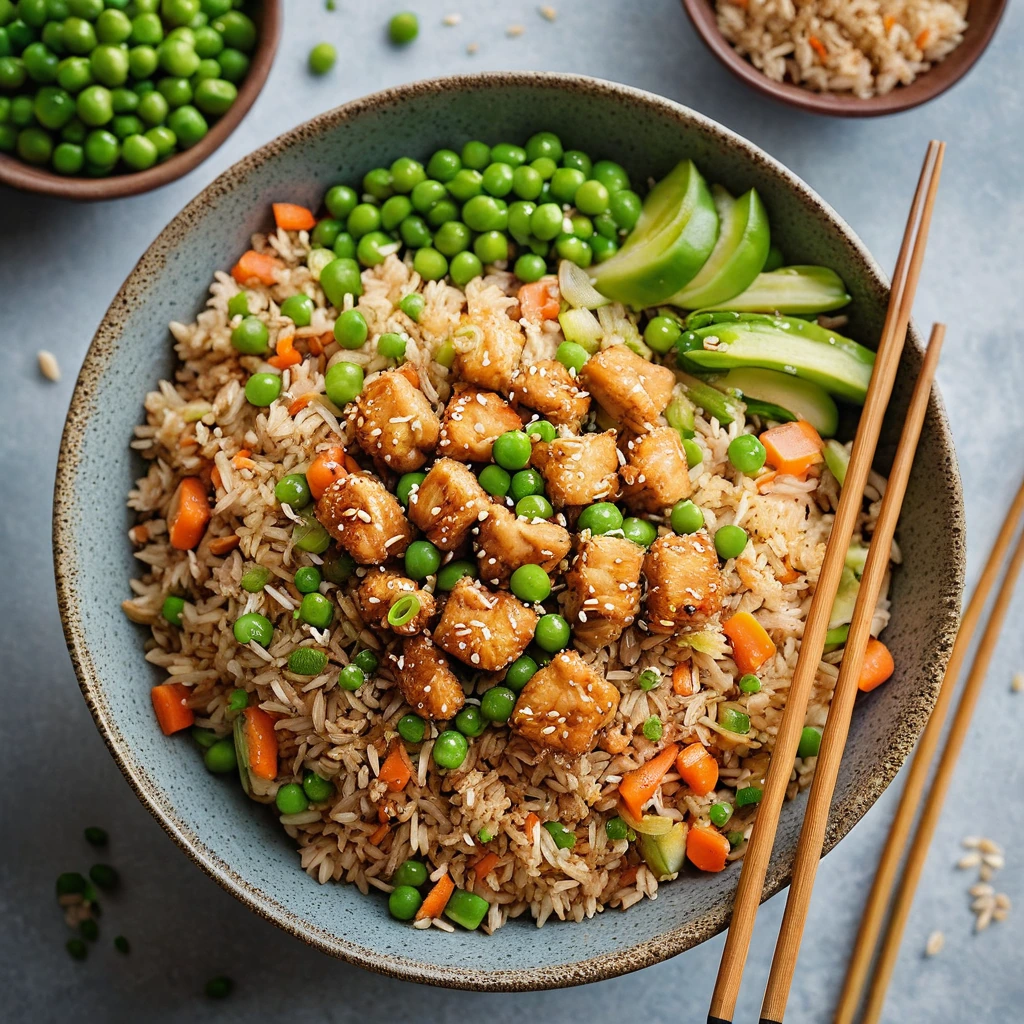
Sesame Chicken Fried Rice with Veggies
Savory fried rice packed with tender chicken, colorful veggies, and toasted sesame seeds for an irresistible nutty crunch.