Moist Heat: Steaming Fish in Parchment (En Papillote)
Steaming fish en papillote is a delightful culinary technique that combines simplicity with elegance. This method involves wrapping fish and aromatics in parchment paper and allowing the natural steam to cook the fish gently. The result is a tender, flavorful dish that retains its moisture and nutrients. By creating a sealed environment, the fish steams in its own juices and those of the accompanying ingredients, infusing it with rich, natural flavors. This technique is not only practical but also sustainable, as it requires minimal oil or butter. It is perfect for home cooks looking to elevate their seafood dishes with ease. The parchment packet also serves as a presentation piece, making it ideal for both casual and formal dining. This method is versatile and can be customized with a variety of herbs, vegetables, and sauces to suit personal taste. Furthermore, it is a healthier alternative to frying, allowing the fish's natural flavors to shine. Steaming en papillote is a testament to the fact that less is often more in cooking, delivering a restaurant-quality meal with minimal effort and cleanup.
Notes
Steaming fish en papillote works due to the creation of a self-contained environment that traps steam and circulates heat evenly around the fish. This gentle cooking method ensures the fish remains moist and flaky. Common mistakes include using parchment paper that is too small, leading to leaks, or overcooking, which can dry out the fish. To avoid leaks, ensure the parchment is well-sealed. For safety, use oven mitts when handling hot packets. Fish en papillote is best served immediately, but if needed, it can be prepared ahead and refrigerated before baking. Simply adjust the cooking time slightly to account for the chilled ingredients.
Steps
- 1 Preheat oven to 400°F.
- 2 Cut a large piece of parchment paper into a heart shape, about 12 inches wide.
- 3 Place your fish fillet skin-side down in the center of the parchment.
- 4 Season the fish with salt and pepper to taste.
- 5 Scatter aromatic vegetables like sliced leeks, shallots, or thinly sliced fennel over the fish.
- 6 Dot with small pats of butter or drizzle with olive oil.
- 7 Sprinkle fresh herbs like dill, parsley, or thyme over the top.
- 8 Add a splash of white wine or lemon juice for extra moisture and flavor.
- 9 Fold the parchment paper over the fish, starting from the top, and crimp the edges tightly to seal.
- 10 Place the packet on a baking sheet and transfer to the preheated oven.
- 11 Bake for 10-15 minutes, depending on the thickness of the fish. The packet should puff up.
- 12 Carefully remove the packet from the oven using oven mitts.
- 13 Let it rest for a minute before opening to allow the steam to redistribute.
- 14 Serve directly from the parchment packet at the table for an impressive presentation.
Ingredients to explore
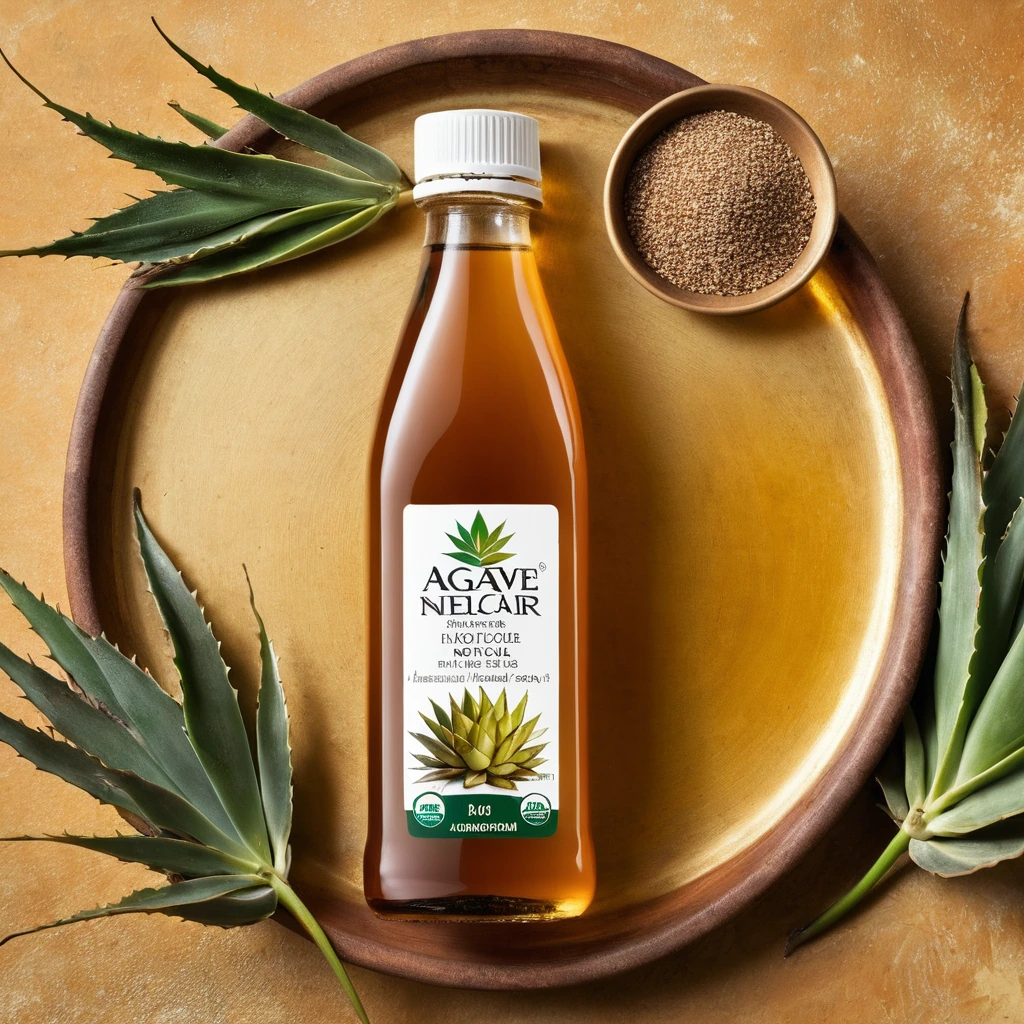
Agave Nectar
A golden, velvety sweetener derived from the agave plant, offering a subtly sweet flavor with a smooth, syrup-like texture.
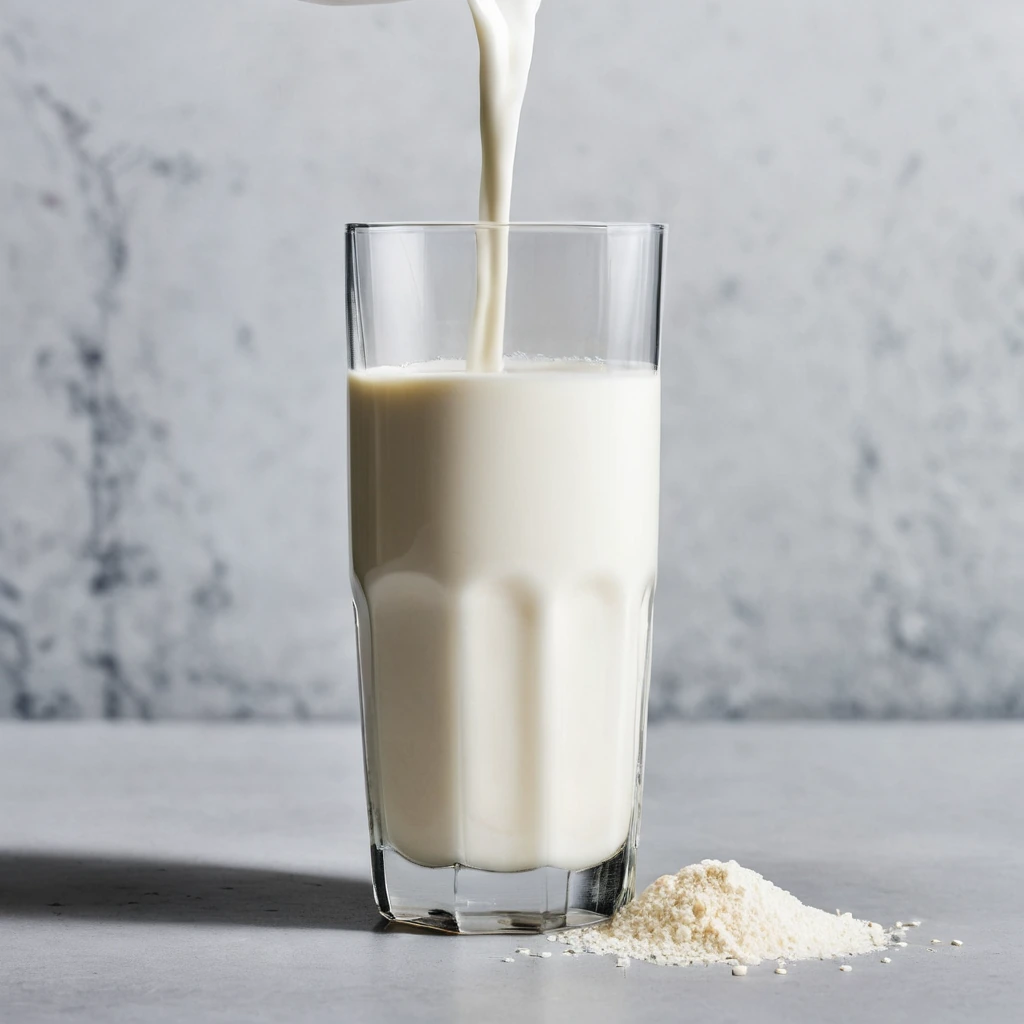
2% Milk
Creamy and just a touch lighter than whole milk, 2% milk offers a perfect balance of richness and reduced fat. Its smooth texture and subtle sweetness make it a delightful choice for sipping or cooking.
Recipes to try
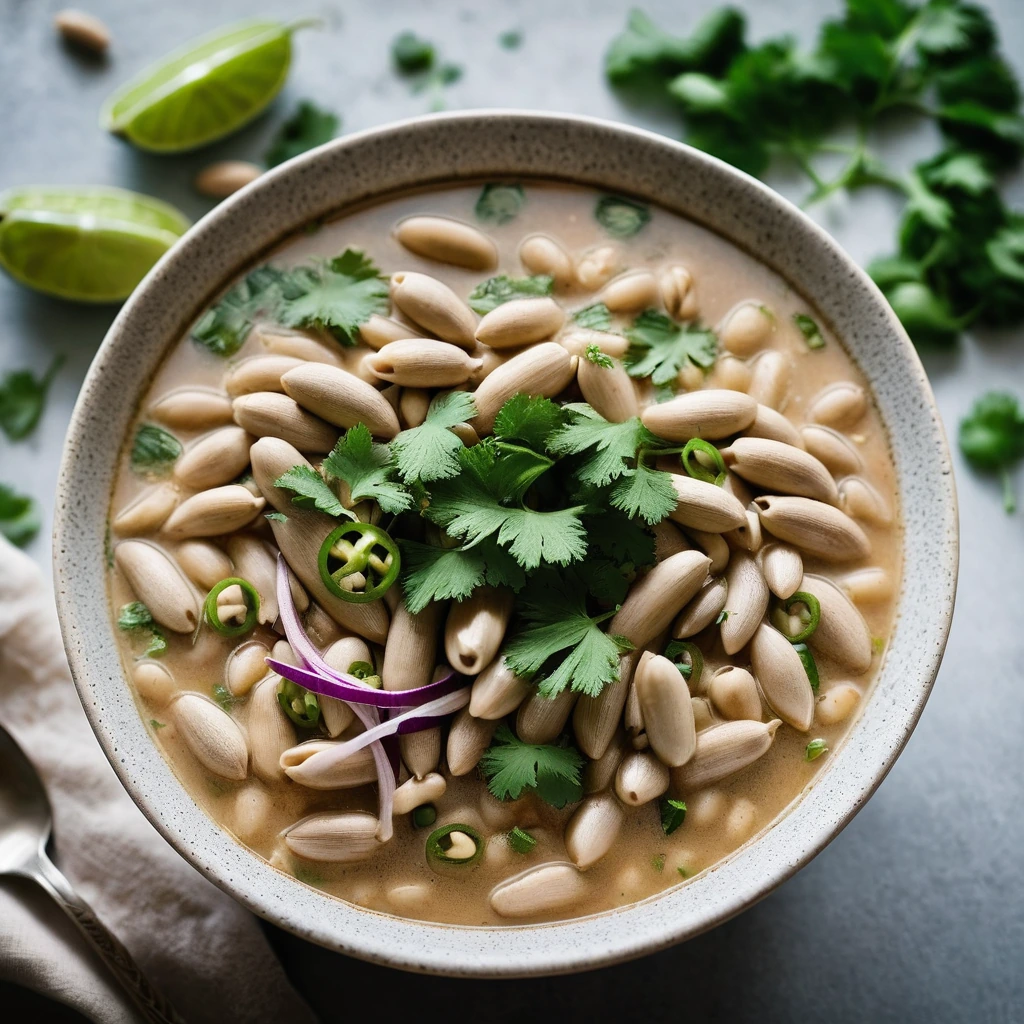
White Bean Chicken Chili with Green Chiles
A hearty, creamy chili brimming with tender chicken, buttery white beans, and a kick of smoky green chiles.
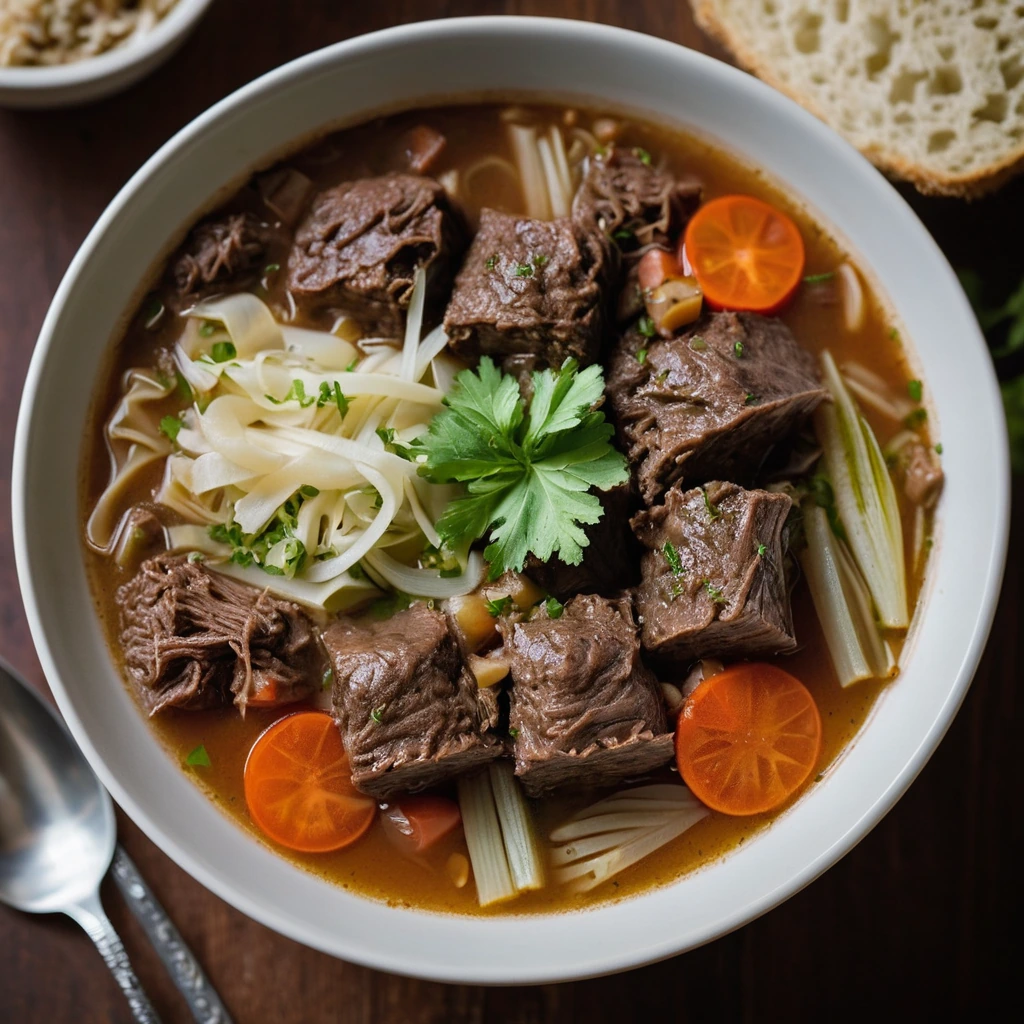
Stuffed Cabbage Roll Inspired Beef Soup
Warm up with this hearty soup that nods to classic stuffed cabbage rolls, brimming with tender beef and savory broth.