Moist Heat: Reheating Leftovers Without Drying Them Out
Reheating leftovers can often turn a once-delicious meal into a dry, unappetizing experience. However, using the moist heat method can preserve the texture and flavor of your food. This technique involves reintroducing moisture to your leftovers while reheating, ensuring they stay juicy and delectable. Whether you're dealing with last night's roast chicken or yesterday's pasta, moist heat is your best friend. The key is to create an environment that traps steam and gently warms your food without zapping its moisture. This can be achieved through various methods, such as using a sauce or broth, covering your dish tightly, or even employing a splash of water or stock in your reheating container. The gentle embrace of moist heat keeps proteins tender and grains plump, ensuring your leftovers taste as good as when they were first served. Additionally, moist heat helps to rehydrate any vegetables that may have lost their crispness, making them vibrant and flavorful again. Understanding how to control the temperature and humidity while reheating is crucial to mastering this technique. By following the steps outlined here, you'll be able to enjoy your leftovers with the same enthusiasm as your original meal, without the worry of dried-out disasters.
Notes
The science behind moist heat reheating lies in the ability of steam to transfer heat gently and evenly, preventing the outer layers of your food from drying out before the center is heated. A common mistake is using high heat, which can cause moisture to evaporate too quickly. To avoid this, always opt for lower temperatures and shorter cooking times. Safety is key, so ensure your leftovers are heated to an internal temperature of 165°F to kill any potential bacteria. For make-ahead preparation, reheat only the portion you plan to eat to maintain quality. Store leftovers in airtight containers in the refrigerator for up to 3-4 days or freeze for longer storage.
Steps
- 1 Place your leftovers in a microwave-safe dish.
- 2 Add a tablespoon of broth, water, or sauce over the food.
- 3 Cover the dish with a microwave-safe lid or microwave-safe plastic wrap, leaving a small vent for steam.
- 4 Microwave on medium power (50%) for 2 minutes.
- 5 Check the food; if needed, continue heating in 30-second intervals until warmed through.
- 6 For stovetop reheating, use a skillet with a lid and add a splash of liquid.
- 7 Heat over medium-low heat, covered, stirring occasionally until hot.
- 8 If reheating in an oven, preheat to 325°F.
- 9 Place leftovers in an oven-safe dish with a tablespoon of liquid.
- 10 Cover tightly with foil and bake for 15-20 minutes.
- 11 Check for doneness and cover longer if necessary.
- 12 For delicate items like fish, consider reheating in a steamer basket over simmering water for 5-7 minutes.
- 13 Allow the food to rest for 1-2 minutes before serving to redistribute moisture.
Ingredients to explore
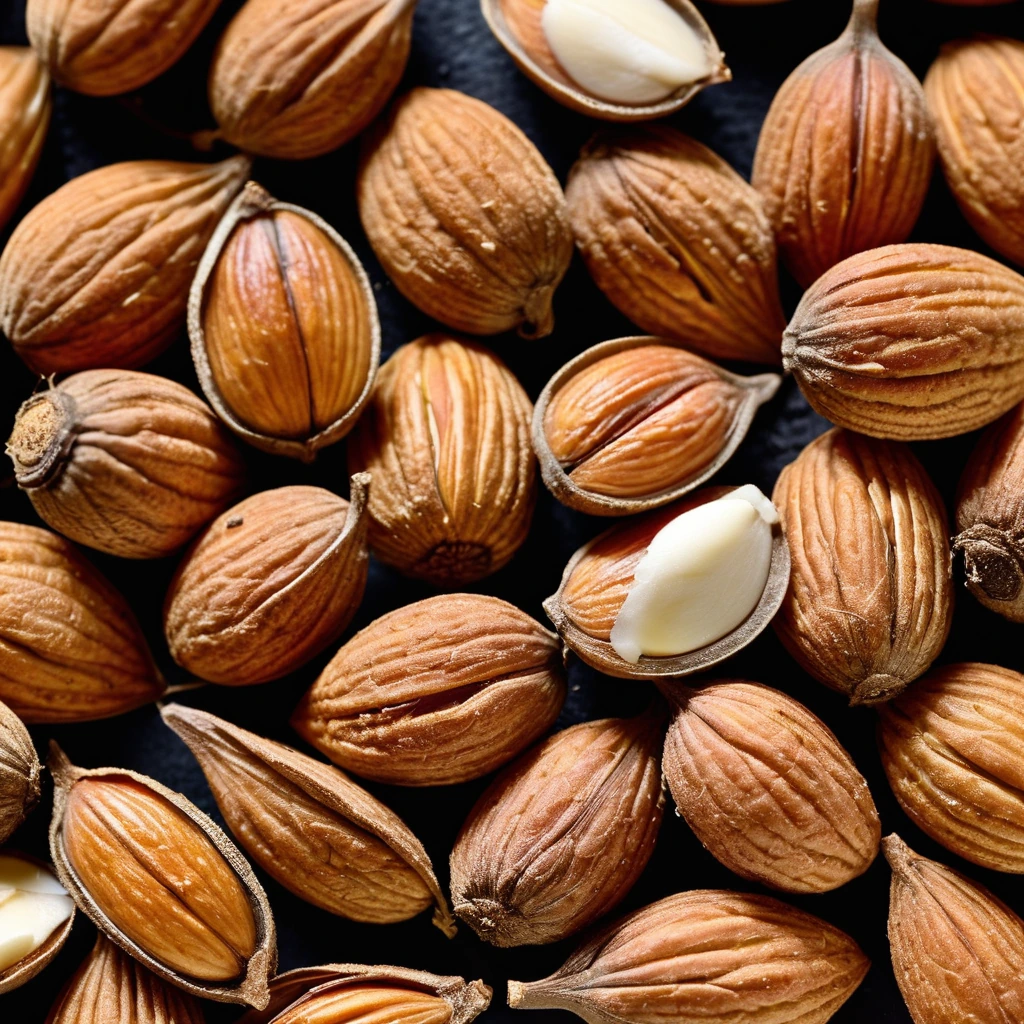
Almond Extract
A fragrant, golden elixir that captures the essence of freshly ground almonds, almond extract is a pantry staple that brings a rich, nutty aroma to your culinary creations.
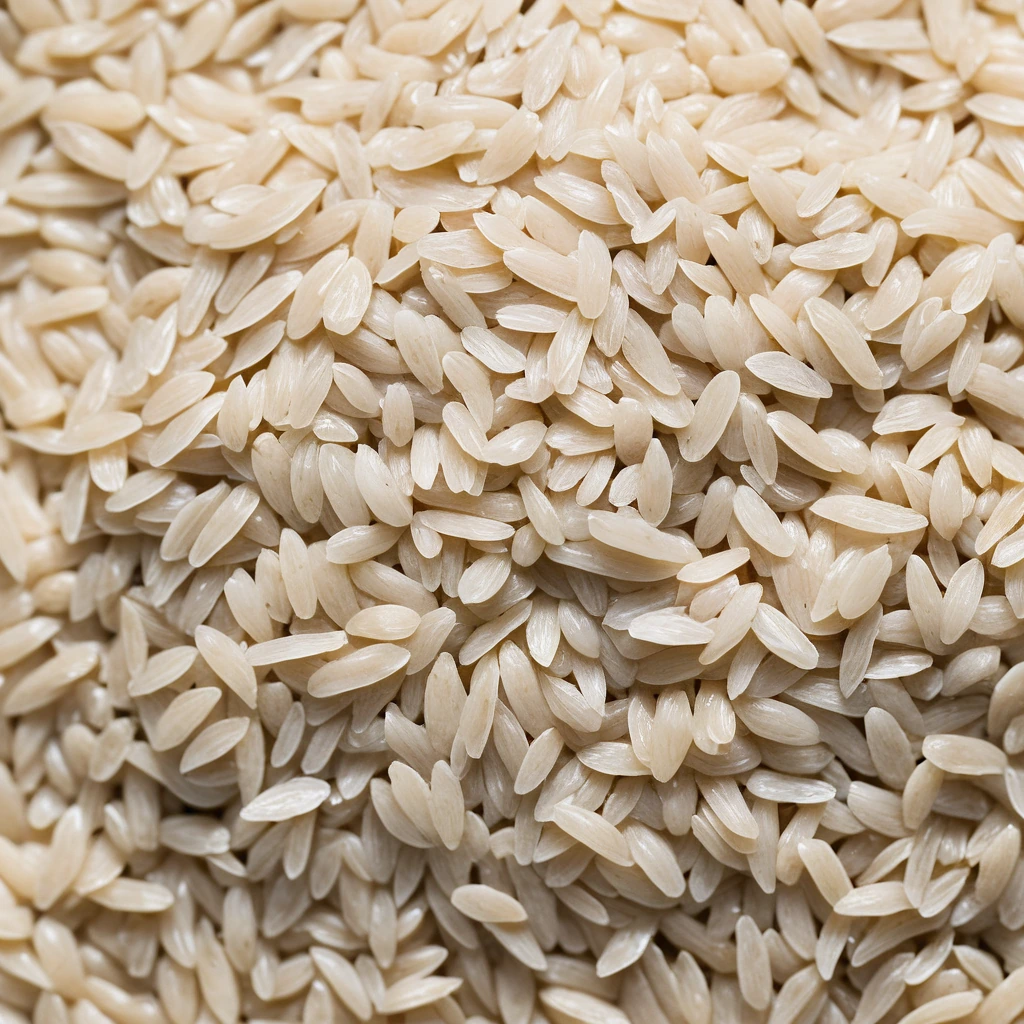
Arborio Rice
Arborio rice is a short-grain Italian rice variety renowned for its use in risotto. Originating from the Po Valley in Northern Italy, it is a staple in Italian cuisine. Its flavor is mild and nutty, with a pleasant creamy texture when cooked due to its high amylopectin content, which releases starch and creates a velvety consistency. The grains remain plump and firm to the bite, offering a satisfying chewiness. In cooking, Arborio rice excels at absorbing flavors from broths and seasonings while maintaining its shape, making it ideal for dishes that require both creaminess and structure.
Recipes to try
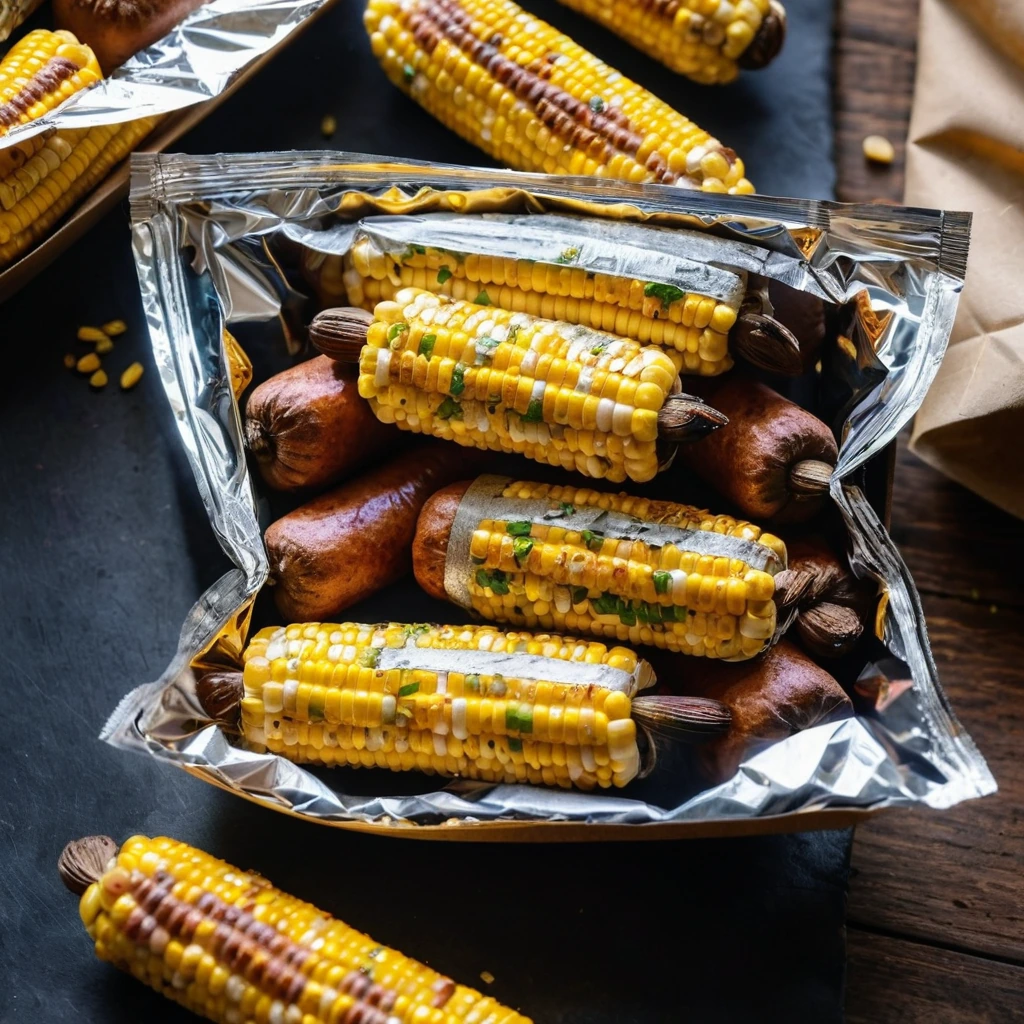
Smoky Sausage, Corn, and Potato Foil Packets
Imagine the smoky aroma of grilled sausage mingling with sweet corn and tender potatoes, all wrapped up in a neat foil packet.
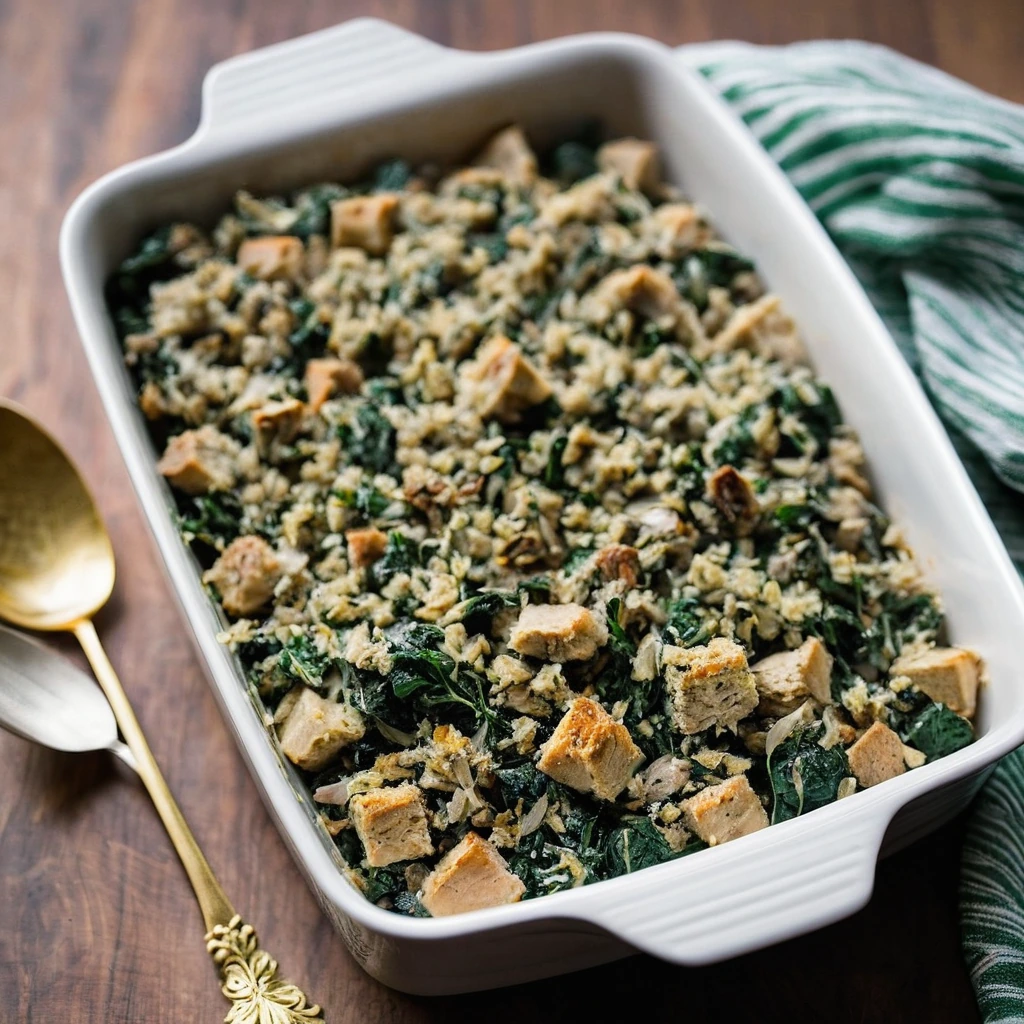
Turkey, Spinach, and Stuffing Casserole
A cozy, golden casserole brimming with tender turkey, vibrant spinach, and savory stuffing.