Meat: Using a Meat Thermometer Correctly
Mastering the use of a meat thermometer is a game-changer in your culinary journey. Whether you're roasting a Sunday turkey, grilling burgers, or braising a beef brisket, ensuring your meat is cooked to perfection is all about temperature control. A meat thermometer is your trusty sidekick in this quest, guaranteeing that your dishes are both safe and delicious. Let's delve into the nuances of selecting, calibrating, and using a meat thermometer with precision. We'll cover the different types of thermometers available, from instant-read to leave-in models, and discuss when and how to use each one for optimal results. Understanding how to interpret temperature readings and knowing the ideal doneness temperatures for various cuts of meat are crucial skills that will elevate your cooking. We'll also explore common mistakes to avoid and tips to extend the life of your thermometer.
Notes
Using a meat thermometer correctly hinges on understanding the science of cooking: proteins denature and coagulate at specific temperatures, ensuring texture and safety. Calibration is key; an inaccurate thermometer can lead to undercooked or overcooked meat. Remember, the thickest part of the meat cooks last and is the best place to check doneness. Avoid common mistakes like leaving the thermometer in too long, which can affect the reading, or inserting it too shallowly. For safety, always clean your thermometer thoroughly between uses, especially when switching from raw to cooked meats. Many thermometers can be stored in their original packaging to protect the probe when not in use. Some models are dishwasher safe, but check your manual to be sure. For make-ahead meals, note that some thermometers can stay in the oven with the meat, but always verify this with the manufacturer’s guidelines.
Steps
- 1 Select the right thermometer for your task: instant-read for quick checks or leave-in for long cooks.
- 2 Check your thermometer's calibration in ice water (32°F) and boiling water (212°F) to ensure accuracy.
- 3 Preheat your oven or grill to the desired temperature before starting your cook.
- 4 Insert the thermometer probe into the thickest part of the meat, avoiding bone or fat.
- 5 For whole poultry, insert the thermometer into the innermost part of the thigh without touching the bone.
- 6 For ground meats like burgers, insert the thermometer into the center of the patty.
- 7 Wait for the temperature to stabilize before reading it to ensure accuracy.
- 8 Refer to safe minimum internal temperatures: 165°F for poultry, 145°F for whole cuts of beef, pork, lamb, and fish (with a 3-minute rest), and 160°F for ground meats.
- 9 Remove the meat from heat a few degrees before reaching your target temperature to account for carryover cooking.
- 10 Clean your thermometer with warm, soapy water after each use to prevent cross-contamination.
Ingredients to explore

Acorn Squash
Acorn squash is a winter squash variety known for its distinctive teardrop shape and deep ridges resembling the texture of an acorn shell. Originating in the Americas, it has been cultivated for centuries and is a staple in autumn cuisine. The flesh is sweet and nutty with a hint of earthiness, offering a delightful contrast to savory dishes. Its texture is dense yet tender when cooked, making it ideal for roasting or pureeing. In cooking, acorn squash holds its shape well and absorbs flavors from herbs and spices, enhancing both its taste and versatility in recipes.
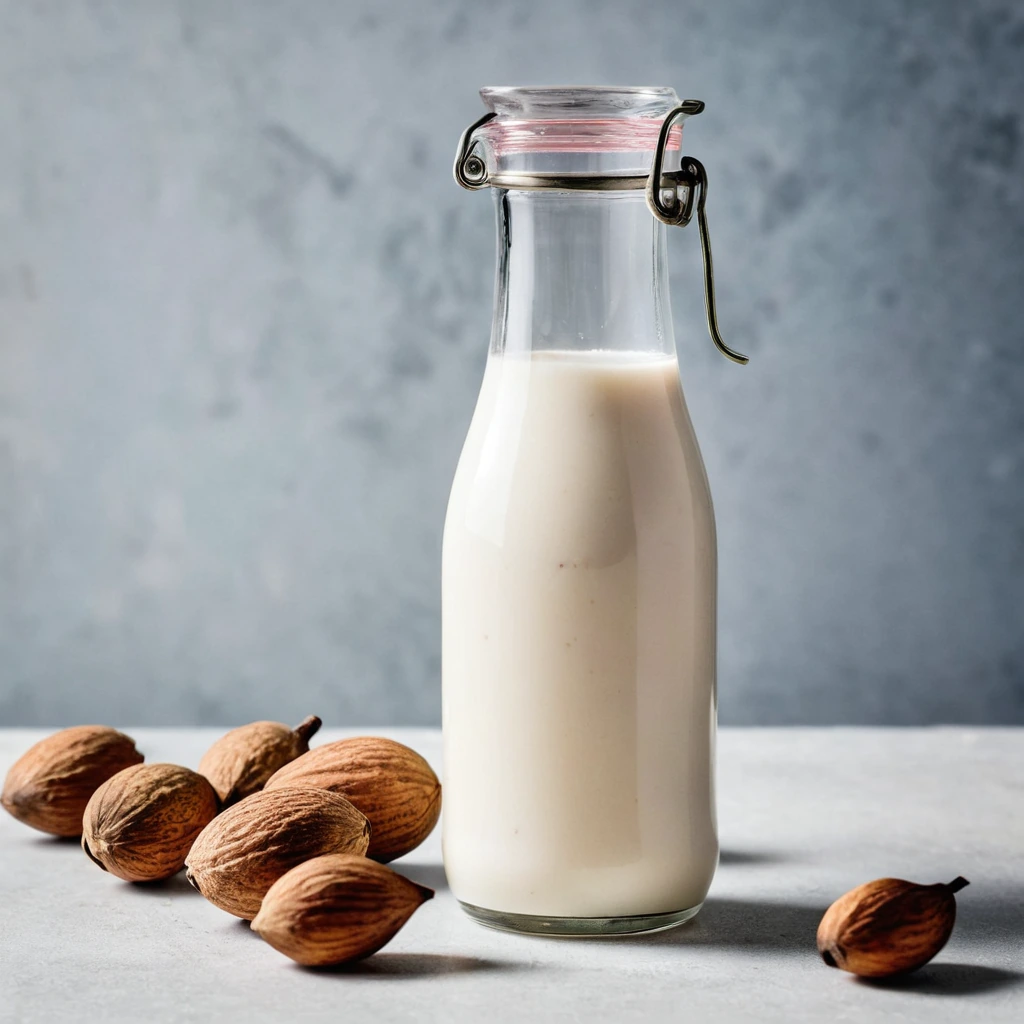
Almond Milk
Almond milk is a plant-based milk alternative made from ground almonds and water. Originating from traditional recipes in medieval Europe and the Middle East, it has gained widespread popularity in modern times as a dairy-free option. Almond milk has a subtly nutty flavor with a mild sweetness, and its aroma is reminiscent of fresh almonds. Its texture is smooth and creamy, though typically lighter than dairy milk. In cooking, almond milk behaves well in both savory and sweet applications, though it does not brown or caramelize like dairy milk. It is often used in cereals, smoothies, and baking, where its delicate flavor complements rather than overpowers other ingredients.
Recipes to try

Spinach and Ricotta Stuffed Pizza Pockets
Golden, crispy pockets filled with a creamy ricotta and spinach blend that'll have you reaching for seconds.
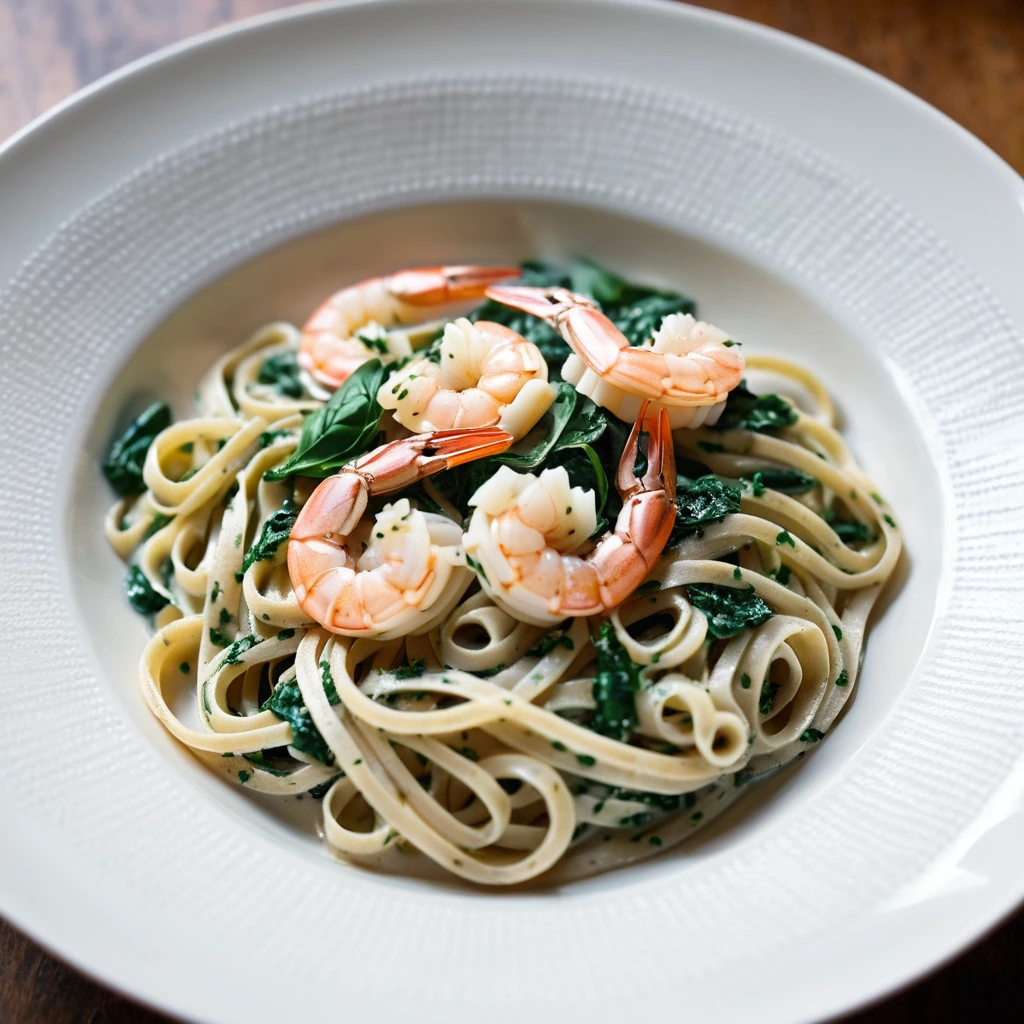
Shrimp and Spinach Linguine in White Wine Sauce
Succulent shrimp and fresh spinach mingle in a creamy white wine sauce, twirled into perfectly al dente linguine.