Meat Technique: Stir-Frying Strips Without Overcooking
Stir-frying is a beloved cooking technique that demands precision, especially when handling meat strips. Achieving tender, juicy morsels requires understanding the science and art behind high-heat cooking. Overcooking is a common pitfall, leading to dry, tough strips that lack flavor and appeal. This guide dives deep into the nuances of stir-frying meat strips, ensuring they remain succulent and perfectly cooked. Start by selecting the right cut of meat—thinly sliced, tender cuts like flank steak or sirloin work best. Marinating is crucial; it not only infuses flavor but also helps tenderize the meat. The marinade typically includes soy sauce, rice wine, a touch of sugar, and cornstarch, which aids in browning and moisture retention. When ready to cook, ensure your wok or skillet is piping hot. This high heat is essential for creating a sear that locks in juices. Overcrowding the pan is a common mistake; cook in batches if necessary to maintain temperature. The entire process should be swift—meat should sizzle and cook within 2-3 minutes. Achieving this requires preparation: have all ingredients prepped and within arm’s reach before you start cooking. This technique isn’t just about speed; it’s about control and timing. Properly stir-fried meat strips are characterized by their caramelized edges, vibrant color, and juicy centers. Mastering this technique will elevate your stir-fries from ordinary to extraordinary, ensuring each bite is as flavorful as it is tender.
Notes
The science behind stir-frying lies in the Maillard reaction, where high heat triggers browning and flavor development. Overcrowding lowers the pan's temperature, leading to steaming rather than searing, which can overcook the meat. To troubleshoot, always ensure the pan is hot enough before adding meat, and resist the urge to move the strips too frequently; let them sear properly. Safety is paramount; use oven mitts and be cautious of splattering oil. For make-ahead meals, cook the meat strips and store them separately from sauces and vegetables. Reheat quickly over high heat to maintain texture and avoid further cooking.
Steps
- 1 Slice meat against the grain into thin, uniform strips.
- 2 Prepare a marinade with soy sauce, rice wine, sugar, and cornstarch.
- 3 Toss meat strips in the marinade and let rest for at least 30 minutes.
- 4 Heat a wok or large skillet over high heat until very hot.
- 5 Add 2 tablespoons of oil with high smoke point to the pan.
- 6 When oil shimmers, add a single layer of meat strips without overcrowding.
- 7 Stir-fry for 1-2 minutes, flipping frequently, until browned but still pink inside.
- 8 Remove cooked meat and repeat with remaining batches.
- 9 Keep cooked meat warm on a plate while you finish other ingredients.
Ingredients to explore
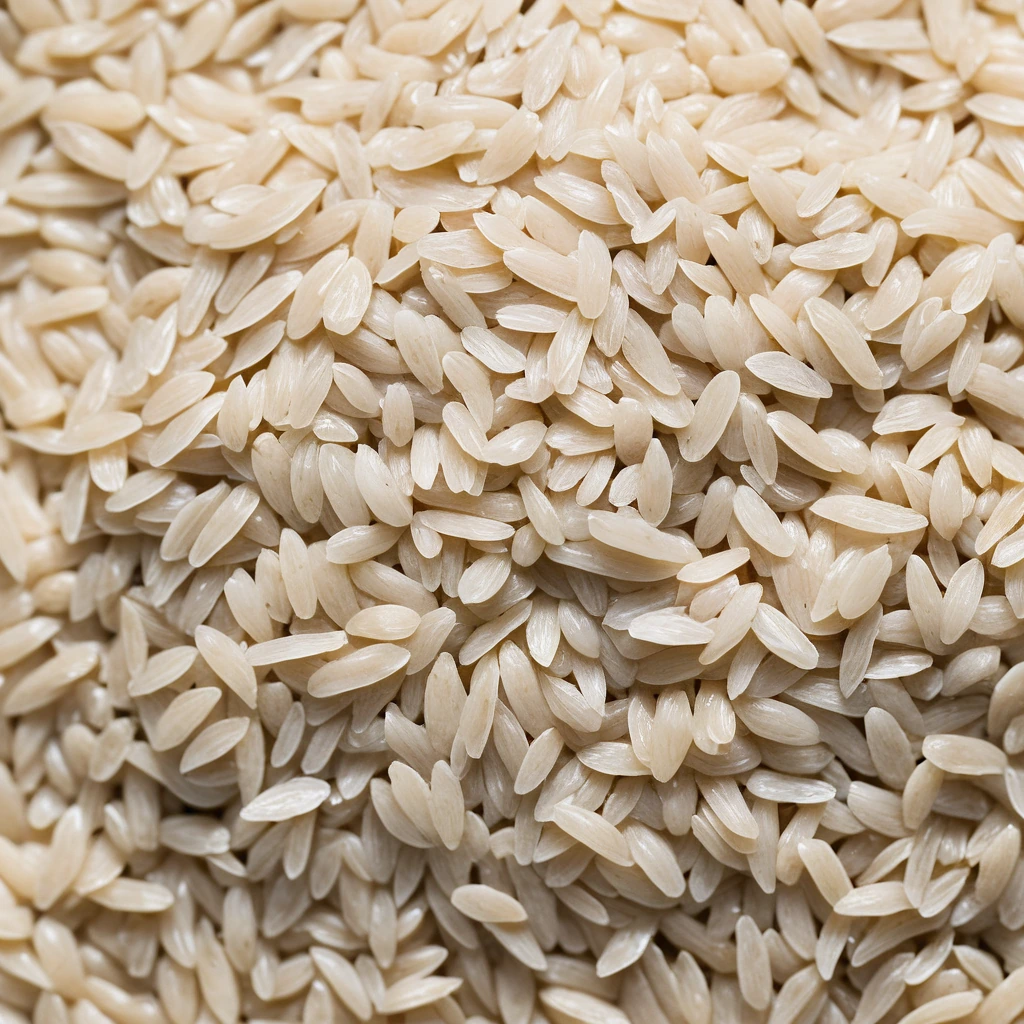
Arborio Rice
Arborio rice is a short-grain Italian rice variety renowned for its use in risotto. Originating from the Po Valley in Northern Italy, it is a staple in Italian cuisine. Its flavor is mild and nutty, with a pleasant creamy texture when cooked due to its high amylopectin content, which releases starch and creates a velvety consistency. The grains remain plump and firm to the bite, offering a satisfying chewiness. In cooking, Arborio rice excels at absorbing flavors from broths and seasonings while maintaining its shape, making it ideal for dishes that require both creaminess and structure.
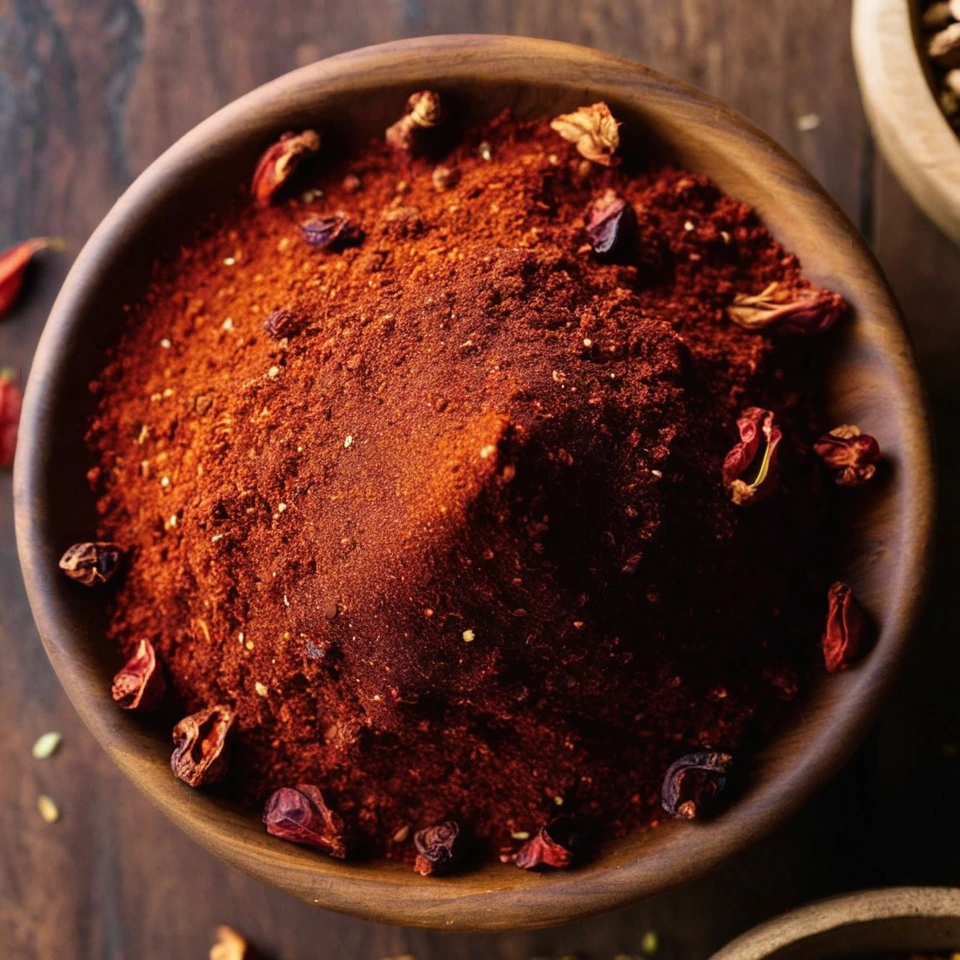
Aleppo Pepper
Aleppo pepper offers a harmonious balance of heat and sweetness, with a subtle fruity aroma reminiscent of sun-dried tomatoes and currants. Originating from the region around Aleppo, Syria, it has a fine, slightly coarse texture that shatters easily between fingers. Its mild yet complex flavor profile makes it a prized seasoning for enhancing dishes without overwhelming them. Valued for its versatility, it bridges the gap between spice and seasoning, bringing a touch of warmth and depth to a variety of cuisines.