Meat Technique: Resting and Carving a Prime Rib Roast
Resting and carving a prime rib roast is an art that ensures every slice is juicy and tender. After roasting, resting allows the meat fibers to relax and redistribute the juices that have been driven to the center by the heat. This phase is crucial; without it, you'll end up with a dry roast as the juices escape during carving. The ideal resting time for a prime rib is about 20 to 30 minutes, tented loosely with foil to keep it warm without sweating. Meanwhile, the internal temperature will rise slightly due to carryover cooking. Carving requires a sharp knife and a bit of finesse to showcase the prime rib's natural beauty and texture. Begin by identifying the direction of the grain; slicing against it ensures a tender bite. Patience is key here—rushing can result in ragged cuts. Understanding the anatomy of the prime rib helps you navigate around the bone and carve uniform slices that impress both visually and gastronomically. Whether you're serving a holiday crowd or a cozy dinner party, mastering this technique elevates your cooking prowess and guarantees a memorable meal.
Notes
Resting your prime rib is a scientific necessity. As the roast cooks, its proteins contract, squeezing out juices. Resting allows these proteins to relax and reabsorb some of that moisture, ensuring a succulent result. A common mistake is carving too soon, which leads to a loss of juices and a dry roast. Always ensure your carving knife is sharp; a dull knife can tear the meat rather than slice it cleanly. For safety, keep the carving area clear of obstructions and use a carving fork to stabilize the roast. Leftovers can be stored in an airtight container in the refrigerator for up to 3 days, though the texture will change slightly upon reheating.
Steps
- 1 Transfer the roasted prime rib to a carving board or platter.
- 2 Loosely tent the roast with aluminum foil to keep it warm.
- 3 Let the prime rib rest for 20 to 30 minutes at room temperature.
- 4 After resting, remove the foil and locate the natural seam of the roast.
- 5 Using a sharp chef's knife, slice along the seam to separate the meat from the fat cap, if desired.
- 6 Identify the direction of the grain by looking at the muscle fibers.
- 7 Begin carving at the thicker end, slicing against the grain into uniform 1/4-inch thick slices.
- 8 Work methodically around the bone, using a carving fork to stabilize the roast.
- 9 Continue carving until you reach the thinner end of the roast.
- 10 Arrange the slices on a serving platter, fanning them out for an attractive presentation.
- 11 Transfer any accumulated juices from the carving board to a gravy boat for serving.
- 12 Discard any sinew or silver skin encountered during carving for a better texture.
- 13 Serve immediately to enjoy the prime rib at its best temperature and quality.
Ingredients to explore

Anaheim Peppers
Anaheim peppers are a mild chili pepper variety named after Anaheim, California, where they were first cultivated commercially. Originating from the New Mexico region, these peppers are celebrated for their versatility and gentle heat. They possess a flavor that is mildly sweet with a subtle tang, and a pleasant vegetal note reminiscent of green bell peppers, but with a hint of spice. Their texture is firm and crisp when fresh, becoming tender and slightly smoky when roasted or cooked. In cooking, Anaheim peppers behave well across a range of techniques, from grilling and roasting to stuffing and sautéing, contributing a nuanced depth without overwhelming other ingredients with heat.
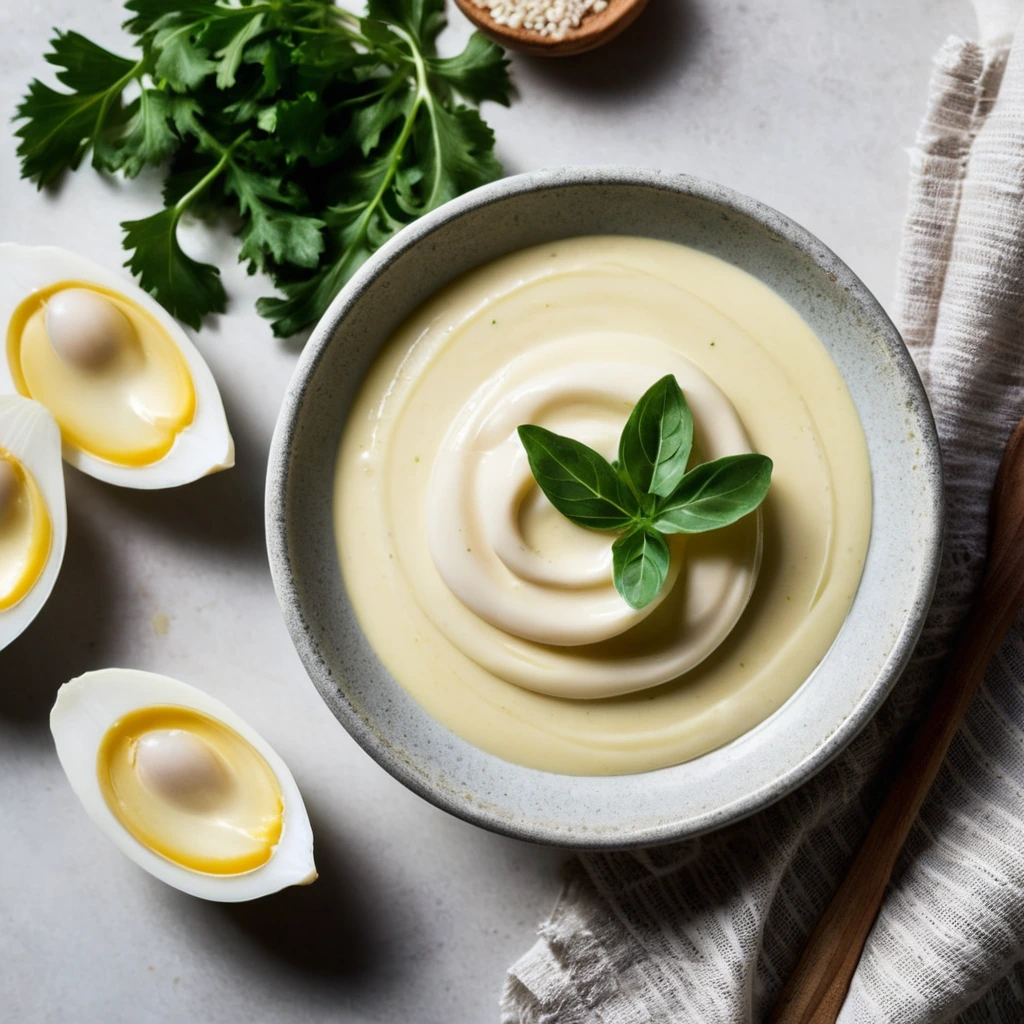
Aioli
A luscious, velvety emulsion of garlic and olive oil, aioli is a rich and aromatic sauce that dances on the palate with its creamy texture and bold, pungent flavor.
Recipes to try
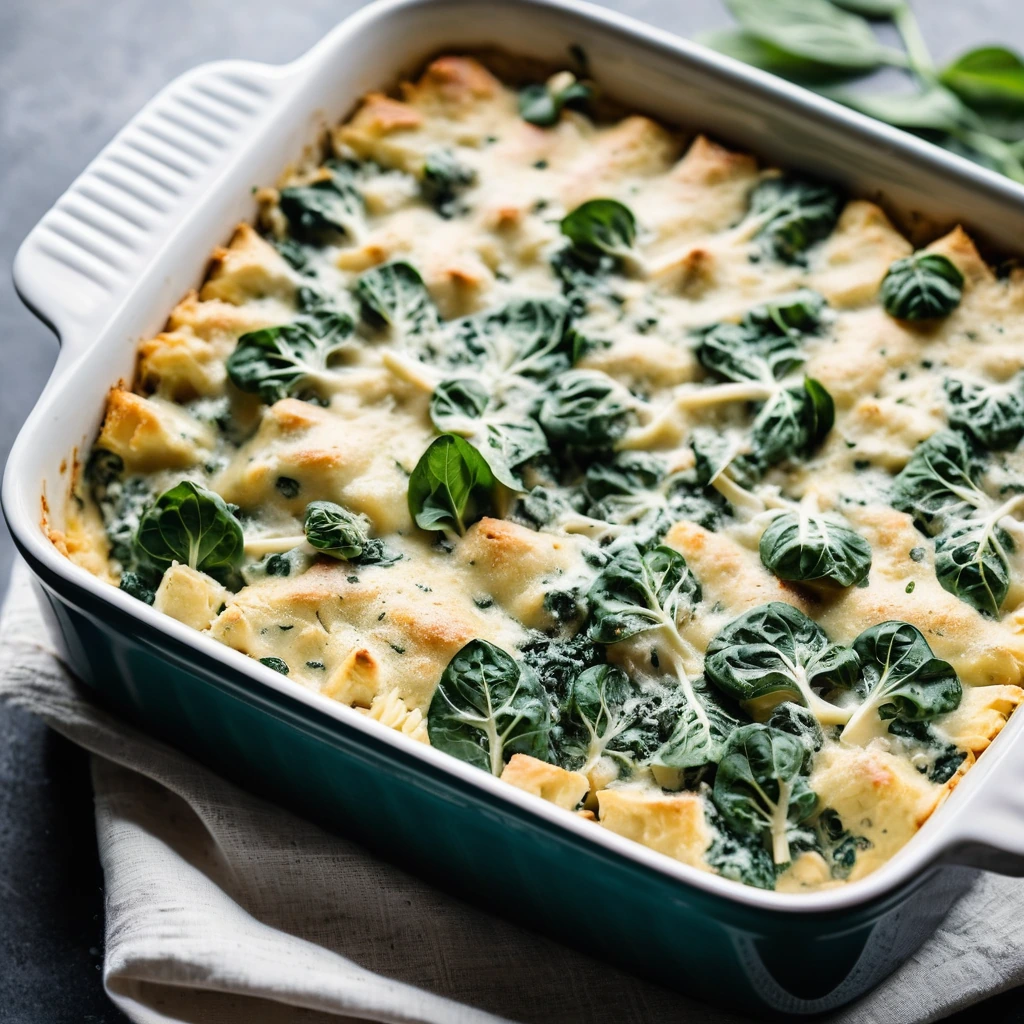
Spinach and Artichoke Chicken Casserole
Creamy, cheesy, and packed with tender chicken, this casserole is a cozy hug in a baking dish.
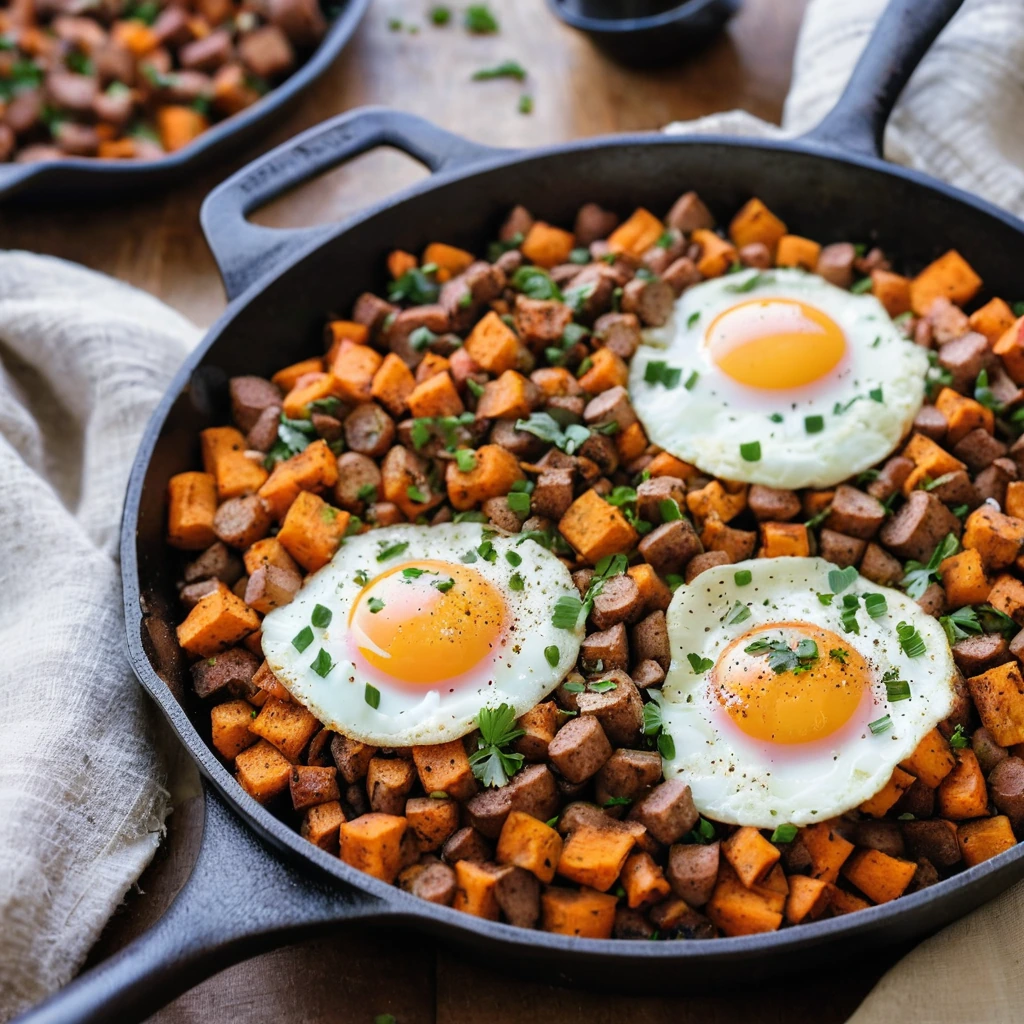
Sweet Potato, Sausage, and Egg Breakfast Hash
Rustic and hearty, this breakfast hash is a symphony of smoky sausage, tender sweet potatoes, and perfectly cooked eggs.