Meat Technique: Marinating Versus Dry-Rubbing for Flavor
When it comes to infusing your meats with flavor, two classic techniques reign supreme: marinating and dry-rubbing. Marinating involves soaking meat in a seasoned liquid to tenderize and flavor it, while dry-rubbing relies on a blend of spices and herbs applied directly to the meat's surface. Each method has its own set of benefits and ideal applications. Marinating is perfect for lean cuts that benefit from extra moisture and flavor penetration, like chicken breasts or flanks of beef. The acidic or enzymatic ingredients in a marinade can break down proteins, making the meat more tender. On the other hand, dry-rubbing is ideal for fattier cuts like ribs or roasts, where the fat can carry and amplify the flavors of the rub. The direct contact allows for a flavorful crust to form during cooking. Understanding the science behind each technique helps you decide which is best for your culinary goals. Whether you're planning a backyard barbecue or a family dinner, mastering these techniques will elevate your dishes and impress your guests with chef-level results.
Notes
The science behind marinating lies in its ability to tenderize and flavor meat through osmosis and protein breakdown by acids or enzymes. However, prolonged marinating can lead to a mushy texture due to over-tenderization. Dry-rubbing works through direct contact, allowing spices to adhere and form a flavorful crust when exposed to heat. Common mistakes include using too much acid in a marinade or not patting the meat dry before applying a rub, which can lead to a less effective crust. Always ensure safe handling of raw meat to avoid cross-contamination. Marinated meats can be stored in the fridge for up to two days, while meats with a dry rub are best used within 24 hours for optimal flavor and texture.
Steps
- 1 Select your meat based on the technique you plan to use.
- 2 For marinating, prepare a mixture with oil, acid (like vinegar or citrus), and seasonings.
- 3 Place the meat in a resealable bag or shallow dish and pour the marinade over it.
- 4 Ensure the meat is fully coated and refrigerate for at least 30 minutes, or up to 24 hours.
- 5 For dry-rubbing, mix spices and herbs in a small bowl to create your rub.
- 6 Pat the meat dry with paper towels to help the rub adhere.
- 7 Massage the rub evenly onto all surfaces of the meat.
- 8 Let the meat rest at room temperature for 30 minutes to an hour before cooking.
- 9 Preheat your grill, oven, or pan to the desired cooking temperature.
- 10 Remove marinated meat from the fridge 30 minutes before cooking to bring it to room temperature.
- 11 Cook the meat, using visual cues like firmness and color to gauge doneness.
- 12 Use a meat thermometer to ensure the internal temperature is safe.
- 13 Rest the meat for at least 5-10 minutes before slicing or serving.
Ingredients to explore
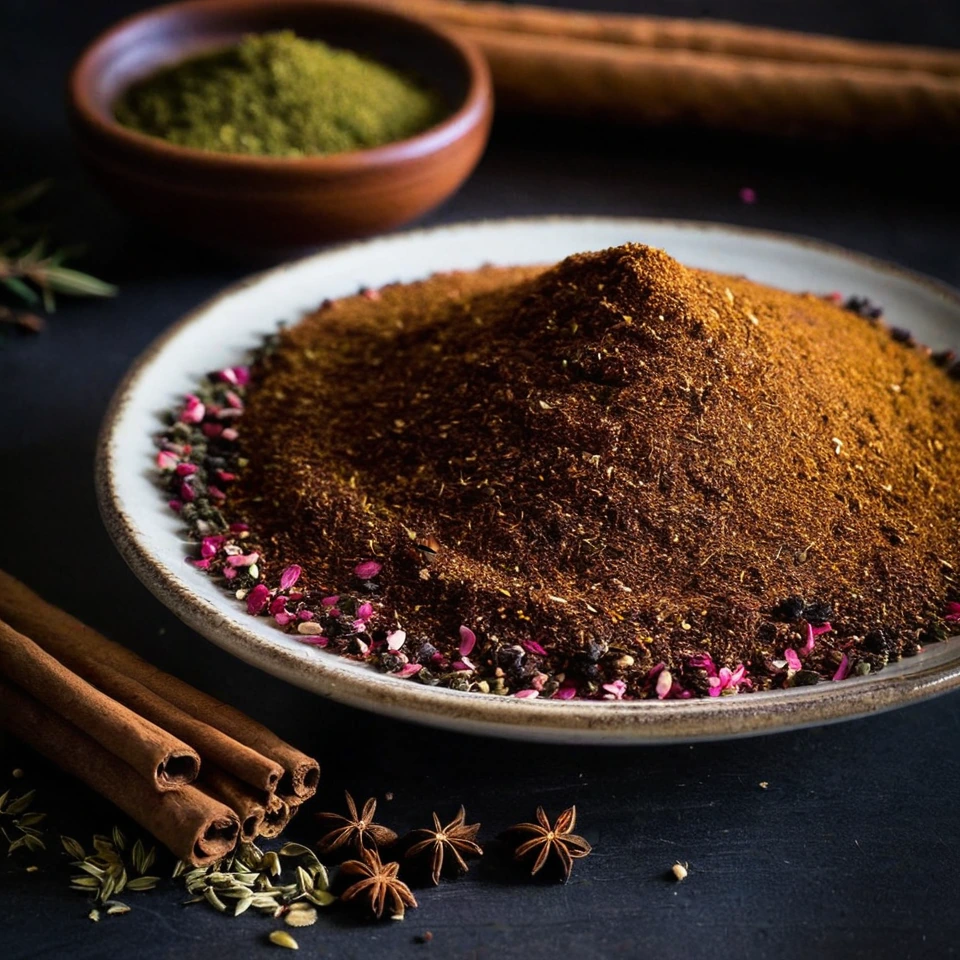
Advieh (Persian Spice Blend)
Advieh is a fragrant Persian spice blend that boasts a complex aroma of warm cinnamon, earthy cumin, and floral hints of rose and saffron. Its texture is finely ground, making it easy to incorporate into dishes. Originating from the rich culinary traditions of Iran, advieh adds depth and sophistication to both savory and sweet recipes. Its unique combination of spices reflects the historical spice trade routes that influenced Persian cuisine.
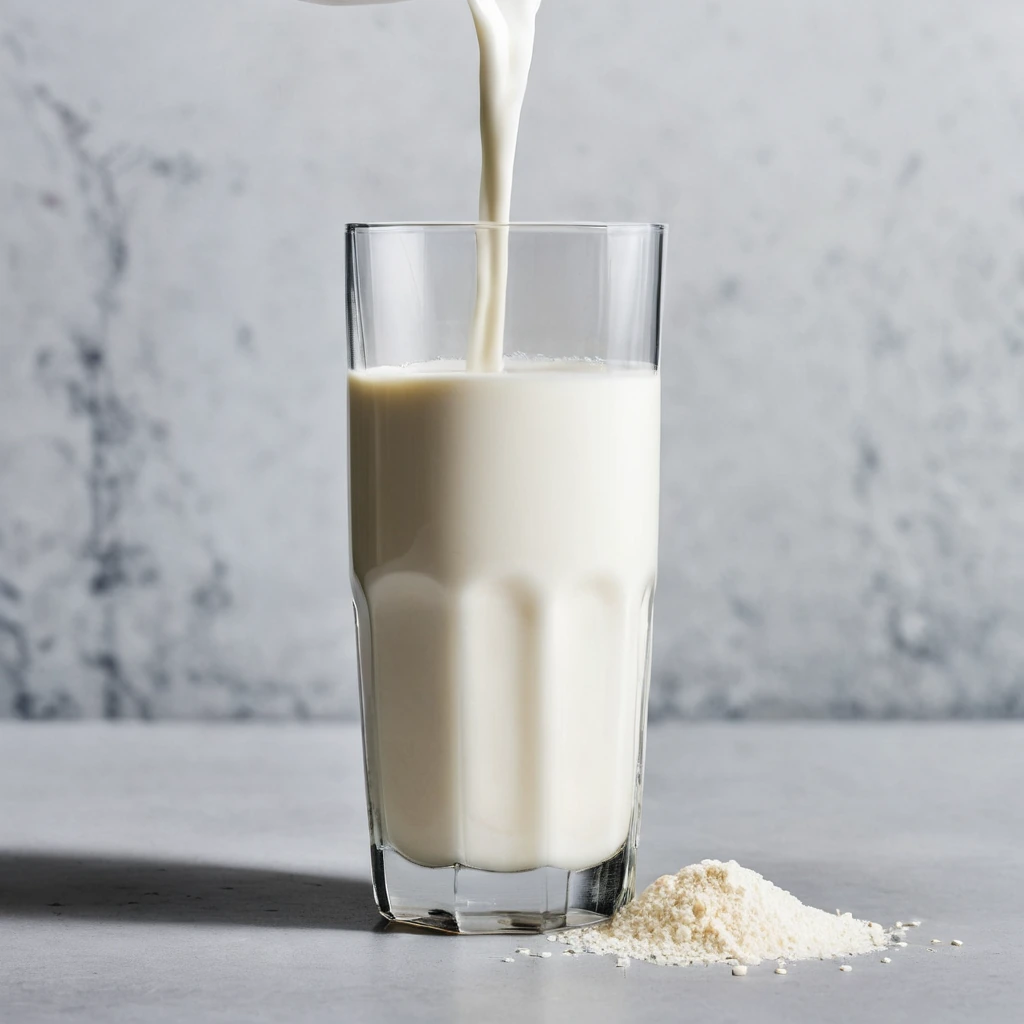
2% Milk
Creamy and just a touch lighter than whole milk, 2% milk offers a perfect balance of richness and reduced fat. Its smooth texture and subtle sweetness make it a delightful choice for sipping or cooking.