Meat & Poultry: Using Parchment Shields to Avoid Over-Browning
Achieving the perfect roast or baked meat can be tricky, especially when trying to balance browning with even cooking. Over-browning can lead to dry, unappetizing results. Enter the parchment shield technique, a simple yet effective method to ensure your meats and poultry cook evenly without turning into charred disasters. This technique involves strategically placing parchment paper over parts of the meat that tend to brown too quickly, allowing the rest of the dish to catch up in cooking. By understanding how heat interacts with different cuts and surfaces of meat, you can harness this method to create perfectly roasted dishes every time. Parchment shields are easy to use, require minimal equipment, and can be adapted for a variety of meats and poultry. Whether you're roasting a chicken, a rack of lamb, or a beef tenderloin, this technique will help you achieve professional-level results at home. Let's dive into the whys and hows of using parchment shields to transform your roasting game.
Notes
The science behind parchment shields is simple yet effective: parchment paper acts as a barrier to radiant heat, which is responsible for browning and crisping. By shielding certain areas, you prevent them from receiving direct heat, allowing the rest of the meat to cook through properly. Common mistakes include using parchment paper that is too large, which can cause steam to build up and inhibit browning, or forgetting to remove the shields too early, resulting in under-browned meat. Always ensure your parchment is oven-safe and doesn't hang over the sides of your pan to prevent fire hazards. For make-ahead meals, roast your meat as usual, let it cool, and store in the refrigerator for up to 3 days. Reheat gently to preserve texture.
Steps
- 1 Preheat your oven to the desired temperature for your specific cut of meat or poultry.
- 2 Prepare your meat or poultry as usual, seasoning and prepping for roasting.
- 3 Place the meat on a roasting rack set inside a roasting pan.
- 4 Identify the areas of the meat that are most likely to over-brown (often the tops and edges).
- 5 Cut parchment paper into strips or shapes that will cover these areas without overlapping the sides of the pan.
- 6 Gently place the parchment shields over the identified areas, ensuring they lay flat and make contact with the meat.
- 7 Roast the meat according to your recipe's instructions, checking periodically.
- 8 Remove the parchment shields during the final 15-20 minutes of roasting to allow for browning.
- 9 Use a meat thermometer to check for doneness, aiming for safe internal temperatures.
- 10 Once done, remove the meat from the oven and let it rest before carving.
- 11 Discard the used parchment paper.
- 12 Serve and enjoy your perfectly roasted meat or poultry!
Ingredients to explore

Anaheim Peppers
Anaheim peppers are a mild chili pepper variety named after Anaheim, California, where they were first cultivated commercially. Originating from the New Mexico region, these peppers are celebrated for their versatility and gentle heat. They possess a flavor that is mildly sweet with a subtle tang, and a pleasant vegetal note reminiscent of green bell peppers, but with a hint of spice. Their texture is firm and crisp when fresh, becoming tender and slightly smoky when roasted or cooked. In cooking, Anaheim peppers behave well across a range of techniques, from grilling and roasting to stuffing and sautéing, contributing a nuanced depth without overwhelming other ingredients with heat.
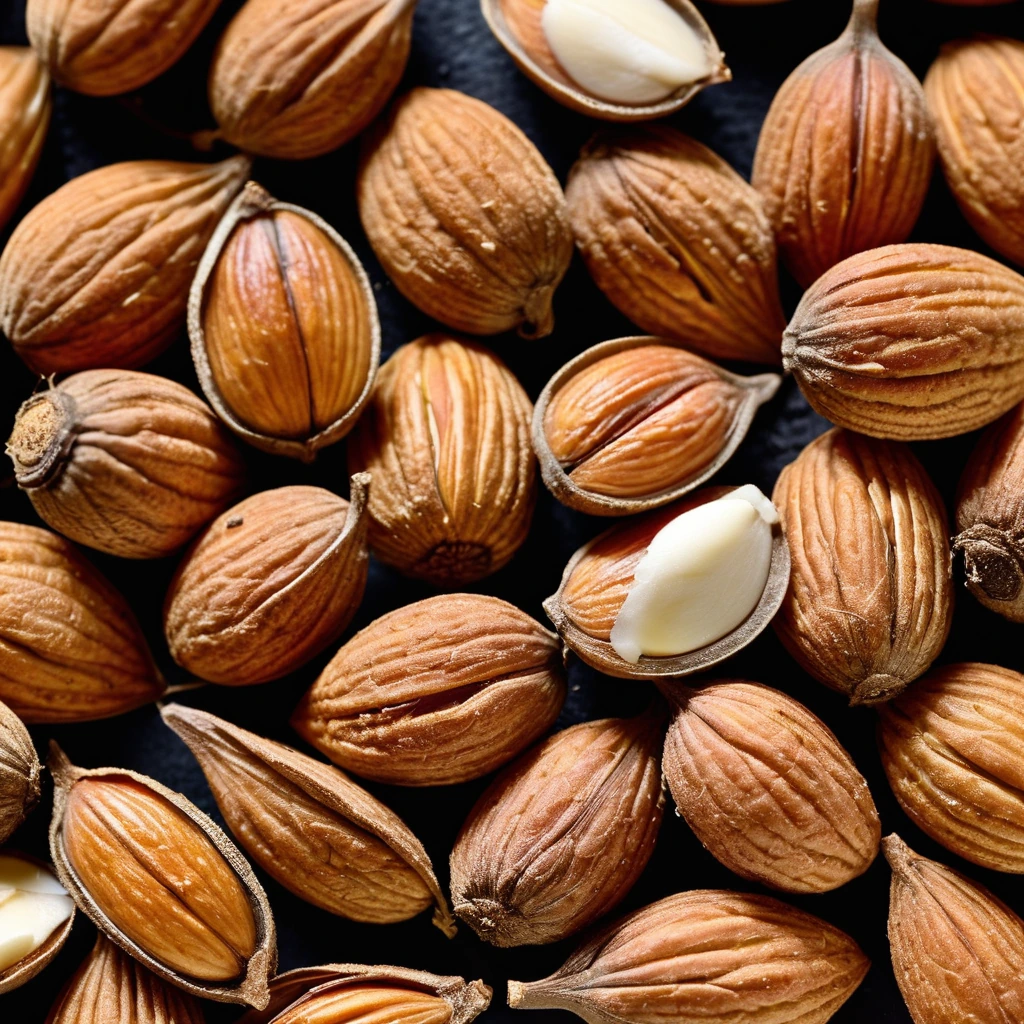
Almond Extract
A fragrant, golden elixir that captures the essence of freshly ground almonds, almond extract is a pantry staple that brings a rich, nutty aroma to your culinary creations.
Recipes to try
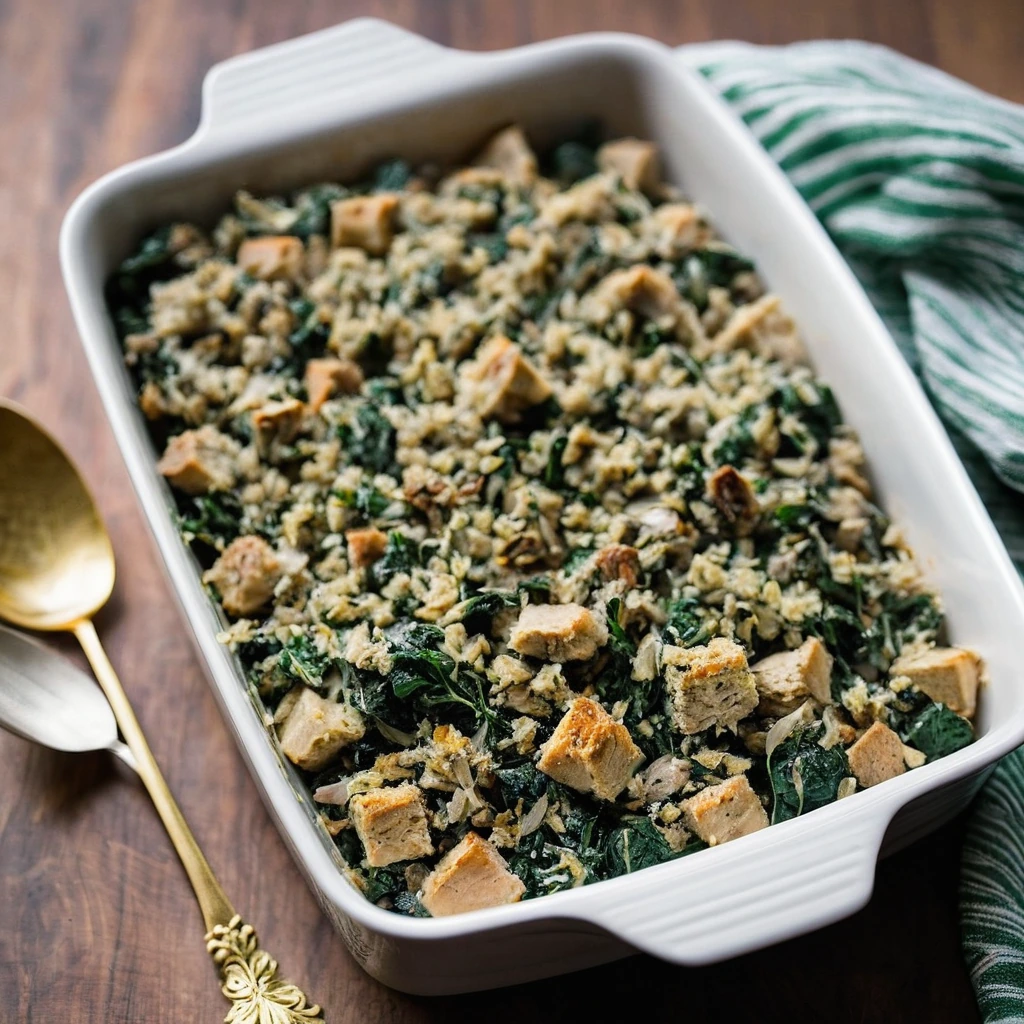
Turkey, Spinach, and Stuffing Casserole
A cozy, golden casserole brimming with tender turkey, vibrant spinach, and savory stuffing.
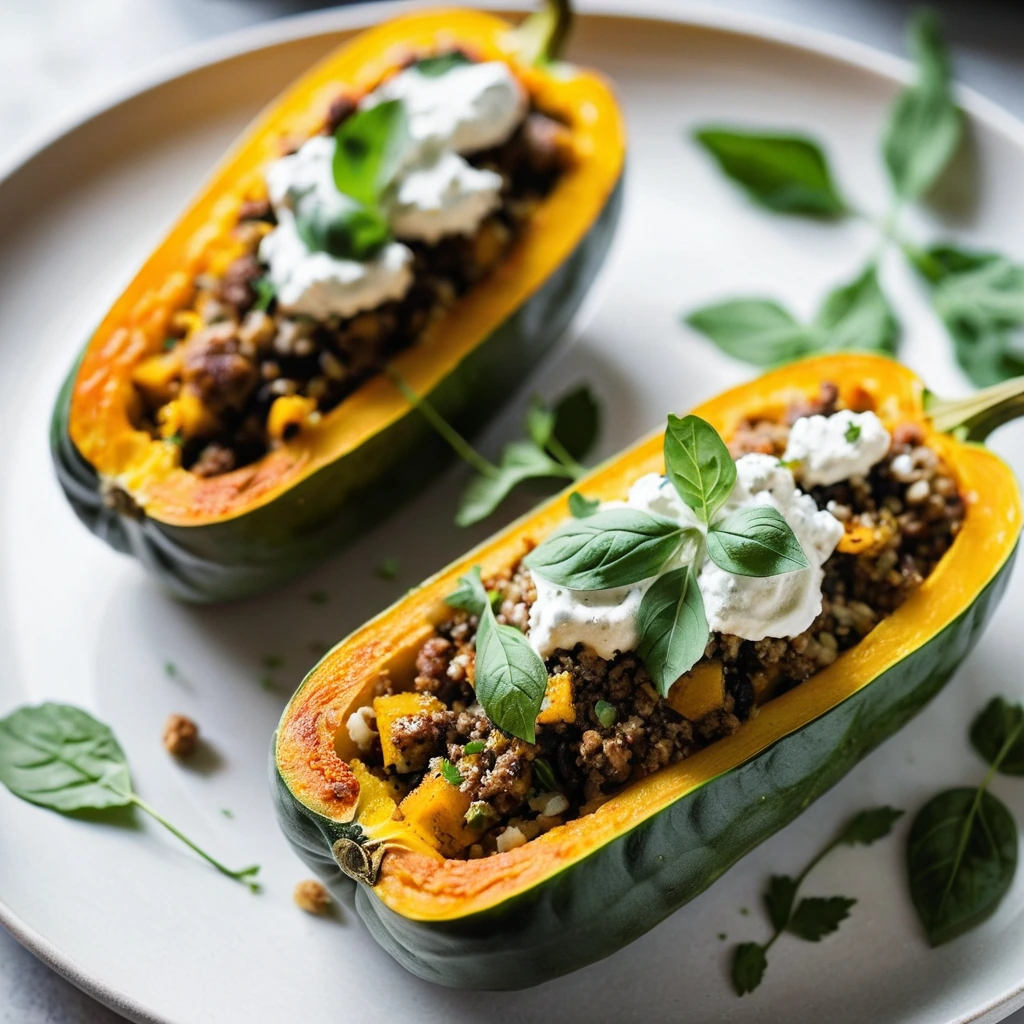
Sausage and Ricotta Stuffed Squash Boats
Tender roasted squash halves are stuffed with a savory mix of Italian sausage and creamy ricotta, making for a comforting and hearty meal.