Meat & Poultry: Managing Bones and Joints When Portioning Birds
Portioning birds like chickens and turkeys is an art that combines precision with respect for the natural structure of the animal. Understanding how to manage bones and joints is crucial for yielding the most tender, flavorful cuts while minimizing waste. The key lies in recognizing the natural seams and joints that define each piece of meat. By leveraging these natural divisions, you can separate the bird into portions that cook evenly and present beautifully. This technique isn't just about disassembly; it's about understanding the anatomy of the bird and how each part interacts with the others. From the delicate wishbone to the sturdy leg joints, each section has its unique characteristics that influence how it should be handled. Whether you're preparing a holiday feast or just looking to maximize your grocery budget, mastering this technique ensures that you get the most out of your poultry. We'll delve into the intricacies of identifying joints, using the right tools, and executing precise cuts that honor the bird's structure while enhancing your culinary creations.
Notes
Understanding the anatomy of a bird is key to successful portioning. Joints are natural weak points that allow for clean, precise cuts, reducing the risk of jagged edges or wasted meat. Using a sharp knife is crucial, as dull blades can crush bones and bruise meat. A common mistake is rushing through the process; patience ensures neat portions. Safety is paramount; always cut away from your body and keep fingers clear of the blade. For make-ahead meals, store portioned pieces in airtight containers in the refrigerator for up to two days, or freeze for longer storage. Thaw frozen portions safely in the fridge before cooking.
Steps
- 1 Gather a sharp chef's knife and a pair of kitchen shears.
- 2 Place the bird breast-side up on a clean cutting board.
- 3 Locate the cavity and remove any giblets or excess fat.
- 4 Identify the joint where the thigh meets the body by gently twisting the leg.
- 5 Cut through the skin between the leg and the body.
- 6 Using your knife, cut through the joint to separate the thigh and drumstick from the body.
- 7 Repeat on the other side.
- 8 To remove the wings, locate the joint where the wing meets the body and cut through it.
- 9 Turn the bird over to expose the breastbone.
- 10 Slice along one side of the wishbone to separate the breast from the carcass.
- 11 Repeat on the other side to remove the second breast half.
- 12 For wingettes and drumettes, separate the wing at the joint using kitchen shears.
- 13 Trim any excess fat or sinew from all pieces.
- 14 Check that all bones are cleanly separated from the meat.
Ingredients to explore
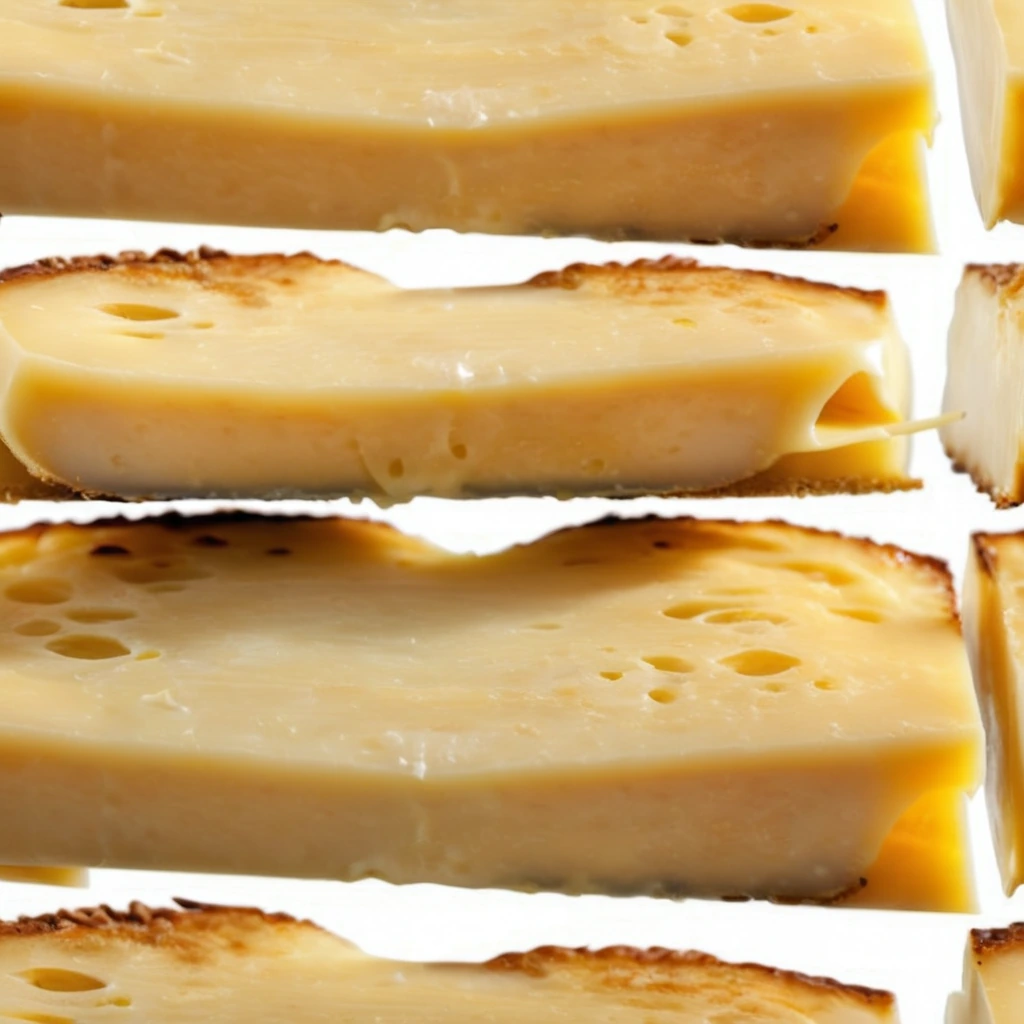
American Cheese Slices
Those iconic, perfectly pliable slices of creamy, mild American cheese. Each slice boasts a smooth, melt-in-your-mouth texture that brings comfort to any dish.
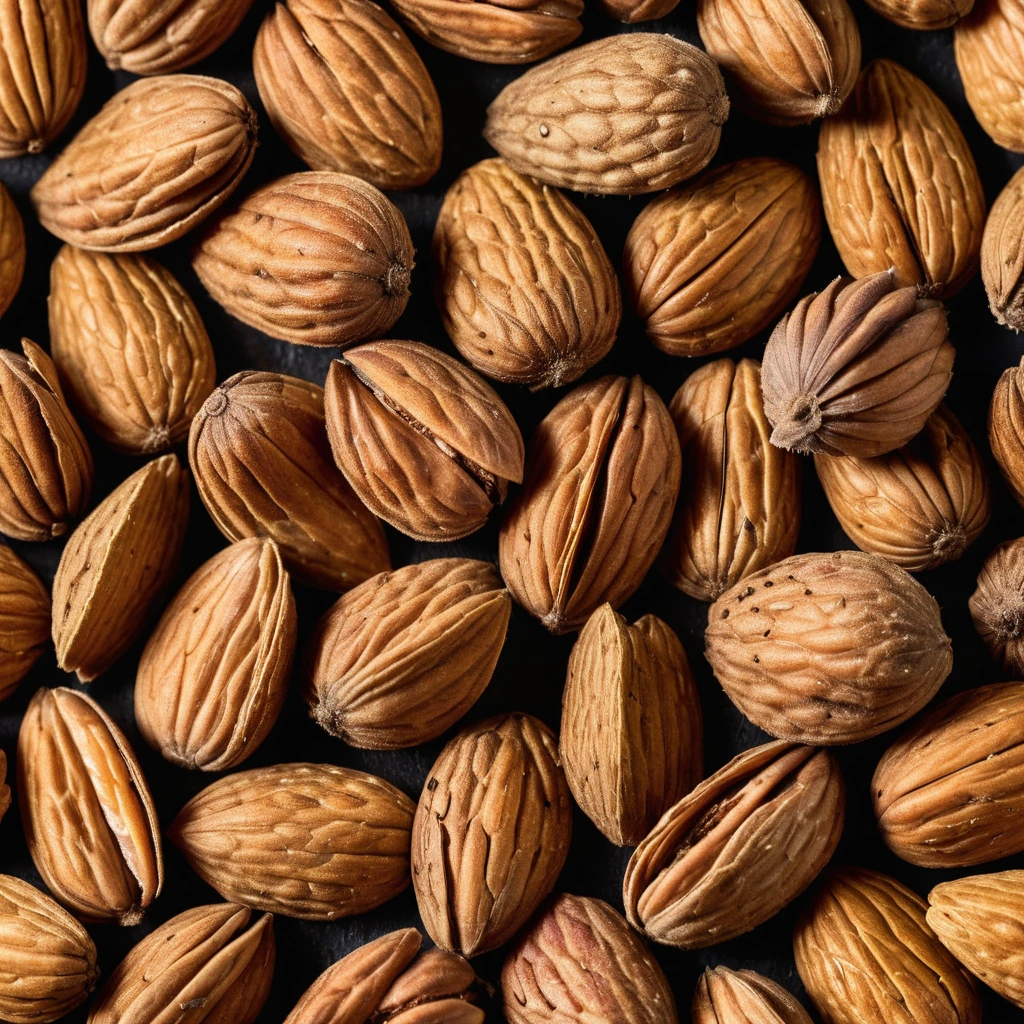
Almonds
With their golden-brown hue and delicate, edible skin, almonds are a crunchy delight. These versatile nuts boast a rich, buttery flavor that adds depth to both sweet and savory dishes.
Recipes to try
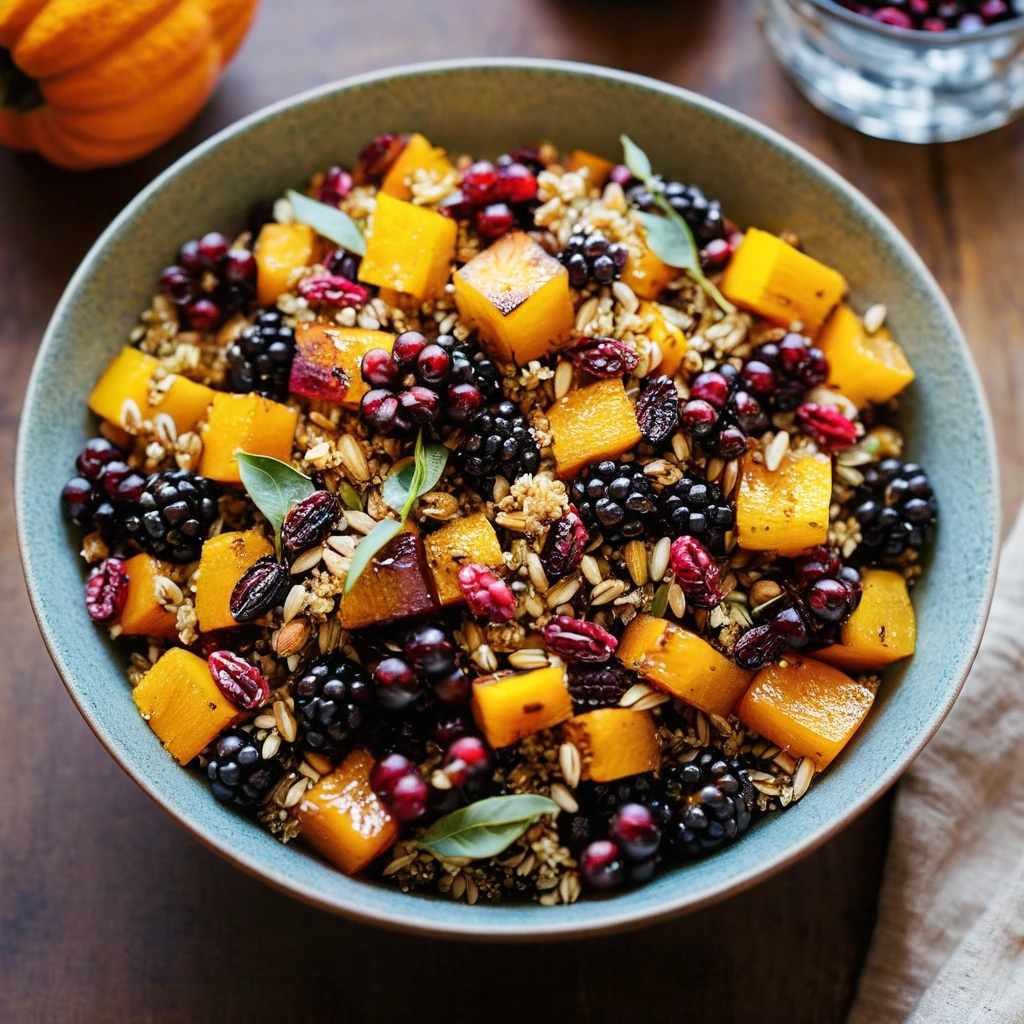
Warm Quinoa Salad with Roasted Squash and Cranberries
A cozy mix of nutty quinoa, tender roasted squash, and sweet cranberries makes this salad a fall favorite.
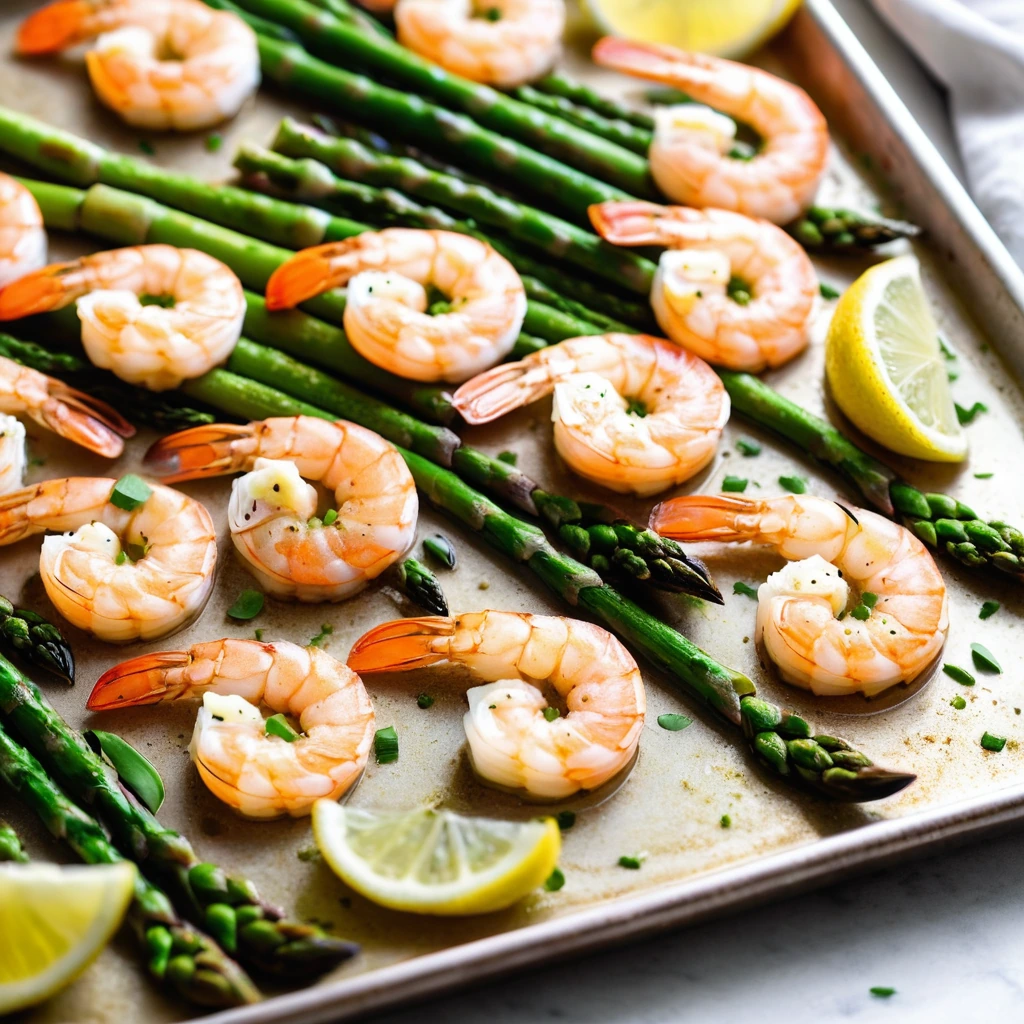
Lemon Garlic Butter Shrimp and Asparagus Sheet Pan
Bright and zesty, this sheet pan dinner is a burst of sunshine with tender shrimp and crisp asparagus in a luscious garlic butter sauce.