Meat & Poultry: Cutting Cubes That Braise at the Same Rate
Braising is a beloved cooking technique that transforms tough cuts of meat and poultry into tender, flavorful dishes. But to achieve that melt-in-your-mouth texture, it's crucial to cut your ingredients into uniform cubes. This ensures that each piece cooks at the same rate, leading to a harmonious dish. Understanding how to properly cube meat and poultry is a skill that elevates your braising game. Start by selecting the right cut – often tougher, collagen-rich pieces like chuck roast or chicken thighs work best. Next, it's about getting your knife skills sharp, both literally and figuratively. The goal is precision: cubes that are uniform in size, typically around 1 to 1.5 inches, so they cook evenly. Achieving this requires a steady hand and a reliable chef's knife. First, trim any excess fat or sinew, as these can disrupt the uniformity. Then, slice your meat against the grain into even slabs before cutting those slabs into cubes. Remember, consistency is key. Once cubed, the pieces will braise beautifully, absorbing flavors and tenderizing uniformly. This method not only ensures even cooking but also enhances the visual appeal of your final dish. The science behind this technique lies in the uniform distribution of heat and moisture, allowing each cube to undergo the same transformations. Troubleshooting often involves revisiting knife skills or adjusting the braising time if cubes vary in size. Safety is paramount; always use a sharp knife to avoid slips, and keep fingers tucked while cutting. For make-ahead convenience, cubed meat can be stored in the fridge for a day or frozen for longer storage, ensuring you're ready to braise whenever inspiration strikes.
Notes
The science behind uniform cubes lies in their ability to cook evenly due to consistent surface area and thickness. This ensures that each piece reaches the same level of doneness at the same time. Common mistakes include inconsistent cube sizes or failing to cut against the grain, leading to tougher meat. To troubleshoot, practice your knife skills and use a ruler to measure until you're confident. Safety is crucial; always use a sharp knife and a secure cutting surface. For storage, cubed meat can be kept in an airtight container in the fridge for up to 2 days or frozen for up to 3 months. When ready to use, thaw in the refrigerator to maintain quality.
Steps
- 1 Select a tough cut of meat or poultry suitable for braising.
- 2 Trim any excess fat or sinew from the meat.
- 3 Slice the meat against the grain into slabs about 1 to 1.5 inches thick.
- 4 Square off the slabs to create even rectangles.
- 5 Stack up to three rectangles and cut into 1 to 1.5-inch cubes.
- 6 Ensure all cubes are uniform in size for even cooking.
- 7 Season the cubes with salt and pepper before braising.
- 8 Preheat your braising liquid to shorten overall cooking time.
- 9 Sear the cubes in hot oil until browned on all sides.
- 10 Transfer the seared cubes to a braiser or pot.
- 11 Add the preheated braising liquid and aromatics.
- 12 Cover and braise at 325°F until meat is fork-tender, typically 1.5 to 2 hours.
- 13 Check for doneness by ensuring a cube easily pulls apart with a fork.
- 14 Adjust seasoning before serving.
Ingredients to explore

Anaheim Peppers
Anaheim peppers are a mild chili pepper variety named after Anaheim, California, where they were first cultivated commercially. Originating from the New Mexico region, these peppers are celebrated for their versatility and gentle heat. They possess a flavor that is mildly sweet with a subtle tang, and a pleasant vegetal note reminiscent of green bell peppers, but with a hint of spice. Their texture is firm and crisp when fresh, becoming tender and slightly smoky when roasted or cooked. In cooking, Anaheim peppers behave well across a range of techniques, from grilling and roasting to stuffing and sautéing, contributing a nuanced depth without overwhelming other ingredients with heat.
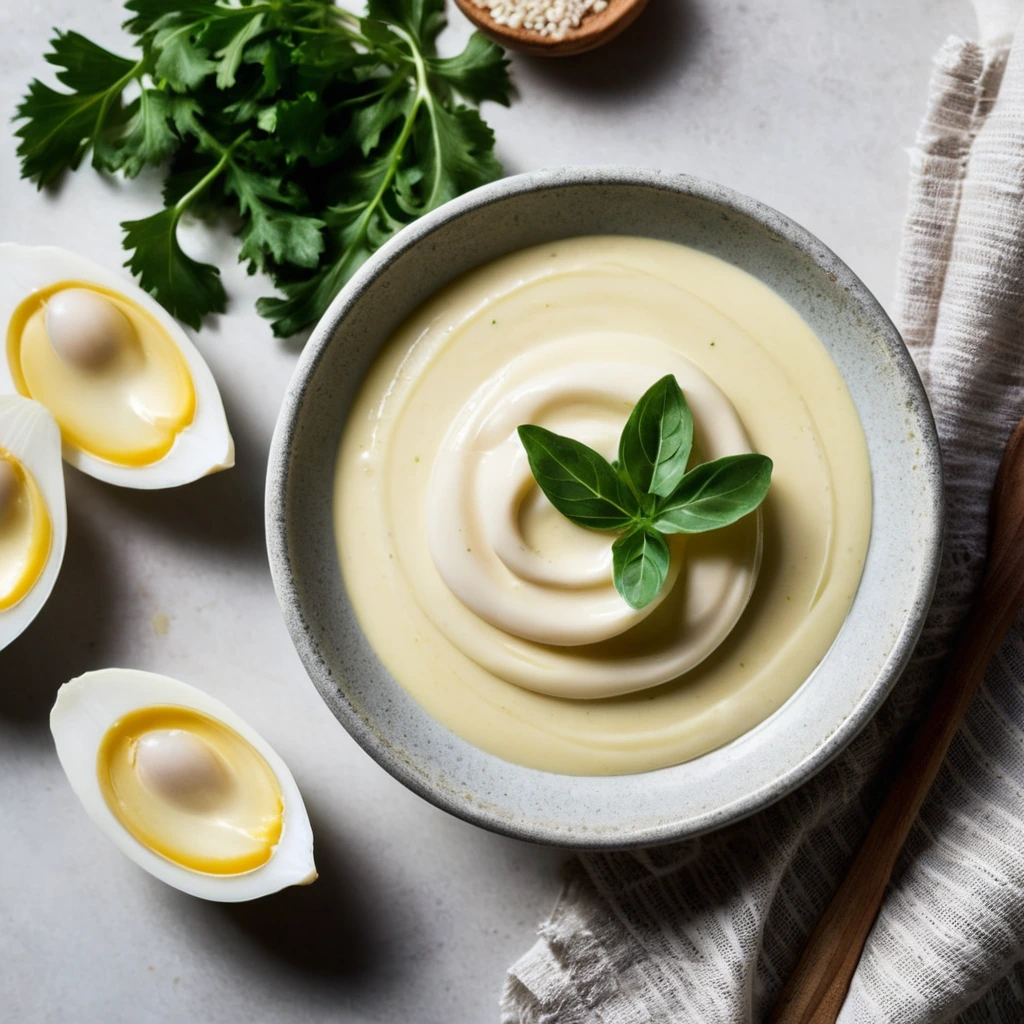
Aioli
A luscious, velvety emulsion of garlic and olive oil, aioli is a rich and aromatic sauce that dances on the palate with its creamy texture and bold, pungent flavor.
Recipes to try
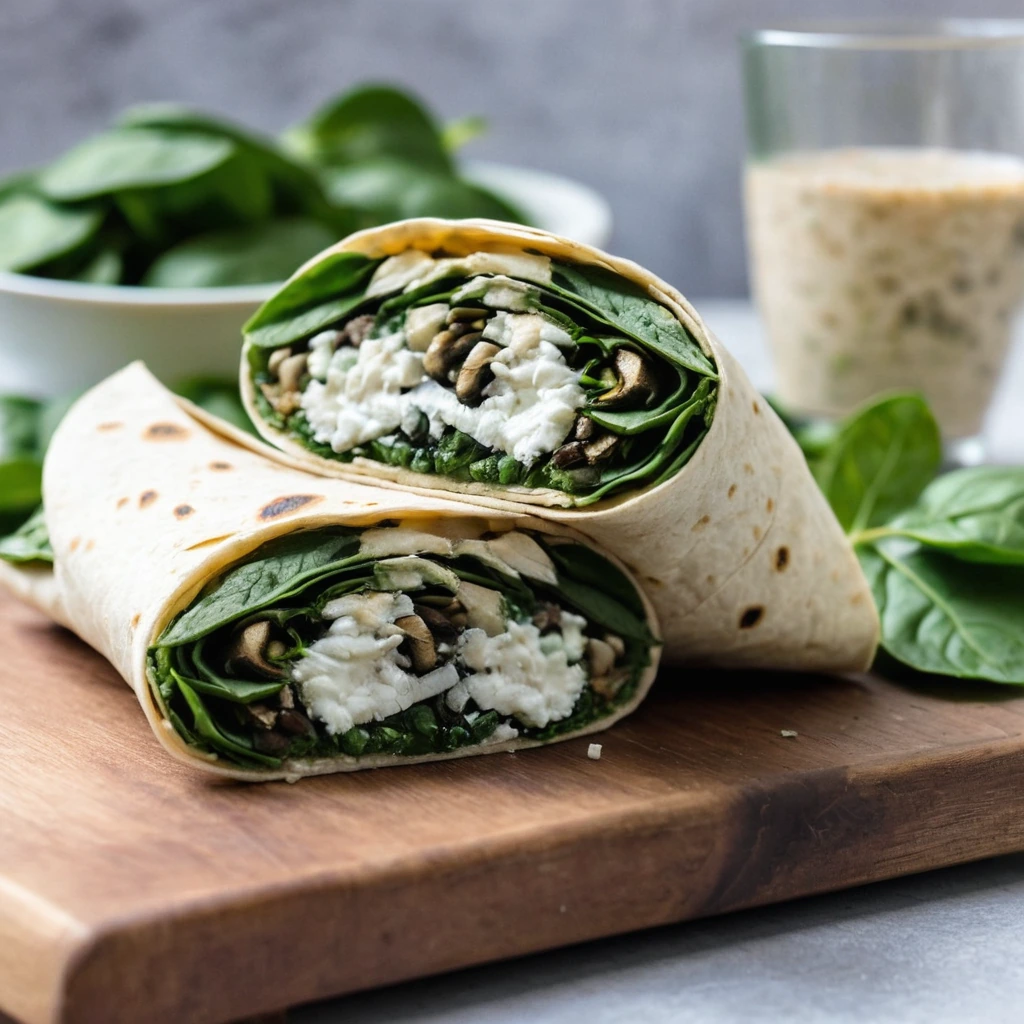
Spinach, Mushroom, and Feta Breakfast Wraps
These wraps are a cozy morning hug in a tortilla—creamy feta, earthy mushrooms, and vibrant spinach meld into a hearty breakfast.
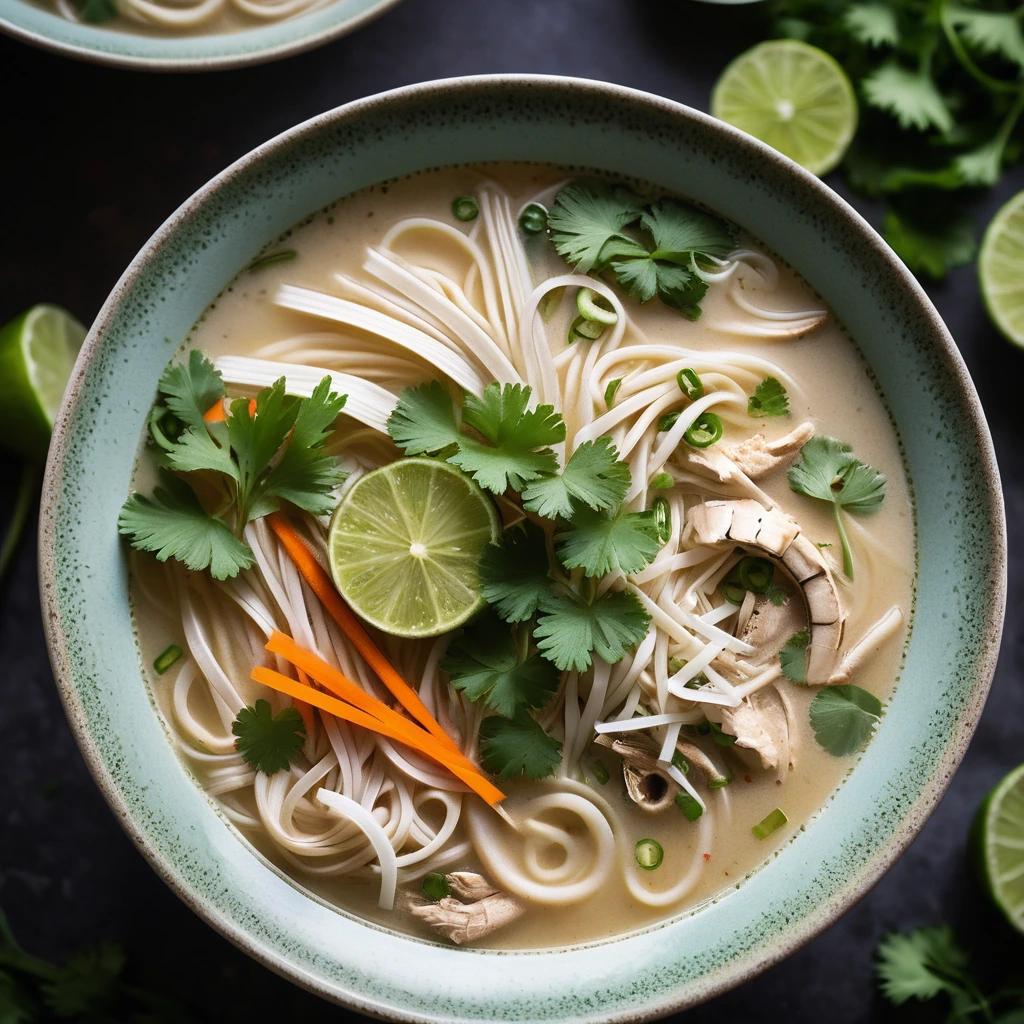
Thai Chicken Coconut Noodle Soup
Warm and fragrant, this soup is a symphony of coconut milk, zesty lime, and tender chicken with a hint of spice.