Meat & Poultry: Barding Lean Roasts with Fat for Protection
Barding is a classic culinary technique that involves wrapping lean cuts of meat or poultry in fat to protect them from drying out during roasting. This method is particularly useful for lean roasts like pork loin or venison, which can easily become tough and unappetizing without proper moisture retention. The fat used for barding can come from a variety of sources, including pork fatback, salt pork, or even bacon. Not only does barding keep the roast juicy and tender, but it also imparts a rich, savory flavor. When selecting fat, it's important to choose a type that will render well and complement the meat's flavor profile. Properly barded roasts emerge from the oven with a succulent interior and a beautifully crisped exterior. Understanding the art of barding is essential for home cooks aiming to elevate their roasting game, ensuring that even the leanest cuts are transformed into crowd-pleasing masterpieces. The technique requires attention to detail and patience, but the results are well worth the effort. By following this guide, you'll learn how to bard like a pro, ensuring your roasts are perfectly protected and deliciously moist every time.
Notes
Barding works by creating a protective barrier that shields lean meats from the direct heat of the oven, allowing them to cook gently and retain moisture. The fat melts slowly, basting the meat from the outside in, which results in a juicier roast. Common mistakes include using too thick a layer of fat, which can cause uneven cooking, or failing to secure the fat properly, leading to gaps. For safety, always use clean, fresh fat and ensure your roasting environment is properly ventilated to avoid flare-ups from rendered fat. Barding can be prepared in advance, but it's best to roast the meat fresh for optimal texture and flavor. Store leftover barded roasts in an airtight container in the refrigerator for up to 3 days.
Steps
- 1 Select a lean roast that benefits from barding, such as pork loin or venison.
- 2 Choose a suitable fat, like pork fatback or thick-cut bacon, ensuring it's of good quality.
- 3 Trim any excess fat or silver skin from the roast to create a smooth surface.
- 4 Cut the fat into thin, even strips or sheets, depending on the size of the roast.
- 5 Lay the fat strips or sheets across the surface of the roast, overlapping slightly.
- 6 Secure the fat in place with kitchen twine or skewers to prevent shifting during cooking.
- 7 Season the barded roast generously with salt, pepper, and any desired herbs or spices.
- 8 Preheat your oven to 325°F (163°C) to ensure even cooking.
- 9 Place the roast on a rack in a roasting pan, fat side up, to allow air circulation.
- 10 Roast the meat until it reaches an internal temperature of 145°F (63°C) for medium doneness.
- 11 Remove the roast from the oven and let it rest for at least 15 minutes before carving.
- 12 Discard the barding fat before serving, or reserve it for another use.
- 13 Carve the roast against the grain for the most tender slices.
Ingredients to explore
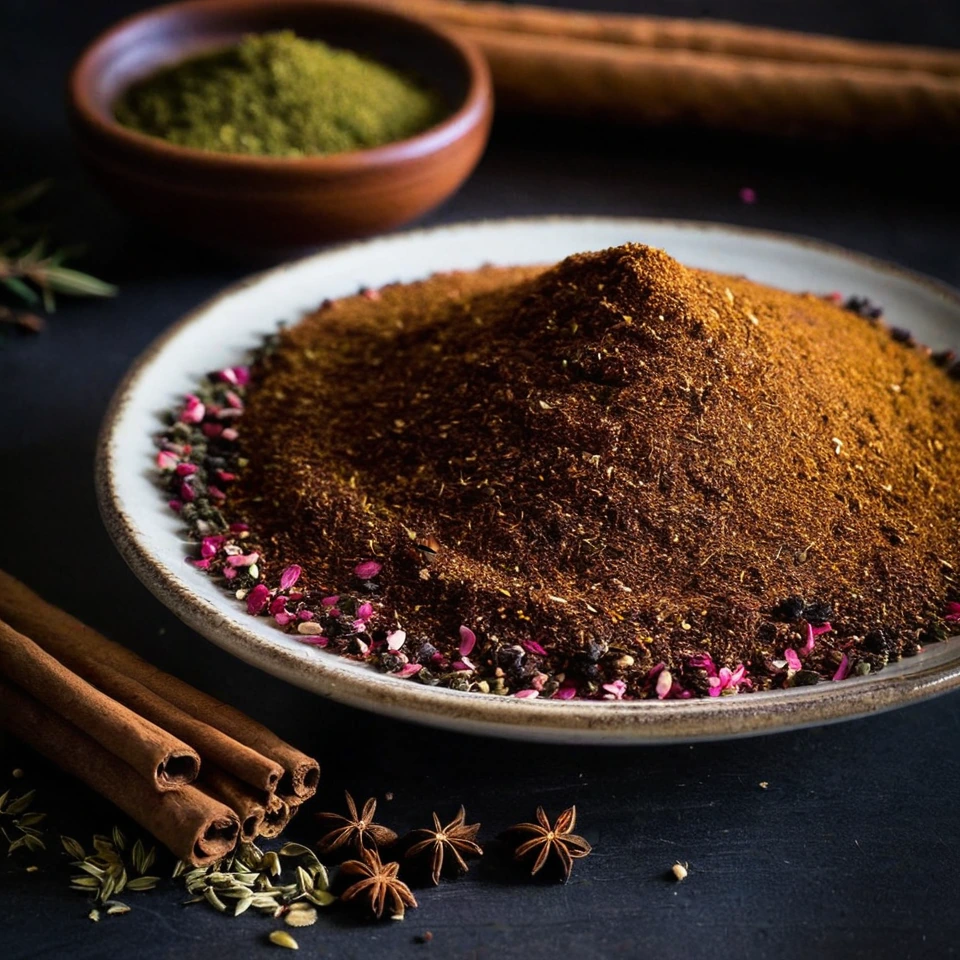
Advieh (Persian Spice Blend)
Advieh is a fragrant Persian spice blend that boasts a complex aroma of warm cinnamon, earthy cumin, and floral hints of rose and saffron. Its texture is finely ground, making it easy to incorporate into dishes. Originating from the rich culinary traditions of Iran, advieh adds depth and sophistication to both savory and sweet recipes. Its unique combination of spices reflects the historical spice trade routes that influenced Persian cuisine.
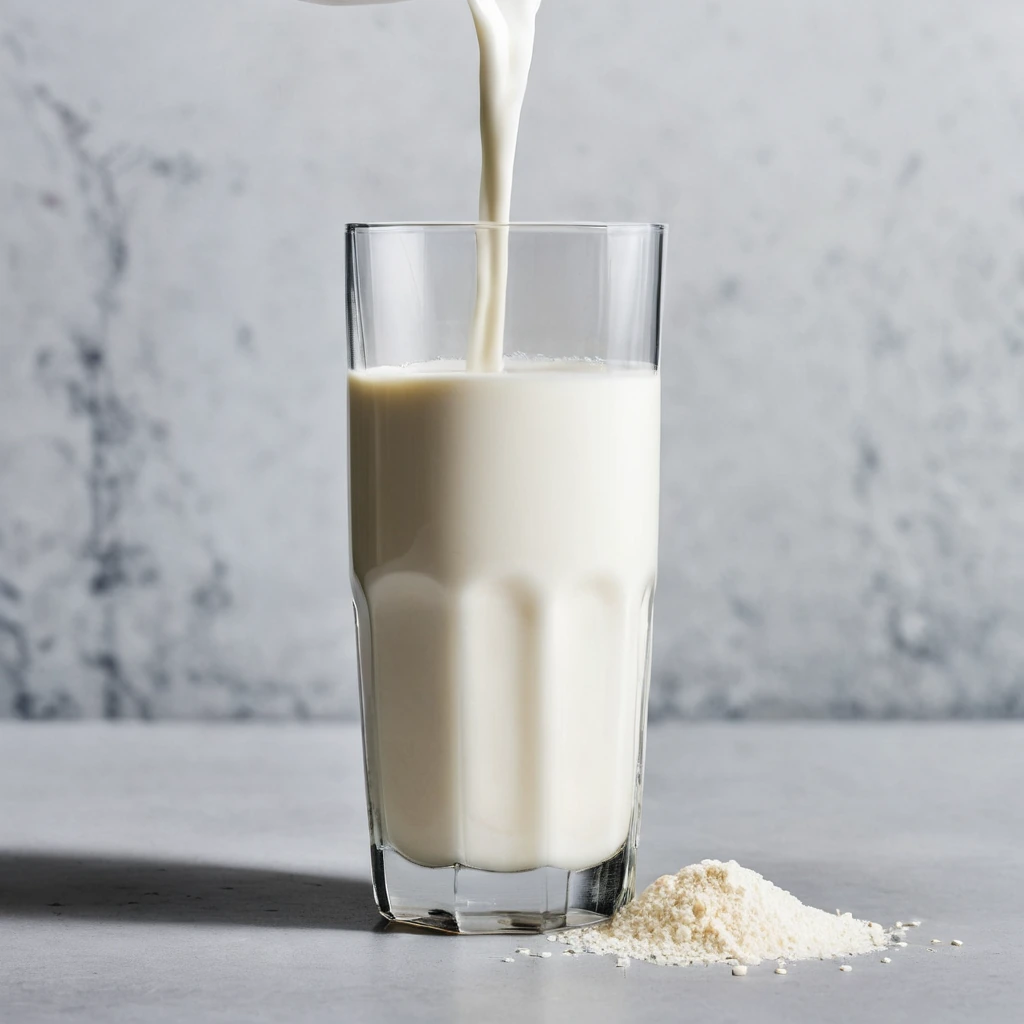
2% Milk
Creamy and just a touch lighter than whole milk, 2% milk offers a perfect balance of richness and reduced fat. Its smooth texture and subtle sweetness make it a delightful choice for sipping or cooking.
Recipes to try
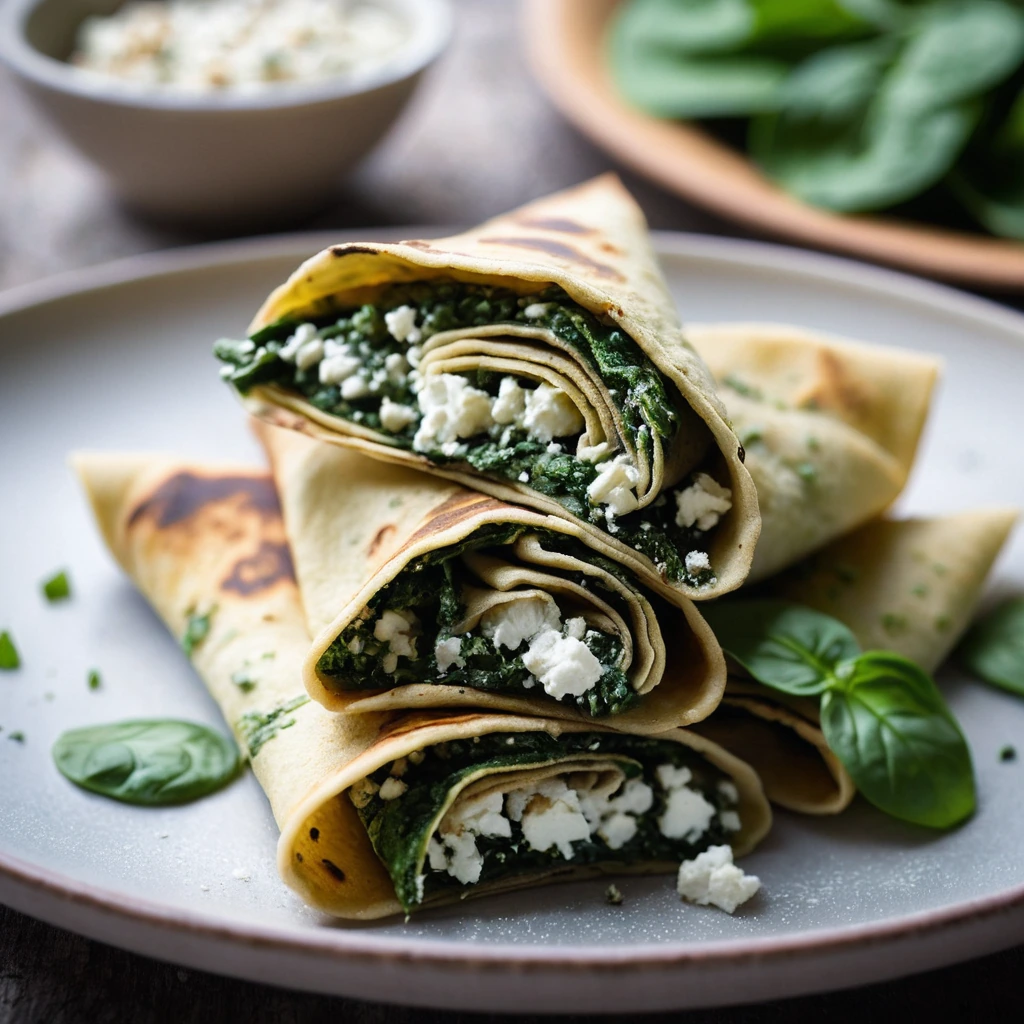
Spinach, Mushroom, and Feta Stuffed Crepes
Golden crepes envelop a savory blend of earthy mushrooms, tender spinach, and tangy feta for a satisfying vegetarian treat.
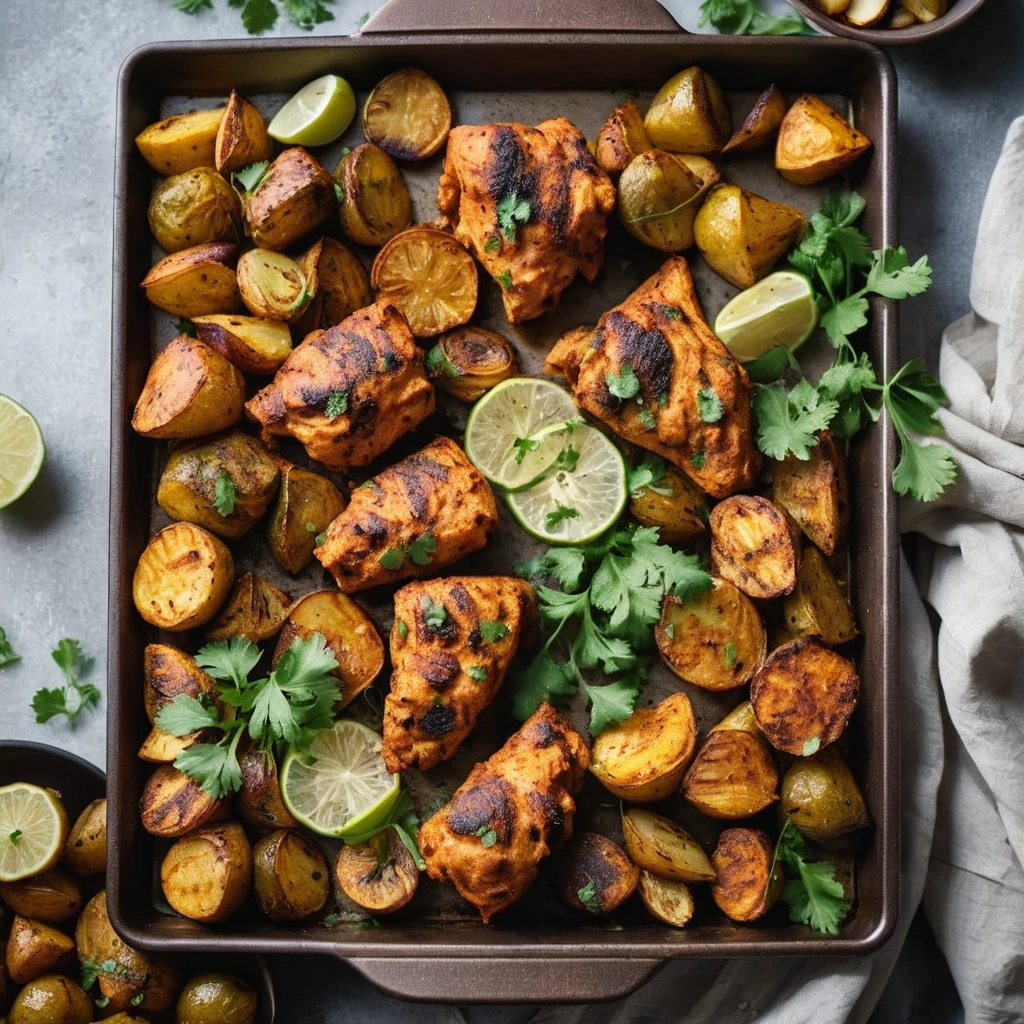
Sheet Pan Chicken Tikka with Garlic Potatoes
Juicy chicken and golden potatoes roasted to perfection on one sheet pan, infused with smoky tikka spices and garlicky goodness.