Legumes & Beans: Layering Aromatics in Bean Dishes
Creating flavorful bean dishes starts with understanding how to layer aromatics effectively. This technique involves infusing beans with a symphony of flavors by adding aromatic ingredients in stages. The key is to unlock each layer's potential, enhancing the beans' natural earthiness with onions, garlic, herbs, and spices. Aromatics form the base of many traditional cuisines and are essential for building depth and complexity in dishes. When properly executed, this method transforms ordinary beans into a culinary masterpiece. The process requires patience and attention to detail, but the rewards are well worth the effort. Layering aromatics allows each ingredient to release its unique flavor profile without overpowering the others. This technique is particularly useful for slow-cooked beans, as the prolonged cooking time enables flavors to meld seamlessly. By understanding the nuances of each aromatic component, you can craft bean dishes that are both comforting and sophisticated.
Notes
The science behind layering aromatics lies in the gradual release of volatile compounds, which enhance flavor profiles. Different aromatics release their essence at varying rates, so timing is crucial. Troubleshooting common mistakes includes ensuring aromatics are properly sautéed to avoid bitterness and adjusting liquid levels to prevent overly mushy beans. Safety is important when handling sharp knives and hot surfaces. For make-ahead meals, store cooled bean dishes in airtight containers in the refrigerator for up to 5 days or freeze for up to 3 months. Reheat gently to preserve texture and flavor.
Steps
- 1 Rinse and sort through your beans, discarding any debris.
- 2 Soak beans overnight in ample water, or use the quick-soak method by boiling for 2 minutes and soaking for 1 hour.
- 3 Drain and rinse the beans after soaking.
- 4 In a large pot, sauté diced onions in olive oil over medium heat until translucent.
- 5 Add minced garlic and cook for 1 minute until fragrant, taking care not to burn.
- 6 Stir in diced celery and carrots, cooking until softened, about 5 minutes.
- 7 Add your choice of herbs and spices, such as cumin, thyme, or bay leaves, and toast for 30 seconds to release their aroma.
- 8 Combine the sautéed aromatics with the beans in the pot.
- 9 Cover with fresh water or broth, ensuring beans are submerged by about 2 inches.
- 10 Bring to a boil, then reduce to a simmer.
- 11 Cook uncovered, skimming off any foam that rises to the surface.
- 12 After 45 minutes, check beans for tenderness, adding more liquid if necessary.
- 13 Continue cooking until beans are tender, adjusting seasonings to taste.
- 14 Finish with a splash of acidity, like lemon juice or vinegar, just before serving.
Ingredients to explore
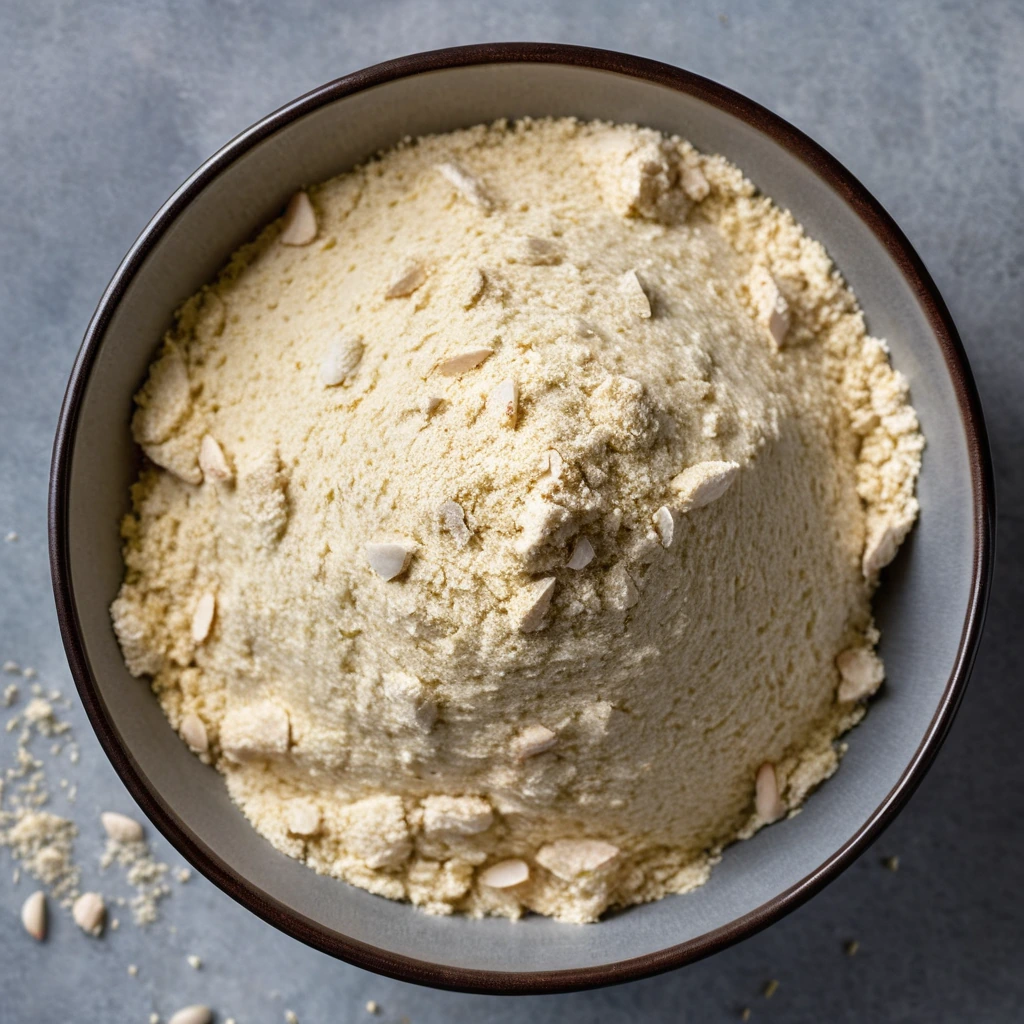
Almond Flour
A finely ground flour made from blanched almonds, offering a delicate nutty aroma and a tender crumb to your baked goods.

Aioli
A luscious, velvety emulsion of garlic and olive oil, aioli is a rich and aromatic sauce that dances on the palate with its creamy texture and bold, pungent flavor.