Legume Technique: Salting Bean Water Near the End to Avoid Tough Skins
Cooking beans can be a tricky business, often leaving home cooks wondering why their beans turn out tough or mushy. One often overlooked factor is when to add salt to the cooking water. Adding salt too early can lead to beans with tough, leathery skins. This technique dives into the science and art of salting bean water near the end of the cooking process to ensure tender, flavorful beans every time. Beans are a staple in many diets, offering plant-based protein and fiber. However, their reputation for being difficult to cook properly has deterred many from attempting to cook them from scratch. Fear not! By understanding the chemistry behind bean cooking, you can master this technique with ease. Beans absorb water and swell when cooked, and salt can interfere with this process if added too soon. The right timing ensures that beans cook evenly, maintaining their shape and texture while still absorbing flavor. This technique is a game-changer for anyone looking to elevate their bean dishes without relying on canned options. Let’s explore the whys and hows of this method, demystifying the process and empowering you to cook beans with confidence.
Notes
The science behind this technique lies in osmosis and cell wall structure. Beans have a complex structure with layers of cells that absorb water during cooking. Adding salt too early can toughen the cell walls, leading to beans that remain hard even after prolonged cooking. By waiting until the beans are nearly tender, you allow them to absorb water fully before introducing salt, which enhances flavor without compromising texture. A common mistake is adding salt at the beginning, which can result in tough skins. Another mistake is overcooking after adding salt, which can make beans mushy. To avoid this, check beans for doneness just before salting. For storage, cooked beans can be refrigerated for up to 5 days or frozen for up to 3 months. Always cool beans quickly after cooking to preserve texture and safety.
Steps
- 1 Rinse 1 pound of dried beans thoroughly under cold water.
- 2 Place beans in a large pot and cover with 2 inches of water.
- 3 Soak beans for 8 hours or overnight, or use the quick-soak method by boiling for 2 minutes, then letting them sit for 1 hour.
- 4 Drain the soaking water and rinse the beans.
- 5 Return beans to the pot and cover with fresh water by 2 inches.
- 6 Bring water to a boil, then reduce heat to maintain a gentle simmer.
- 7 Skim off any foam that rises to the surface during the first 10 minutes.
- 8 Simmer beans uncovered until they are nearly tender, usually 45 minutes to 1 hour, checking occasionally.
- 9 Add 1 teaspoon of salt to the cooking water.
- 10 Continue simmering until beans are fully tender, an additional 15 to 30 minutes.
- 11 Taste and adjust seasoning with more salt if necessary.
- 12 Drain excess water and serve immediately or use in your desired recipe.
Ingredients to explore

Agave Nectar
A golden, velvety sweetener derived from the agave plant, offering a subtly sweet flavor with a smooth, syrup-like texture.
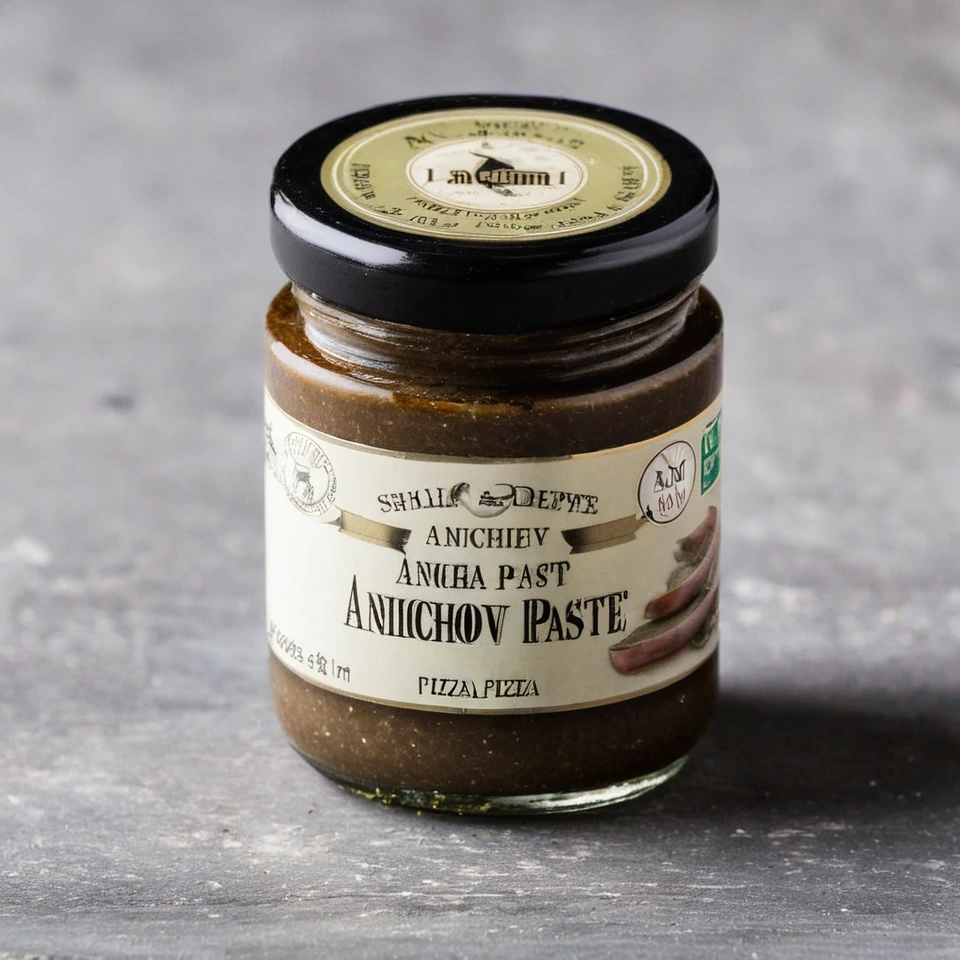
Anchovy Paste
Anchovy paste is a rich, salty spread made from finely ground anchovies, salt, and sometimes olive oil. It offers a deep umami flavor that enhances a variety of dishes.